 Bitcoin
  Ethereum
  Tether
  BNB
BNB  XRP
XRP  USDC
USDC  Solana
  TRON
TRON  Lido Staked Ether
  Figure Heloc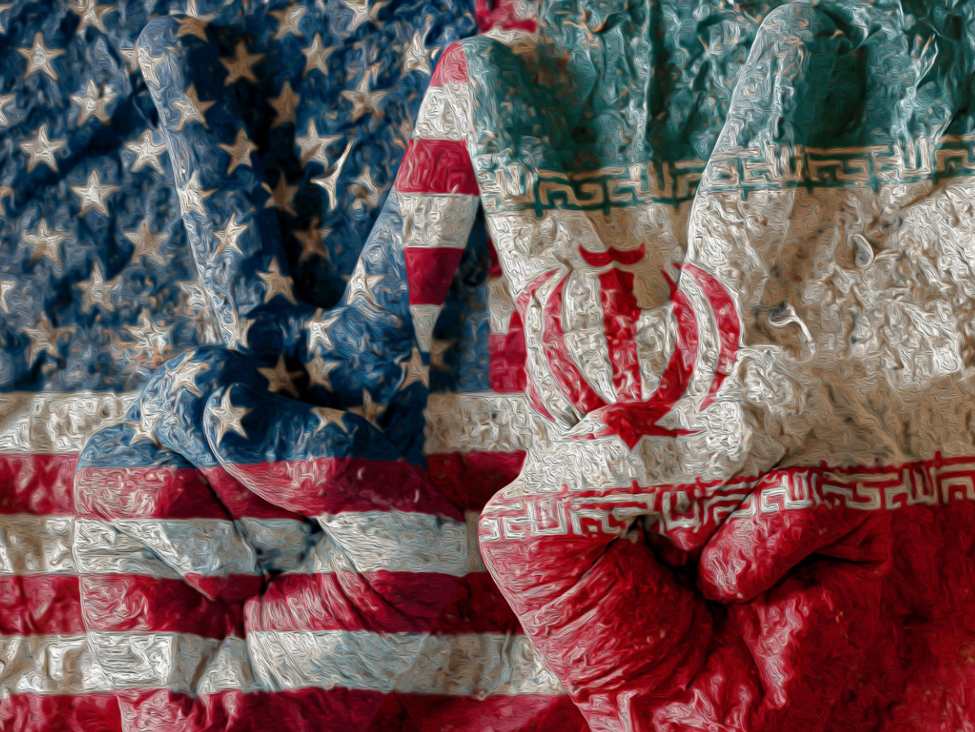
There have been plenty of mixed headlines in the past 24 hours. So, let’s do our best to catch up and make sense of what is happening in the Middle East conflict.First, there was that report yesterday that Iran’s supreme leader had issued a directive calling for near-weapons-grade uranium stockpile to not leave the country. That was subsequently denied by another report, although it stated that Iran’s position on the matter has not changed. That being Tehran wants to keep the stockpile in the country and if worse comes to worse, will just blend it down. But for now, the matter is still an “active subject of negotiations”.Besides that, there were other headlines on chatter that the US and Iran are poised to reach a framework agreement – one that is mediated by Pakistan. The news source came from Al Arabiya, who I pointed out already yesterday had been rather inconsistent with their reporting on the war, claimed that the deal will see an immediate and comprehensive ceasefire on all fronts.It is one that was “expected to be announced in the next few hours”. Yet here we are 12 hours from the time the headlines were out, and still nothing concrete from either camp just yet.I don’t doubt that we might be close to some form of agreement and mediation efforts are helping to try and bridge certain gaps between the US and Iran. However, do be reminded that all of this is just a framework agreement to set up the next round of negotiations. It is not a final deal that will settle the nuclear issue. That will be part of the next round of talks, only once this framework agreement is settled upon.The key question is what will happen with the Strait of Hormuz as both sides look to proceed to the next step?It seems that Iran still wants to maintain some semblance of control, and it only makes sense from their perspective to do so. After all, control over the strait remains their biggest leverage in any talks with the US at the moment.They might offer up freeing up some movement along the strait, but perhaps under a joint monitoring mechanism and also one that will include toll payments. But if the US is not going to sound a military retreat and/or lift its naval blockade, I don’t expect Iran’s words to mean anything as they know very well that if they do give up some territory then they might risk losing control of it all.For now, markets are continuing to hold cautious optimism after the showing yesterday. Wall Street posted slight gains and S&P 500 futures are up another 0.3% currently. Meanwhile, oil prices continue to rest lower this week with WTI crude down to $97.35. That is well off the Monday high near the $105 mark.
This article was written by Justin Low at investinglive.com.
💡 DMK Insight
The recent directive from Iran’s supreme leader regarding near-weapons-grade uranium is a significant geopolitical flashpoint that could impact global markets, particularly energy and commodities. Traders should be aware that escalating tensions in the Middle East often lead to volatility in oil prices, which could ripple through related assets like gold and the broader stock market. With crude oil prices already sensitive to geopolitical events, any further developments could push prices higher, affecting inflation expectations and central bank policies worldwide. Moreover, the uncertainty surrounding Iran’s nuclear ambitions could provoke reactions from major players, including the U.S. and Israel, potentially leading to sanctions or military responses. This creates a complex environment for traders, especially those in the energy sector. Keep an eye on key levels in oil markets; a breach of recent highs could signal a bullish trend. Additionally, monitor how this situation evolves over the coming weeks, as any escalation could lead to significant market shifts. In this context, it’s crucial to stay updated on news cycles and sentiment shifts, as they can lead to rapid price movements in both commodities and equities.
📮 Takeaway
Watch for oil price movements; any escalation in the Middle East could push prices above recent highs, impacting inflation and market sentiment.