
 Bitcoin
  Ethereum
  Tether
  BNB
BNB  XRP
XRP  USDC
USDC  Solana
  TRON
TRON  Lido Staked Ether
  Figure Heloc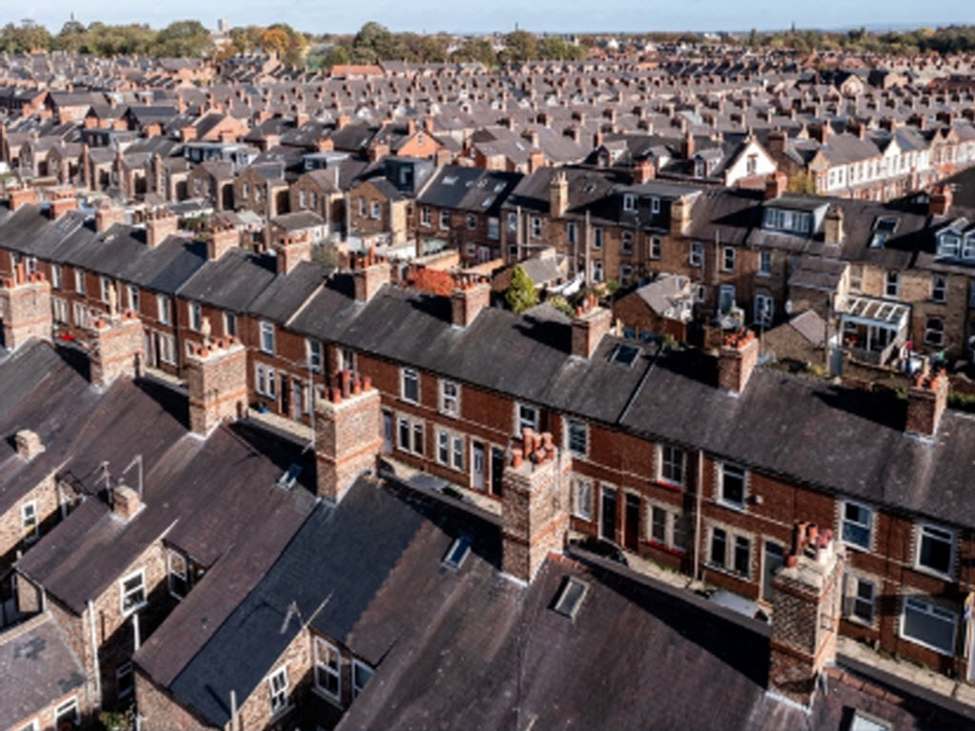
House prices -0.6% vs -0.2% m/m expectedPrior +0.4%House prices +1.7% vs +2.2% y/y expectedPrior +3.0%The average price of a dwelling in the UK eased slightly in May to £278,024, as Nationwide records a price drop of 0.6% on the month in May. Housing sentiment was more resilient in April but it seems that the uncertainty from the Middle East conflict is starting to bite now. That said, house prices are still keeping higher compared to the same month a year ago – even if the measure has declined modestly.Nationwide notes that:”Given the uncertainty caused by developments in the Middle East and the subsequent rise in energy prices and market interest rates, some loss of momentum was to be expected. Indeed, consumer confidence has weakened noticeably since the start of the conflict, with GfK’s headline index falling to its lowest level since late-2023 in April, with only a marginal increase in May.While market interest rates have risen in recent months, the impact on affordability has so far been modest. Indeed, swap rates, which underpin fixed‑rate mortgage pricing, remain well below the highs reached in 2023 and are broadly in line with levels prevailing in 2024, implying only a partial reversal of earlier gains.This provides some confidence that, if the latest shock passes relatively quickly, and energy prices normalise in the quarters ahead, any near-term softening in the housing market will also prove short lived.”
This article was written by Justin Low at investinglive.com.
💡 DMK Insight
UK house prices just dropped 0.6%, and here’s why that matters: This decline, sharper than the expected 0.2%, signals potential cooling in the housing market, which could ripple through related sectors like construction and consumer spending. With the average dwelling price now at £278,024, traders should keep an eye on how this affects broader economic indicators, especially as we approach key inflation reports. A sustained downturn could lead to shifts in monetary policy, impacting interest rates and, consequently, forex pairs tied to the GBP. But don’t overlook the flip side—while some may see this as a sign of economic weakness, it could also present buying opportunities for investors looking for undervalued assets. Watch for any rebounds in housing sentiment or government interventions that might stabilize the market. Key levels to monitor include the previous month’s price of £278,024 and how the market reacts in the coming weeks as more data comes in.
📮 Takeaway
Keep an eye on the £278,024 level; a sustained drop could signal broader economic shifts impacting GBP pairs and related markets.