Bitcoin
  Ethereum
  Tether
  XRP
XRP  BNB
BNB  USDC
USDC  Solana
  TRON
TRON  Lido Staked Ether
  Figure Heloc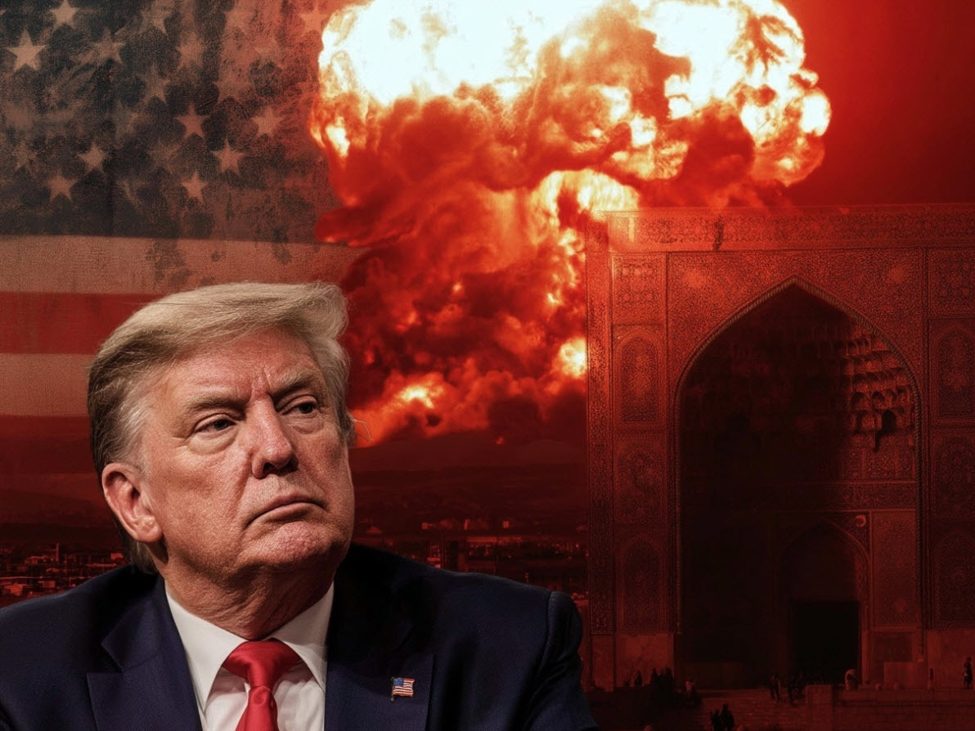
UAE held talks with the US on a potential financial backstop as war disrupts oil exports and dollar flows, with officials even raising yuan use in a stress scenario, signalling rising financial risks in the Gulf.Summary:UAE exploring US financial backstop amid war risks
Currency swap line discussed but not formally requested
Oil export disruption hitting dollar revenues
Risks to capital flows and financial hub status rising
UAE signals possible shift to yuan if dollar access tightens
Fed swap line unlikely; alternative support possibleThe United Arab Emirates has quietly opened discussions with the United States about securing a potential financial backstop, underscoring growing concern among Gulf states about the economic fallout from the ongoing Iran war.According to officials cited by the Wall Street Journal (gated), UAE Central Bank Governor Khaled Mohamed Balama raised the possibility of a currency swap line in meetings with US Treasury Secretary Scott Bessent and Federal Reserve officials. While Emirati authorities have not made a formal request, the discussions reflect a precautionary effort to ensure access to US dollars should the conflict deepen and strain the country’s financial system.The move highlights mounting pressure on the UAE’s economic model, which relies heavily on its role as a stable financial hub and a major oil exporter. The war has disrupted oil shipments through the Strait of Hormuz, cutting off a key source of dollar revenues, while infrastructure damage and rising geopolitical risk have increased the threat of capital outflows and investor hesitation.Officials stressed that the UAE has so far avoided the worst economic impacts, but risks are building. A prolonged disruption could erode foreign reserves and destabilise the currency peg, even though the dirham remains backed by substantial reserves. Analysts note that while buffers are strong, sustained pressure on exports and financial flows would test the system.Notably, Emirati officials also raised the possibility that, in a dollar shortage scenario, the country could shift toward using alternative currencies such as the Chinese yuan for oil transactions. Such a move would carry broader implications for the global financial system, given the dominance of the US dollar in energy markets.Despite the discussions, a Federal Reserve-backed swap line appears unlikely, as such facilities are typically reserved for economies with deeper financial linkages to the US. Alternative support mechanisms, potentially through the US Treasury, remain a possibility.The talks underscore a broader reality: even wealthy Gulf economies are increasingly preparing for a prolonged and disruptive conflict, with recovery expected to be slow even if hostilities ease. —This is a significant escalation in financial stress signals, moving beyond oil flows into funding risk. The fact the UAE is even discussing swap lines suggests concern around dollar liquidity and capital stability. The yuan reference is particularly notable, hinting at potential cracks in the dollar’s dominance in energy trade if stress deepens. For markets, this reinforces that the shock is broadening, from physical supply disruption into financial system risk, a combination that typically supports oil, volatility, and safe-haven demand.
This article was written by Eamonn Sheridan at investinglive.com.
💡 DMK Insight
UAE’s discussions with the US about a financial backstop are a big deal for traders right now. With ongoing conflicts disrupting oil exports and dollar flows, the potential shift towards using the yuan in financial transactions signals a significant change in the Gulf’s economic landscape. This could impact oil prices and the dollar’s dominance, especially if the UAE formalizes a currency swap line. Traders should keep an eye on oil futures and the USD/CNY exchange rate, as any formal agreement could lead to volatility in these markets. If oil prices spike due to supply disruptions, we might see a corresponding rise in inflation expectations, which could further influence central bank policies globally. But here’s the flip side: if the UAE moves away from the dollar, it could weaken the greenback’s position in global trade, leading to a broader shift in currency dynamics. Watch for any official announcements from the UAE or US in the coming weeks, as these could provide critical insights into future market movements.
📮 Takeaway
Monitor oil prices and the USD/CNY exchange rate closely; any formal financial agreements could trigger significant market volatility.