Bitcoin
  Ethereum
  Tether
  XRP
XRP  BNB
BNB  USDC
USDC  Solana
  TRON
TRON  Lido Staked Ether
  Figure Heloc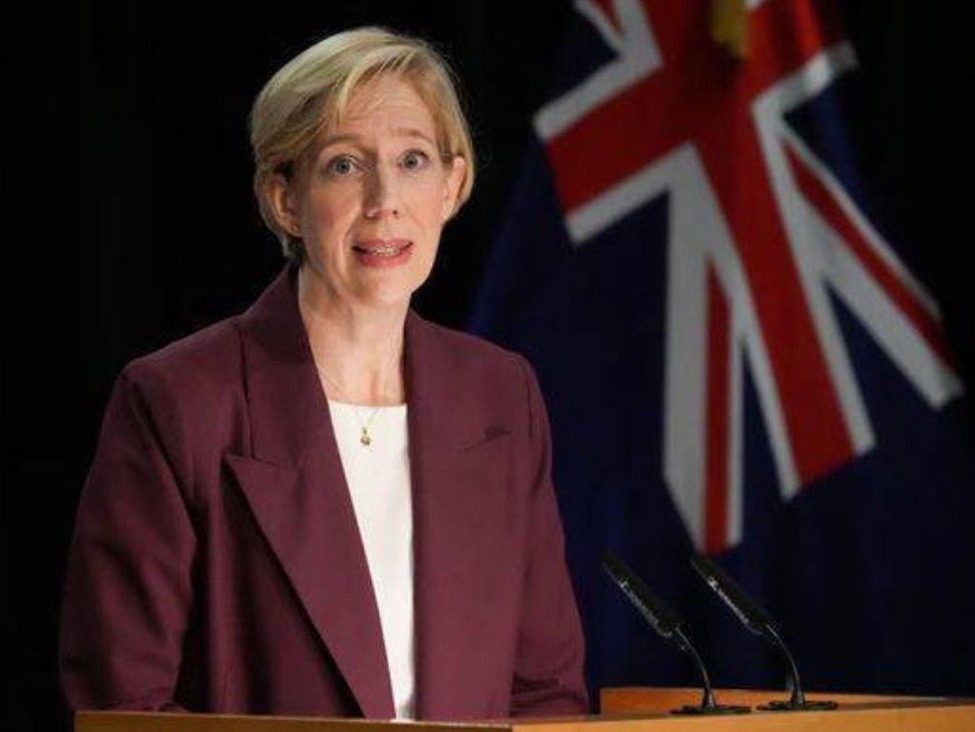
RBNZ governor Breman:First quarter measures of core inflation have remained stable within the target band of 1–3%Monetary policy committee continues to keep a close watch on developments in Middle East and incoming data
This article was written by Eamonn Sheridan at investinglive.com.
💡 DMK Insight
Core inflation stability at 1-3% is good news for traders, but geopolitical risks loom large. The Reserve Bank of New Zealand (RBNZ) is signaling confidence in its inflation targets, which could influence interest rate decisions moving forward. Traders should keep an eye on how this stability impacts the NZD, especially against major pairs like the USD and AUD. However, the mention of geopolitical developments in the Middle East adds a layer of uncertainty that could lead to volatility. If tensions escalate, we might see a flight to safety that could strengthen the USD against the NZD, despite the latter’s stable inflation metrics. Watch for any shifts in the RBNZ’s monetary policy stance in response to incoming data or geopolitical events. Key levels to monitor include the NZD/USD around recent highs and lows, as these could signal potential breakout or reversal points in the near term.
📮 Takeaway
Keep an eye on NZD/USD levels and geopolitical developments; they could drive volatility despite stable core inflation.