Bitcoin
  Ethereum
  Tether
  XRP
XRP  BNB
BNB  USDC
USDC  Solana
  TRON
TRON  Lido Staked Ether
  Figure Heloc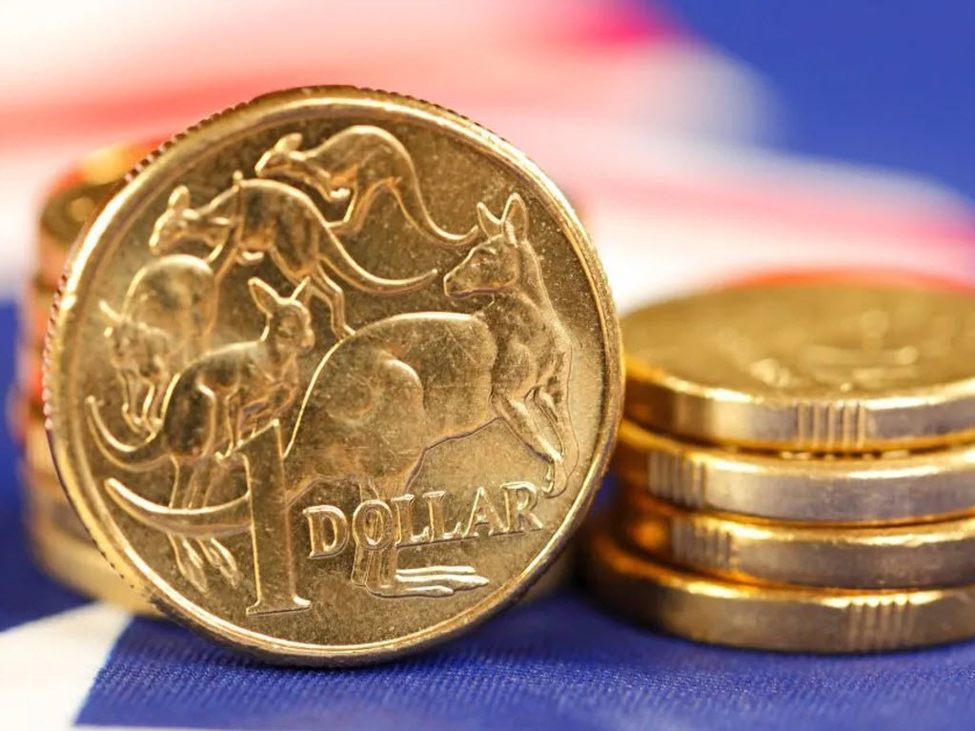
I’ll be back separately with details and implications (TL;DR … May rate hike). Australia CPI Q1 2026 1.4% q/q (expected 1.4%, prior 0.6%) … sharpest rise since late 2023and 4.1% y/y (expected 4.1%, prior 3.6%)
Trimmed Mean (core) 0.8% q/q (expected 0.9%, prior 0.9%) and 3.5% y/y (expected 3.5%, prior 3.4%)The Q1 data is the main focus.—CPI for March month +1.4% m/m (prior 0.0%) and +4.6% y/y (expected 4.8%, prior 3.7%)
Trimmed Mean (core) +0.3% m/m (prior +0.2%) and +3.3% y/y (expected +3.3%, prior +3.3%)The figures for March month alone are much uglier. —Earlier:Iran war is supercharging inflation and putting a May RBA rate rise firmly on the table.Summary:CBA forecasts headline CPI rose 1.1% in March, lifting the annual rate to 4.6%CBA expects trimmed mean inflation of 0.9% for Q1 2026, pushing the annual rate to 3.5%, which would mark the third consecutive quarter at that pace or aboveCBA calls for a 25bp RBA rate rise in May to 4.35%, though flags the decision as line ball between inflation and growth risksWestpac estimates a 1.5% quarterly CPI gain, or 4.2% annually, with risks seen as balancedWestpac forecasts trimmed mean of 0.93% for Q1, lifting the annual rate to 3.5% from 3.4%Both banks attribute the bulk of the energy shock so far to auto fuel, with the Iran conflict having begun on 28 FebruaryWestpac warns the impact will broaden significantly in Q2 and through H2 2026, with trimmed mean seen hitting 1.0% per quarter and the annual rate peaking at 4.0%The forecasts from CBA and Westpac carry clear hawkish implications for Australian rates. If trimmed mean inflation prints at 0.9% for the quarter and the annual rate lifts to 3.5% as both banks expect, the RBA will face significant pressure to act at its May meeting. CBA explicitly calls for a 25 basis point hike to 4.35%, though it acknowledges the decision will be close. Bond markets are likely to price in a higher probability of a May move on the back of these notes, pressuring the short end of the curve. The Australian dollar could find support if the RBA is seen moving while other central banks remain on hold. The longer-term concern flagged by Westpac, that the Iran conflict represents the largest energy shock since the 1970s oil crises, suggests inflation risks are skewed to the upside well into the second half of 2026, limiting the scope for any subsequent easing cycle.
This article was written by Eamonn Sheridan at investinglive.com.
💡 DMK Insight
Australia’s CPI data just hit, and it could shake up the RBA’s rate strategy. With Q1 2026 CPI at 1.4% q/q, matching expectations but marking a notable increase from the previous 0.6%, traders should be alert. The year-on-year figure also aligns at 4.1%, up from 3.6%. This uptick in inflation could pressure the Reserve Bank of Australia (RBA) to consider a rate hike sooner rather than later, especially if the core inflation remains sticky. The trimmed mean at 0.8% q/q, slightly below expectations, suggests some underlying inflationary pressures are easing, but not enough to dismiss the overall trend. For forex traders, this news could strengthen the Australian dollar against its peers, particularly if the market anticipates a hawkish shift from the RBA. Watch the AUD/USD pair closely; a break above recent resistance levels could signal a bullish trend. Keep an eye on the upcoming RBA meetings for any hints on policy adjustments, as these could lead to increased volatility in the AUD. The real story is how the market reacts to these inflation numbers—are traders pricing in a rate hike, or are they skeptical? That sentiment will be key in the coming weeks.
📮 Takeaway
Monitor the AUD/USD pair closely; a break above recent resistance could signal a bullish trend as traders react to potential RBA rate hikes.