 Bitcoin
  Ethereum
  Tether
  BNB
BNB  XRP
XRP  USDC
USDC  Solana
  TRON
TRON  Lido Staked Ether
  Figure Heloc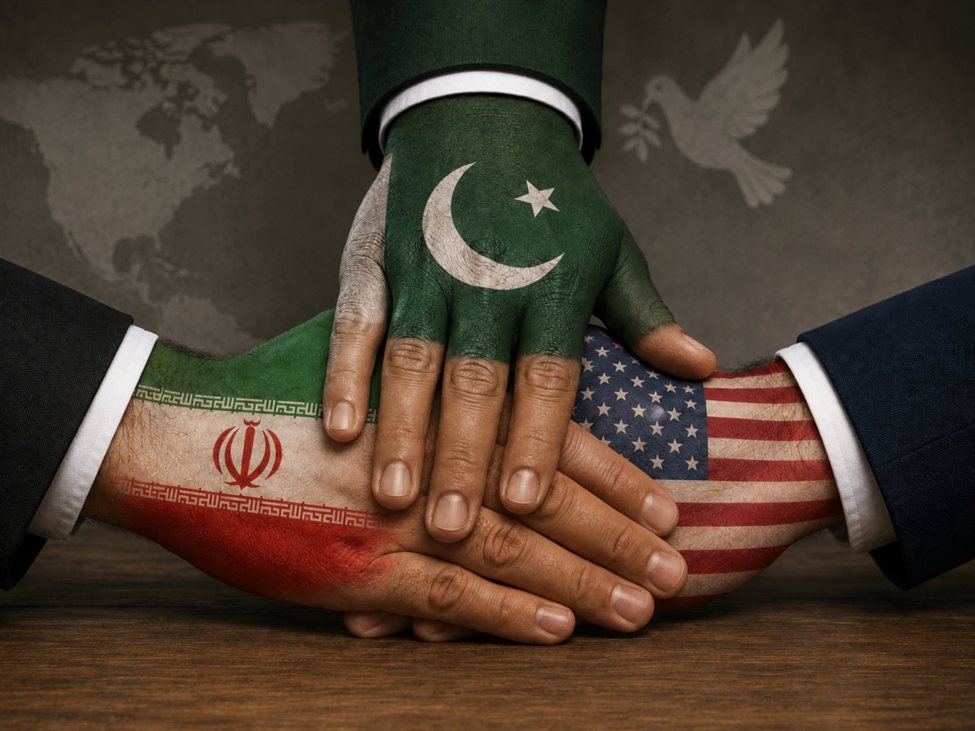
Fars News Telegram link hereFrom Fars News Telegram channel: Informed sources have rejected recent claims by US President Donald Trump regarding a possible agreement with Iran, describing his statements as a “mixture of truth and falsehood” and an attempt to portray a fabricated victory. According to these sources, it has become clear to almost everyone that these claims lack credibility.According to the report, the agreement text, drafted under the framework of “commitment in exchange for commitment”, is in the final stages of approval in Iran, and no final decision has yet been made. Meanwhile, Trump, who reportedly sees himself as unable to walk away from the deal, has made statements that contradict the contents of the agreement text, while simultaneously announcing that he is ending the blockade immediately.Distortion of the Agreement’s Main Provisions by Trump1. Strait of Hormuz:
Trump has claimed that Iran is obligated to open the Strait of Hormuz without collecting any fees. However, according to the sources, no such provision exists in the agreement. Iran has emphasized that once the blockade is lifted, it will reopen the strait according to its own predetermined arrangements. These arrangements could include monitoring and inspecting vessels, providing services, and ensuring security. According to information obtained by a Fars News Agency reporter, Iran is currently preparing the infrastructure for these arrangements.2. Dismantling Nuclear Material:
Trump has claimed that Iran will dismantle or destroy its nuclear materials. Informed sources stress that not only is there no such provision in the memorandum of understanding, but the claim itself is fundamentally baseless.Key Elements of the Agreement That Trump Omitted1. Immediate $12 Billion Payment:
The most important part of the agreement, which Trump did not mention, is the requirement for the immediate release of $12 billion from Iran’s frozen assets. According to the agreement text, this amount must be paid immediately, and Iran will not enter any subsequent stage of negotiations until the payment is made. Failure to implement this provision would constitute a violation of U.S. commitments.2. Ceasefire in Lebanon:
Another issue is the establishment of a complete ceasefire in Lebanon in accordance with the position of Hezbollah.According to informed sources, only after these issues are resolved will Iran enter discussions on the lifting of all sanctions and the nuclear issue, in line with its own red lines.At the same time, Iranian officials have emphasized that any final agreement will be based on the principles and red lines of the Islamic Republic of Iran and structured around a policy of complete distrust toward the United States, in such a way that any breach of commitments would trigger an immediate reciprocal response.This is getting tiresome…
This article was written by Giuseppe Dellamotta at investinglive.com.
💡 DMK Insight
Trump’s claims about a deal with Iran are being called into question, and here’s why that matters: geopolitical tensions can heavily influence market volatility. When leaders make bold statements about international agreements, it often leads to knee-jerk reactions in forex and commodities markets, particularly oil. If traders believe there’s a genuine thaw in US-Iran relations, we could see a dip in oil prices as supply concerns ease. Conversely, if the situation escalates, expect oil to spike, impacting related assets like the USD and emerging market currencies. Watch for any shifts in sentiment that could push oil prices through key resistance or support levels. But here’s the flip side: skepticism around Trump’s narrative could lead to increased volatility, especially if the market senses a lack of genuine progress. Traders should keep an eye on the daily charts for oil and the USD, looking for breakout patterns that could signal the next move. Keep an ear out for any official statements or developments that could shift the narrative further.
📮 Takeaway
Monitor oil prices closely; any significant moves could signal broader market shifts, especially if geopolitical tensions escalate.