 Bitcoin
  Ethereum
  Tether
  BNB
BNB  XRP
XRP  USDC
USDC  Solana
  TRON
TRON  Lido Staked Ether
  Figure Heloc
Former CEO Alex Mashinsky filed documents seeking to vacate his 12-year sentence, which included claims involving FTX and a “hostile takeover” by a former Celsius executive, who was sentenced to time served. 🔗 Source 💡 DMK Insight Mashinsky’s move to vacate his sentence could signal shifting tides in crypto regulation and investor sentiment. The implications of this legal maneuver are significant for traders, especially those with exposure to Celsius and FTX-related assets. If Mashinsky’s claims gain traction, it could lead to renewed scrutiny of the regulatory environment surrounding crypto exchanges. This might impact market confidence, particularly in assets that have been under pressure due to past scandals. Traders should keep an eye on how this unfolds, as any positive developments for Mashinsky could lead to a short-term rally in related tokens, while negative outcomes might further dampen sentiment. Watch for price reactions in Celsius Network tokens and FTX derivatives, especially if any new information emerges in the coming weeks that could sway public perception or regulatory actions. 📮 Takeaway Monitor Celsius Network tokens closely; any favorable developments for Mashinsky could trigger a price rally in the coming weeks.

CFTC backs crypto perpetual contracts, issues advisory on 24/7 trading
The CFTC issued notices affecting platforms seeking to offer cryptocurrency perpetual futures contracts, including a no-action position for Coinbase and approval for Kalshi. 🔗 Source 💡 DMK Insight The CFTC’s recent moves on crypto perpetual futures are game-changers for traders. With Coinbase receiving a no-action position, it signals regulatory breathing room that could enhance liquidity and trading volume on their platform. This is crucial as traders often look for reliable venues to execute high-frequency strategies. Kalshi’s approval adds another layer of competition, potentially driving down fees and improving service offerings. Keep an eye on how these developments affect market sentiment and trading strategies, particularly for those focused on short-term positions. However, there’s a flip side: increased regulatory scrutiny could lead to tighter controls down the line. Traders should monitor how platforms adapt to these changes and whether they can maintain their competitive edge. Watch for volatility spikes as traders adjust their positions in response to these announcements, especially in the lead-up to any further regulatory clarifications. 📮 Takeaway Watch Coinbase and Kalshi closely; their regulatory status could impact liquidity and trading strategies in the crypto futures market.

‘Extraordinarily unusual’ for CFTC to reverse Gemini settlement deal: Ex-chair
As the CFTC and Gemini work together to seek a court’s reversal of a 2025 settlement, one of the agency’s former chairs said the public “deserves a better explanation.” 🔗 Source 💡 DMK Insight The CFTC’s push to reverse a settlement with Gemini could shake up regulatory expectations in crypto. With ETH currently at $2,015.20, traders should be mindful of how regulatory news can impact market sentiment. If the court sides with the CFTC, it might signal stricter oversight, potentially leading to increased volatility in crypto assets. This could affect not just ETH but also related assets like BTC and stablecoins, as traders reassess risk in a more regulated environment. Watch for any price movements around key support and resistance levels in ETH, particularly if it approaches the $2,000 mark, which could trigger further selling or buying pressure depending on market sentiment. Keep an eye on the broader market reaction to regulatory news; it often leads to knee-jerk reactions that can create short-term trading opportunities. 📮 Takeaway Monitor ETH closely as it tests the $2,000 level; regulatory news could trigger significant volatility in the coming days.

US has seized nearly $1 billion in Iranian crypto, Treasury secretary says
US Treasury Secretary Scott Bessent said the US has seized roughly $1 billion in Iranian crypto assets, double the figure disclosed in late April. 🔗 Source 💡 DMK Insight The US seizing $1 billion in Iranian crypto assets could shake market confidence. This move signals a tightening regulatory environment that traders need to watch closely. With geopolitical tensions rising, especially around sanctions, we might see increased volatility in crypto markets. Traders should be alert to potential sell-offs in assets perceived as risky, particularly those linked to regions under sanctions. This could also impact Bitcoin and Ethereum, as they often react to broader market sentiment. Watch for any shifts in trading volumes or price movements in these major cryptocurrencies, especially if they approach key support levels. The real story is how this seizure might lead to further regulatory scrutiny, potentially affecting liquidity and trading strategies in the short term. Keep an eye on news cycles and sentiment shifts, as they could signal broader market reactions in the coming weeks. 📮 Takeaway Monitor Bitcoin and Ethereum for volatility as geopolitical tensions rise; watch key support levels closely.

Germany May preliminary CPI +2.6% vs +2.9% y/y expected
Prior +2.9%HICP +2.7% vs +2.8% y/y expectedPrior +2.9%Core CPI Y/Y +2.5% vs +2.3% priorThe German states inflation readings released earlier in the day were much lower than the prior month, so a notable miss on the national measure was expected. The German Core CPI Y/Y rose to 2.5% from 2.3% prior.That’s due to a pullback in energy prices but the ECB is more focused on underlying inflation pressures and the risk of second-round effects if the situation in the Strait of Hormuz persists longer than expected.As a reminder, the ECB is widely expected to deliver an “insurance” 25 bps rate hike in June and pause at least until September to see how the data and the US-Iran situation evolves over the summer. This article was written by Giuseppe Dellamotta at investinglive.com. 🔗 Source 💡 DMK Insight Germany’s inflation data just missed expectations, and here’s why that matters: The Core CPI coming in at 2.5% against a 2.3% prior reading signals persistent inflationary pressures, despite lower regional readings. This divergence could lead to a reassessment of the ECB’s monetary policy, especially with the market already pricing in a cautious approach. Traders should keep an eye on the Euro against the USD, as a weaker inflation outlook might prompt a sell-off in the Euro if the ECB signals a pause in rate hikes. Look for key support levels around recent lows; if the Euro breaks below those, we could see further downside. On the flip side, if the ECB maintains a hawkish stance despite this data, it could surprise the market. So, watch for any statements from ECB officials in the coming days that might hint at their next moves. The immediate focus should be on how the market reacts to this data, especially in the context of upcoming economic indicators. Keep an eye on the next inflation report and any shifts in sentiment from institutional players, as they could drive volatility in both the Euro and related assets. 📮 Takeaway Watch the Euro against the USD closely; a break below recent support levels could signal further downside if the ECB shifts its stance on inflation.
Canada Q1 GDP -0.1% vs +1.5% expected
Prior was -0.6%GDP +0.0% q/q vs -0.2% priorMarch GDP -0.1% vs +0.0% expectedPrior +0.2%Full report hereReal gross domestic product was unchanged in the first quarter of 2026, after declining 0.2% in the fourth quarter of 2025. Higher imports of goods, particularly gold, were offset by accumulations of business inventories. Decreased business and government capital investment was counterbalanced by higher household spending, as final domestic demand edged 0.1% lower.On a per capita basis, real GDP increased 0.2% in the first quarter of 2026, as the population declined for a second consecutive quarter and GDP remained unchanged.The Canadian dollar weakened on the release as the Canadian economic data continues to surprise to the downside. There’s very little reason for the BoC to deliver rate hikes. Despite this, the market is pricing a 77% chance of a rate hike in December. The dovish repricing on the BoC side and hawkish repricing on the Fed side could keep USD/CAD supported. This article was written by Giuseppe Dellamotta at investinglive.com. 🔗 Source 💡 DMK Insight GDP stagnation is a red flag for traders—here’s why you should care: The latest GDP report shows no growth in Q1 2026, following a slight decline in Q4 2025. This stagnation could signal weakening economic momentum, which often leads to increased volatility in both forex and crypto markets. Traders should keep an eye on how this impacts central bank policies, particularly if the Fed or other central banks consider rate adjustments. A stagnant economy could push them towards more accommodative measures, which might weaken the dollar and boost assets like gold and cryptocurrencies. Also, the rise in imports, especially of gold, suggests a potential flight to safety among investors. If this trend continues, we could see gold prices react positively, while riskier assets might face downward pressure. Watch for key levels in gold and major currency pairs, particularly if the dollar shows signs of weakness. The immediate focus should be on how the market reacts to this GDP news over the next few trading sessions, as sentiment shifts could create trading opportunities. 📮 Takeaway Monitor the dollar’s performance and gold prices closely; a weak GDP could lead to increased volatility in both markets.

US April advanced goods trade balance -$82.40 billion vs -$86.50 billion expected
Prior was -$87.45 billionThe international trade deficit was $82.4 billion in April, down $2.9 billion from $85.3 billion in March. Exports of goods for April were $219.7 billion, $8.5 billion more than March exports. Imports of goods for April were $302.1 billion, $5.6 billion more than March imports. This article was written by Giuseppe Dellamotta at investinglive.com. 🔗 Source 💡 DMK Insight The narrowing trade deficit signals potential shifts in economic sentiment, and here’s why that matters: A drop from $85.3 billion to $82.4 billion in the trade deficit could indicate a strengthening domestic economy, which might influence the Federal Reserve’s monetary policy decisions. If exports are rising while imports are also increasing, it suggests that demand is robust, but it also raises questions about inflationary pressures. Traders should keep an eye on how this data interacts with other economic indicators, like employment rates and consumer spending, as they could impact forex pairs, especially USD-based ones. Look for potential volatility in the dollar as market participants digest this information, particularly if the Fed hints at tightening policy sooner than expected. On the flip side, while a lower trade deficit is generally positive, it could also lead to a stronger dollar, which might hurt export competitiveness in the long run. Watch for reactions in related markets, especially commodities, as a stronger dollar typically puts downward pressure on prices. Key levels to monitor include the USD index and any significant support or resistance levels that could emerge in response to this data. 📮 Takeaway Keep an eye on the USD’s reaction to the narrowing trade deficit; monitor key support levels in the USD index for potential trading opportunities.

US April wholesale inventories +0.5% vs +0.8% expected
Prior was +1.3%For background, the Monthly Wholesale Trade Survey , conducted by the U.S. Census Bureau, is one of the government’s key economic indicators, tracking sales, end-of-month inventories, and inventories-to-sales ratios for merchant wholesalers across the country. The survey excludes manufacturers’ sales branches and offices, as well as wholesale electronic markets, agents, and brokers. Each month, the Census Bureau surveys a probability sample of approximately 4,200 employer firms, stratified by industry and sales size, with estimates adjusted for seasonal variation and trading day differences but not for price changes.The wholesale sector serves as a critical intermediary in the U.S. supply chain, connecting manufacturers and producers with retailers and other businesses. Because wholesalers sit between production and final sale, their sales and inventory levels offer valuable signals about the direction of broader economic activity — rising inventories relative to sales can suggest slowing demand, while falling ratios may indicate strengthening conditions. This article was written by Giuseppe Dellamotta at investinglive.com. 🔗 Source 💡 DMK Insight The latest Monthly Wholesale Trade Survey showing a +1.3% increase in wholesale sales is significant for traders right now. This uptick indicates a potential strengthening in consumer demand, which could influence inflation expectations and subsequently impact monetary policy decisions. If wholesalers are moving more inventory, it suggests that retailers might be gearing up for increased consumer spending, especially as we head into the holiday season. For day traders and swing traders, this data could signal a bullish sentiment in sectors tied to consumer goods and retail. Watch for related stocks and ETFs that could benefit from increased sales volumes. However, keep an eye on the inventories-to-sales ratio; if inventories rise too quickly, it could indicate overproduction or a slowdown in demand, which might lead to a market correction. The broader market context is also crucial—if this data leads to speculation about interest rate hikes, it could create volatility across equities and bonds. In the coming weeks, monitor the next inflation reports and Federal Reserve commentary for any shifts in policy that could arise from this data. The real story is how this increase in wholesale sales translates into consumer behavior and economic growth. 📮 Takeaway Watch the inventories-to-sales ratio closely; if it rises significantly, it could signal potential market corrections despite the positive sales growth.

Fed's Bowman says progress on lowering inflation has stalled
Fed can look through energy shock if it stays credible on monetary policyStill early to gauge Middle East war’s impact on the economyReacting to temporary energy shock could weigh down economyI’m optimistic the end of the war will bring easing energy pricesCurrent “moderately restrictive” policy is aimed at aiding jobs and lowering inflationExtended energy shock would pressure inflation later this yearThe longer the war goes on, the greater the risks to inflationI want more clarity on war’s impact on the economyThe US economy has remained resilient amid job market fragilityIt was good for the Fed to keep the easing bias in AprilProgress on lower inflation has stalledFederal Reserve Governor Michelle Bowman said the US central bank can afford to look through a temporary energy-price shock stemming from the conflict in the Middle East, provided policymakers maintain credibility in their commitment to controlling inflation.Bowman cautioned that it remains too early to determine the full impact on growth, employment, and consumer prices. While acknowledging the risks posed by higher energy costs, she suggested that an immediate monetary policy response to a short-lived shock could unnecessarily weaken economic activity.Oil and energy prices have become increasingly volatile as markets assess the duration of the conflict. Bowman expressed optimism that a resolution to the war could eventually ease pressure on global energy markets and help stabilize prices.At the same time, she warned that a prolonged conflict presents a more serious challenge. An extended period of elevated energy costs could begin feeding into broader inflation measures later this year, complicating the Fed’s efforts to return inflation to its 2% target.For now, Bowman emphasized that she wants additional clarity before drawing conclusions about the conflict’s economic effects. The uncertainty surrounding both the duration of the war and its impact on commodity markets has reinforced the case for a cautious approach to monetary policy.Bowman noted that economic activity has remained resilient despite signs of fragility in the labor market. Consumer spending and overall growth have continued to outperform expectations, even as hiring has moderated and businesses show increasing caution.Regarding monetary policy, Bowman described the current stance as “moderately restrictive,” arguing that interest rates remain positioned to support the Fed’s dual mandate of promoting maximum employment while bringing inflation under control.She also defended the FOMC’s decision in April to maintain an easing bias, suggesting it was appropriate to preserve flexibility as policymakers evaluate incoming data. This suggests she’s still in the dovish camp.Nevertheless, Bowman acknowledged that progress in reducing inflation has slowed in recent months. The combination of stalled progress on inflation, uncertainty surrounding the Middle East conflict, and signs of labor-market softness leaves the Federal Reserve navigating a complex policy environment. For Bowman, the priority remains gathering additional evidence before adjusting the central bank’s course. This article was written by Giuseppe Dellamotta at investinglive.com. 🔗 Source 💡 DMK Insight The Fed’s stance on energy shocks is crucial for traders right now. With ongoing geopolitical tensions, particularly in the Middle East, the potential for volatility in energy prices is high. If the Fed maintains its credibility and doesn’t overreact to temporary spikes, it could stabilize market expectations. This is particularly relevant for those trading energy commodities or sectors sensitive to oil prices. A ‘moderately restrictive’ policy suggests the Fed is focused on employment, but if energy prices spike, it could lead to a shift in sentiment. Traders should keep an eye on the correlation between energy prices and broader market indices. Look for key levels in energy futures; a breakout above recent highs could signal a shift in Fed policy expectations. Conversely, if energy prices stabilize, it might reinforce the Fed’s current approach. Monitoring the Fed’s communications over the next few weeks will be critical, especially as we approach any economic data releases that could influence their decisions. 📮 Takeaway Watch for energy price movements; a breakout could signal a shift in Fed policy, impacting related markets significantly.
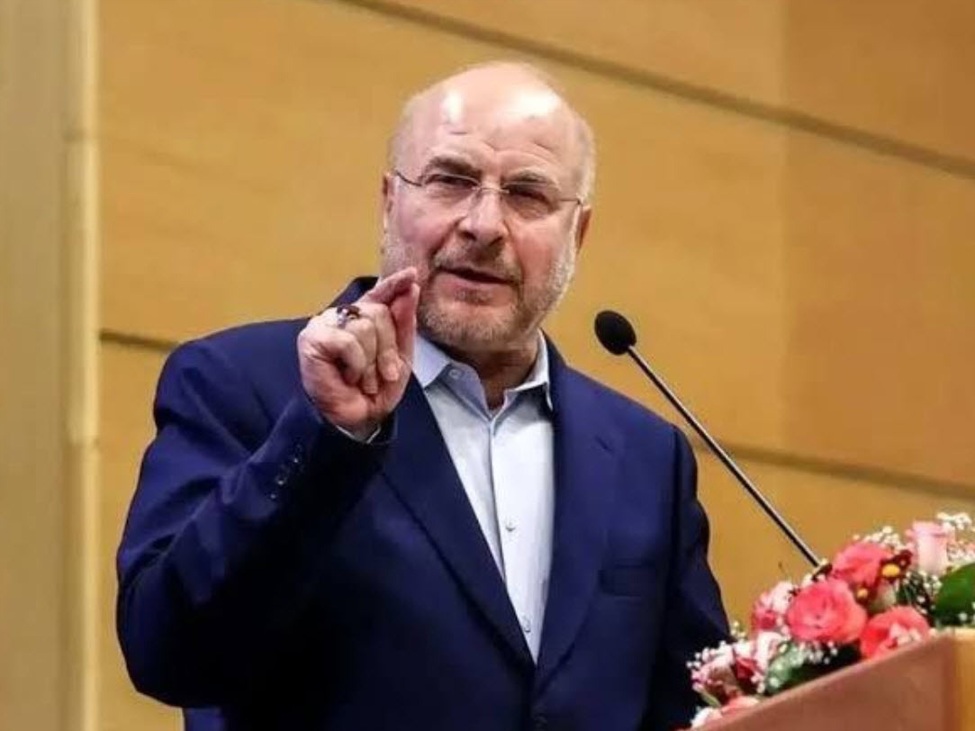
Iran's top negotiator Ghalibaf: We gain concessions not with talks, but with missiles
We gain concessions not with talks, but with missilesWe have no trust in guarantees or wordsOnly actions are the measureNo action will be taken before the other side actsThe winner of any agreement is the one who is better prepared for war from the day afterIran’s chief negotiator and parliament speaker, Mohammad Bagher Ghalibaf, explicitly stated that Iran gains concessions not with talks, but with missiles, while emphasizing that Iran places little faith in diplomatic guarantees or verbal commitments.The remarks come amid ongoing diplomatic efforts between Iran and the United States, where negotiations have been complicated by deep mistrust, escalations in the Strait of Hormuz, and disagreements over sanctions, security arrangements, and Iran’s strategic capabilities. Ghalibaf has repeatedly argued that Washington has failed to rebuild Iranian trust despite multiple rounds of talks.According to Ghalibaf, negotiations are not viewed as a process built on confidence or goodwill, but as an arena where power determines outcomes. His statement that “only actions are the measure” reflects a longstanding principle within Iran’s revolutionary establishment: military leverage and demonstrated capability carry more weight than diplomatic assurances.The comment that “no action will be taken before the other side acts” also signals Tehran’s insistence on reciprocity. Iranian officials have increasingly argued that previous agreements failed because Iran made concessions in advance while waiting for promises from US to be fulfilled. Under this framework, any future deal would require tangible steps by the opposing side before Iran responds in kind.Perhaps the most significant part of Ghalibaf’s remarks was his assertion that “the winner of any agreement is the one who is better prepared for war from the day after.” The statement underscores a security-first mindset that continues to shape Iran’s strategic calculations. Rather than viewing diplomacy as an alternative to conflict, the doctrine suggests that negotiations are effective only when backed by credible military deterrence. This article was written by Giuseppe Dellamotta at investinglive.com. 🔗 Source 💡 DMK Insight The recent statements from Iran’s chief negotiator highlight a stark reality: geopolitical tensions are escalating, and this could have significant implications for global markets, especially oil and currencies. Traders should be acutely aware that rhetoric around military preparedness can lead to volatility in oil prices, which are already sensitive to geopolitical events. If tensions rise, we could see a spike in crude oil prices, affecting not just energy stocks but also currencies of oil-exporting nations. Look for key resistance levels in oil futures; a breach could trigger a wave of speculative buying. Additionally, keep an eye on the USD as safe-haven demand might increase, impacting forex pairs like USD/JPY. On the flip side, if diplomatic efforts somehow yield unexpected results, we could see a sharp reversal in these trends. But right now, the focus should be on monitoring military developments and their potential market impacts. Watch for any significant news over the coming weeks that could shift the current narrative. 📮 Takeaway Traders should monitor oil prices closely for potential spikes due to rising geopolitical tensions, especially if key resistance levels are breached.