Bitcoin
  Ethereum
  Tether
  XRP
XRP  BNB
BNB  USDC
USDC  Solana
  TRON
TRON  Lido Staked Ether
  Figure Heloc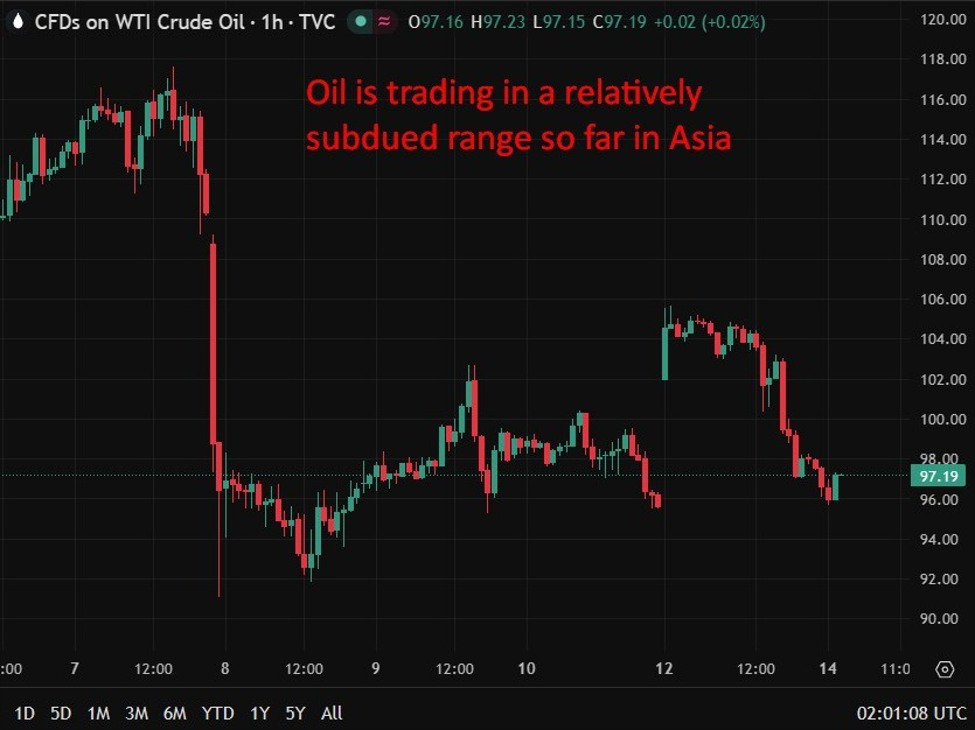
HSBC warns energy shock will persist without Middle East peace deal.Summary:HSBC warns peace deal key to restoring energy flows
Oil near $100 as Hormuz disruption persists
~10mb/d supply already impacted, more at risk
Energy-driven inflation seen rising
Growth outlook increasingly uncertain
Central banks may stay on holdHSBC Chair Brendan Nelson warned that restoring global energy flows hinges on a peace agreement in the Middle East, with the ongoing conflict posing a growing risk to inflation and global growth.Speaking at the HSBC Global Investment Summit in Hong Kong, reported by Reuters, Nelson said energy markets will remain under pressure for as long as geopolitical uncertainty persists. Oil prices have surged since the Iran conflict began and are holding near $100 per barrel, reflecting sustained concerns over supply disruptions linked to the Strait of Hormuz, a key transit route for roughly 20% of global oil and gas flows.Nelson cautioned that current forecasts for global growth, trade, and inflation should be treated with care, as the full economic impact of the conflict has yet to materialise. He highlighted the risk that prolonged disruption will amplify second-round effects, with higher energy costs feeding into broader inflation while simultaneously weighing on economic activity.The outlook for policy is also shifting. Nelson suggested that tighter financial conditions—driven by higher market rates—could keep central banks in the United States, Europe, and the United Kingdom on hold this year, even as inflation risks remain elevated.The backdrop has been further complicated by the breakdown in diplomatic efforts and the escalation in maritime tensions. The U.S. Navy has moved to enforce a blockade around the Strait of Hormuz, intensifying concerns over supply.Analysts estimate that around 10 million barrels per day of crude supply have already been effectively removed from the market, with the potential for an additional 3 to 4 million barrels per day to be curtailed if the blockade persists.Overall, Nelson’s remarks underline a fragile global outlook, where energy market disruption is increasingly shaping inflation dynamics and constraining growth prospects.
This article was written by Eamonn Sheridan at investinglive.com.
💡 DMK Insight
HSBC’s warning about ongoing energy shocks is a wake-up call for traders: the oil market’s volatility isn’t going away anytime soon. With oil prices hovering near $100 and disruptions in the Hormuz Strait affecting around 10 million barrels per day, the implications for inflation and growth are significant. Traders should be cautious as energy-driven inflation could push central banks to maintain or even tighten their stances, impacting everything from equities to forex pairs. If peace isn’t achieved in the Middle East, expect further supply risks, which could lead to a spike in oil prices and broader market instability. Keep an eye on key technical levels in oil; a sustained break above $100 could trigger more aggressive buying, while a drop below recent support levels may signal a correction. On the flip side, if a peace deal is reached, we could see a rapid decline in oil prices, which would shift market sentiment significantly. Watch for any news on diplomatic efforts and be ready to adjust positions accordingly.
📮 Takeaway
Monitor oil prices closely; a sustained break above $100 could lead to increased volatility across markets, while peace talks could shift sentiment dramatically.