 Bitcoin
  Ethereum
  Tether
  XRP
XRP  BNB
BNB  USDC
USDC  Solana
  TRON
TRON  Lido Staked Ether
  Figure Heloc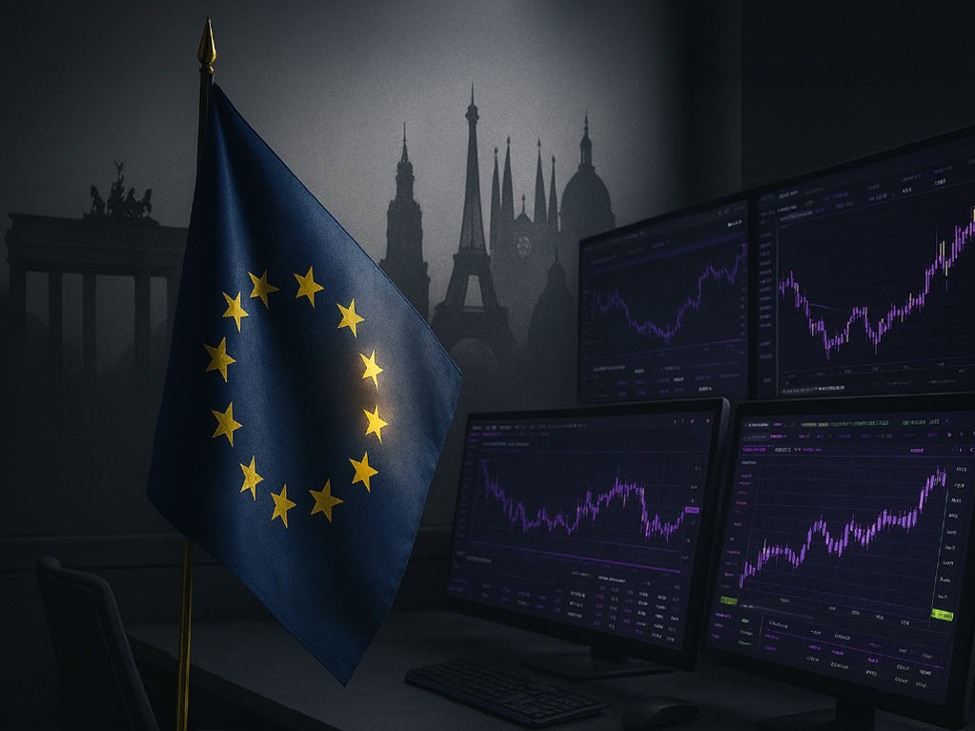
Prior 49.5Germany’s improvement is the main story driving the recovery in the euro area manufacturing sector to start the new year. Hopes of a sustained return to growth is making for a more optimistic picture at the moment. The headline reading is a 44-month high with the manufacturing output index also moving up to 51.9, its highest in six months.The only slight concern is that the latest survey data signalled an intensification of inflationary pressures. That as input prices rose sharply to a 38-month high while output charges registered a back-to-back monthly rise
for only the second time in almost three years.HCOB notes that:“This seems to be a broad-based recovery of the eurozone manufacturing sector, with six out of the eight surveyed countries
now in growth territory. Germany’s industry, which experienced a big jump in the headline PMI, has returned to growth for
the first time in three-and-half years. Among the four economic powerhouses of Europe, Germany is showing the fastest
growth rate in manufacturing. To be sure, we are not talking about a boom, but a moderate recovery coming from a low
activity level amid persisting structural challenges like high energy prices, intense competition from China and US tariffs,
among other things.
“Input price increases have now accelerated for four straight months and even picked up sharply in February. Several survey
participants pointed to higher energy and metal prices, as well as the carbon capture adjustment mechanism that kicked in
at the start of the year. Companies were able to pass part of these cost increases on to customers, but it’s likely that their
margins still took a bit of a hit.
“Companies of the manufacturing sector are quite optimistic about their ability to sell more goods in the future and their
expectations for production are even higher than they were one month before. This good mood comes especially from Italy
and Germany. In Germany, this is most probably to do with higher public spending in infrastructure and defence, from which
Italy, as one of the main trading partners of Germany, may also take some advantage. A similar development can be seen in
the context of new orders. They have increased in the eurozone and this is driven by Germany and Italy, while factories in
France and Spain are faced with fewer new orders.”
This article was written by Justin Low at investinglive.com.
💡 DMK Insight
Germany’s manufacturing recovery is a big deal for traders, especially with the output index hitting a 44-month high. This uptick signals potential strength in the euro area, which could lead to a stronger euro against the dollar. Traders should keep an eye on how this affects the EUR/USD pair, particularly if it breaks above key resistance levels. A sustained rally could attract institutional interest, pushing the euro higher. But here’s the flip side: if this optimism doesn’t translate into actual growth or if inflation concerns resurface, we might see a quick reversal. Watch for any economic data releases in the coming weeks that could either support or undermine this bullish sentiment. For now, the focus should be on the euro’s performance against the dollar, especially if it approaches recent highs. A breakout could signal a shift in market sentiment, while failure to maintain momentum might lead to profit-taking.
📮 Takeaway
Monitor the EUR/USD pair closely; a breakout above recent highs could signal a bullish trend, while any economic data could shift sentiment quickly.