
 Bitcoin
  Ethereum
  Tether
  XRP
XRP  BNB
BNB  USDC
USDC  Solana
  TRON
TRON  Lido Staked Ether
  Figure Heloc
 India Cumulative Industrial Output up to 4% in January from previous 3.9% 🔗 Source 💡 DMK Insight India’s industrial output rising to 4% from 3.9% is a signal for traders to watch closely. This uptick, while modest, suggests a potential strengthening in economic activity, which could influence currency pairs like INR/USD. If this trend continues, it might lead to increased investor confidence, impacting both forex and commodity markets. Traders should keep an eye on related sectors, particularly manufacturing and exports, as they could see a ripple effect from this growth. However, it’s worth questioning whether this growth is sustainable or just a temporary blip, especially in light of global economic pressures. Watch for any revisions in upcoming data releases, as they could shift market sentiment quickly. For now, keep an eye on the 4% mark as a psychological level; a sustained move above could indicate further bullish momentum in the Indian economy, while any reversal might signal caution. 📮 Takeaway Monitor the 4% industrial output level closely; a sustained rise could boost INR/USD and related markets.

India Manufacturing Output down to 4.8% in January from previous 8.1%
India Manufacturing Output down to 4.8% in January from previous 8.1% 🔗 Source 💡 DMK Insight India’s manufacturing output dropping to 4.8% from 8.1% is a red flag for traders. This significant decline indicates potential economic slowdown, which could impact currency pairs like USD/INR. A weaker manufacturing sector often leads to reduced demand for imports and can affect the Indian Rupee’s stability. Traders should keep an eye on the Reserve Bank of India’s response, as they might adjust monetary policy to stimulate growth. If the output continues to fall, we could see increased volatility in the forex market, especially around key support and resistance levels for the Rupee. Look for the 82.00 level on USD/INR as a critical watchpoint; a break above could signal further weakness in the Rupee. On the flip side, if the manufacturing output rebounds in the coming months, it could restore confidence and strengthen the Rupee. Monitoring upcoming economic indicators and the global market’s reaction will be crucial for positioning trades effectively. 📮 Takeaway Watch the 82.00 level on USD/INR; a break above could indicate further weakness in the Indian Rupee amid declining manufacturing output.

EUR/USD: Energy shock challenges recovery story – ING
ING’s Chris Turner says higher energy prices are forcing investors to reassess optimism on European industry and the Euro. With Investors have been overweight the Euro and European assets, EUR/USD is coming under pressure. 🔗 Source 💡 DMK Insight Higher energy prices are shaking up Euro sentiment, and here’s why that matters: With Chris Turner from ING pointing out that rising energy costs are making investors rethink their bullish stance on European industry, the pressure on EUR/USD is palpable. If investors have been overweight on the Euro, this shift could lead to significant profit-taking or even a reversal in positions. Traders should keep an eye on key technical levels—if EUR/USD breaks below recent support, it could trigger further selling. The broader context here is that energy prices often correlate with inflation expectations, which can impact ECB policy decisions. If inflation continues to rise due to energy costs, the ECB might be forced to act more aggressively, complicating the Euro’s outlook. But here’s the flip side: if energy prices stabilize or decline, we could see a rebound in Euro sentiment. So, watch for any shifts in energy market trends and how they might influence the Euro. Keep an eye on the 1.05 level for EUR/USD; a break below could signal a deeper correction. 📮 Takeaway Monitor EUR/USD closely; a break below 1.05 could signal further downside as energy prices weigh on Euro sentiment.

GBP/USD Price Forecast: Sees fresh downside below 1.3300 amid geopolitical risks
The GBP/USD pair claws back its significant early losses during the European trading session on Monday, but is still 0.6% down to near 1.3400. 🔗 Source 💡 DMK Insight GBP/USD’s recovery from early losses is a signal worth noting for traders. Despite being down 0.6% to around 1.3400, the pair’s ability to bounce back indicates potential volatility ahead. Traders should consider that this movement could be influenced by broader market sentiment, particularly as economic indicators from the UK and US are set to release soon. If the pair can hold above 1.3350, it may suggest a bullish reversal, but a failure to do so could lead to further declines, possibly testing the 1.3300 support level. Keep an eye on related assets like EUR/USD, as shifts in GBP/USD often correlate with movements in the Euro, especially in times of economic uncertainty. Here’s the thing: while the immediate recovery is promising, the underlying fundamentals—such as inflation data and central bank policies—could quickly shift the narrative. Watch for any news that might impact market sentiment, particularly around the 1.3400 level, as it could dictate the next move for GBP/USD traders. 📮 Takeaway Monitor GBP/USD closely around the 1.3400 level; a hold above 1.3350 could signal a bullish reversal, while a drop below may trigger further declines.
USD: Safe-haven demand and Fed easing bets – TD Securities
TD Securities’ Global Strategy Team expects the US Dollar to benefit from safe-haven flows as markets react to the Iranian conflict. They anticipate that geopolitical risks will drive expectations for more Fed easing and note broad but measured Dollar buying in early trading. 🔗 Source 💡 DMK Insight The US Dollar is poised for a surge as geopolitical tensions rise, and here’s why that matters: TD Securities highlights that safe-haven flows are likely to increase due to the Iranian conflict, which could lead to a stronger Dollar. This shift in sentiment often precedes Fed policy adjustments, especially if the market anticipates more easing. Traders should keep an eye on how this dynamic plays out, particularly in the context of the Dollar Index. If we see sustained buying pressure, it could push the index above key resistance levels, signaling a potential bullish trend. Additionally, watch for correlations with gold and other safe-haven assets, as they often react inversely to the Dollar’s strength. But don’t overlook the flip side—if the Fed decides against easing, or if geopolitical tensions de-escalate, we could see a rapid reversal. So, monitoring Fed communications and geopolitical developments will be crucial in the coming weeks. Expect volatility, and be ready to adjust positions accordingly based on these evolving narratives. 📮 Takeaway Watch for the Dollar Index to break above key resistance levels as safe-haven flows increase, especially in response to geopolitical tensions.

Brent: War risk keeps upside in focus – Commerzbank
Commerzbank’s Chief Economist Dr. Jörg Krämer notes that Brent crude Oil has reacted only moderately so far to the Middle East war and effective closure of the Strait of Hormuz, briefly rising above $80 before easing. 🔗 Source 💡 DMK Insight Brent crude’s muted response to geopolitical tensions is a red flag for traders. Despite the war in the Middle East and the closure of the Strait of Hormuz, which typically sends oil prices soaring, Brent’s brief spike above $80 followed by a retreat suggests underlying weakness. This could indicate that traders are pricing in a potential overreaction or that demand concerns are overshadowing supply risks. Keep an eye on the $80 level; a sustained break below could trigger further selling, while a rebound might attract bullish sentiment. Additionally, monitor related assets like energy stocks and the US dollar, as their movements could provide clues about broader market sentiment. If Brent fails to hold above $80, it could signal a shift in market dynamics, leading to increased volatility in the oil sector and related markets. The real story here is whether this is a temporary dip or a sign of deeper issues in the oil market, especially as we head into winter months when demand typically rises. 📮 Takeaway Watch for Brent crude to hold above $80; a drop below could signal increased selling pressure and affect related markets.

When is the US ISM Manufacturing PMI data and how could it affect EUR/USD?
The United States (US) Institute of Supply Management (ISM) Manufacturing Purchasing Managers’ Index (PMI) data for February is due for release today at 15:00 GMT. 🔗 Source 💡 DMK Insight The upcoming ISM Manufacturing PMI release could shake up market sentiment significantly. Traders should be prepared for volatility, especially if the data deviates from expectations. A stronger-than-expected PMI could signal economic resilience, potentially boosting the dollar and impacting forex pairs like EUR/USD. Conversely, a weak reading might fuel concerns about economic slowdown, leading to a flight to safety in assets like gold or US Treasuries. Watch for immediate reactions in the forex market around the release time, as institutions and retail traders alike will be quick to adjust their positions based on the data. Keep an eye on the 50 level in the PMI, as readings above indicate expansion and below indicate contraction—this could set the tone for trading strategies in the coming weeks. 📮 Takeaway Monitor the ISM Manufacturing PMI release at 15:00 GMT; a reading above 50 could strengthen the dollar and impact forex pairs significantly.

Bitcoin traders eye Iran reactions as oil spike raises US 5% inflation risk
Bitcoin avoided a fresh breakdown around major geopolitical events in the Middle East, with BTC price targets now including $74,000 next. 🔗 Source 💡 DMK Insight Bitcoin’s resilience at $66,337 amidst geopolitical tensions is a strong signal for traders. The avoidance of a breakdown suggests bullish sentiment, especially with a target of $74,000 on the horizon. This could be a pivotal moment for day traders and swing traders alike, as the current price level acts as a support zone. If BTC can maintain above this level, it may attract more institutional interest, pushing the price higher. However, keep an eye on broader market trends and potential volatility stemming from ongoing geopolitical events, which could impact risk appetite across the board. On the flip side, if BTC fails to hold above $66,000, we might see a quick retracement that could shake out weaker hands. Watch for volume spikes around key news events, as they could indicate whether the bullish momentum is sustainable or just a temporary bounce. The next few days will be crucial for confirming this bullish outlook. 📮 Takeaway Watch for Bitcoin to hold above $66,000; a break could lead to a push towards $74,000, but volatility from geopolitical events remains a risk.

‘This is not World War III:’ Five things to know in Bitcoin this week
Bitcoin avoided an Iran sell-off to start March, but traders still expected BTC price support to give way in bearish market conditions. 🔗 Source 💡 DMK Insight Bitcoin’s current price of $66,337 is holding steady, but traders are on edge about potential support breakdowns. The recent avoidance of a sell-off linked to Iran is a relief, yet the broader bearish sentiment looms large. With market conditions still shaky, many are eyeing key support levels closely. If BTC fails to maintain its footing, we could see a cascade effect, impacting not just Bitcoin but also altcoins that typically follow its lead. Watch for the $65,000 mark; a breach could trigger further selling pressure. On the flip side, if Bitcoin can reclaim momentum above $68,000, it might signal a short-term bullish reversal, attracting more buyers. Keep an eye on trading volumes and sentiment indicators, as they can provide clues on whether the current support will hold or falter. The next few days will be critical for determining Bitcoin’s trajectory in this uncertain market. 📮 Takeaway Watch the $65,000 support level closely; a drop below could lead to increased selling pressure across the crypto market.
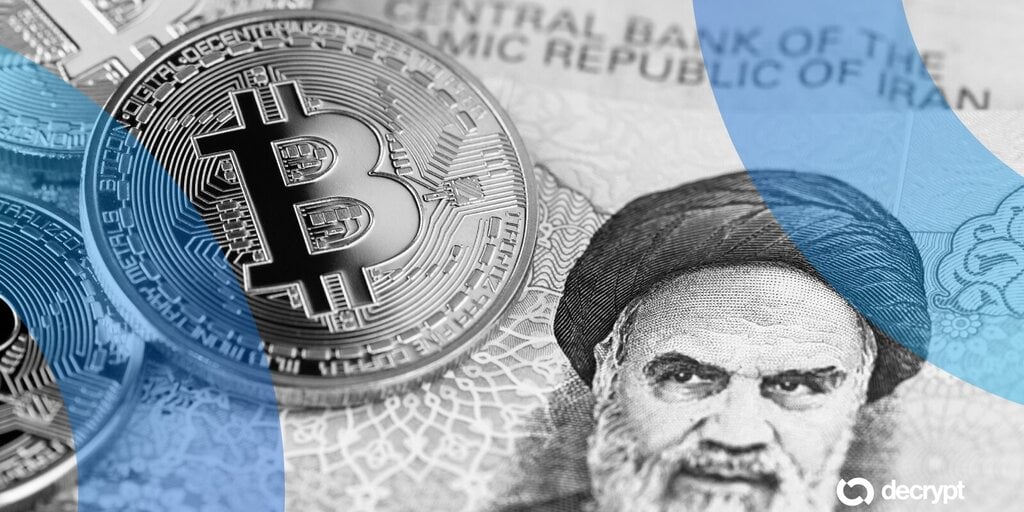
What the Iran Conflict Means for Bitcoin's Price
Attention has shifted to whether the Iran conflict remains contained, as Bitcoin traders weigh elevated oil prices and a rising gold price. 🔗 Source 💡 DMK Insight With ETH at $1,947.22, traders should be wary of geopolitical tensions impacting crypto markets. The rising oil and gold prices often signal inflationary pressures, which can lead to increased volatility in risk assets like Ethereum. If the Iran conflict escalates, we might see a flight to safety, pushing traders towards gold and potentially away from cryptocurrencies. This could create a short-term bearish sentiment for ETH, especially if it breaks below key support levels. Watch for ETH to hold above $1,900; a drop below could trigger further selling. On the flip side, if the situation stabilizes, ETH could benefit from renewed risk appetite. Keep an eye on market sentiment and any news developments regarding the conflict, as these could influence trading strategies significantly. Traders should also monitor oil prices closely, as they can affect overall market sentiment and liquidity. 📮 Takeaway Watch for ETH to maintain above $1,900; a break below could signal increased selling pressure amid geopolitical tensions.