
 Bitcoin
  Ethereum
  Tether
  BNB
BNB  XRP
XRP  USDC
USDC  Solana
  TRON
TRON  Lido Staked Ether
  Figure Heloc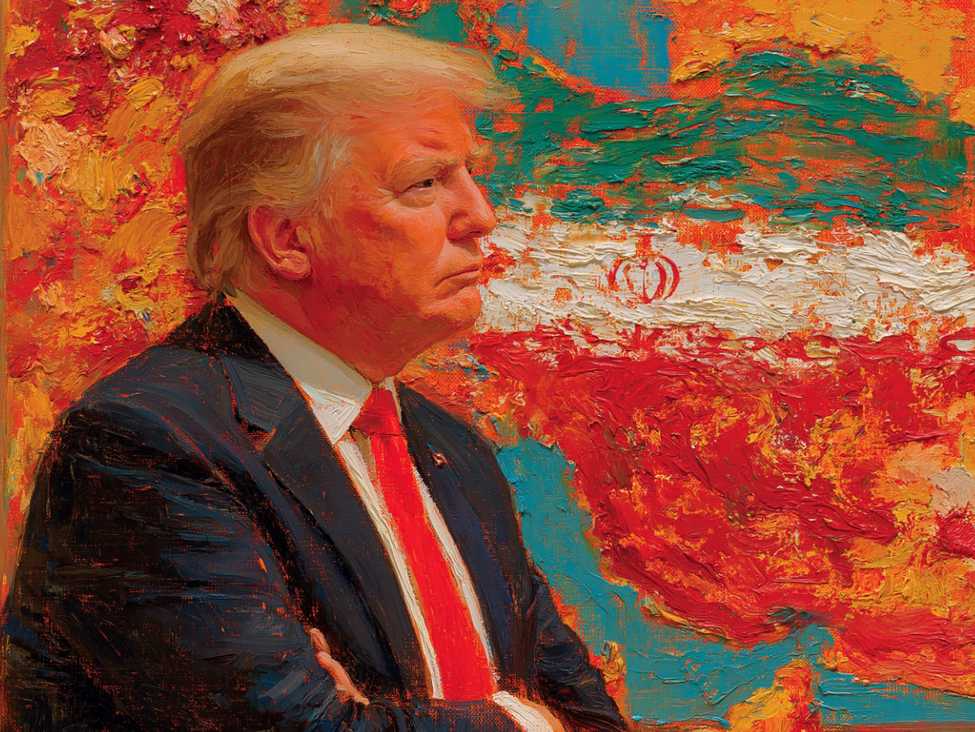
Full report hereTrump did not reach a final decision on a Memorandum of Understanding (MoU) with Iran during a nearly two-hour meeting in the White House Situation Room, according to a senior administration official familiar with the deliberations.The meeting came after Trump publicly suggested that a major breakthrough with Tehran could be imminent, outlining what he described as elements of a possible agreement involving the Strait of Hormuz, Iran’s nuclear activities, and broader regional security arrangements.However, despite the lengthy discussion among senior national security and foreign policy officials, no final approval was given for a new deal, the official said.According to the administration official, who spoke on condition of anonymity to discuss internal discussions, the White House believes negotiations are approaching a critical stage and that an agreement may be within reach. Nevertheless, several important issues remain unresolved and continue to prevent a final settlement.Among the most significant outstanding points is the question of frozen Iranian assets.The issue of whether, when, and under what conditions Iranian funds held abroad would be unfrozen has emerged as one of the principal obstacles in the final phase of negotiations. Iranian officials have repeatedly indicated that access to blocked assets and broader sanctions relief are essential components of any agreement, while US officials have debated the political and strategic implications of releasing funds to Tehran.The administration’s assessment contrasts with some of Trump’s recent public statements, which suggested that a framework had largely been agreed upon and that only final procedural steps remained. The official’s account indicates that while substantial progress may have been made, negotiators have yet to bridge all remaining differences.The disclosure also comes amid conflicting public messaging from Washington and Tehran. Iranian officials have insisted that no final agreement has been concluded and have emphasized that current discussions remain focused primarily on ending the conflict rather than negotiating long-term nuclear arrangements.At the same time, both sides have signaled that diplomatic efforts have intensified in recent weeks, raising expectations that a broader understanding could eventually emerge. Negotiators are reportedly working through issues involving regional security, maritime access in the Strait of Hormuz, sanctions, frozen assets, and the sequencing of commitments by both governments.While the White House remains optimistic that an agreement is close, the senior official said the negotiations have not yet reached the point where Trump is prepared to sign off on a final deal. Until the remaining disputes, particularly over Iranian funds, are resolved, the prospect of a comprehensive US-Iran agreement remains uncertain.The latest developments suggest that diplomacy between Washington and Tehran may be entering its most decisive phase, with both sides appearing closer to an agreement than at any point in recent months, yet still divided on several issues that could determine whether a final accord is ultimately achieved. This article was written by Giuseppe Dellamotta at investinglive.com. 🔗 Source
investingLive Americas FX news wrap: Trump touts naval blockade lift, progress toward deal
Trump did not reach a decision on any new deal with Iran after Situation Room meetingHow have interest rate expectations changed after this week’s event?Iran’s Baghaei: No agreement has been finalised with the United States so farFed’s Daly says she doesn’t see mass unemployment or displacement from AIBlockade lift announcement by Trump seen as first step toward broader US-Iran agreementIran’s Fars News says Iranian sources deny Trump’s latest commentsTrump: The US naval blockade will now be liftedTech sector surges while communication services face downturnTrump administration wants autos under USMCA to be at least 50% made in the US – WSJMajor US stock indices extend gains to new record highs on US-Iran deal optimismFed’s Paulson says healthy for markets to shift to tighter monetary policy outlookIran’s top negotiator Ghalibaf: We gain concessions not with talks, but with missilesFed’s Bowman says progress on lowering inflation has stalledUS April wholesale inventories +0.5% vs +0.8% expectedUS April advanced goods trade balance -$82.40 billion vs -$86.50 billion expectedCanada Q1 GDP -0.1% vs +1.5% expectedGermany May preliminary CPI +2.6% vs +2.9% y/y expectedThe highlight of the session was Trump’s announcement on Truth Social of the lifting of the US naval blockade and a “final determination” on a broader agreement to follow shortly in the White House Situation Room. This gave the positive risk sentiment a further boost, with oil prices extending losses. Iranian sources suggested the public blockade announcement was viewed as the first step in a wider framework that could eventually address regional security issues, sanctions, and future discussions on Iran’s nuclear program. Iranian sources pushed back on Trump’s characterization of the talks though. Sources cited by Iran’s Fars News Agency described Trump’s statements as a mixture of “truth and falsehood,” denied claims regarding the dismantling of Iran’s nuclear material, and insisted that no final agreement has been approved. Tehran reportedly maintains that discussions remain focused on ending the conflict and lifting the blockade, while key issues such as frozen Iranian assets, sanctions relief, and broader political conditions remain unresolved. Later reports indicated that Trump’s nearly two-hour Situation Room meeting ended without a final decision on a new agreement. According to US officials, the administration believes it is close to a deal, but significant sticking points remain, particularly regarding the unfreezing of Iranian funds and the sequencing of commitments by both sides. As a result, while markets interpreted the developments as a sign of diplomatic progress, negotiations continue and a formal agreement has yet to be finalized by either Washington or Tehran. Despite the noise, the constant push towards a deal continues to keep the markets supported.Federal Reserve officials collectively reinforced a cautious and generally neutral policy stance, emphasizing that inflation remains above target and that current interest-rate setting remains appropriate. Fed’s Bowman warned that progress on disinflation has stalled and said an extended Middle East-driven energy shock could add to inflation pressures later this year, though she argued against overreacting to temporary price spikes. Fed’s Paulson similarly stated that inflation was too high even before the recent geopolitical tensions, supported holding rates at mildly restrictive levels, and said it was healthy for markets to shift toward a tighter-for-longer policy outlook. Meanwhile, Fed’s Daly expressed confidence that monetary policy is well positioned to restore price stability without unnecessarily harming the economy, while highlighting the potential for AI-driven productivity gains to support growth and ease long-run inflationary pressures.On the economic data side, Germany’s headline CPI slowed to 2.6% on easing energy prices, but core inflation rose to 2.5% vs 2.3% in the prior month. Canada’s GDP grew just 0.1% in the first quarter, well below the 1.5% consensus forecast. The Canadian data has been consistently surprising to the downside lately which makes the market’s BoC rate hike expectations look off. In the US, trade and inventory data were more encouraging. The April advanced goods trade deficit narrowed to $82.4 billion from the expected $86.5 billion, suggesting net exports could provide a more favorable contribution to second-quarter GDP than previously anticipated. Meanwhile, wholesale inventories rose 0.5%, below the 0.8% forecast.Have a great weekend! This article was written by Giuseppe Dellamotta at investinglive.com. 🔗 Source 💡 DMK Insight The lack of a new deal with Iran is a significant geopolitical factor that could impact oil prices and, by extension, the forex market. Traders should be aware that uncertainty in Middle Eastern relations often leads to volatility in crude oil, which is a key indicator for currencies tied to oil exports, like the Canadian dollar and the Norwegian krone. With Fed officials downplaying the risk of mass unemployment from AI, the focus shifts back to interest rate expectations, which have been fluctuating based on economic data and geopolitical developments. If the Fed maintains a hawkish stance, we could see the dollar strengthen against other currencies, particularly if oil prices rise due to tensions in Iran. Here’s the thing: while mainstream coverage might focus on the immediate implications of the Iran situation, the broader context of Fed policy and its impact on inflation and employment is crucial. Traders should monitor the upcoming economic indicators, especially any inflation data, as these could influence the Fed’s next moves. Key levels to watch include the $80 mark for crude oil, which could trigger further volatility in related forex pairs. Keep an eye on how the market reacts to any new developments regarding Iran, as this could create trading opportunities in both oil and currency markets. 📮 Takeaway Watch for crude oil prices around $80 and monitor Fed interest rate signals, as these will impact forex pairs significantly.
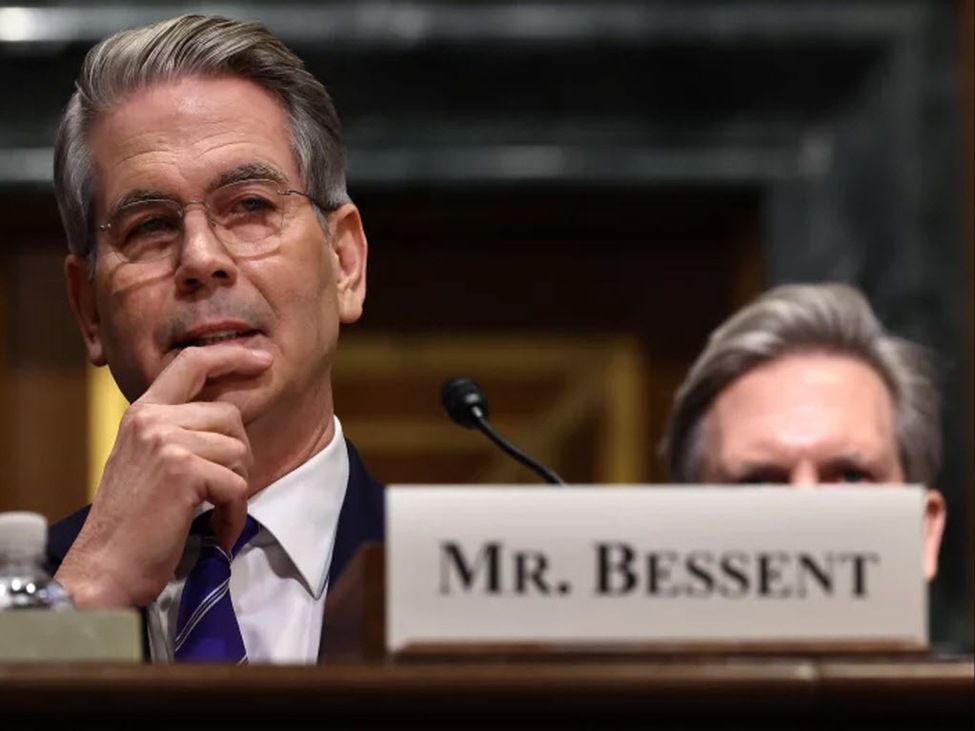
US Bessent on Iran blockade says anything that is taken off will be taken off slowly
On Iran blockade says anything that is taken off will be taken off slowlyThere are 3 scenarios on Iran: deal, no deal, or kinetic actionThere’s more we can do on Iran if we have toSee real wage growth to resume, on the other side of the war100% approve of the Fed getting rid of forward guidanceRates peaked the day before Warsh was sworn inPeople have a wrong notion of what a strong dollar meansA strong dollar means doing the right things for the economyWhen asked about maintaining the dollar as a reserve currency he said nothing has changedUS Treasury Secretary Scott Bessent said the administration remains committed to pursuing a diplomatic resolution with Iran but warned that alternative options remain on the table if negotiations fail, while also offering a robust defense of the Federal Reserve’s evolving policy framework and the long-term strength of the US dollar.Speaking about ongoing discussions with Iran, Bessent indicated that any easing of restrictions related to the US naval blockade would be implemented gradually rather than all at once.He outlined what he described as three possible paths forward for the standoff with Iran: a negotiated agreement, a failure to reach a deal, or military action.While emphasizing the administration’s preference for diplomacy, Bessent stressed that the US retains additional tools if negotiations break down.On the domestic economy, Bessent struck an optimistic tone, arguing that real wage growth could strengthen once the current geopolitical conflict subsides and uncertainty begins to fade.Bessent also weighed in on monetary policy, offering strong support for the Federal Reserve’s decision to move away from explicit forward guidance as a central communication tool.The comments reflect a growing view among some policymakers that excessive reliance on pre-signaled policy paths can reduce flexibility and create market distortions when economic conditions change unexpectedly. Bessent suggested that a more data-dependent approach allows policymakers to respond more effectively to evolving economic circumstances.Turning to the dollar, Bessent rejected what he described as common misconceptions about currency strength. Rather than focusing solely on the exchange rate, Bessent argued that a strong dollar should be understood as the product of sound economic policy, sustainable growth, and confidence in US institutions.His remarks come amid ongoing debate over whether a stronger or weaker currency better serves US economic interests. Bessent’s comments suggest the administration continues to view the dollar’s strength as a reflection of broader economic fundamentals rather than a specific exchange-rate target.When asked about maintaining the dollar’s status as the world’s primary reserve currency, Bessent sought to reassure markets that there had been no change in policy.The statement is likely aimed at reinforcing confidence in the dollar’s central role in global finance at a time when some geopolitical rivals have sought to reduce their dependence on the US currency for international trade and reserves. This article was written by Giuseppe Dellamotta at investinglive.com. 🔗 Source

United States Chicago PMI above forecasts (50.5) in May: Actual (62.7)
United States Chicago PMI above forecasts (50.5) in May: Actual (62.7) 🔗 Source 💡 DMK Insight Chicago PMI smashing expectations is a big deal for traders right now. A reading of 62.7, well above the forecast of 50.5, signals robust economic activity, which could lead to tighter monetary policy from the Fed. This is crucial for traders in both the forex and equity markets, as stronger economic indicators often lead to a stronger dollar and could pressure stocks, especially those sensitive to interest rates. Keep an eye on the USD pairs, particularly USD/JPY and EUR/USD, as they might react sharply to this news. If the dollar strengthens, it could push USD/JPY above key resistance levels, while EUR/USD might test support. But here’s the flip side: if the market overreacts, we could see a pullback as traders take profits. Watch for volatility in the coming days, especially around Fed announcements or economic data releases. The real story is how this PMI reading could shift sentiment and trading strategies, especially for those holding long positions in equities or short positions in the dollar. Monitor the next few days for any signs of trend reversals or confirmations in these pairs. 📮 Takeaway Watch USD/JPY for potential breakout above resistance levels following the strong Chicago PMI reading, as it could signal a shift in market sentiment.

"Progress on lowering inflation has stalled": Fed's Bowman takes aim at Iran war
Federal Reserve (Fed) Governor Michelle Bowman said progress on lowering inflation has stalled while discussing the economic outlook and monetary policy in a speech at a conference in Iceland on Friday. Bowman claimed that the longer the Iran war continues, the greater the risks to inflation become. 🔗 Source 💡 DMK Insight Bowman’s comments on stalled inflation progress are a wake-up call for traders: inflation risks are still looming. With the ongoing Iran conflict, geopolitical tensions could further disrupt supply chains, impacting commodity prices and inflation metrics. Traders should keep an eye on how these developments might influence the Fed’s next moves, especially if inflation data doesn’t improve. If inflation remains stubbornly high, we could see a shift in interest rate expectations, which would affect both forex and crypto markets. Watch for key economic indicators like CPI and PCE in the coming weeks, as these will provide insight into whether the Fed will maintain its current stance or pivot. On the flip side, if inflation shows signs of easing despite these risks, it could lead to a bullish sentiment in risk assets. But right now, the uncertainty is palpable, and traders should be prepared for volatility. Keep an eye on the 10-year Treasury yield as a barometer for market sentiment regarding inflation and interest rates. 📮 Takeaway Monitor inflation indicators closely; any signs of persistent inflation could trigger shifts in Fed policy and affect both forex and crypto markets.

Stratospheric valuation expected for SpaceX IPO
As IPOs go you couldn’t get a more exciting one than the prospect of a company that sends rockets into orbit, and then is able to land the boosters back on the ground to be reused again. 🔗 Source 💡 DMK Insight So SpaceX’s IPO is generating buzz, and here’s why that matters for traders: the aerospace sector is heating up. With reusable rockets, SpaceX is not just innovating; they’re potentially reshaping the entire launch industry. This could lead to increased investor interest in related stocks, especially those in aerospace and technology. Traders should keep an eye on how this IPO affects broader market sentiment. If SpaceX’s valuation exceeds expectations, it could trigger a rally in other aerospace stocks, creating a ripple effect. Conversely, if the IPO underperforms, it might dampen enthusiasm for tech IPOs in general. Watch for key price levels in related companies and be prepared for volatility as the market digests this news. The real story is how this could impact investor confidence in high-growth sectors, especially as we approach year-end earnings reports. 📮 Takeaway Monitor SpaceX’s IPO closely; a strong performance could boost related aerospace stocks, while a weak showing might signal caution in tech IPOs.

Australian Dollar climbs as improving US-Iran ceasefire hopes pressure US Dollar
The AUD/USD pair advances toward the 0.7180 region on Friday as the United States (US) Dollar (USD) remains under pressure amid improving market sentiment linked to renewed hopes for a longer-lasting ceasefire agreement between the US and Iran. 🔗 Source 💡 DMK Insight The AUD/USD is pushing toward 0.7180, and here’s why that matters: the US Dollar is feeling the heat from easing geopolitical tensions. Improved market sentiment often leads to risk-on behavior, which typically benefits commodity-linked currencies like the AUD. If the ceasefire talks between the US and Iran hold, we could see further gains in the AUD as traders shift away from the safety of the USD. Keep an eye on the 0.7200 resistance level; a break above could trigger more buying momentum. But don’t ignore the flip side—if the ceasefire falters or economic data from the US surprises to the upside, the USD could rebound sharply. Watch for any economic releases next week that might shift sentiment back toward the dollar. For now, the AUD/USD is a key pair to monitor, especially with the potential for volatility in the coming days. 📮 Takeaway Watch for a break above 0.7200 in the AUD/USD; a sustained move could signal further upside amid improving market sentiment.

Colombia National Jobless Rate meets forecasts (8.8%) in April
Colombia National Jobless Rate meets forecasts (8.8%) in April 🔗 Source 💡 DMK Insight Colombia’s jobless rate holding steady at 8.8% is a mixed bag for traders: On one hand, it meets forecasts, suggesting stability in the labor market, which could support consumer spending and economic growth. However, this figure also reflects ongoing challenges in job creation, particularly in sectors heavily impacted by global economic shifts. For forex traders, the Colombian peso might see some volatility as investors weigh this news against broader economic indicators, especially if inflationary pressures continue to rise. Keep an eye on the USD/COP pair; if the peso strengthens, it could signal confidence in Colombia’s economic resilience. But here’s the flip side: if job creation doesn’t pick up, it could lead to a weaker peso in the long run. Traders should monitor upcoming economic reports for any shifts in employment trends or inflation data, as these will be crucial in shaping market sentiment. Watch for any significant moves around key support or resistance levels in the USD/COP, particularly if the rate approaches recent highs or lows. 📮 Takeaway Watch the USD/COP pair closely; any significant shifts in job creation or inflation data could trigger volatility in the Colombian peso.

Breaking: US President Trump says naval blockade will be lifted
In a post published on Truth Social on Friday, United States (US) President Donald Trump said that the naval blockade will be lifted and ships caught in the Strait of Hormuz may start the process of “heading home.” 🔗 Source 💡 DMK Insight Trump’s announcement about lifting the naval blockade in the Strait of Hormuz could shift oil prices significantly. With geopolitical tensions often dictating market movements, this news might ease concerns over supply disruptions in a region critical for global oil transport. Traders should keep an eye on crude oil futures, especially if prices have been reacting to heightened tensions. If the blockade is indeed lifted, we could see a drop in oil prices, potentially testing key support levels. Conversely, if the situation escalates again, expect volatility. Watch for reactions in related assets like energy stocks and ETFs, as they often mirror oil price movements. Keep an eye on the daily charts for crude; a break below recent lows could signal further downside, while a rebound might suggest renewed bullish sentiment. The real story here is how quickly traders react to this news—timing could be everything in the coming days. 📮 Takeaway Monitor crude oil futures closely; a confirmed lift of the blockade could lead to a price drop, testing key support levels.
Canadian Dollar recovers as softer US Dollar offsets pressure from weak GDP data
USD/CAD reverses its intraday gains on Friday as a softer US Dollar (USD) helps the Canadian Dollar (CAD) recover from weakness driven by softer-than-expected Gross Domestic Product (GDP) figures. 🔗 Source 💡 DMK Insight The USD/CAD reversal signals a critical shift—here’s why it matters now: With the Canadian Dollar gaining ground against a softer US Dollar, traders should pay attention to the implications of recent GDP data. The weaker-than-expected GDP figures suggest potential economic headwinds for the US, which could keep the USD under pressure. This scenario is particularly relevant for day traders and swing traders looking to capitalize on volatility. If the CAD continues to strengthen, it could break key resistance levels, potentially leading to a more sustained bullish trend. Watch for the CAD to test levels around 0.25, which could trigger further buying interest. On the flip side, if the USD finds support and reverses this trend, it could lead to a quick sell-off in CAD pairs. Keep an eye on economic indicators from both countries, especially any upcoming employment data or central bank comments that could shift sentiment. The immediate focus should be on the 0.23 level for CAD; a break below could signal a return to bearish sentiment. 📮 Takeaway Watch the 0.23 level for USD/CAD; a break could signal further CAD strength, while resistance at 0.25 is key for bullish momentum.