
 Bitcoin
  Ethereum
  Tether
  BNB
BNB  XRP
XRP  USDC
USDC  Solana
  TRON
TRON  Lido Staked Ether
  Figure Heloc
Given the fallout from the Middle East conflict, this isn’t surprising. We’ve seen a similar episode before during the Russia-Ukraine war, so this will very much follow the same path. As energy prices keep higher, expect that to have a more significant toll on the French trade balance in the months to come.For some context, France imports nearly 99% of its fossil fuel consumption. So, one can reasonably expect that to balloon much higher especially if energy prices continue to hold higher – even if not surging to fresh highs. Physical prices remain elevated, even if the situation this week might reflect some calm in futures prices.The DE category marked above covers everything from crude oil, natural gas, coal, and imported power. The only thing that isn’t covered is refined gasoline, which falls under the C2 category.So, keep an eye out for this one as it will continue to keep the French trade deficit in a tough spot in the months ahead. This article was written by Justin Low at investinglive.com. 🔗 Source

Reaching understandings for the gradual reopening of the Strait of Hormuz – Al Arabiya
Intense communications to gradually reopen the Strait of HormuzReaching understandings regarding easing the siege in exchange for the gradual opening of the Strait of Hormuz The coming hours will witness a breakthrough for the situation of the ships stuck in the straitIntense diplomatic communications are currently underway as regional and international mediators work to secure a breakthrough regarding the standoff in the Strait of Hormuz. According to reports from Al Arabiya on X citing informed Arabic sources, these discussions are aimed at establishing a framework to gradually reopen the vital waterway, which has seen restricted movement following recent escalations. The negotiations are centered on reaching comprehensive understandings that would see a reciprocal easing of the existing naval siege in exchange for the phased restoration of maritime traffic through the strait.These sources indicate that the primary objective of the current mediation is to de-escalate the immediate humanitarian and economic pressures caused by the blockade. The proposed deal suggests a quid pro quo arrangement where international pressures and naval restrictions are softened as the strait becomes increasingly accessible to commercial vessels. This gradual approach is designed to build trust between the conflicting parties while ensuring that security concerns are addressed at each stage of the reopening process.The situation for numerous commercial ships currently stuck in and around the strait remains a priority for the negotiators. The same Arabic sources suggest that the coming hours are expected to witness a significant breakthrough regarding the status of these stranded vessels. If the understandings hold, a coordinated plan will be implemented to allow these ships to resume their journeys, effectively ending the period of maritime paralysis that has threatened global supply chains and regional stability.Oil prices extended the losses on the news and risk assets got a boost as the hopes for the end of the war and the reopening of the Strait continue to build. This article was written by Giuseppe Dellamotta at investinglive.com. 🔗 Source 💡 DMK Insight The potential reopening of the Strait of Hormuz could significantly impact oil prices and related markets. This strait is a critical chokepoint for global oil shipments, and any easing of tensions could lead to a surge in supply, affecting both Brent and WTI crude prices. Traders should be on alert for volatility in oil markets as news unfolds, especially if diplomatic efforts yield tangible results in the coming hours. But here’s the flip side: if negotiations falter or if there’s a sudden escalation in tensions, we could see a spike in oil prices as traders rush to hedge against supply disruptions. Keep an eye on technical levels around $80 for WTI and $85 for Brent; a breach above these could signal a bullish trend, while failure to stabilize could lead to a bearish reversal. Watch for updates on diplomatic communications, as they could dictate market sentiment and price movements in the short term. 📮 Takeaway Monitor oil prices closely; a breakthrough in Strait of Hormuz negotiations could push WTI above $80 and Brent above $85.

German construction activity slumps hard in April as cost pressures continue to build
Construction PMI 42.1Prior 48.0That’s a rough one as the German construction sector slides deeper into contraction territory amid the fallout from the Middle East conflict. Surging energy prices is translating to higher price pressures and that in turn is weighing on overall activity on the month.The steep fall in total activity at the start of the second quarter was led by the housing sector but there was also a sharp decline in commercial activity too. Meanwhile, civil engineering activity was virtually unchanged on the month but eases after growth in the last five months.The latest data points to a sustained deterioration in demand conditions across the German construction sector. And for the most part, higher costs are to blame. New orders declined at its quickest pace in over a year with firms reported a decrease in inflows of new work citing hesitancy among customers, sluggish economic conditions and price pressures.Of note, input cost inflation rose sharply again after its largest single-month rise in the series history back in March. This time, the jump sees it climb to the highest since May 2022. That as the Middle East conflict is leading to higher prices of energy, fuel and various commodities. This article was written by Justin Low at investinglive.com. 🔗 Source 💡 DMK Insight Germany’s Construction PMI dropped to 42.1, signaling deeper contraction and raising red flags for traders. This decline reflects not just local issues but also the broader impact of surging energy prices, which are likely to squeeze margins across sectors. For traders, this could mean heightened volatility in related markets, especially in energy stocks and the euro. If the PMI continues to trend downward, we might see a ripple effect on the DAX and other European indices, as investor sentiment could shift to risk-off mode. Watch for key support levels in the DAX around recent lows, as a break could trigger further selling pressure. Here’s the thing: while mainstream coverage might focus solely on the construction sector, the implications for overall economic health are significant. If energy prices remain elevated, we could see a cascading effect on consumer spending and business investment, which are critical for recovery. Keep an eye on the upcoming economic indicators and geopolitical developments that could influence energy prices and, by extension, market sentiment. 📮 Takeaway Monitor the DAX for support levels; a break below recent lows could signal increased selling pressure amid ongoing energy price concerns.

ECB policymaker Villeroy urges against speculating on timing of potential rate hike
ECB’s François Villeroy, Governor of the Banque de France, cautioned against premature speculation regarding the timing of future interest rate hikes. Villeroy has been emphasising that the ECB must remain “data-driven, not date-driven”. He recently said that the ECB needs “critical mass of data” before considering rate hikes and added that any tightening would depend above all on signs that inflation is spreading beyond its initial drivers, particularly through underlying price pressures.He noted that while the next move for the ECB is “highly likely to be upwards” a focus on specific months, such as June, is premature. In a recent panel he said that “there is no predetermined calendar” and that “our vigilance is first and foremost on the risk of persistence”.Villeroy has been one of the most “dovish” members lately and his views are in stark contrast with the majority of other voters. He’s also retiring in early June, so his remarks carry much less weight.The market is pricing in a 71% chance of a rate hike in June and a total of 55 bps of tightening by year-end. The only thing that could deter the ECB from hiking in June would be the reopening of the Strait of Hormuz and oil prices falling significantly. This article was written by Giuseppe Dellamotta at investinglive.com. 🔗 Source 💡 DMK Insight Villeroy’s comments signal a cautious ECB stance, and here’s why that matters for traders: By emphasizing a data-driven approach, the ECB is likely to keep interest rates steady in the near term, which could stabilize the euro against the dollar. Traders should watch for upcoming economic data releases, particularly inflation and employment figures, as these will be pivotal in shaping ECB policy. If inflation remains stubbornly high, it could force the ECB’s hand sooner than expected, creating volatility in both forex and bond markets. Conversely, weaker data could lead to a prolonged period of low rates, favoring riskier assets like equities and crypto. The euro currently faces resistance around key levels, so any shifts in sentiment could trigger significant moves. Keep an eye on the euro’s performance against the dollar, especially if it approaches recent highs or lows, as these levels could dictate short-term trading strategies. In the broader context, the ECB’s cautious approach contrasts with the Fed’s more aggressive stance, which could lead to further divergence in monetary policy. This divergence might create opportunities for currency pairs like EUR/USD, especially if traders start positioning for a potential rate hike or a dovish pivot from the Fed. Watch for the next ECB meeting and key economic indicators to gauge market sentiment. 📮 Takeaway Monitor upcoming inflation and employment data closely; they could dictate ECB’s rate decisions and impact EUR/USD trading strategies significantly.
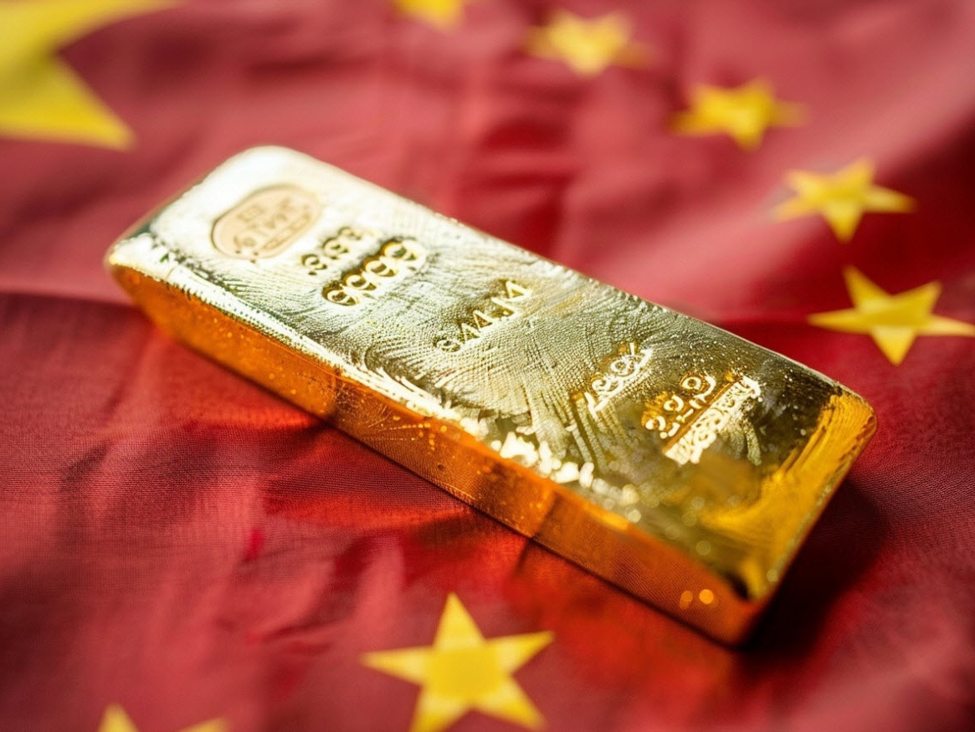
China keeps up with the gold buying spree as reserves climb for a 18th straight month
China gold reserves at the end of April 2026: 74.64 million troy ouncesIn March 2026: 74.38 million troy ouncesChina gold reserves value at the end of April 2026: $344.17 billionIn March 2026: $342.76 billionThe reserves quantity shows another month of increase, with this being the 18th straight month of buying by Beijing. It’s no surprise that China has been a big buyer of gold but the trend here continues to reaffirm the narrative of central banks wanting to secure more of the precious metal amid the volatile financial and market environment driven by US policies.Let’s be reminded that it wasn’t just too long ago that the world was captivated by gold almost doubling in price since 2025. And that hot streak culminated in a surging run to start the year to touch $5,600 before a correction hit. Then came the US-Iran war and leveraged trades were dealt a blow but amid the latest news this week, we’re starting to see gold prices move back up again.The precious metal is up nearly 3% this week to $4,747 now after the Monday low came close to clipping the $4,500 mark.Circling back to the headline above, it is worth to mention this again:”Going back to China’s holdings, do be reminded that the numbers above are what is “officially” being reported. It has been speculated for the longest of time already that Beijing has been buying way more gold than what is being advertised here… independent estimates from the likes of the World Gold Council suggest that China’s actual holdings may be double what they are reporting.” This article was written by Justin Low at investinglive.com. 🔗 Source 💡 DMK Insight China’s gold reserves are on a steady rise, and here’s why that matters for traders: With reserves increasing for 18 consecutive months, now totaling 74.64 million troy ounces, this trend signals a strong commitment from China to bolster its gold holdings. For traders, this could indicate a potential shift in global demand dynamics, especially as China continues to diversify its reserves away from the U.S. dollar. The value of these reserves has also climbed to $344.17 billion, reflecting not just quantity but also the rising price of gold, which could influence market sentiment. If this trend continues, we might see increased volatility in gold prices, particularly if geopolitical tensions escalate or if the dollar weakens further. Traders should keep an eye on key technical levels in gold, especially if it approaches resistance around recent highs. Watch for any shifts in central bank policies or economic indicators that could impact gold’s appeal as a safe haven asset. On the flip side, while this bullish trend in reserves is significant, it’s worth questioning whether the market has already priced in this demand. If gold prices pull back, it could present a buying opportunity for those looking to capitalize on long-term trends. 📮 Takeaway Monitor gold prices closely; a break above recent highs could signal further bullish momentum, while any pullbacks might offer strategic buying opportunities.

UK construction output slumps in April, posts steepest decline since November 2025
Construction PMI 39.7 vs 45.6 expectedPrior 45.6The reading reflects a sharp fall in overall business activity as surging inflation pressures are starting to weigh on demand conditions. There was a marked fall in new business in April, with a steep decline especially in civil engineering activity. House building also registered a notable drop in activity while commercial work did manage to show some resilience. That said, the drop in the latter is still the fastest so far recorded during the course of this year.Of note, total new business saw its sharpest decline since November last year. That as firms cite elevated business uncertainty due to the Middle East conflict leading to longer sales conversion times and fewer tender opportunities.Meanwhile, supplier delivery times also increased markedly on the month with the lengthening of average lead times being the sharpest since December 2022. This was mainly attributed to international shipping delays, alongside difficulties importing materials from the Gulf region.The big thing to note in the report though was that there was another big jump in input prices. The overall rate of cost inflation moved up by the quickest since June 2022 and many firms noted the passthrough of higher transportation costs by suppliers. Tough times. This article was written by Justin Low at investinglive.com. 🔗 Source 💡 DMK Insight The Construction PMI’s drop to 39.7 signals a troubling trend for the economy, and here’s why that matters: This sharp decline from the expected 45.6 indicates a significant slowdown in business activity, driven by inflationary pressures that are clearly starting to bite. For traders, this could mean a bearish outlook for construction-related stocks and sectors, particularly in civil engineering and housing. If demand continues to weaken, we might see further declines in related ETFs or stocks, which could also impact broader market sentiment. Keep an eye on the S&P 500 and construction sector indices as they could react negatively to this data. But here’s the flip side: if inflation pressures ease, we might see a rebound in construction activity, so watch for any changes in inflation metrics or Fed commentary. For now, the immediate focus should be on the 40 level in the PMI; a sustained drop below this could trigger more selling pressure across the board. Traders should also monitor upcoming economic reports for signs of stabilization or further deterioration. 📮 Takeaway Watch the 40 level in the Construction PMI; a sustained drop below could signal more bearish sentiment in construction stocks and related markets.

Eurozone March retail sales -0.1% vs -0.3% m/m expected
Prior -0.2%; revised to -0.3%Euro area retail sales dropped a little compared to the month before but the yearly estimate still reaffirms a steadier showing. The volume of retail trade was 1.2% higher in March this year relative to the same month last year. As for the monthly estimate, here’s the breakdown:Overall, it doesn’t really hint at much. Retail sales activity in the first quarter of the year feels relatively muted, declining in all three months.That doesn’t make for a good backdrop heading into Q2 amid fears of higher price pressures and increased economic uncertainty set to weigh on household sentiment.So, expect that to keep overall retail sales in a less optimistic spot as the US-Iran conflict drags on for a bit longer still. This article was written by Justin Low at investinglive.com. 🔗 Source 💡 DMK Insight Euro area retail sales dipped slightly, but the yearly growth hints at resilience in consumer spending. A monthly drop from -0.2% to -0.3% might raise eyebrows, but the 1.2% annual increase suggests that consumers are still willing to spend, which is crucial for economic recovery. Traders should keep an eye on how this affects the euro against major currencies, especially if the trend continues. If retail sales stabilize or improve, it could bolster the euro, impacting forex pairs like EUR/USD. Watch for key resistance levels around 1.10; a break above could signal bullish momentum. Conversely, if the monthly declines persist, it might lead to bearish sentiment, especially if inflation pressures remain high. The real story here is whether this yearly growth can translate into sustained monthly improvements, which would be a positive signal for the broader market. Keep an eye on upcoming economic indicators that could provide further clarity on consumer behavior and spending trends. 📮 Takeaway Monitor EUR/USD closely; a break above 1.10 could signal bullish momentum if retail sales stabilize.

Japan has to be mindful of further interventions amid IMF warning – Credit Agricole
Let’s just paint some colour to the backdrop on this whole issue. Now, the IMF guidelines suggest that exceeding three intervention instances within a six months period could lead to a reclassification of the exchange rate from “free-floating” to a standard “floating” regime.A reclassification technically isn’t the end of the world but its a signal that the government, not the market, is instead becoming the primary driver/influence of said exchange rate or currency. In a way, think of it as something similar to a credit downgrade of sorts.It’s mostly a credibility issue and might invite political connotations with other countries, or should I say the US in particular, being able to point the finger and accuse Japan of currency manipulation.But the worst case scenario for Japan is that if this whole thing were to play out, it’s yet another major sign of desperation. And you can bet that market players will be waiting to capitalise on that. As mentioned before, intervention is meant to be a signal play more than anything else. If used too frequently, it loses its effectiveness. I elaborated more on that here last week.Credit Agricole is out with a note on the above and outlines that Japan may only have two more chances to get things right before November:”The IMF has warned that Japan risks losing its free-floating status if it intervenes in its exchange rate more than three times in six months and/or each intervention phase lasts more than three days. Japan’s Finance Minister Satsuki Katayama has also recently referred to the IMF rule, but also maintains that authorities stand ready to take bold action against speculative action in FX. According to the IMF rule, Japan can conduct only two more interventions lasting three days or less before November.Investors have taken these headlines as a greenlight to push USD/JPY back higher and above the 157 level we have previously referred to as the new line in the sand for the MOF. Indeed, when approaching 158 today (6 May) in Asia, USD/JPY suddenly fell by over 1.5% suggesting another round of FX intervention. Liquidity could remain low the rest of the week as Japanese extend their holidays to the rest of the week and we think this lower liquidity offers opportunity for effective FX intervention.”Quite frankly, I disagree with their take on acting during low liquidity conditions. It might sound counter-intuitive because sure, there’s less resistance supposedly but larger price gaps mean that prices are filled based on absence and not effective signaling. When intervening, you actually want markets to listen and to follow through with respect.From earlier this week:”It might sound counter-intuitive to not want to act during low liquidity periods, but there’s a certain nuance to it. The main thing about intervention isn’t so much so as the money but more so about the signaling. You want enough players in the market to get that signal and amplify it, so as to get the idea that “we shouldn’t mess with the MOF/BOJ”. Otherwise, that signal can get lost in translation if there isn’t enough liquidity follow through. And at the end of the day, it might just be passed off as more noise than an actual leading signal to traders.” This article was written by Justin Low at investinglive.com. 🔗 Source 💡 DMK Insight The IMF’s warning about intervention limits is a big deal for traders, especially those in forex. If a country exceeds three interventions in six months, it risks losing its ‘free-floating’ status, which could lead to increased volatility and uncertainty in currency pairs. This matters right now because many traders rely on stable exchange rates for their strategies, and any shift could trigger significant market reactions. Look at the potential ripple effects: currencies tied to nations that intervene frequently might see increased selling pressure as traders anticipate a shift in classification. This could impact not just the affected currencies but also correlated assets like commodities or equities tied to those economies. Keep an eye on the daily charts for these currencies; if you see a spike in intervention announcements, it could signal a shift in market sentiment. Here’s the thing: while mainstream coverage might focus on the immediate implications, the longer-term effects could be even more significant. Watch for key levels around the intervention thresholds, as breaking those could lead to cascading effects in the forex market. 📮 Takeaway Monitor intervention levels closely; exceeding three in six months could trigger volatility in affected currencies, impacting trading strategies.

US-based employers announced 83,387 job cuts in April, up 38% from March
Prior 60,620 job cutsThe headline figure does at least represent a fall from the 105,441 layoffs during the same month last year. However, that owes much to the DOGE initiative set out at the time. As such, the year-to-date total for 2026 (300,749 job cuts) is also some 50% down from the year-to-date total recorded for 2025 (602,493 job cuts).In April, tech firms continue to lead the way in terms of job cuts with AI being the key reason for that. Challenger notes:”Technology companies continue to announce large-scale cuts and are leading all industries in layoff announcements. They are also often citing AI spend and innovation. Regardless of whether individual jobs are being replaced by AI, the money for those roles is.”In total, the tech sector cut 33,361 jobs for a total of 85,411 so far this year. The year-to-date figure is up 33% from the 64,118 layoffs recorded in the sector during the same months in 2025.Meanwhile, entities in federal, state, and local government announced plans to cut 9,149 jobs. So, that brings the year-to-date figure to 11,419 layoffs – which are down 96% from the 282,227 cuts announced through April 2025 (largely thanks to the DOGE initiative). This article was written by Justin Low at investinglive.com. 🔗 Source 💡 DMK Insight Job cuts are down significantly, but here’s why DOGE traders should pay attention: The recent drop in job cuts to 60,620, down from last year’s 105,441, signals a potential shift in economic sentiment. This could influence risk appetite in the crypto markets, particularly for assets like DOGE, currently priced at $0.11. If the trend of decreasing layoffs continues, we might see increased consumer confidence and spending, which could bolster demand for cryptocurrencies. Conversely, if economic conditions worsen, it could lead to a sell-off in riskier assets, including DOGE. Traders should monitor the correlation between job market data and DOGE’s price movements. A sustained decline in job cuts could push DOGE above key resistance levels, while any negative economic indicators could trigger a drop below support. Keep an eye on the upcoming economic reports and how they might affect market sentiment. Watch for DOGE’s performance around $0.12, as breaking that level could indicate bullish momentum, while a drop below $0.10 might signal bearish trends. 📮 Takeaway Watch DOGE closely around $0.12 for potential bullish momentum; a drop below $0.10 could trigger bearish sentiment.

The Bank of Japan is back in the yen market
Japan appears to be experiencing déjà vu from 2022: energy prices are soaring, the yen is hitting new lows, and the country’s finance minister is warning of possible interventions in the foreign exchange market.In fact, the first round of intervention may have already taken place last Friday, reportedly totaling about 5.4 trillion yen (approximately $34.5 billion), although the impact was not exactly dramatic: USD/JPY fell by about 2.7% at the time, but as the new week began, the upward trend resumed.But why is a weak yen such a bad thing? Doesn’t it help exports?The main problem with a weak yen is its overall impact on the economy. Rising energy and food costs place a burden on households, while a potential tightening of the Bank of Japan’s monetary policy could exacerbate both the budget deficit and the cost of servicing the country’s massive public debt. On a global level, a sudden shift in interest rate expectations or a jump in yen confidence could trigger a sharp rebound. That would hit the yen carry trade, potentially weighing on the S&P 500, Nasdaq, and Dow Jones.Will interventions help?Currency interventions by the Bank of Japan can provide some short-term relief, but they don’t solve the underlying structural issues.When the Bank intervenes, it sells dollars and buys yen, effectively draining liquidity from the system. This can push up government bond yields and increase stress in the debt market. While Japan does have substantial reserves (around $1.37 trillion), a large portion of them is tied up in securities, so the room for intervention is limited unless the regulator decides to dispose of its U.S. Treasury holdings.The issue is that one-off interventions mainly buy time rather than solve the underlying problems, including high energy prices, high debt levels, and a still-large interest rate gap with the Fed. Will the U.S. help Japan?Earlier this year, the New York Fed conducted so-called rate check calls. This fueled expectations that the U.S. might join Japan in stabilizing the currency market. On the back of those rumors, the dollar weakened against most major currencies. However, shortly after, U.S. Treasury Secretary Scott Bessent stated that Washington would “absolutely not” intervene in the currency market, and the yen weakened again.Now, if support doesn’t materialize and the Bank of Japan decides to defend its currency by selling U.S. Treasury bonds, volatility across global markets could spike. This article was written by IL Contributors at investinglive.com. 🔗 Source 💡 DMK Insight Japan’s potential forex intervention is a big deal for traders watching the yen’s decline. With energy prices spiking and the yen hitting new lows, the Bank of Japan’s intervention could signal a shift in monetary policy. Traders should keep an eye on the 150 level against the dollar, as a breach could trigger more aggressive actions from the government. If the yen continues to weaken, it might not just affect USD/JPY but could also ripple through commodities and equities tied to Japan’s economy. The last time we saw similar conditions, volatility surged, and traders who positioned themselves ahead of the intervention reaped significant rewards. Look for any official announcements or market reactions in the coming days, as they could provide critical insights into Japan’s strategy. Monitoring the energy market’s impact on inflation will also be key—higher energy costs could push the BOJ to act sooner rather than later. 📮 Takeaway Watch for the yen around the 150 level against the dollar; a breach could trigger more interventions and increased volatility.