
 Bitcoin
  Ethereum
  Tether
  BNB
BNB  XRP
XRP  USDC
USDC  Solana
  TRON
TRON  Lido Staked Ether
  Figure Heloc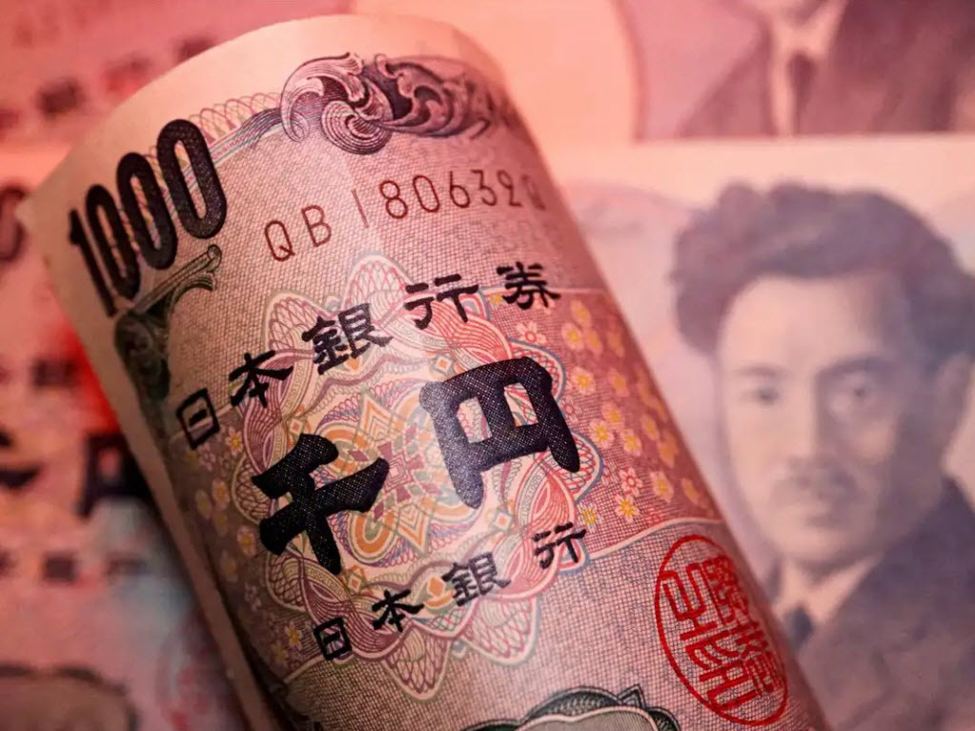
Let’s just paint some colour to the backdrop on this whole issue. Now, the IMF guidelines suggest that exceeding three intervention instances within a six months period could lead to a reclassification of the exchange rate from “free-floating” to a standard “floating” regime.A reclassification technically isn’t the end of the world but its a signal that the government, not the market, is instead becoming the primary driver/influence of said exchange rate or currency. In a way, think of it as something similar to a credit downgrade of sorts.It’s mostly a credibility issue and might invite political connotations with other countries, or should I say the US in particular, being able to point the finger and accuse Japan of currency manipulation.But the worst case scenario for Japan is that if this whole thing were to play out, it’s yet another major sign of desperation. And you can bet that market players will be waiting to capitalise on that. As mentioned before, intervention is meant to be a signal play more than anything else. If used too frequently, it loses its effectiveness. I elaborated more on that here last week.Credit Agricole is out with a note on the above and outlines that Japan may only have two more chances to get things right before November:”The IMF has warned that Japan risks losing its free-floating status if it intervenes in its exchange rate more than three times in six months and/or each intervention phase lasts more than three days. Japan’s Finance Minister Satsuki Katayama has also recently referred to the IMF rule, but also maintains that authorities stand ready to take bold action against speculative action in FX. According to the IMF rule, Japan can conduct only two more interventions lasting three days or less before November.Investors have taken these headlines as a greenlight to push USD/JPY back higher and above the 157 level we have previously referred to as the new line in the sand for the MOF. Indeed, when approaching 158 today (6 May) in Asia, USD/JPY suddenly fell by over 1.5% suggesting another round of FX intervention. Liquidity could remain low the rest of the week as Japanese extend their holidays to the rest of the week and we think this lower liquidity offers opportunity for effective FX intervention.”Quite frankly, I disagree with their take on acting during low liquidity conditions. It might sound counter-intuitive because sure, there’s less resistance supposedly but larger price gaps mean that prices are filled based on absence and not effective signaling. When intervening, you actually want markets to listen and to follow through with respect.From earlier this week:”It might sound counter-intuitive to not want to act during low liquidity periods, but there’s a certain nuance to it. The main thing about intervention isn’t so much so as the money but more so about the signaling. You want enough players in the market to get that signal and amplify it, so as to get the idea that “we shouldn’t mess with the MOF/BOJ”. Otherwise, that signal can get lost in translation if there isn’t enough liquidity follow through. And at the end of the day, it might just be passed off as more noise than an actual leading signal to traders.”
This article was written by Justin Low at investinglive.com.
💡 DMK Insight
The IMF’s warning about intervention limits is a big deal for traders, especially those in forex. If a country exceeds three interventions in six months, it risks losing its ‘free-floating’ status, which could lead to increased volatility and uncertainty in currency pairs. This matters right now because many traders rely on stable exchange rates for their strategies, and any shift could trigger significant market reactions. Look at the potential ripple effects: currencies tied to nations that intervene frequently might see increased selling pressure as traders anticipate a shift in classification. This could impact not just the affected currencies but also correlated assets like commodities or equities tied to those economies. Keep an eye on the daily charts for these currencies; if you see a spike in intervention announcements, it could signal a shift in market sentiment. Here’s the thing: while mainstream coverage might focus on the immediate implications, the longer-term effects could be even more significant. Watch for key levels around the intervention thresholds, as breaking those could lead to cascading effects in the forex market.
📮 Takeaway
Monitor intervention levels closely; exceeding three in six months could trigger volatility in affected currencies, impacting trading strategies.