
 Bitcoin
  Ethereum
  Tether
  XRP
XRP  BNB
BNB  USDC
USDC  Solana
  TRON
TRON  Lido Staked Ether
  Figure Heloc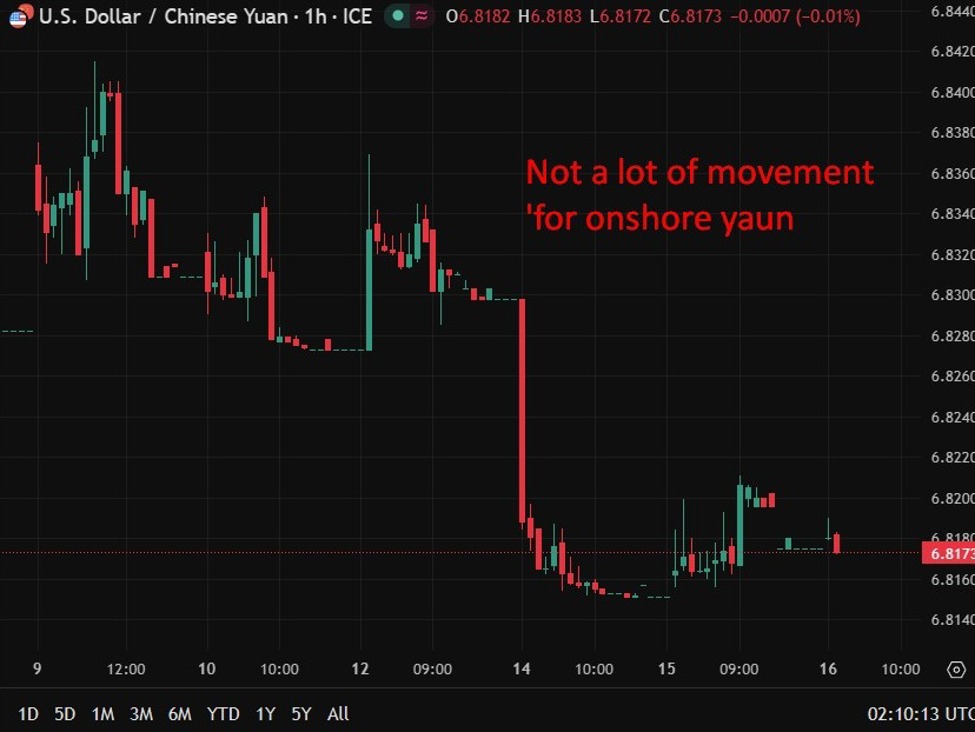
China industrial output beat forecasts in March, but retail sales missed and property investment stayed weak, highlighting a fragile recovery as the Iran war adds to growth risks.Earlier:China Q1 GDP beats forecasts but Iran war risks loomChina March new home prices -3.4% y/y (February -3.2%)Summary:China industrial production rose 5.7% y/y (exp 5.3–5.5%; prior 6.3%), beating forecasts. Retail sales slowed sharply to 1.7% y/y (exp 2.3–2.4%; prior 2.8%), missing expectations. Fixed-asset investment came in at 1.7% y/y (exp 1.9%; prior 1.8%), undershooting forecasts. Property investment remained deeply negative at -11.2% y/y (prev -11.1%). Surveyed unemployment rate rose to 5.4% (exp 5.2%; prior 5.3%). Data show a mixed picture: industrial resilience but weak consumption and ongoing property drag.China’s March activity data painted a mixed picture of the economy, with stronger-than-expected industrial output offset by weakness in consumption and continued stress in the property sector, as the early effects of the Iran war begin to filter through.Industrial production rose 5.7% year-on-year in March, beating expectations for around 5.3–5.5%, although the pace slowed from 6.3% growth in the first two months of the year. On a year-to-date basis, output expanded 6.1%, slightly below expectations and easing from earlier momentum, suggesting some moderation in factory activity.In contrast, retail sales disappointed, rising just 1.7% year-on-year, well below expectations of around 2.3–2.4% and down from 2.8% previously. The weakness underscores ongoing fragility in household demand, which remains a key constraint on China’s broader economic recovery.Investment data also came in soft. Fixed-asset investment grew 1.7% year-to-date, missing expectations and slipping from 1.8% previously. Within that, private sector investment contracted 2.2%, highlighting subdued business confidence, while infrastructure investment remained a relative bright spot with 8.9% growth.The property sector continues to act as a major drag. Real estate investment fell 11.2% year-on-year in the first quarter, with new construction starts plunging more than 20% and developer funding conditions remaining tight. While residential property sales showed some improvement, they remained sharply negative, down 18.5% year-to-date.Labour market conditions also showed signs of softening, with the surveyed unemployment rate rising to 5.4%, above expectations.Taken together, the data suggest China’s economy is entering a more challenging phase. Industrial activity is holding up for now, but weak consumption, falling private investment and a deep property downturn point to underlying fragility.With the Iran war driving higher energy costs and weighing on global demand, the outlook for the coming quarters is increasingly uncertain, with risks skewed toward slower growth. -Mixed for markets: industrial strength supports near-term sentiment, but weak consumption and property risks reinforce expectations of policy support. Growth concerns remain as external shocks build. This article was written by Eamonn Sheridan at investinglive.com. 🔗 Source 💡 DMK Insight China’s industrial output growth is a silver lining, but retail sales and property investment tell a different story. The 5.7% year-on-year increase in industrial production is impressive, yet the missed retail sales and declining property investment signal underlying weaknesses in consumer confidence and economic stability. With the ongoing Iran war adding geopolitical tension, traders should be cautious. This mixed economic data could lead to volatility in related markets, particularly commodities and currencies tied to China. Watch for how these factors influence the Chinese yuan and commodities like copper and oil, which often react to shifts in Chinese demand. As for trading strategies, consider monitoring key levels in the yuan against the dollar; a break below recent support could indicate further weakness. Also, keep an eye on the property sector, as any signs of recovery or further decline could impact broader market sentiment significantly. 📮 Takeaway Watch for the yuan’s reaction to these mixed economic signals; a break below key support levels could signal further weakness.
Japan’s Katayama says closely watching FX as oil volatility hits yen
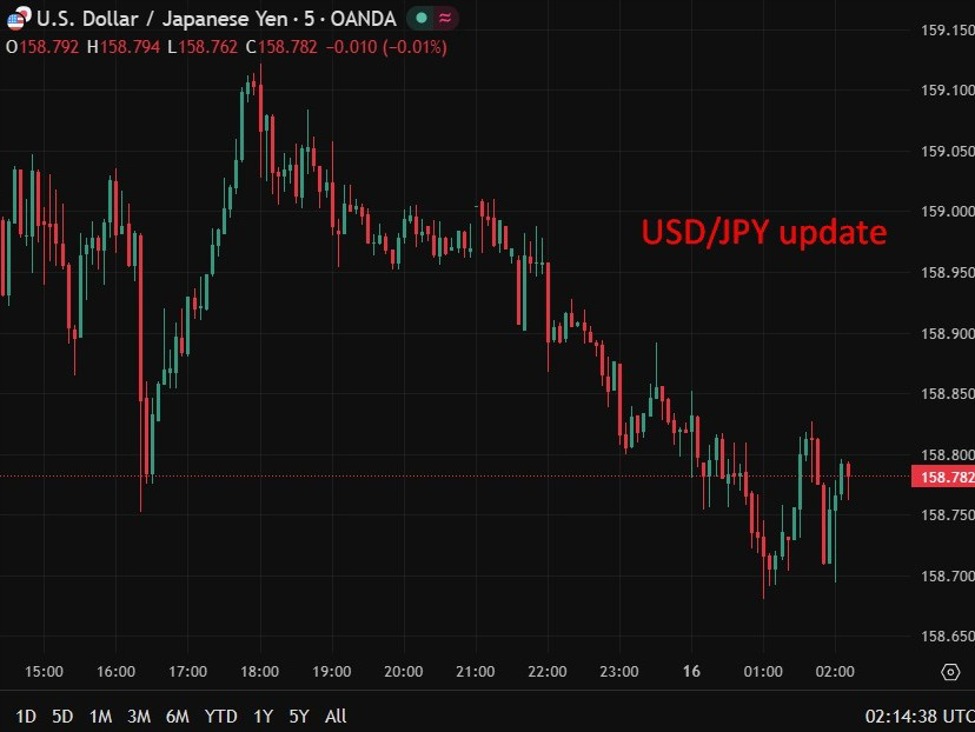
Japan’s Katayama said authorities are closely watching FX and in dialogue with the US, warning oil-driven volatility is impacting the yen and economy, keeping intervention risk in focus. Earlier:Japan’s Finance Minister Katayama said to intensify communication with BessentSummary:Japan Finance Minister Katayama said authorities are closely watching FX moves and have communicated this to the G7. She confirmed discussions with US Treasury Secretary Bessent, agreeing to maintain close dialogue on currencies. Katayama highlighted that oil market volatility is feeding into FX moves and impacting the broader economy. She stressed that FX volatility is affecting livelihoods, reinforcing sensitivity to yen weakness. She said she was not aware of any discussion on BOJ monetary policy during talks with Bessent. Remarks reinforce ongoing vigilance and keep intervention risk in focus.Japan’s Finance Minister Satsuki Katayama reiterated the government’s heightened vigilance over currency movements, signalling continued concern about yen volatility as global energy markets remain unsettled by the Iran conflict.Speaking after international discussions, Katayama said Japan had informed its Group of Seven counterparts that it is closely monitoring developments in foreign exchange markets. She also confirmed holding talks with US Treasury Secretary Scott Bessent, with both sides agreeing to maintain close communication on currency issues.Her comments come as sharp swings in oil markets—driven by the ongoing Middle East conflict—spill over into foreign exchange markets, contributing to heightened volatility in the yen. Katayama emphasised that fluctuations in energy prices are not only affecting financial markets but are also feeding through to the real economy, impacting households and business conditions.The linkage between oil and currency moves has become increasingly important for Japan, a major energy importer, where higher oil prices can weigh on the trade balance and put downward pressure on the yen. Katayama’s remarks suggest authorities are acutely aware of these dynamics and remain prepared to respond if market moves become disorderly.At the same time, she sought to draw a clear line between fiscal and monetary policy responsibilities. When asked whether Bank of Japan policy had been discussed during her meeting with Bessent, Katayama said she was not aware of any such conversation, reinforcing the formal separation between government currency policy and central bank decision-making.The overall tone of her comments underscores a familiar message from Japanese authorities: that excessive or disorderly currency movements are undesirable and warrant close attention. While no explicit intervention warning was issued, the combination of G7 communication, bilateral engagement with the US and references to economic impact keeps the risk of policy action in focus.—Keeps intervention risk alive, particularly if yen weakness accelerates. Reinforces sensitivity to oil-driven FX moves, with USD/JPY likely to remain reactive to energy prices and policy signalling. This article was written by Eamonn Sheridan at investinglive.com. 🔗 Source 💡 DMK Insight Japan’s Finance Minister is sounding the alarm on FX volatility, and here’s why that matters: With oil prices fluctuating, the yen is under pressure, which could lead to intervention from Japanese authorities. Traders should be aware that the Bank of Japan might step in if the yen weakens significantly, especially if it approaches critical support levels. This situation is compounded by ongoing discussions with U.S. officials, indicating a coordinated approach to stabilize currencies. If the yen continues to slide, it could impact not just Japanese markets but also global risk sentiment, particularly in commodities and related currencies. Keep an eye on the USD/JPY pair; if it breaks above recent highs, we could see increased volatility. Conversely, if the yen strengthens, it might signal a temporary reprieve for traders. Watch for any announcements from the Bank of Japan or further comments from Katayama, as they could provide clues on intervention timing and strategy. 📮 Takeaway Monitor the USD/JPY pair closely; a break above recent highs could trigger intervention risks and increased volatility.
Fox says its confirmed that Iran used Chinese satellite to target US bases
Summary:Reports (FT, echoed by Reuters/Fox) say Iran used a Chinese satellite to monitor US bases. The IRGC allegedly gained access to the satellite after launch and used it for targeting support. Satellite imagery was reportedly used before and after strikes on US-linked sites. The development suggests a significant upgrade in Iran’s ISR (intelligence, surveillance, reconnaissance) capability. Raises concerns over potential China–Iran strategic alignment, though Beijing has denied involvement. Adds a new technological dimension to the war, increasing risks to US assets and regional escalation.Iran is reported to have used a Chinese satellite to enhance its ability to monitor and target US military bases across the Middle East during the recent conflict, in what would mark a notable shift in the technological dynamics of the war.According to reporting by the Financial Times, later cited by other outlets, Iran’s Islamic Revolutionary Guard Corps (IRGC) obtained access to a Chinese-built satellite and used it to gather intelligence on key US-linked military sites. The satellite, originally launched for civilian purposes, was reportedly repurposed to provide surveillance imagery, allowing Iranian forces to track targets before and after missile and drone strikes.Fox is now reporting it has confirmed the original FT story. The capability represents a meaningful step up for Iran’s military operations. Historically reliant on more limited domestic satellite systems and regional intelligence networks, access to higher-quality commercial or quasi-commercial satellite imagery would significantly improve targeting accuracy and battle damage assessment.Some reports suggest the satellite was tasked with monitoring bases in Saudi Arabia, Jordan and the Gulf region during periods that coincided with Iranian attacks, reinforcing the view that space-based intelligence played a role in operational planning.The development also raises broader geopolitical questions. While there is no confirmation of direct state-to-state military coordination, the reported use of Chinese-built infrastructure by Iran highlights the increasingly blurred line between commercial and strategic technology flows. Beijing has denied involvement, pushing back against claims of any deliberate support. From a market and geopolitical perspective, the implications are significant. The war is no longer just a regional military confrontation but is increasingly incorporating advanced surveillance and space-based capabilities, complicating the security environment for US and allied forces.The episode underscores how modern conflicts are evolving, with access to space-based intelligence becoming a key force multiplier. It also adds another layer of tension to already strained US-China relations, particularly if Washington views such capabilities as indirectly enabling adversarial military operations. —Geopolitically bullish for oil and safe havens. Signals escalation in warfare capability and raises US-China tension risks. Adds to uncertainty around military balance and duration of conflict. This article was written by Eamonn Sheridan at investinglive.com. 🔗 Source 💡 DMK Insight Iran’s reported use of a Chinese satellite to monitor US bases is a game-changer for geopolitical tensions and could impact oil markets significantly. Traders should pay attention to how this development might escalate tensions in the Middle East, potentially affecting crude oil prices. If the situation worsens, we could see a spike in volatility, especially in energy stocks and ETFs. Look for key levels in oil futures; a break above recent highs could signal a bullish trend, while a failure to hold support levels might lead to a sell-off. Additionally, this could ripple through related markets, including defense stocks, which may see increased interest from institutional investors. On the flip side, if diplomatic efforts succeed, we might see a quick reversal in sentiment, so keep an eye on news cycles and any statements from US officials. Watch for oil prices around key resistance levels, as they could indicate market sentiment shifts. 📮 Takeaway Monitor crude oil prices closely; a breakout above recent highs could signal increased volatility driven by geopolitical tensions.
ICYMI – Reports that Iran proposes partial Hormuz reopening for ships via Oman waters
Iran has proposed allowing ships safe passage via the Omani side of Hormuz as part of US talks, signalling potential easing of disruptions, though flows remain far below pre-war levels.Summary:Iran has reportedly proposed allowing ships to transit the Omani side of Hormuz without attack. The proposal is conditional on progress in negotiations with the US. Shipping remains heavily disrupted, with traffic far below pre-war levels. Hundreds of vessels and ~20,000 seafarers remain stranded The Strait of Hormuz, previously fully open pre-war, remains a key unresolved issue. Would mark a partial de-escalation from earlier hardline proposals (fees, control claims).Iran is considering a partial de-escalation in the Strait of Hormuz, offering to allow ships to transit safely through the Omani side of the critical waterway as part of ongoing negotiations with the United States, according to sources familiar with the discussions. Reuters carreid the report ICYMI. The proposal would permit vessels to pass through waters adjacent to Oman without risk of attack, potentially restoring limited shipping flows through one of the world’s most important energy chokepoints. However, the offer is conditional on progress in broader negotiations aimed at preventing a renewed escalation in the US-Iran conflict.The Strait of Hormuz, through which roughly 20% of global oil and liquefied natural gas flows, has been severely disrupted since the outbreak of war on February 28. Prior to the conflict, the strait functioned as a stable and open artery for global trade. Since then, traffic has collapsed to a fraction of normal levels, with hundreds of vessels stranded and an estimated 20,000 seafarers unable to exit the Gulf.While a ceasefire has been in place since April 8, shipping conditions have yet to normalise. The situation has been further complicated by a US blockade targeting vessels linked to Iranian ports, adding another layer of uncertainty for operators navigating the region.Iran’s proposal marks a notable shift from more aggressive measures floated in recent weeks, including the possibility of imposing transit fees or asserting broader control over the strait—moves that drew strong opposition from the international community and maritime authorities.However, key uncertainties remain. It is unclear whether Iran would clear any mines in the proposed transit corridor or whether all vessels, including those linked to Israel, would be granted safe passage. The proposal’s success ultimately depends on whether Washington is willing to meet Tehran’s conditions in ongoing negotiations.If implemented, the plan would represent the first concrete step toward restoring shipping flows, though likely only partially. Even then, the return to pre-war norms appears distant, with security risks and geopolitical tensions continuing to weigh on one of the world’s most vital trade routes.-Potentially bearish for oil if credible, as it signals partial restoration of flows. However, conditionality and execution risks mean markets likely price only a limited easing of the risk premium for now. This article was written by Eamonn Sheridan at investinglive.com. 🔗 Source 💡 DMK Insight Iran’s proposal for safe passage through the Omani side of Hormuz could shift market dynamics significantly. If this deal progresses, it might ease some of the geopolitical tensions that have been weighing on oil prices, which have been volatile due to supply chain disruptions. Currently, flows through the Strait of Hormuz are still below pre-war levels, indicating that traders should remain cautious. A successful negotiation could lead to increased oil supply, impacting not just crude but also related assets like energy stocks and ETFs. Keep an eye on Brent and WTI prices, as any positive news could trigger a bullish reaction. However, skepticism is warranted; past negotiations have often stalled or failed. Traders should monitor the timeline of these talks closely, especially any developments over the next few weeks. If the proposal gains traction, watch for a potential breakout above key resistance levels in oil futures, which could signal a shift in market sentiment. 📮 Takeaway Watch for developments in Iran’s proposal over the next few weeks; a successful deal could lead to increased oil supply and impact prices significantly.
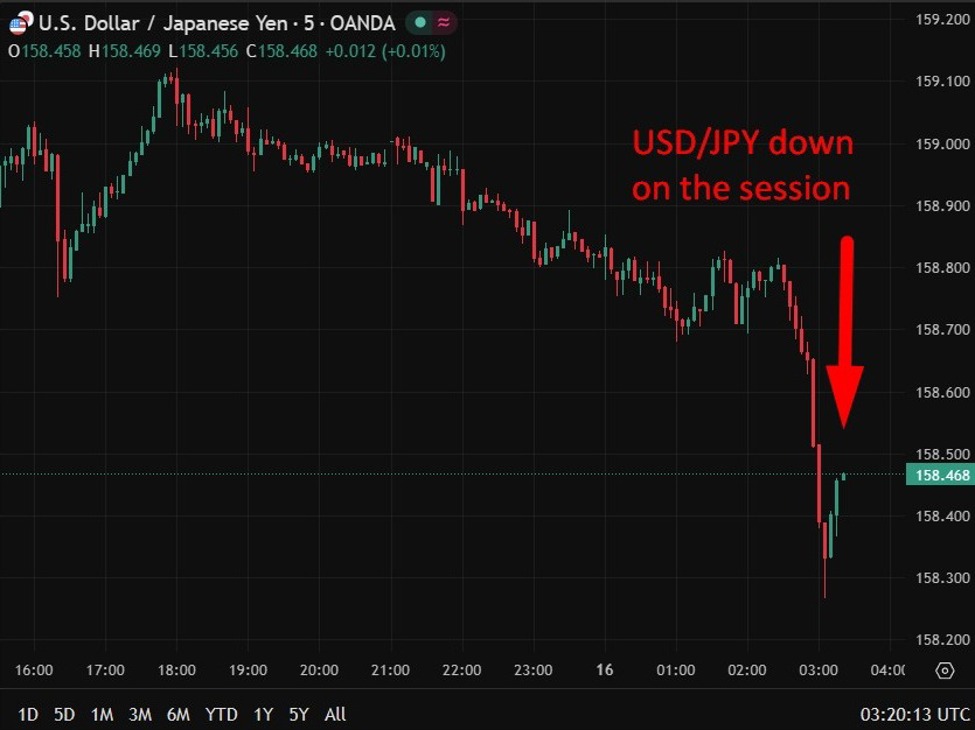
Today's FX winner is Japanese Finance Minister Katayama, She's sent the yen higher.
Japan’s Finance Minister Katayama has been verbally intervening today: Not once, but twice:Japan’s Finance Minister Katayama said to intensify communication with BessentDropping in the B word in is more forceful verbal interventionJapan’s Katayama says closely watching FX as oil volatility hits yen This article was written by Eamonn Sheridan at investinglive.com. 🔗 Source 💡 DMK Insight Japan’s Finance Minister Katayama’s double verbal intervention today signals serious concerns about the yen’s stability amid oil volatility. The focus on FX markets, especially with rising oil prices, indicates that the government is on high alert for any further depreciation of the yen. Traders should note that the yen’s performance is closely tied to oil prices, and any significant fluctuations could trigger more aggressive interventions. If the yen continues to weaken, it could lead to a broader sell-off in Japanese equities and impact related markets, particularly commodities. Keep an eye on key levels for the yen against the dollar; a breach of recent lows could escalate the situation further. On the flip side, while verbal interventions can provide short-term support, they often lack the backing of concrete policy changes. Traders should be cautious about overreacting to these statements without seeing actual market movements. Watch for any shifts in oil prices or further comments from Katayama that could indicate the government’s next steps. 📮 Takeaway Monitor the yen closely; if it breaches recent lows against the dollar, expect potential escalated interventions from Japan’s government.
Trump posts upbeat comments on Israel -Lebanon peace talks -"Nice!"
Trump pumping talks between Israel and Lebanon, adding to positive sentiment. This article was written by Eamonn Sheridan at investinglive.com. 🔗 Source 💡 DMK Insight Trump’s involvement in Israel-Lebanon talks could shift market sentiment significantly. Positive sentiment from geopolitical developments often leads to increased risk appetite among traders, especially in the forex market. If talks progress, we might see a strengthening of currencies in the region, particularly the Israeli shekel. Traders should keep an eye on how this impacts oil prices, as stability in the Middle East can lead to lower volatility in crude oil markets, which has a direct correlation with currencies like the CAD and NOK. However, there’s a flip side: if talks falter or escalate tensions, we could see a flight to safety, pushing traders towards the USD and JPY. Watch for key levels in the shekel against the dollar; a break above recent highs could signal bullish momentum, while a drop below support levels might indicate a retreat in sentiment. Keep an eye on the daily charts for these movements and adjust your positions accordingly. 📮 Takeaway Monitor the Israeli shekel against the USD for potential bullish signals if talks progress, especially key resistance levels that could indicate a breakout.
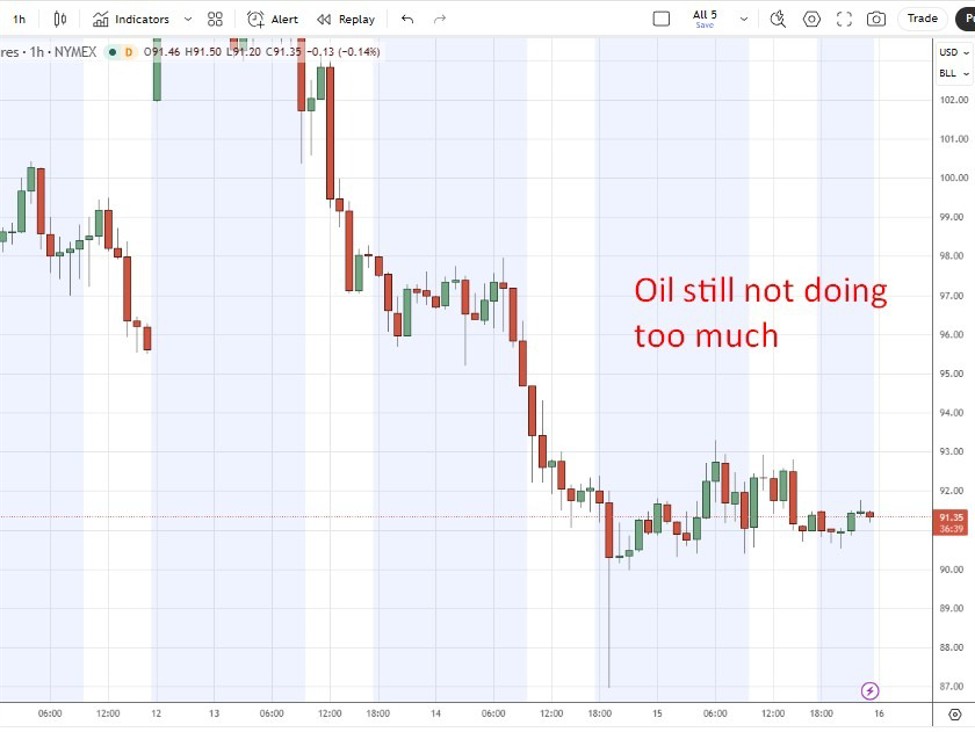
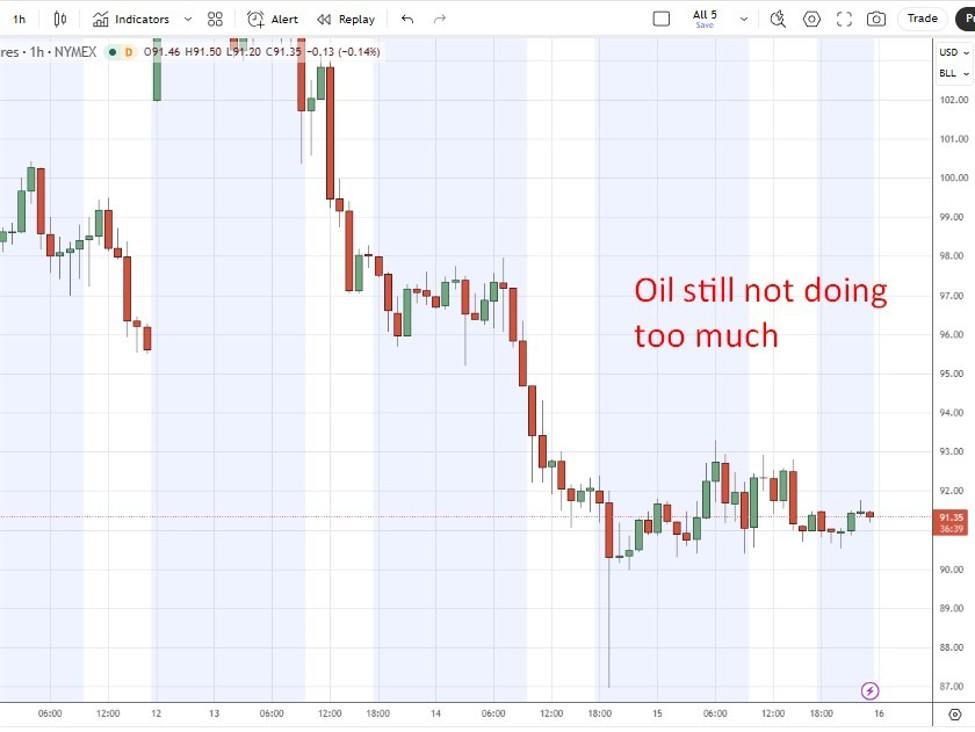
investingLive Asia-Pacific FX news wrap: Oil remained in a subdued range
Trump posts upbeat comments on Israel -Lebanon peace talks -“Nice!”Today’s FX winner is Japanese Finance Minister Katayama, She’s sent the yen higher.ICYMI – Reports that Iran proposes partial Hormuz reopening for ships via Oman watersFox says its confirmed that Iran used Chinese satellite to target US basesJapan’s Katayama says closely watching FX as oil volatility hits yenMixed China data highlight fragile recovery outlook: retail sales sad, industrial beatChina March new home prices -3.4% y/y (February -3.2%)China Q1 GDP beats forecasts but Iran war risks loomAustralia jobs resilience, unemployment rate steady, keeps RBA focused on inflation risksAustralian March 2026 unemployment rate 4.3% (expected 4.3%, prior 4.3%)PBOC sets USD/ CNY reference rate for today at 6.8616 (vs. estimate at 6.8190)Iran hardliners rise after war, raising risks to Hormuz and peace prospectsICYMI – China to issue 15.5bn yuan offshore bonds, largest sale since October 2023Goldman Sachs rates hit by Iran war volatility as FICC revenue fallsWhite House urges oil CEOs to pump more as prices surgePentagon explores automaker role to boost weapons productionJapan’s Finance Minister Katayama said to intensify communication with BessentECB officials lean toward April rate hold amid Iran war uncertaintyIMF says BOJ can look through Iran war inflation shockICYMI – Fed’s Musalem says oil shock to keep core inflation near 3%UK expands energy bill relief scheme for industry amid rising costsUS ramps up Iran pressure as officials warn blockade impact could take monthsECB’s Schnabel says bank can take time to assess Iran shockSummary:FT reports Israel–Lebanon ceasefire expected soon; Trump adds upbeat tone. Reports Iran used Chinese satellite for US base surveillance, raising geopolitical risks. Oil traded subdued despite ongoing supply disruption concerns. Japan signals heightened FX vigilance; yen edges higher on the session. ECB’s Schnabel reinforces “wait-and-see” stance on Iran shock. Australia jobs steady; China data mixed with strong GDP but weak consumption. US defence production push highlights prolonged conflict dynamics. A more constructive tone crept into markets through the session, with geopolitical headlines offering cautious optimism even as underlying risks remain elevated.The Financial Times reported that a ceasefire between Israel and Lebanon could be imminent, citing Lebanese officials. That narrative was reinforced later in the session by upbeat remarks from President Trump, helping stabilise sentiment. At the same time, reports that Iran may have used a Chinese satellite to monitor US bases added a more complex and potentially escalatory dimension to the conflict, with implications for US-China relations and the evolution of modern warfare.Oil markets traded in a relatively subdued range, suggesting some consolidation after recent volatility, even as supply risks tied to Hormuz disruptions remain unresolved.In FX, Japan remained firmly in focus. Finance Minister Satsuki Katayama said Tokyo and Washington agreed to intensify communication on exchange rates following talks with US Treasury Secretary Scott Bessent. She later reiterated that authorities are closely monitoring FX moves, warning that oil-driven volatility is feeding into currency markets and affecting the broader economy. The yen edged modestly stronger on the session, with intervention risk still lingering in the background.On the central bank front, ECB board member Isabel Schnabel struck a measured tone, noting the euro area is in a relatively favourable position after returning inflation to target pre-war. She emphasised that policy is broadly neutral and that the ECB can take time to assess whether the Iran shock generates lasting second-round inflation effects.Data flow was mixed. Australia’s labour market remained resilient, with employment rising 17.9k (exp 20k) and unemployment steady at 4.3%, reinforcing the view that the RBA retains room to tighten. The Australian dollar gained, lifting the kiwi alongside it, while the US dollar was broadly weaker.In China, Q1 GDP beat expectations at 5.0% y/y (exp 4.8%), though accompanying activity data painted a softer picture, with weak retail sales and ongoing property sector stress highlighting a fragile recovery.On the corporate front, reports that the Pentagon is exploring ways to boost weapons production with US manufacturers underscore the likelihood of sustained defence demand, with potential spillovers into broader industrial sectors. This article was written by Eamonn Sheridan at investinglive.com. 🔗 Source 💡 DMK Insight Japan’s yen is gaining traction, and here’s why that matters: The recent comments from Japanese Finance Minister Katayama have sparked optimism, pushing the yen higher. This uptick could signal a shift in market sentiment, especially as traders react to geopolitical developments in the Middle East, particularly the potential reopening of the Strait of Hormuz. If Iran’s proposal to reopen shipping routes gains traction, it could stabilize oil prices, indirectly benefiting the yen as a safe-haven currency. Traders should keep an eye on the USD/JPY pair, especially if it approaches key resistance levels. A sustained move above recent highs could trigger further buying interest. Conversely, if geopolitical tensions escalate, the yen might see volatility. Watch for any updates on the peace talks and Iran’s shipping proposals, as these could impact market dynamics significantly. The real story is how these developments could influence risk appetite across the board, affecting not just the yen but also commodities like oil and broader equity markets. 📮 Takeaway Monitor the USD/JPY pair closely; a break above recent highs could signal further yen strength amid geopolitical shifts.
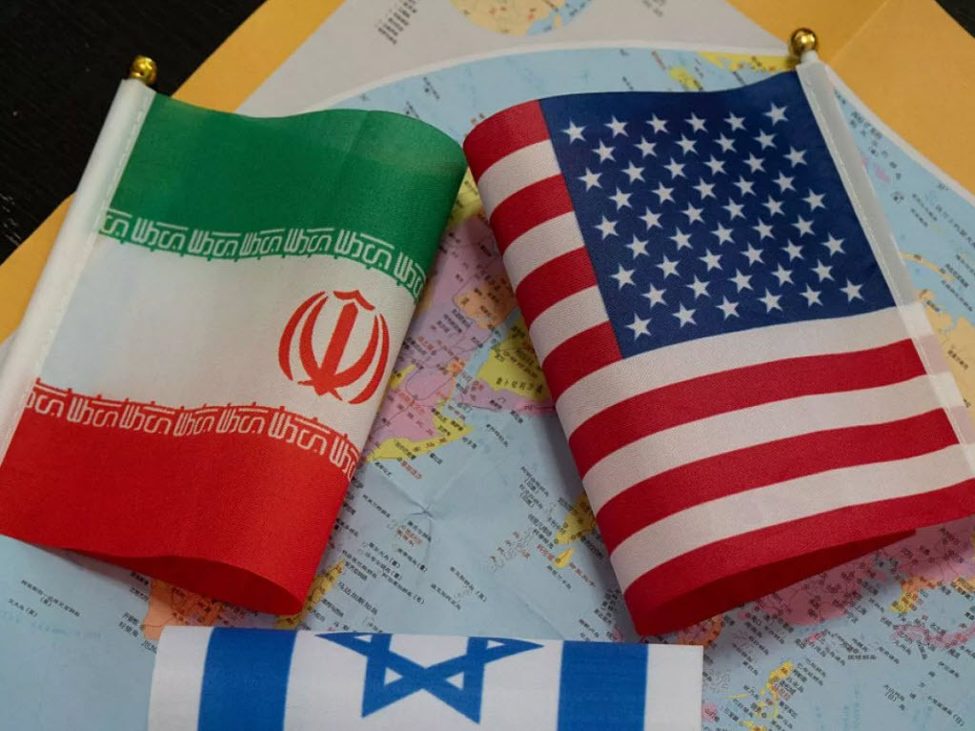
Markets continue to keep the faith awaiting more positive US-Iran developments
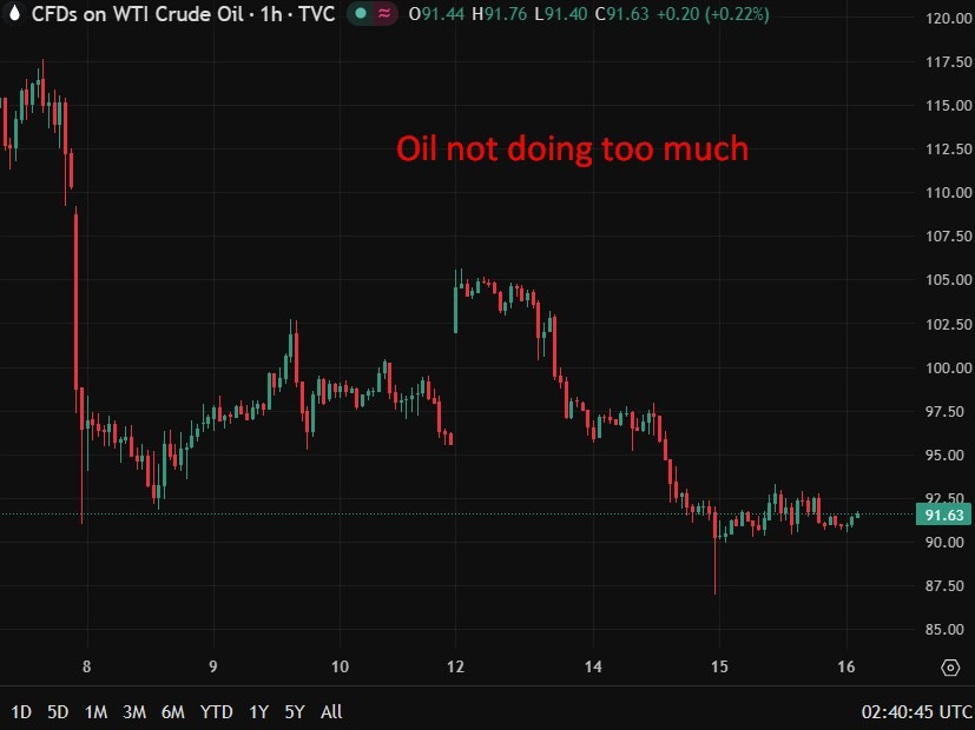
It’s wild to see how markets are running with this much optimism when we haven’t seen any actual progress yet on the Middle East conflict. The fact of the matter remains that the Strait of Hormuz is in de facto closure and set to enter its eighth straight week under such circumstances.Yet, oil prices have come off the boil by quite a mile with WTI crude hovering around $91.75 currently. Meanwhile, the more indicative “front-month” June contract is trading at around $88.15 on the day. As for Brent crude, it is keeping closer to the $95 level at the moment. However, physical prices are still holding a massive $40 to $50 premium. So, keep that in mind.As much as markets are optimistic, the situation on the ground hasn’t changed. In Asia, we’re already seeing plenty of economies needing to adjust to the reality with price increases everywhere. And we all know that when prices go up, they never come back down. So even if the energy price surge might prove to be temporary, the impact is more permanent for your every day consumer and business.In any case, markets are always a different beast and right now the signal is that there is much expectation of good news to come in the coming week at least. That optimistic angle is enough to push major indices in the US to fresh all-time highs this week.As we get into the second half of the week, here’s where we stand on US-Iran developments today:US president Trump says “the war with Iran can be over very soon”, touts “an amazing two days ahead”Reports suggest US and Iran are weighing an extension to the ceasefireIran categorically denies extending the ceasefire; no plans for further talks at the momentPakistan tries to mediate the situation with army chief arriving in Tehran to push for second round of talksThe final point is where we stand now, so perhaps we could see talks over the weekend – whether directly or indirectly.The US demands still remain the same, that being the two key points especially. The first is for Iran to give up its nuclear ambition. And the second is for a full reopening of the Strait of Hormuz.On the first demand, Iran is still not giving in and that is a major sticking point in negotiations. On the second demand at least, a Reuters report suggests that Iran seems to be open to the idea of allowing a small passage gap closer to Oman. I would figure it would look something like this:However, Iran’s flexibility on that will still be largely tied to how negotiations play out with the US. So, there’s that.As we look to the coming two days, it is still all about US-Iran tensions and headline risks for markets. This article was written by Justin Low at investinglive.com. 🔗 Source 💡 DMK Insight Markets are overly optimistic despite ongoing tensions in the Strait of Hormuz, and here’s why that matters: The Strait has been effectively closed for eight weeks, which could lead to significant supply disruptions in oil markets. Traders should be wary of this disconnect between market sentiment and geopolitical realities. If tensions escalate further, we could see a sharp spike in crude oil prices, impacting not just energy stocks but also broader market indices. Watch for key resistance levels in oil futures—if prices break above recent highs, it could trigger a wave of speculative buying. On the flip side, if the situation stabilizes without resolution, we might see a sharp correction as traders reassess their positions. Keep an eye on the daily trading volumes and sentiment indicators; a sudden shift could signal a reversal. The real story is that while optimism can drive prices up, the underlying risks remain very real, and traders need to be prepared for volatility. 📮 Takeaway Monitor oil prices closely; a breakout above recent highs could signal a buying frenzy, while any easing of tensions might trigger a market correction.

ECB policymaker Muller: A rate move at the April meeting cannot be ruled out
No hard evidence yet of second-round inflation effectsIt may be difficult to conclude by April meeting if a rate hike is neededLeaving things to the June meeting offers us more dataHowever, a rate move at the April meeting still cannot be ruled outAs things stand, traders are only pricing in a ~20% probability of a rate hike for later this month. However, those odds jump up significantly to ~81% by the time the June meeting comes along. And by year-end, traders are pricing in ~56 bps of rate hikes by the ECB at this present time.Do keep in mind though that the market pricing has shifted modestly in the past week or so, as traders are feeling more optimistic about US-Iran developments and the lasting impact on inflation.Besides Muller, we’re also getting some comments from policymaker Alexander Demarco:ECB needs to be patient, not rush any decisionEuro are economy may be veering towards our adverse scenarioIf adverse scenario materialises, the two rate hikes seen by markets is a reasonable expectationInflation expectations are well anchored for now, corporate pricing signals will be crucialThe narrative seems to be that they want to buy a little bit more time before taking action. That especially as there continues to be a cloud of uncertainty on how things will proceed next with the US-Iran conflict.Markets might be optimistic and hopeful that a peace deal is coming. However, the fact of the situation remains that the Strait of Hormuz has not yet opened. This article was written by Justin Low at investinglive.com. 🔗 Source 💡 DMK Insight The uncertainty around the April rate hike is creating a cautious atmosphere for traders right now. With no clear evidence of second-round inflation effects, the Fed’s decision-making is still up in the air. This leaves traders in a tricky spot, as they need to weigh the potential for a rate hike against the risk of waiting until June for more data. If the Fed does decide to act in April, it could lead to volatility across various markets, particularly in forex pairs sensitive to interest rate changes. Traders should keep an eye on inflation metrics and economic indicators leading up to the April meeting, as these will provide crucial insights into the Fed’s thinking. On the flip side, if the Fed holds off until June, it could signal a more dovish stance, potentially benefiting equities and riskier assets. Watch for any shifts in market sentiment as we approach the April meeting, as traders may start pricing in more volatility in anticipation of the Fed’s decision. 📮 Takeaway Monitor inflation data closely ahead of the April meeting; a surprise rate hike could shake up forex and equity markets significantly.

Finding the Best Crypto Prop Firm: Your Complete Guide
Proprietary trading firms have become a notable funding path for experienced crypto traders looking to operate beyond their personal capital. Rather than risking personal savings, traders can access firm capital after passing structured evaluations, sharing profits in return. But the growing number of programs on the market makes it harder to separate serious platforms from those that fall short.This guide breaks down what to look for, what to avoid, and how to approach the selection process with a critical eye.How Crypto Prop Firms WorkCrypto prop firms fund traders who complete evaluation challenges, typically structured in two phases. Combined profit targets generally sit around 8% to 10%, with drawdown limits (commonly 5% daily and 10% maximum) designed to test risk management discipline. Traders who pass receive funded accounts that can range from $5,000 to $200,000 or more.The profit-sharing model usually starts between 70% and 80%, with higher tiers reaching 90% for consistent performers. Challenge fees are often refunded after the first successful payout, reducing the net cost of entry.What distinguishes crypto-specific firms from their forex or equities counterparts is round-the-clock market access. Cryptocurrency markets never close, which means traders can hold positions over weekends and capitalize on volatility that traditional market participants miss entirely.Key Factors Worth EvaluatingWhen comparing programs, a few features tend to separate credible platforms from the rest.Payout speed is one of the clearest signals of operational reliability. Programs that process withdrawals within 8 to 24 hours via stablecoins like USDT or USDC offer a significant advantage over those requiring weeks of processing or limiting payouts to monthly bank transfers. Fast access to earnings matters, particularly in volatile markets where capital redeployment can be time-sensitive.Evaluation flexibility is another area that deserves attention. Time-limited challenges introduce artificial pressure that can push traders toward poor decision-making. Programs offering unlimited evaluation periods allow strategies to play out naturally, which is especially relevant for swing traders or those adapting to larger position sizes.Leverage and instrument diversity also vary widely. Quality platforms tend to offer leverage between 10:1 and 20:1 on perpetuals and futures, with access to 40 or more trading pairs. Support for spot trading, options, and both USDT-margined and USDC linear contracts gives traders the flexibility to operate across different market conditions rather than being confined to a narrow set of instruments.Capital scaling paths round out the picture. Starting balances matter less than the trajectory. Firms with clear, achievable criteria for scaling accounts toward $500,000 or $1,000,000 reward consistency and give traders a concrete growth roadmap.Red Flags That Should Give You PauseNot every firm operates transparently, and a few warning signs are worth watching for.Hidden fees beyond the stated challenge cost are a common issue. Some programs advertise competitive entry prices but add activation or processing charges after the evaluation is complete. Always calculate the full cost to funded status before committing.Overly restrictive consistency rules can make sustained profitability unrealistic. While basic risk parameters serve a purpose, requirements that cap individual winning days at a fixed percentage or mandate specific win rates force unnatural trading behavior that rarely reflects how successful strategies actually work.Support infrastructure is often overlooked but tells you a lot about a firm’s operational maturity. Programs that lack 24/7 human support through channels like Discord, Telegram, or live chat can leave traders stranded during critical moments, particularly on weekends or during Asian market hours when issues may arise.Community feedback on payout practices is perhaps the most revealing indicator. Forums, social media, and trader communities provide real-world accounts of how consistently firms honor their commitments. Programs with a track record of paying out to large numbers of traders across multiple countries tend to demonstrate greater reliability.Matching a Program to Your Trading StyleThe right firm depends heavily on how you trade. Scalpers and high-frequency traders should verify that their methodology is explicitly permitted, as many firms restrict or prohibit these strategies. Swing traders benefit most from platforms with no time limits on evaluations, giving them room to execute without rushing.For traders focused on cryptocurrency markets specifically, the best crypto prop firm options tend to be those that specialize in digital assets rather than spreading across multiple asset classes. Specialization typically translates to deeper exchange integrations, faster stablecoin payouts, and evaluation structures designed around crypto market dynamics.Geographic restrictions are less common in crypto prop trading than in traditional finance, but it is still worth confirming that your region is not excluded before paying any fees.Setting Realistic ExpectationsIndustry-wide challenge pass rates tend to fall between 5% and 10%, depending on evaluation difficulty and trader experience. Programs with unlimited time frames generally see higher completion rates because traders are not forced into rushed decisions.Once funded, consistent monthly returns of 3% to 5% can generate meaningful income. On a $200,000 account with an 80% profit split, a 4% monthly return translates to roughly $6,400 in trader earnings. At higher account tiers, those figures grow proportionally.The traders who tend to succeed treat evaluations with the same discipline they would apply to a live funded account from day one. Following proven strategies, respecting drawdown limits, and avoiding emotional trades after losses are the habits that separate funded traders from those who cycle through repeated challenges.Final ConsiderationsThe crypto prop firm space has matured considerably, offering experienced traders a viable path to accessing meaningful capital. The most important factors remain consistent: transparent payout practices, flexible evaluation structures, real exchange execution, and clear scaling opportunities.Rather than chasing the flashiest marketing or the highest advertised profit splits, traders benefit from prioritizing sustainability and operational credibility. The right firm removes capital as a constraint and lets trading skill determine outcomes.Disclaimer: This is a sponsored thought leadership article. This article was written by IL Contributors at investinglive.com. 🔗 Source 💡 DMK Insight Proprietary trading firms are reshaping the crypto trading game, and here’s why that matters right now: With the influx of these firms, experienced traders can leverage capital without risking their own funds. This shift is crucial as it allows traders to scale their operations and potentially increase returns. However, the