
 Bitcoin
  Ethereum
  Tether
  BNB
BNB  XRP
XRP  USDC
USDC  Solana
  TRON
TRON  Lido Staked Ether
  Figure Heloc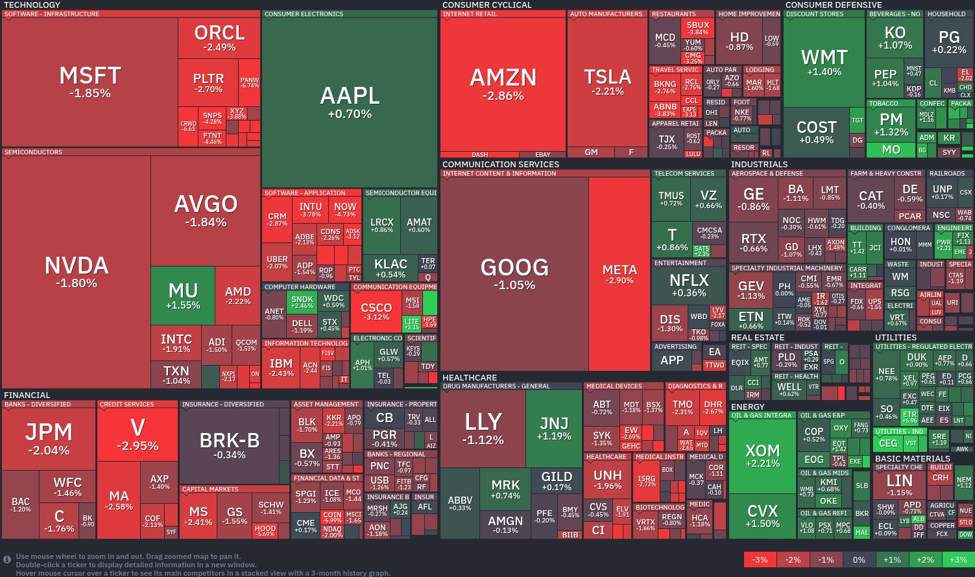
Technology takes a hit, energy and consumer staples show strengthThe US stock market today presented a dynamic landscape, characterized by significant shifts across various sectors. Notably, the technology sector faced headwinds, while energy and consumer staples showed resilience in the turbulent market conditions.📉 Technology Sector: Facing ChallengesToday’s market heatmap reveals widespread declines in the technology sector. Microsoft (MSFT) fell by 1.85% and Oracle (ORCL) decreased by 2.49%, demonstrating the sector’s struggles. In semiconductors, Nvidia (NVDA) dropped 1.80%, while Advanced Micro Devices (AMD) saw a decline of 2.22%, pointing to investor concerns and potential profit-taking.🌍 Energy Sector: Emerging as a WinnerIn contrast, the energy sector emerges with robust gains. Exxon Mobil (XOM) led the rally with a 2.21% increase, and Chevron (CVX) followed with a 1.50% growth. This uptick is largely attributed to rising oil prices, boosting investor confidence in energy stocks.🛍️ Consumer Staples: Stability and GainsThe consumer staples sector showed stability, with significant movements in major companies like Coca-Cola (KO) gaining 1.07% and Philip Morris (PM) rising 1.32%. This trend underscores the sector’s defensive appeal in times of market volatility.Market Mood and TrendsThe overall market sentiment reflects a cautious approach, with investors displaying mixed feelings amidst varied sector performances. The downturn in technology contrasts with the stability in consumer staples and gains in energy, suggesting a shift in investor focus towards more secure and essential sectors.Strategic RecommendationsConsider reallocating investment towards energy and consumer staples to leverage their resilience.Remain cautious within the tech sector; monitor specific industry news and technological developments that could trigger changes.Diversification remains key; balancing technology with defensives such as energy and consumer staples might provide a safer cushion against tech volatility.By focusing on these sectors, investors can better navigate today’s dynamic market landscape. Stay informed with real-time updates and expert insights at InvestingLive.com. 📰📈 This article was written by Itai Levitan at investinglive.com. 🔗 Source 💡 DMK Insight The tech sector’s struggles today signal a potential shift in market sentiment that traders need to watch closely. With energy and consumer staples holding strong, this divergence suggests a rotation away from growth stocks, which could impact trading strategies. If tech continues to falter, it might trigger profit-taking among investors who previously favored high-growth names. Keep an eye on key support levels in tech stocks; a break below these could lead to increased volatility and further sell-offs. Meanwhile, the strength in energy and consumer staples could present opportunities for swing traders looking to capitalize on sector rotation. Watch for any economic indicators that might influence these trends, especially as we approach earnings season, which could further sway market sentiment. 📮 Takeaway Monitor tech stocks closely for support levels; a breakdown could signal a broader market shift, while energy and staples may offer safer trades.
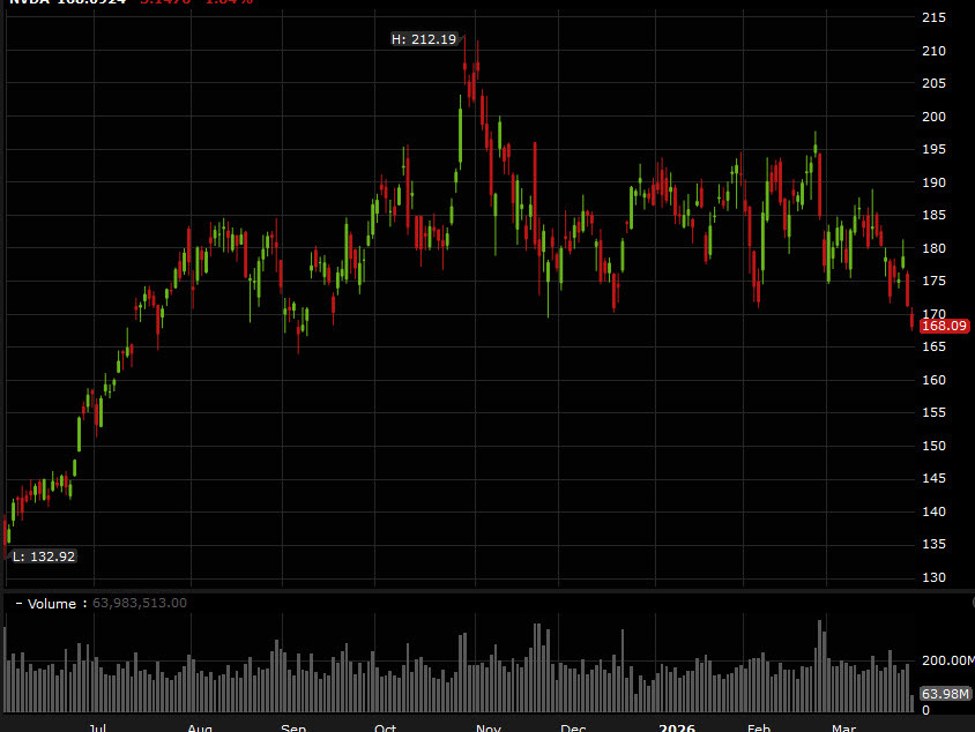
Nvidia shares sink to the lows of the year, breaching a zone where they've bottomed before
Nvidia stock is trading at six-month lows after a 1.6% decline today.The chart is problematic as it bottomed near $170 three times since November but it’s now broken that support and trading at the worst levels since September.The chipmaker is now testing the September lows, which stretch down to $164. Should that break, we will be at the lowest since July 2025 and it would also trace out an ugly head-and-shoulders pattern.While all eyes are on Iran at the moment, there is something of a reckoning ongoing in the AI space and software space. Tech shares have been underperforming all year and there’s now broad pressure on the Mag 7 names. The fears are something of a barbell. One is that AI won’t prove as valuable and transformative as expected, or at least not on a near-term timeline. The opposite fear is that it’s so transformative that it undermines the employment market and leads to a recession, and huge political backlash.There is also the question of AI architecture. Memory names this week have been beaten up after Google unveiled a new algorithm that could allow more efficient use of memory storage. The memory names had previously been some of the highest flyers in markets anywhere.Note this chart of Micron, which was a market darling. This looks like a false breakout to the topside and now a reversal.As for Nvidia, should the September lows give way, the measured target would be somewhere around $130. That number is somewhat hard to fathom even though we were there in June.The consensus estimate for this year’s earnings is $8.33 so that puts it at just 20x at current levels. At $130, it would be trading at just 15.6x in one of the fastest growing stocks in the world. I suppose the fear could be that there will be a peak in earnings as several companies (perhaps X, MSFT or Meta) drop out of the AI race and leave it to Google, Anthropic and OpenAI. The money could also dry up for the intense spending on chips, which could undermine the forward outlook. This article was written by Adam Button at investinglive.com. 🔗 Source 💡 DMK Insight Nvidia’s stock hitting six-month lows is a red flag for traders: here’s why. The recent 1.6% decline has pushed Nvidia below critical support at $170, a level that had previously held firm since November. This breach not only signals a loss of bullish momentum but also puts the stock on the verge of testing September’s lows around $164. If it breaks through this level, it could trigger further selling pressure, potentially dragging the stock down even more. Traders should be cautious; a failure to reclaim $170 could lead to a bearish trend in the near term. On the flip side, if Nvidia manages to bounce back above $170, it could present a buying opportunity for those looking to capitalize on a potential reversal. Keep an eye on volume levels as well; increased selling volume could indicate a stronger downtrend. For now, watch for price action around $164 and $170 to gauge market sentiment. 📮 Takeaway Monitor Nvidia closely; a break below $164 could lead to significant downside, while reclaiming $170 may signal a reversal opportunity.
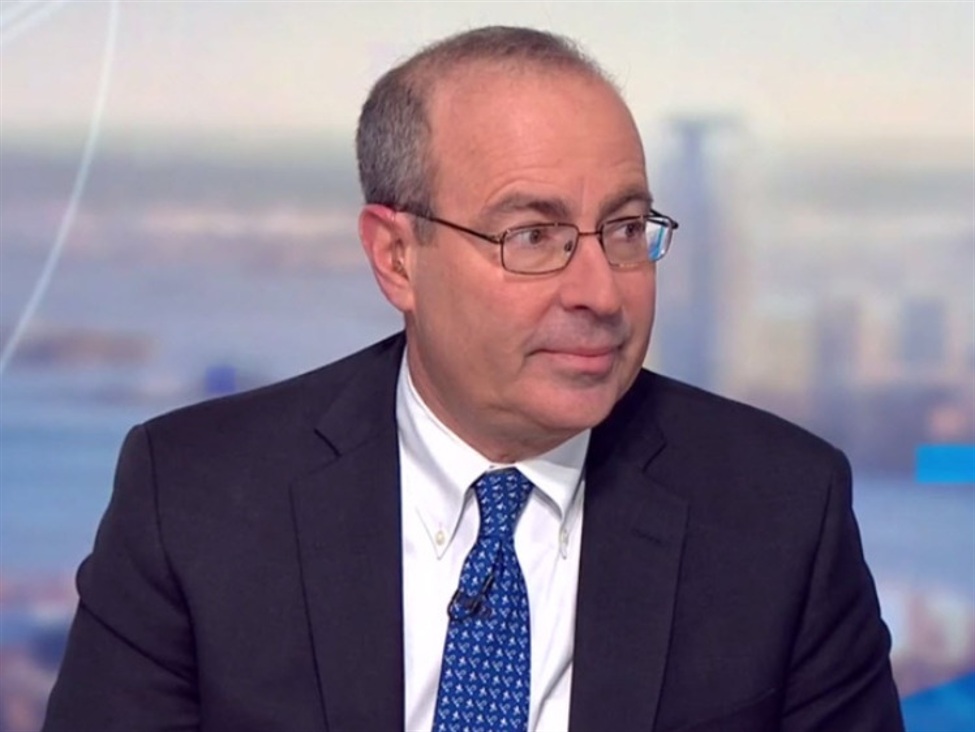
Fed's Barkin: Even before oil shock, progress on inflation was stalling
Prudent to hold interest rates steady and await more clarity on what the Fed should do nextPace and uncertainty of changes around AI have made a lot of Fed officials ‘uneasy’War, fast changes due to artificial intelligence have again clouded economic outlookEven before oil shock, progress on inflation was at risk of stallingHigher gasoline prices hit consumer sentiment, can crowd out other spendingSays he will be watching inflation and expectations data carefullyDemand has been steady but continues to feel ‘narrow,’ based on AI investment and wealthier householdsUnemployment is low, but labor market feels ‘fragile,’ firms see little wage pressure, multiple applicants for each job’Fog’ again obscuring economic outlookRichmond Fed President Tom Barkin is out with a speech that leans heavily on a fog metaphor he first used a year ago — and he’s not ready to retire it. Barkin painted a picture of an economy that’s still moving forward but where visibility has gotten worse, not better. He pointed to AI disruption, the Iran-related oil spike, and lingering policy uncertainty as forces that have deepened the haze around the outlook and On the surface, the numbers look fine. GDP grew 2% last year, unemployment is hovering around 4.4%, and consumers are still swiping their cards. But Barkin made clear that the headline figures mask a fragility underneath. Job growth is essentially zero, and the only reason unemployment hasn’t climbed is because fewer people are entering the workforce through reduced migration and boomer retirements.The demand picture is what stands out as particularly vulnerable. Barkin described strength as “narrow,” concentrated in AI-related investment and spending by wealthier households — and he connected those two dots explicitly. An AI pullback would hit business investment and equities, which would then drag down consumption from the wealthy. It’s a feedback loop that doesn’t have a lot of redundancy built in.On inflation, he acknowledged progress but flagged that recent PCE data suggest things may be stalling — and that was before the oil shock hit. He rattled off a list of supply-side cost pressures since the pandemic that reads like a greatest hits of stagflationary impulses.On policy, Barkin backed the decision to hold rates and wait for clarity. He described the current fed funds rate as sitting at the higher end of the neutral range, which leaves room to move in either direction. But nothing in this speech suggests he’s in any rush. The fog, as he sees it, hasn’t burned off — and until it does, the Fed is content to sit in the car with the hazards on.Quotable:On the labor market: “Employers tell us that labor is freely available with multiple applicants for every position. They face very little wage pressure.” On AI and hiring: “Even where demand is solid, employers are still reluctant to hire in the context of strong productivity, high uncertainty, and the potential impact of AI.” The market is pricing in a 40% chance of a Fed hike in October or earlier. This article was written by Adam Button at investinglive.com. 🔗 Source
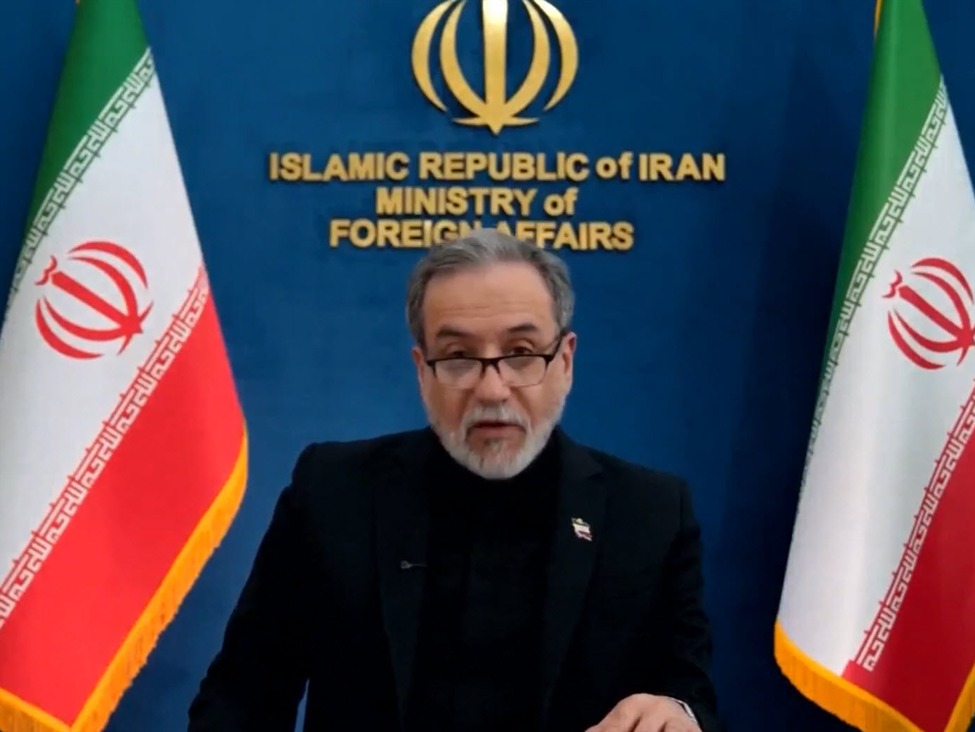
Iran expected to deliver counter-proposal to the US today – report
From Jennifer Jacobs at CBS News:The Iranian response to the U.S. peace proposal is expected later today, sources familiar with the matter told Marg Brennan and me. President Trump and top White House officials have been told that Iran’s counter-proposal would likely arrive Friday via interlocutors.It will be interesting to see if this gets published.I wonder if there is a path ahead where Iran gives up its nuclear materials for security guarantees and reopening Hormuz. That’s a pretty small ask from Iran and Trump may still be able to describe it as a win.Trump and his deputies in yesterday’s cabinet meeting heavily leaned on the nuclear messaging, saying that the goal of the mission in Iran was to prevent them from getting nuclear weapons. If they can say they decisively achieved that goal via the return of Iran’s nuclear material, then they can walk away without damaging the global economy too much.Key to making it work might be dropping sanctions on Iran. From Iran’s side this could be seen as ‘reparations’ but it would have little cost to Iran. On net, I put the probabilities of that outcome in the short term as low. What is clear is that Trump doesn’t still want the Strait closed in May while markets struggle. For Iran, the longer they keep it closed, the more leverage they have.Alternatively, the US may escalate and Iran could see the threat to is electricity as a particularly large threat to the regime in general. If that’s the case, they may settle for much less and could be eager to make a deal, as Trump stresses.For now, the market is bracing for more fighting rather than serious negotiations. That has WTI crude oil up $3.56 to $98.04 today and brent above $110. That’s not yet ‘shortage’ pricing but if the blockade lasts another month, we will surely get there and that means much higher oil prices. This article was written by Adam Button at investinglive.com. 🔗 Source 💡 DMK Insight The upcoming Iranian response to the U.S. peace proposal could shake up market sentiment, especially in oil and forex. Traders should be on high alert as geopolitical tensions often lead to volatility in these markets. If Iran’s counter-proposal is perceived as hostile, we could see a spike in oil prices, which have been sensitive to Middle Eastern developments. This could also impact the USD, particularly against currencies of oil-dependent economies. Look for key levels in crude oil futures; a break above recent highs could signal a bullish trend, while a failure to respond positively might lead to a pullback. Additionally, keep an eye on the EUR/USD pair, as any escalation in tensions could strengthen the dollar against the euro. The timing of this response is crucial—if it arrives later today, traders should be prepared for immediate market reactions. On the flip side, if Iran’s response is conciliatory, we might see a dip in oil prices and a weakening of the dollar, providing a potential buying opportunity for those looking at long positions in riskier assets. Watch for the market’s reaction closely; it could set the tone for the coming weeks. 📮 Takeaway Monitor the Iranian response closely today; a hostile reaction could spike oil prices and impact USD strength against other currencies.

AUDUSD is contained below a swing area. Sellers are in control.
The AUDUSD moved below a key swing area between 0.6896 and 0.69088 yesterday, shifting the bias more to the downside. That break gave sellers more control and opened the door for further downside probing.In the early Asian session, the pair extended lower to 0.68707, but buyers stepped in, triggering a snapback rally. That rebound pushed the price back toward the broken swing zone, reaching 0.6912—just a few pips above the top of the area—but the move lacked follow-through. Sellers leaned once again, defending the prior support-now-resistance zone and rotating the price back lower.In early North American trading, the pair has remained mostly below the 0.6896–0.69088 zone, keeping the sellers in control. However, downside momentum has stalled somewhat, with the session low at 0.68707 holding for now. That creates a near-term battleground.What next?If sellers can break and stay below 0.68707, the focus shifts to the 61.8% retracement at 0.68603 (from the December low to the March high). That level is a key technical target. A move below it would increase the bearish tilt and open the door to a more extended decline, where support becomes less defined and more momentum-driven.On the topside, buyers would need to push the price back above 0.69088 to start neutralizing the bearish bias. Absent that move, rallies are likely to be viewed as selling opportunities.In the video above, I walk through the AUDUSD technicals and highlight the key levels that are defining risk—and the next directional move. This article was written by Greg Michalowski at investinglive.com. 🔗 Source 💡 DMK Insight The AUDUSD’s drop below 0.69088 signals a bearish shift, and here’s why that matters: Breaking through that swing area gives sellers the upper hand, suggesting we could see further declines. The recent low of 0.68707 indicates a potential support level, but if it fails, we might see a test of even lower levels. This movement aligns with broader market trends where the USD is gaining strength amid economic uncertainty, particularly with upcoming data releases that could influence interest rate expectations. Traders should keep an eye on the 0.6850 mark as a critical level; a breach could accelerate selling pressure. On the flip side, if buyers manage to reclaim the 0.69088 area, it could signal a short-term reversal, but that seems less likely given the current momentum. Watch for volatility in the Asian session as market participants react to any news or economic indicators. The immediate focus should be on how the pair behaves around these key levels, as they will dictate short-term trading strategies. 📮 Takeaway Watch for AUDUSD to hold below 0.69088; a drop below 0.6850 could trigger further selling pressure.

Philadelphia Fed Pres. Paulson: Fed has made notable progress bringing inflation down
Philadelphia Pres Ann Paulson is on the wires sayingFed has made notable progress bringing inflation down Iran war creates risks for both growth and inflation Inflation levels still too high; expectations remain “fragile” No evidence the labor market is currently driving inflation Above-target inflation tied to AI-driven growth would complicate Fed response R-star estimate near Fed median (~3.1%) Unclear how much AI is boosting productivity so farThe tone from Paulson leans cautiously hawkish. Yes, there has been progress on inflation, but it’s still too high and expectations remain fragile — and that keeps the Fed on guard. Add in the uncertainty around how much AI is actually boosting productivity, along with geopolitical risks like the Iran situation, and it makes it harder for the Fed to confidently shift policy. While it’s somewhat reassuring that the labor market isn’t currently driving inflation, that alone isn’t enough to offset the broader concerns. Bottom line, this feels like a “not ready to ease” message, with a bias toward higher rates for longer rather than moving toward cuts anytime soon. This article was written by Greg Michalowski at investinglive.com. 🔗 Source 💡 DMK Insight Fed President Paulson’s comments highlight a precarious balance between inflation control and economic growth risks. With inflation still above target, traders should be wary of volatility in both equities and forex markets. The mention of AI-driven growth complicating inflation dynamics suggests that sectors tied to technology could see increased scrutiny. If inflation expectations remain fragile, we might witness shifts in interest rate projections, impacting the dollar’s strength against major currencies. Keep an eye on the upcoming economic indicators and Fed communications, as they could provide clearer signals on rate adjustments. The labor market’s current stability is a double-edged sword; while it suggests resilience, any signs of weakness could trigger a reassessment of growth forecasts. Watch for key inflation reports and Fed meeting minutes in the coming weeks, as these will be crucial in shaping market sentiment and trading strategies. 📮 Takeaway Monitor upcoming inflation reports and Fed communications closely; shifts in interest rate expectations could significantly impact forex and equity markets.
More from Paulson: Impact of Iran War comes as inflation has been high
Impact of Iran war comes as inflation has been high. There is more risk of faster shift from oil prices into inflation expectations.Risk that series of supply shocks drive up inflation.Economy is not creating a lot of jobs right now.Bending but not breaking is still how to view jobs market.To me it feels like the job market is fragile.The job market does not feel robust. Useful to consider different scenarios around Iran war Very valuable that long-run inflation expectations are anchoredPaulson’s additional comments are balanced with inflation fear high but so is the risk to the job market. Regarding jobs, there tends to be a event that kicks companies into acting together. AI threatened to tip the applecart, but did not. The War in Iran may be the catalyst that starts the job losses beget job losses mentality. No company wants to be the one that does not cut jobs during a weakening economy. Stocks remain negative with the S&P down -0.90% and the NASDAQ index is down -1.28%.Yields have come off with the two-year now down -5.6 basis points at 3.928%. The 10 year is still up but only by 0.08% at 4.4238%. The high today reached 4.484%.Crude oil is surging with the price trading at $98.24. That is up around $3.75.Bitcoin’s moving sharply to the downside and trades at $65,930. The low price today reached $65,677, testing the low price going back to March 8 This article was written by Greg Michalowski at investinglive.com. 🔗 Source 💡 DMK Insight The ongoing conflict in Iran could trigger a significant spike in oil prices, and here’s why that matters for inflation: As tensions rise, supply disruptions are likely, which could push oil prices higher. This isn’t just about the cost of gas; rising oil prices often lead to increased transportation and production costs, feeding directly into inflation expectations. With inflation already elevated, any further shocks could solidify a more aggressive stance from central banks, impacting interest rates and, consequently, the forex markets. Traders should keep an eye on the correlation between oil prices and inflation metrics, especially as we approach key economic reports. On the flip side, while the job market shows signs of resilience, it’s not creating enough momentum to offset these inflationary pressures. If the job market weakens further, it could lead to a more cautious approach from the Fed, potentially stabilizing or even lowering rates in the long term. Watch for key resistance levels in oil prices and inflation indicators to gauge market sentiment and adjust your trading strategies accordingly. 📮 Takeaway Monitor oil price movements closely; a breakout above key resistance could signal rising inflation expectations and impact forex pairs sensitive to interest rates.
USDJPY cracks above 160.00 for the first time since July 2024
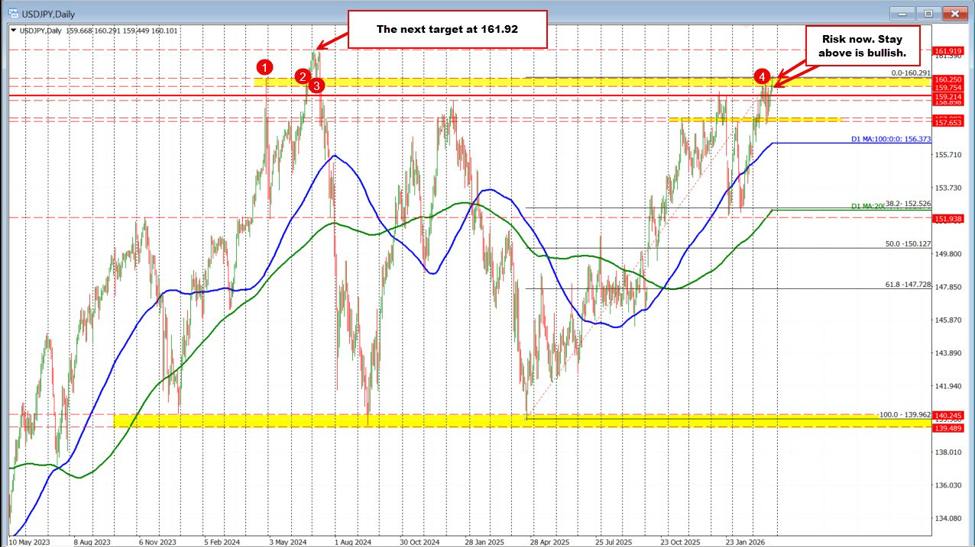
The USDJPY has pushed decisively above the 160.00 level, extending to a high of 160.29. In doing so, the pair briefly moved above a key swing area from 2024 near 160.25, but the break lacked follow-through, with the move only clearing that zone by a handful of pips before stalling. That hesitation at a prior multi-year reference point is worth noting—buyers made a run, but haven’t yet shown the conviction needed to accelerate the trend.On the downside, last week’s high at 159.895 now serves as a near-term barometer for buyers and sellers. Staying above keeps the bullish bias intact. A move below would start to erode upside momentum and open the door for a deeper corrective rotation.For buyers, risk can be more tightly defined against 159.74—the high from March 16. That level represents a clear line in the sand. If the price dips below and stays below, the breakout above 160 starts to look more like a failed break, which could invite sellers back into the market.What next? If buyers can hold above 159.895 and keep price supported, the focus shifts back toward a sustained break above 160.25–160.29, where momentum could start to build. Fail to hold those support levels, and the bias tilts back lower with the breakout losing credibility.Key levels:160.25–160.29 – Resistance / recent highs / 2024 swing area 159.895 – Near-term support / bias-defining level 159.74 – Risk-defining level for buyers (March 16 high) This article was written by Greg Michalowski at investinglive.com. 🔗 Source 💡 DMK Insight The USDJPY’s recent push above 160.00 is significant, but traders should be cautious about the lack of follow-through. Hitting 160.29 and breaching the 160.25 swing area from 2024 might seem bullish, yet the stall indicates potential weakness. This could signal a false breakout, which often leads to a pullback. Traders should monitor for a sustained move above 160.25 to confirm bullish momentum. If the pair retraces, watch for support around 159.50, which could provide a buying opportunity if it holds. Additionally, keep an eye on broader market sentiment and any shifts in U.S. economic data that could impact the dollar’s strength against the yen. A failure to maintain above 160.00 could trigger selling pressure, especially if we see increased volatility in related markets like equities or commodities, which often correlate with currency movements. 📮 Takeaway Watch for a sustained move above 160.25 to confirm bullish momentum; otherwise, a pullback to 159.50 could present a buying opportunity.

ECB Schnabel: There is no need to rush into action
ECB’s Schnabel is speaking and says:We are facing a massive energy price shock.There is no need to rush into action. We have time to analyze the data. ECB should not be rushed to raise rates.This has a stagflation-lite feel—the energy shock keeps inflation risks alive, but the wait-and-see stance tells you the ECB isn’t in a hurry to support growth. That’s not a green light for risk, and it leans more bearish for the economy, while keeping a hawkish bias on inflation vigilance. This article was written by Greg Michalowski at investinglive.com. 🔗 Source 💡 DMK Insight Schnabel’s comments signal a cautious ECB, and here’s why that matters: The acknowledgment of a massive energy price shock suggests that inflation pressures are still a concern, but the ECB’s reluctance to act immediately indicates a potential divergence from aggressive rate hikes seen in other central banks. This ‘stagflation-lite’ scenario could lead to a volatile environment for the euro, especially if inflation remains sticky while growth slows. Traders should keep an eye on how this stance affects the euro against the dollar and other currencies, particularly if energy prices continue to rise. Moreover, the wait-and-see approach could mean that the ECB is prioritizing data analysis over immediate action, which might lead to increased market uncertainty. If inflation data comes in hotter than expected, we could see a sudden shift in sentiment. Watch for key levels around EUR/USD; a break below recent support could trigger further selling pressure. Conversely, if the ECB surprises with a hawkish pivot later, expect a sharp euro rally. 📮 Takeaway Monitor EUR/USD closely; a break below recent support could signal further downside, especially if inflation data surprises to the upside.
Secretary of State Rubio said that the war with Iran will continue for another 4 weeks
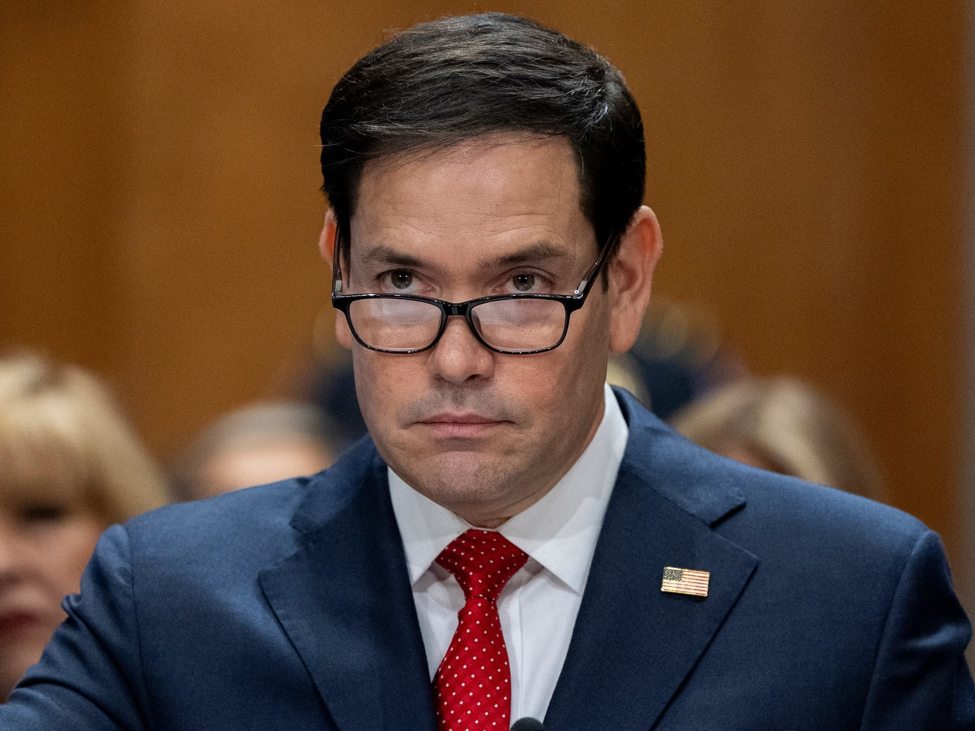
US Secretary of State Marco Rubio speaks after G7 meeting of foreign ministers: We had a really good meeting at G7we expect the Iran operation to conclude at the appropriate time, we are talking weeks not months.Iran may decide to set up a tolling system on the Strait of Hormuz.There are no meetings scheduled as of now on Russia – Ukraine.Weapons destined for Ukraine are not being diverted but that could happen.Rubio told G7 leaders that the war with Iran will continue for another 4 weeks. There is nothing Russia is doing for Iran’s that impedes our operations.Zelenskyy was told security guarantees, only after there is an end to the war.Zelenskyy is comments on Thursday about supposed US demands for Ukrainian concessions were “a lie”We can achieve our goals in Iran without any ground troops.We are waiting for further clarification on who we will be talking to on Iran negotiations We have exchanged messages and indications from Iranian system about a willingness to talk about certain things Iranian tolling of the Strait of Hormuz would not be acceptable.We do expect a response from Iran either today or tomorrow.Relief on Russian crude is not a permanent policy for the United States.There are some constructive elements — timelines (weeks, not months – although, it was supposed to be over at 4 week – we are going past that this week), no need for ground troops, and ongoing communication with Iran — but nothing in there signals a clear path to resolution. You’re still waiting on responses, still defining who talks to who, and still dealing with potential risks like Hormuz disruption.So while the tone is measured and somewhat confident, the substance says the situation is still fluid and unresolved.Meanwhile, German Chancellor Merz is saying: If there is international mandate after Iran war and parliamentary approval, could help for example with mine clearance.US and Israel have no strategy on what they wantOuch. This article was written by Greg Michalowski at investinglive.com. 🔗 Source 💡 DMK Insight The G7’s focus on Iran’s Strait of Hormuz operations could shake oil markets soon. With Secretary Rubio indicating a timeline of weeks for the Iran operation, traders should brace for potential volatility in crude oil prices. Any disruptions in this critical shipping lane can lead to immediate spikes in oil prices, impacting not just crude but also related assets like energy stocks and ETFs. If Iran implements a tolling system, it could create new dynamics in oil supply and pricing, making it essential for traders to monitor Brent and WTI benchmarks closely. Look for key resistance levels around recent highs; a breach could signal a bullish trend. On the flip side, if diplomatic efforts yield a peaceful resolution, we might see a quick pullback in oil prices. Keeping an eye on geopolitical news and sentiment is crucial, as market reactions can be swift and unpredictable. Watch for any announcements from OPEC or related entities that could influence supply decisions in the coming weeks. 📮 Takeaway Traders should monitor oil prices closely for potential spikes as G7 discussions on Iran’s Strait of Hormuz operations unfold in the coming weeks.