
 Bitcoin
  Ethereum
  Tether
  BNB
BNB  XRP
XRP  USDC
USDC  Solana
  TRON
TRON  Lido Staked Ether
  Figure Heloc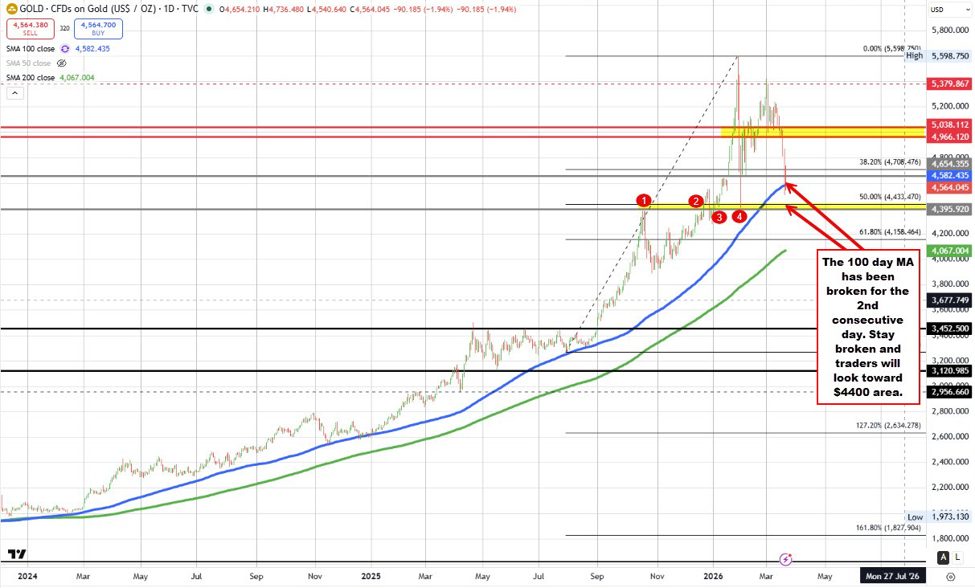
The price of gold is under notable pressure today, falling sharply by about $90, or -1.93%, to trade near the $4565 level. That decline has pushed the price back below its 100-day moving average at $4582.44—a key technical level that has served as an important barometer for trend direction over the past several months.Looking back to yesterday’s price action, gold also dipped below that same 100-day moving average but managed to recover into the close. That late-session rebound helped the metal avoid its first daily close below the 100-day moving average since December 2024, reinforcing the idea that buyers were still willing to defend that level. However, today’s renewed break—and the inability (so far) to reclaim it—suggests that downside momentum may be starting to build, with sellers gaining more control in the near term.From a technical perspective, staying below the 100-day moving average (close risk now) keeps the bias tilted to the downside. If the price cannot quickly move back above that level, traders will begin to look toward lower support zones for the next targets. The next key area comes in near the $4400 region, which represents an important psychological level as well as a zone of prior price interaction.More specifically, the 50% midpoint of the move higher from the last major test of the 100-day moving average back in August 2025 comes in at $4433. That level adds a layer of technical significance within the broader $4400 area. Just below that, a swing low from late January sits near $4395, which also aligns with prior swing highs going back to October—creating a cluster of support that traders will be watching closely.In short, the break below the 100-day moving average shifts the near-term focus to the downside, with the $4433 to $4395 area representing a key support zone. Holding above that region could stabilize the market and invite buyers back in, but a sustained move below would likely open the door for a deeper correction as bearish momentum builds. This article was written by Greg Michalowski at investinglive.com. 🔗 Source 💡 DMK Insight Gold’s sharp drop below $4582.44 is a critical signal for traders right now. This decline not only breaks a key technical level but also raises questions about market sentiment amid broader economic pressures. With gold trading near $4565, the loss of the 100-day moving average could indicate a shift towards bearish sentiment, prompting traders to reassess their positions. If this trend continues, we might see further selling pressure, potentially targeting the next support level. Watch for how the market reacts in the coming days—if gold fails to reclaim that moving average, it could lead to cascading effects across commodities and related assets like silver or mining stocks. On the flip side, if buyers step in and push prices back above $4582.44, it could signal a buying opportunity for those looking to capitalize on a potential rebound. Keep an eye on volume and momentum indicators to gauge the strength of any recovery attempt. 📮 Takeaway Traders should monitor gold’s ability to reclaim the $4582.44 level; failure to do so could lead to further declines.
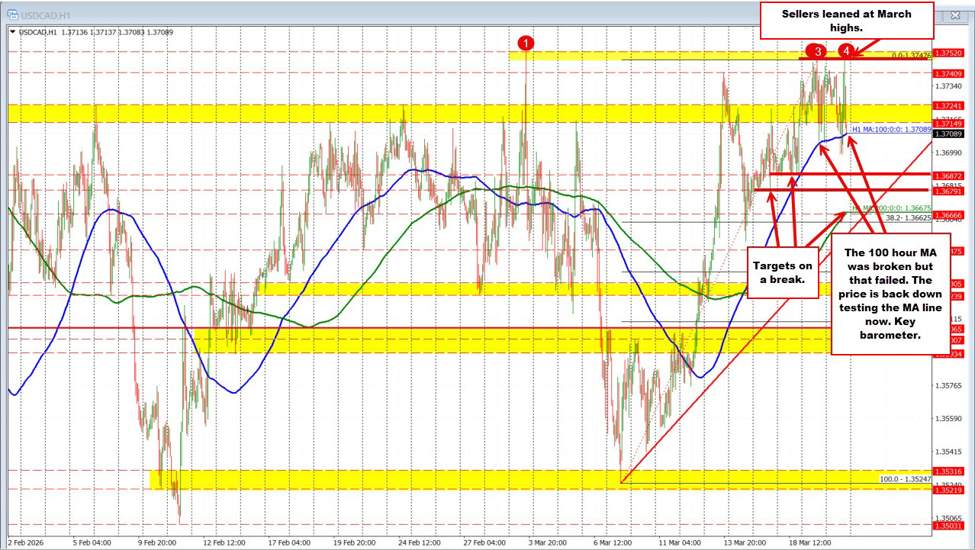
USDCAD sellers had their shot. They missed. What now technically for the USDCAD traders?
The USDCAD opened near the highs from earlier this month at 1.3752, but upside momentum stalled when the price failed to extend above yesterday’s high at 1.37476. That failure prompted buyers to turn to sellers, pushing the pair lower in early trading.On the downside, the 100-hour moving average (currently near 1.37086) once again became the key focus. This level has been well-defined support over the past few sessions. Yesterday, the price tested the moving average on two separate occasions and found willing buyers both times. Similarly, on Wednesday, multiple dips into the level were met with buying interest, reinforcing its importance as a short-term floor.In today’s trade, the first test of the 100-hour moving average held initially, but sellers were able to push the price below the level toward 1.3707, extending to a session low of 1.3700. However, downside momentum could not be sustained. As selling pressure faded, the price rotated back higher, and once it moved back above the 100-hour moving average, short sellers were forced to cover on the failed break. That shift helped drive the price back up toward a retest of yesterday’s high at 1.37476.Once again, that level attracted sellers. The inability to break higher kept the range intact, and the price has since rotated back to the downside, with the pair now trading back toward the 100-hour moving average, which remains the key pivot point for traders.The technical story remains largely unchanged from yesterday. The 100-hour moving average continues to define near-term bias. A break below that level should open the door for further downside momentum, with targets at 1.3700, followed by the Wednesday swing low at 1.3687, and then the rising 200-hour moving average near 1.36675. Conversely, if buyers once again defend the 100-hour moving average and push the price higher, traders will look toward resistance at 1.3724, followed by yesterday’s high at 1.3747, and the monthly high at 1.3752.In short, the market remains range-bound, with buyers defending support and sellers capping the highs. The next break—either below the 100 hour MA or the highs for the month, will be eyed for further momentum in the direction of the break. This article was written by Greg Michalowski at investinglive.com. 🔗 Source 💡 DMK Insight USDCAD’s failure to break above 1.37476 is a critical moment for traders. The pair opened at 1.3752 but couldn’t maintain momentum, indicating a potential shift in sentiment. This resistance level at 1.37476 is now a key watchpoint; if it holds, we could see further downside, especially with the 100-hour moving average looming nearby. Traders should be cautious, as this could trigger a wave of selling if the pair breaks below that moving average. The broader context shows a mixed sentiment in the forex market, with the USD showing strength against other currencies, but CAD’s performance is tied closely to oil prices. If oil continues to decline, CAD could weaken further, adding pressure to USDCAD. On the flip side, if the pair manages to reclaim the 1.37476 level, it could signal a bullish reversal, attracting buyers back into the market. Keep an eye on the 1.3752 resistance and the 100-hour moving average for potential trading signals. 📮 Takeaway Watch for USDCAD’s movement around 1.37476 and the 100-hour moving average; a break below could signal further downside.
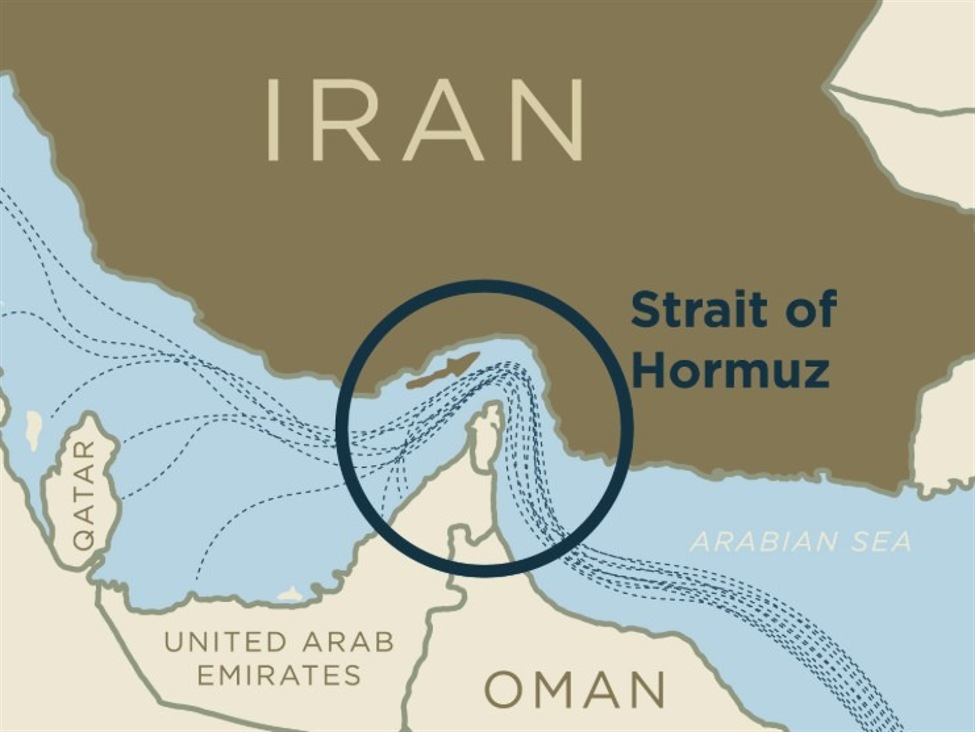
Iran unwilling to discuss Hormuz while under attack – report
A Bloomberg report citing an Iranian official says that Iran is sticking to its hardline position on the Strait of Hormuz and unwilling to discuss opening it while it’s under attack.The report says:Iranian officials have become reluctant to even discuss reopening the Strait of Hormuz as they focus on surviving the US-Israeli onslaught, according to a person involved in direct, high-level contacts with Tehran.It looks like early next week, we will have some kind of showdown between the US navy and Iran’s soldiers near the strait. How that unfolds is uncertain because President Trump confirmed there are no plans to send troops to any place. Of course, truth is the first casualty of war and this whole thing started while peace discussions were ongoing.”Officials are losing confidence that the US and Israel have an exit plan and see deeper economic disruptions ahead,” the report says.May WTI crude was as low as $92.47 earlier today but it’s risen more than $5 on growing expectations that Trump will blow beyond the 4-5 week timeline he set for the war.The S&P 500 remains within today’s range and is down 0.8%.Despite what Trump is saying about ground troops, all indications are that next week, Marines will be tasked with taking over Kharg Island and holding it hostage in order to get Iran to open up the Strait. As it stands, Iran is the only country that’s using the Strait and that’s providing them enhanced revenues while depriving the rest of the world of either oil or oil sales.The US may try to flip that and allow Gulf states to export while Iran is locked out. Military experts say that may be difficult given that Iran has 1000 miles of coast from which to attack tankers sailing through, along with drones that can be launched from inland. It will be particularly tough for the US to protect ships if it refuses to put an troops on shore. At this point, you have to hope that Trump is getting a sober assessment of the situation but what nags at me is that it’s entirely in Russia’s interest to keep this war going as long as possible.Finally the report says this:At the outset of the war, Iran told regional intermediaries that it was willing to discuss a truce if it had guarantees there will be no further attacks on the country.That possibility now seems elusive.Not a great look. This article was written by Adam Button at investinglive.com. 🔗 Source 💡 DMK Insight Iran’s hardline stance on the Strait of Hormuz could disrupt oil markets significantly. With tensions rising, traders should brace for potential volatility in crude oil prices. The Strait is a critical chokepoint for oil shipments, and any escalation could lead to supply disruptions. If Iran remains unyielding, we might see Brent crude test resistance levels around recent highs, potentially pushing prices higher. Keep an eye on geopolitical news and oil inventory reports, as they could provide clues on market sentiment. Additionally, watch for reactions from major oil producers and how they might adjust their output in response to these tensions. On the flip side, if diplomatic efforts unexpectedly emerge, we could see a quick reversal in oil prices, so stay alert for any signs of negotiation or de-escalation. 📮 Takeaway Monitor Brent crude prices closely; any escalation in Strait of Hormuz tensions could push prices above recent highs, impacting trading strategies.

US assessment: Iran could keep Hormuz shut for anywhere from one to six months
CNN is out with a report highlighting the difficulty of reopening the Strait of Hormuz:US officials are furiously trying to avert a potential months-long closure of the Strait of Hormuz, privately acknowledging that reopening the key waterway is a problem without a clear solutionThe report from the Defense Intelligence Agency said it could remain shut from 1-6 months, citing four sources familiar.An official pushed back against the six-month scenario, saying: the six month closure of the Strait of Hormuz is an impossibility and completely unacceptable to the Secretary of WarOil is higher on this report but it’s notable that this assessment isn’t current, it was said to be circulating “in recent weeks” which suggests it was prepared before the war and wouldn’t necessarily reflect damage since or indications of Iranian capabilities.I found this detail to be particularly challenging from a logistics standpoint:Escort missions through the strait would require several destroyers per tankerBefore the war, there were 40-50 tankers a day normally plus twice as many cargo ships. That sounds…difficult, particularly given that a full passage of the strait takes about 40 hours. This article was written by Adam Button at investinglive.com. 🔗 Source 💡 DMK Insight The potential closure of the Strait of Hormuz could disrupt oil supply chains, impacting energy markets and correlated assets like SOL. With SOL currently at $89.94, traders should be aware that geopolitical tensions can lead to increased volatility in both crypto and traditional markets. If oil prices spike due to supply disruptions, we might see a flight to safety in assets like Bitcoin, which could indirectly affect SOL as well. Keep an eye on the $90 resistance level for SOL; a break above could signal bullish sentiment, while a drop below could indicate bearish pressure. Also, monitor oil prices closely, as any significant movement could create ripple effects across the crypto space, particularly for altcoins that are sensitive to market sentiment. Here’s the thing: while mainstream coverage focuses on the immediate implications for oil, the broader impact on crypto markets is often overlooked. Traders should prepare for potential volatility and consider adjusting their positions accordingly based on developments in the Strait of Hormuz situation. 📮 Takeaway Watch SOL closely around the $90 level; geopolitical tensions could trigger significant volatility in both oil and crypto markets.
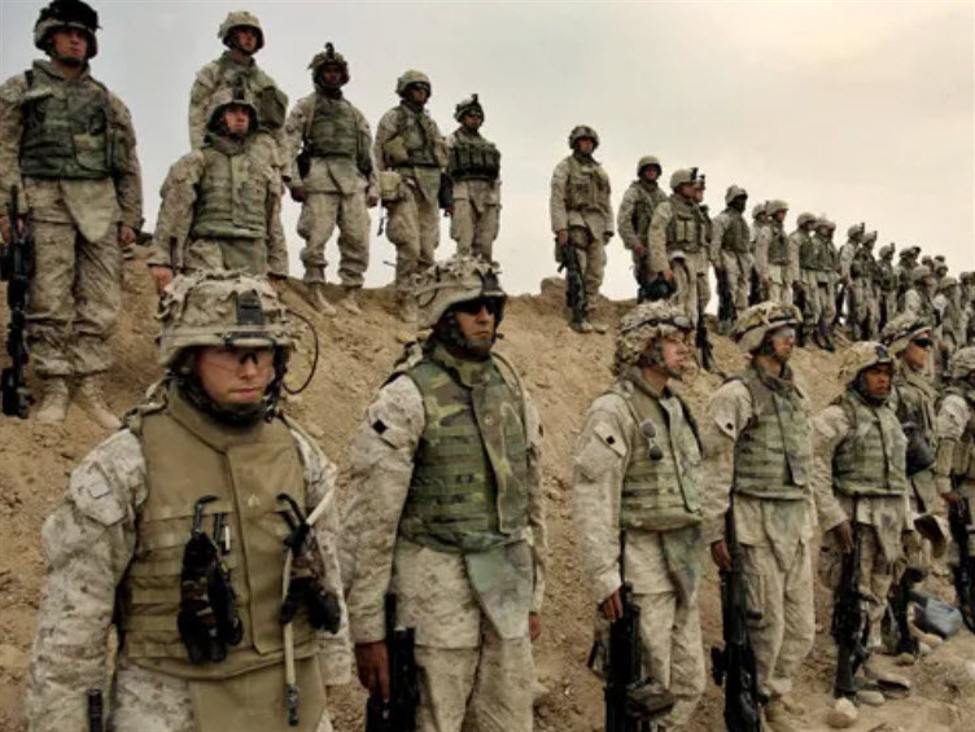
US made detailed preparations for potential ground troops in Iran – report
Pentagon officials have made detailed preparations for deploying US ground forces into Iran, according to a CBS report.The report says Trump is deliberating whether to position ground forces in the region.”No, I’m not putting troops anywhere,” Trump said yesterday but quickly added: “If I were, I certainly wouldn’t tell you.”I wonder why this was leaked. I tend to think it might be something to bring Iran to the negotiating table but it could also be from those who think sending troops to the Middle East is a grave mistake.Finally, it could all be part of the usual planning and options that all military officials are constantly doing. So far, the reports we have are that two units of Marines have been deployed, with about 2200 soldiers each. The first should arrive in the theatre from Japan on Sunday or early next week while the second is roughly three weeks away as it sails from California.However if you break those units down, most would be in support rose with around 200 commandos and perhaps 700-900 possible ground combatants with a few hundred more ground-capable troops.In contrast, there were a half-million soldiers involved in Desert Storm and an initial force of 150,000 soldiers in the 2003 Iraq invasion. Iran is 3.5x larger, much more mountainous and around 3.5x more populous. There’s also no natural place from which to stage an invasion as the mountains protect the border with Iraq.In any case, the market doesn’t like where this is all headed and brent is now up $4 to $112 from as low as $105.05 earlier. The S&P 500 is down 1.4% and the Nasdaq down 2%. This article was written by Adam Button at investinglive.com. 🔗 Source 💡 DMK Insight Geopolitical tensions are rising, and here’s why ETH traders should pay attention: The Pentagon’s preparations for potential ground forces in Iran could escalate market volatility, particularly in risk-sensitive assets like Ethereum. With ETH currently at $2,153.75, any military action could lead to a flight to safety, impacting crypto prices. Traders should watch for reactions in the broader market, especially if oil prices spike or if there’s a significant shift in investor sentiment. Historically, geopolitical tensions have led to increased volatility in crypto markets, often causing sharp price movements. So, keep an eye on ETH’s support levels around $2,100 and resistance at $2,250. If ETH breaks below $2,100, it could signal further downside risk. On the flip side, if tensions de-escalate, we might see a rebound in risk appetite, potentially pushing ETH back towards its recent highs. The key here is to monitor news developments closely and adjust positions accordingly. Look for any major announcements or shifts in military strategy that could influence market sentiment in the coming days. 📮 Takeaway Watch ETH closely around $2,100 for potential downside; any escalation in Iran could trigger volatility in crypto markets.

NASDAQ index down -2% and S&P index down -1.5%
As we head into the close, the major US stock indices are pressing to new lows for the day and the week, with downside momentum building. The S&P 500 is down nearly 1.5%, while the NASDAQ has extended losses to around -2.0%, reflecting broad-based selling pressure.This week marks an important technical shift, as both indices have now moved below their 200-day moving averages (Green line on the chart below) for the first time since May 2025. That break weakens the longer-term bullish bias and suggests that sellers are gaining firmer control.Focusing on the S&P 500, the index has now extended below the November low at 6521.92, taking out a key support level. With that break, the chart opens up, and there is limited support until the 6352 level, followed by a deeper target near 6212. Beyond that, the 38.2% retracement of the rally from the April 2025 low comes in at 6174.39, which represents a more significant correction zone.If the price were to extend toward that retracement level, it would imply a decline of roughly 11.6% from the all-time high reached in January, highlighting the potential magnitude of the current correction if downside momentum persists.Looking back to 2025, the move down from the February high to the April low took the price down -21.4%. For the trading week, the S&P index is down -1.86%.Likewise, the NASDAQ index has seen its technical tone shift more decisively to the downside. The index moved and closed back below its 200-day moving average on Wednesday, and since then, downside momentum has continued to build through both yesterday’s and today’s sessions.The decline has now pushed the price below a key swing area between 21,641 and 21,803, increasing the bearish bias. Currently trading near 21,640, down about -2.04% on the day, the break of that support zone suggests sellers are maintaining control.Looking ahead, the next downside target comes in between 20,905 and 21,033, which represents the next meaningful support region. A move below that zone would shift focus toward the 38.2% retracement of the rally from the April 2025 low, which comes in near 20,491.86.A decline to that level would represent roughly a -14.6% drop from the all-time high, underscoring the scope of the current correction if momentum continues lower. For context, the prior trend move from the February 2025 high to the April 2025 low saw a much steeper decline of about -26.5%, highlighting that while the current move is significant, it has not yet reached the magnitude of previous corrections.For the trading week, the NASDAQ index is down -2.04%.War in Iran is about to enter its 4th week. Although Trump and the US insist the plan is ahead of schedule, there are still changes to the plan including taking over Kharg Island which suggests boots on the ground and an end to the war weeks – if not months away. Moreover, strategic targets could be under attack by Iran and any hits, could require years of rebuilding and threatens the supply/demand for oil globallyCrude oil is currently trading at $98.60, after a volatile week which saw the low price extend down to $91.45, and the high price reach $102.44. For the week the price is little changed. Recall last week, the high price reached all the way up to $119.48 before closing the week near $99.30 This article was written by Greg Michalowski at investinglive.com. 🔗 Source 💡 DMK Insight The S&P 500 and NASDAQ are hitting new lows, and here’s why that matters: With the S&P 500 down nearly 1.5% and the NASDAQ at around -2.0%, traders should be wary of increasing downside momentum. This broad-based selling pressure signals a potential shift in market sentiment, possibly driven by economic concerns or disappointing earnings reports. The current trend could lead to further declines, especially if key support levels are breached. Watch for the S&P 500 to hold above its recent lows; a break below could trigger more aggressive selling. On the flip side, this might create buying opportunities for contrarian traders looking for oversold conditions. If the market finds support and reverses, it could lead to a short-term rally. Keep an eye on the volume during these sell-offs; high volume could indicate stronger conviction behind the moves. As we approach the end of the week, monitor any economic data releases that could impact sentiment, particularly around inflation or employment figures. 📮 Takeaway Watch the S&P 500 closely; a break below recent lows could signal further declines, while a rebound might present buying opportunities.
The Fed funds futures market is now pricing in a 30% chance of a US rate hike
The market is sensing that energy prices will stay higher for longer as the US and Israel struggle to define a plan for peace and reopening the Strait of Hormuz.Trump today in a Truth Social post said it would be easy to re-open the strait and that the US was prepared to do it alone. The market doesn’t believe it as Brent crude oil is now up $4 to $112.68. There is also a crunch in natural gas, fertilizer, sulpher and other goods that normally flow from the area.With that, US 12-month inflation breakevens are now up to 5.3%. That’s a potentially crushing number of the US economy as it would almost certainly force the Fed to hike rates.That’s the highest level since March 2023 and comes in stark contrast to the disinflationary impulses we saw in December.It truly looked like the Fed was on its way to conquering inflation and now that’s all come undone. Earlier today, we got comments from Fed Governors Waller and Bowman that sounded like they were throwing in the towel on rate cuts, at least if the current energy regime continues. A year of +5% inflation would be badly damaging to the Fed’s credibility as they haven’t achieved their target at any point this decade.In terms of the Fed curve, there are now 7 bps of hikes priced in through December. That’s a dramatic reversal from in February when pricing was for 60 bps of easing in that time frame. This article was written by Adam Button at investinglive.com. 🔗 Source 💡 DMK Insight Energy prices are set to remain elevated, and here’s why that matters for traders: geopolitical tensions are driving volatility. With the US and Israel at an impasse over peace talks, the uncertainty surrounding the Strait of Hormuz could lead to supply disruptions. Traders should keep an eye on crude oil futures, especially if prices breach key resistance levels. If we see a sustained move above recent highs, it could trigger further buying interest, particularly from institutional players looking to hedge against inflation. On the flip side, if peace talks gain traction unexpectedly, we might see a sharp pullback in energy prices, so it’s crucial to monitor news closely. Watch for any developments in diplomatic efforts or military actions that could impact supply chains. In the short term, focus on the daily charts for crude oil; a break above $80 could signal a bullish trend, while a drop below $75 might indicate a reversal. Keep your risk management tight as volatility is likely to spike with any new developments. 📮 Takeaway Watch for crude oil to break above $80 for bullish momentum or below $75 for potential reversal; geopolitical developments will be key.
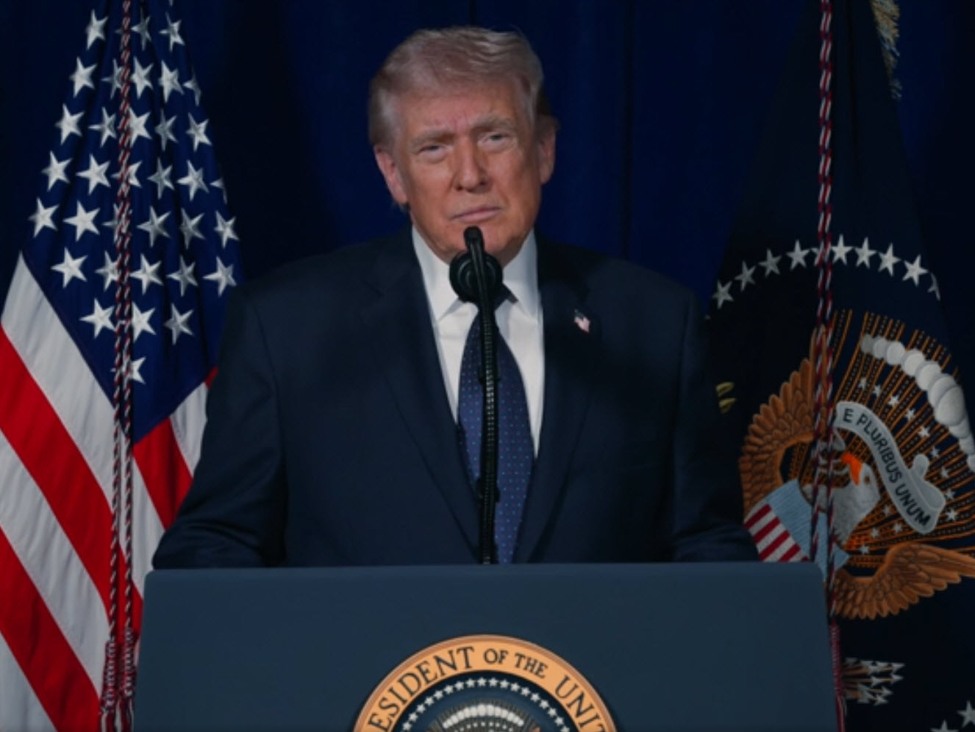
Trump on opening the Strait of Hormuz: You need a lot of help
At a certain point, the Strait will open itselfI think Israel will be ready to end the war when the US wants it to endI don’t want to do a ceasefireWe can have dialogue but I don’t want to do a ceasefireOn Hormuz: It would be nice if China and Japan got involvedOn UK help: A very late response, they should have acted fasterSays lacks radar, aircraft, and leadership, with a firm stance against a ceasefireWe have unlimited ammunition and a lot of troopsOn oil prices, Trump said he expected worseRepeats that operation is “weeks ahead” of scheduleWe don’t need to Strait of HormuzSo the context of the ceasefire comment is that Iran said it won’t negotiate without a ceasefire while Trump is saying they can “have dialogue” but that he doesn’t want a ceasefire.So, basically, they can’t even agree on the terms for talking.”We can have dialogue, but I don’t want to do a ceasefire,” Trump says about Iran. “You don’t do a ceasefire when you’re literally obliterating the other side.”Trump still seems to be aiming for an unconditional surrender. We’ll see. This article was written by Adam Button at investinglive.com. 🔗 Source
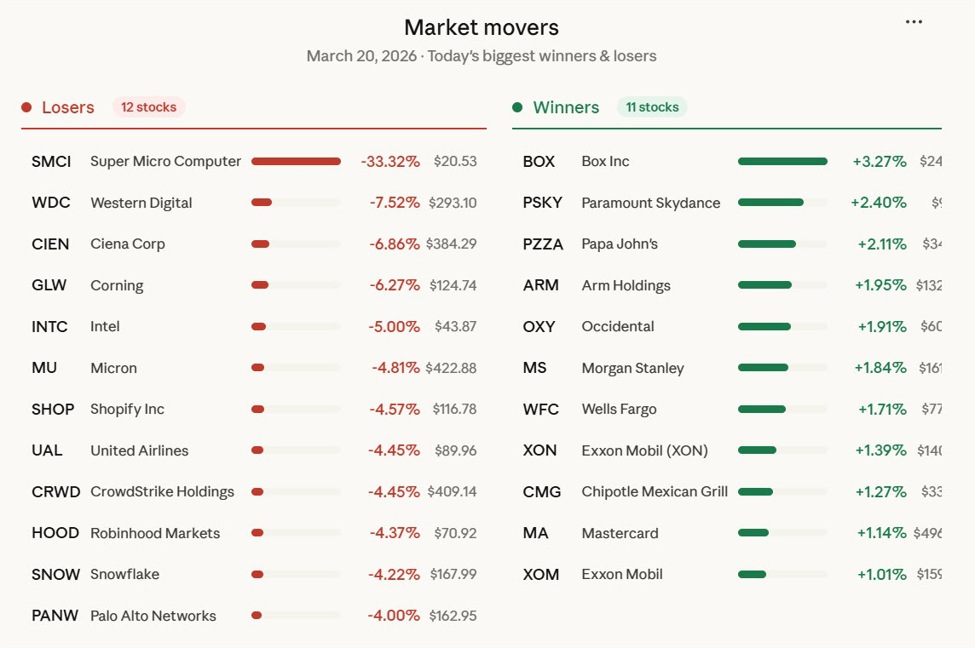
Stocks close the day lower. Dow -1.0%. S&P -1.5% Nasdaq -2.0
The declines in the major indices were symmetrically worse going from the Dow, to the S&P to the Nasdaq. Rounding, the Dow fell -1.00%, the S&P fell -1.50%, and the Nasdaq fell by -2.00%. All three indices also closed below its 200 day MA this week. The Dow 200 day MA is at 46562. The index closed at 45577.47The S&P 200 day MA is at 6621.73. The index closed at 6506.48The Nasdaq 200 day MA is at 22248.94. The index closed at 21647.61For the trading week: Dow fell -2.11%S&P fell -1.90%Nasdaq fell -2.07%Super Micro Computer tumbled on the back of charges from the Justice Department of smuggling Nvidia chips to China. From the gainers oil is higher by 2.8% and so are oil stocks led by Occidental, Exxon . This article was written by Greg Michalowski at investinglive.com. 🔗 Source 💡 DMK Insight The major indices just closed below their 200-day moving averages, and here’s why that matters: This decline, with the Dow down 1%, S&P 1.5%, and Nasdaq 2%, signals potential bearish momentum. Closing below the 200-day MA often indicates a shift in market sentiment, suggesting that traders should brace for further volatility. The Nasdaq’s sharper drop could lead to increased selling pressure, particularly in tech stocks, which often lead market trends. Watch for a potential retest of these levels; if the indices fail to reclaim the 200-day MA, we might see a cascade effect, pushing more traders to the sidelines or into short positions. On the flip side, this could present a buying opportunity if the market finds support at key Fibonacci retracement levels. Keep an eye on the upcoming earnings reports and economic data releases, as these could either exacerbate the current trend or provide a catalyst for a rebound. For now, monitor the 200-day MA closely; a decisive move above or below could dictate the next trading strategy. 📮 Takeaway Watch the 200-day MA closely; a failure to reclaim it could lead to increased selling pressure, especially in tech stocks.

investingLive Americas market news wrap: Nowhere to hide
Trump says reopening Hormuz “a simple military manoeuver” with “so little risk”US made detailed preparations for potential ground troops in Iran – reportUS assessment: Iran could keep Hormuz shut for anywhere from one to six monthsIran unwilling to discuss Hormuz while under attack – reportCanada January retail sales +1.1% vs +1.5% expectedCanada February producer price index +0.4% m/m vs +1.1% expectedFeds Waller: If oil stays high for months on end, at some point it bleeds into inflationFed’s Bowman: I am still concerned about the jobs marketThe Fed funds futures market is now pricing in a 30% chance of a US rate hikeTrump reportedly mulls occupying Kharg Island to force Iran to reopen Strait of HormuzMarkets:Gold down $143 to $4502US 10-year yields up 10 bps to 4.39%Silver down 6.7%Bitcoin down 0.8%WTI crude oil up $2.60 to $98.09S&P 500 down 1.7%I’m not sure if we’re at maximum fear yet but we are close. There was nowhere to hide on Friday as the market increasingly feared a weekend escalation, or worse, saw signs of a quagmire. In the US morning, Trump called NATO allies cowards and said it will be “so easy” to reopen Hormuz and just before the market close, eh said “you need a lot of help” to reopen it. That kind of talk has the market increasingly believe there is no real plan here and that Trump expected Iran to surrender.Instead, Iran is insisting on a ceasefire before even talking about opening Hormuz while Trump has rejected that.It was a bloodbath throughout markets as oil was the oil place to hide. Bonds were beaten up again as the market now sees a 30% chance of a Fed hike this year as one-year implied inflation rates rose to 5.3%.Naturally, stocks fell with global markets down 2-3% and both the Nasdaq and Russell now down 10% from their hights, a technical correction. The S&P 500 is in its worst four-week loss since the period ending April 18. It was also the worst day in a month.Gold was caught in the crossfire in the third day of heavy selling. It fell below $4500 for the first time since early February and silver was battered. Both were set to close near the lows.In the FX market, the US dollar re-asserted itself and recouped some of the decline from yesterday. It was particularly strong in USD/JPY where Japan looks increasingly vulnerable to an inflationary shock from energy prices. If there’s any silver lining, it’s that sentiment is extremely bad with every commentator talking about oil-maggedon and a protracted closure of Hormuz. This article was written by Adam Button at investinglive.com. 🔗 Source 💡 DMK Insight With ADA at $0.26, geopolitical tensions around the Strait of Hormuz could impact crypto markets significantly. The potential for military action in Iran raises concerns about oil supply disruptions, which historically correlate with increased volatility in risk assets, including cryptocurrencies. Traders should keep an eye on how these developments affect market sentiment, especially if oil prices spike. If ADA can maintain support around $0.25, it might attract buyers looking for a bargain amid broader market fears. However, if geopolitical tensions escalate, we could see a flight to safety, pushing ADA lower. The real story is how these external factors could trigger a sell-off or a rally, depending on market reactions. Watch for ADA’s performance over the next week; a break below $0.25 could signal a bearish trend, while a recovery above $0.28 might indicate renewed bullish sentiment. Keep an eye on oil prices and news from the Middle East as they could have cascading effects on crypto markets. 📮 Takeaway Monitor ADA closely; a drop below $0.25 could signal further bearish momentum, while a rise above $0.28 may indicate a bullish reversal.