
 Bitcoin
  Ethereum
  Tether
  BNB
BNB  XRP
XRP  USDC
USDC  Solana
  TRON
TRON  Lido Staked Ether
  Figure Heloc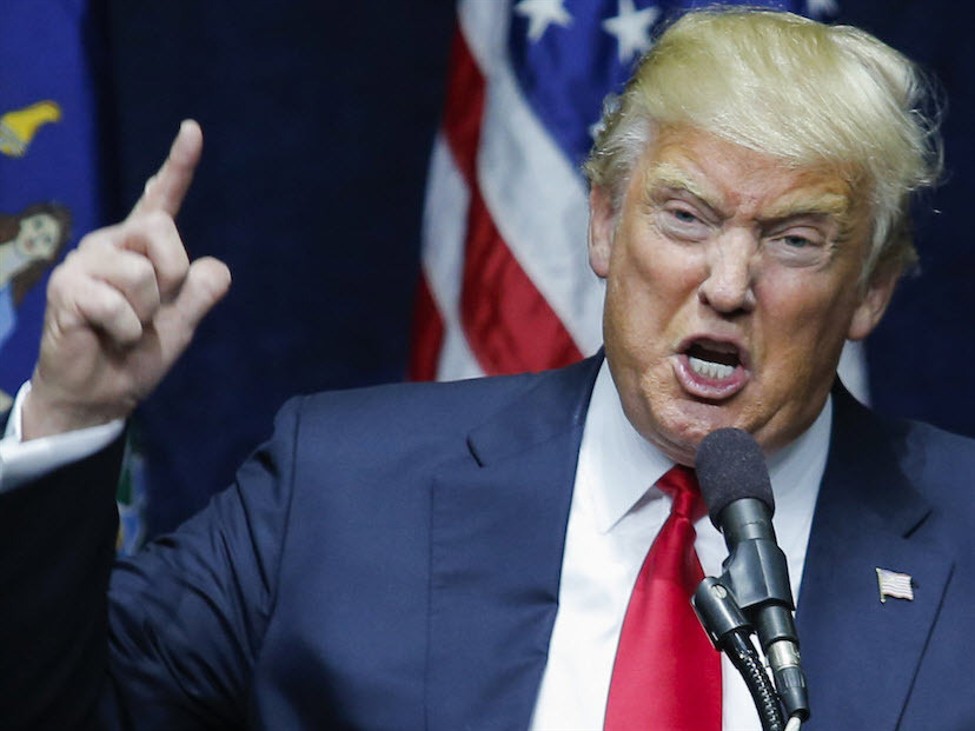
Here is the latest from Trump:We are getting very close to meeting our objectives as we consider winding down our great Military efforts in the Middle East with respect to the Terrorist Regime of Iran: (1) Completely degrading Iranian Missile Capability, Launchers, and everything else pertaining to them. (2) Destroying Iran’s Defense Industrial Base. (3) Eliminating their Navy and Air Force, including Anti Aircraft Weaponry. (4) Never allowing Iran to get even close to Nuclear Capability, and always being in a position where the U.S.A. can quickly and powerfully react to such a situation, should it take place. (5) Protecting, at the highest level, our Middle Eastern Allies, including Israel, Saudi Arabia, Qatar, the United Arab Emirates, Bahrain, Kuwait, and others. The Hormuz Strait will have to be guarded and policed, as necessary, by other Nations who use it — The United States does not! If asked, we will help these Countries in their Hormuz efforts, but it shouldn’t be necessary once Iran’s threat is eradicated. Importantly, it will be an easy Military Operation for them. Thank you for your attention to this matter! President DONALD J. TRUMPNotably, this came out after the market closed. In the past three weeks, he’s escalated things immediately after the market closed. This time, he’s de-escalating or at least indicating that he could leave.What he’s hinting at here is a strategy that many have speculated about, including us. He will simply declare ‘mission accomplished’ and leave the mess for everyone else to clean up.He said the Strait will “need to be guarded and policed… by other nations who use it”, ruling out the USA. He did say the US will help if asked but I imagine that would come at a high price. He also has pivoted from saying that securing the Strait will be easy for the US (this morning) to that it will be “easy … for them”.Regardless of the politics, this post significantly diminishes the chance of a US land invasion or a protracted war. It sounds like Trump is planning to bail out and leave Iran’s regime in place. Now we will have to wait to see what the plan is from Iran and Gulf countries. I can see Iran demanding that those countries close US bases. In any case, there is a statement from Europe, Japan, Canada and Bahrain saying they’re willing to join efforts for Hormuz safe passage. This article was written by Adam Button at investinglive.com. 🔗 Source 💡 DMK Insight Trump’s comments on winding down military efforts in the Middle East could shift market sentiment, especially in energy sectors. If the U.S. takes a less aggressive stance towards Iran, we might see a decrease in geopolitical tensions, which often leads to lower oil prices. Traders should keep an eye on crude oil futures, as any significant drop could impact related assets like energy stocks and ETFs. Additionally, the dollar’s strength is often tied to oil prices; a decline in oil could strengthen the dollar further, affecting forex pairs like USD/EUR. On the flip side, if tensions escalate unexpectedly, we could see a spike in oil prices, creating volatility. Watch for key levels in crude oil around recent highs or lows, and monitor the dollar index for potential shifts. The next few weeks could be pivotal as markets react to these developments and adjust their positions accordingly. 📮 Takeaway Keep an eye on crude oil prices and the dollar index; any shifts in military strategy could lead to significant market volatility.
White House outlines national AI framework, calls for unified federal approach
The legislative recommendations highlight six policy areas, including copyright, energy and workforce development, while signaling a lighter regulatory stance. 🔗 Source 💡 DMK Insight The shift towards a lighter regulatory stance could reshape market dynamics significantly. For traders, this is a crucial moment. A more favorable regulatory environment often attracts institutional investment, which can lead to increased liquidity and volatility in both crypto and traditional markets. If policymakers are signaling a willingness to ease restrictions, we might see a surge in speculative trading, especially in sectors like energy and tech that are directly impacted by these recommendations. Keep an eye on how this plays out in the coming weeks, as market participants digest these changes. However, there’s a flip side. While lighter regulations can boost market enthusiasm, they can also lead to complacency among traders. If the market overreacts to this news, we could see a sharp correction if the anticipated benefits don’t materialize. Watch for key resistance levels in related assets, particularly in energy stocks, which could be influenced by these policy changes. The next few weeks will be pivotal, so stay alert for any shifts in sentiment or market reactions. 📮 Takeaway Monitor how the lighter regulatory stance impacts liquidity and volatility in crypto and energy markets over the next few weeks, especially around key resistance levels.

Bitcoin RSI signals potential bottom as analysts flag key setup
Bitcoin’s RSI is nearing a key level, with analysts saying a higher low is needed to support a potential continuation in BTC price. 🔗 Source 💡 DMK Insight Bitcoin’s RSI is approaching a critical threshold, and here’s why that matters: With BTC currently at $70,550, the RSI’s behavior could dictate the next price move. Analysts suggest that for a bullish continuation, we need to see a higher low in the RSI, which would indicate strong buying momentum. If the RSI fails to establish this higher low, we might see a pullback, potentially testing support levels below current prices. Traders should keep an eye on the 70,000 mark as a psychological level—if it holds, it could set the stage for a rally, but a breach could trigger stop-losses and further selling pressure. On the flip side, if the RSI does confirm a higher low, it could attract more buyers, pushing BTC towards new highs. The interplay between RSI and price action is crucial here, so monitoring these indicators closely will be key. Watch for any divergence between price and RSI, as that could signal a reversal. Keep your charts open for the next few days; this week could be pivotal for BTC’s direction. 📮 Takeaway Watch for Bitcoin’s RSI to confirm a higher low; a failure could lead to a test of support below $70,000.

What happens to Bitcoin if oil price hits $180 per barrel?
A 70% oil spike could nearly double US inflation, slash rate-cut hopes, and deepen downside risks for Bitcoin prices in the coming months. 🔗 Source 💡 DMK Insight A potential 70% spike in oil prices is a game changer for inflation and Bitcoin. If oil prices surge, we could see inflation rates nearly double, which would likely push the Fed to reconsider any rate cuts. This scenario could lead to a stronger dollar, putting further pressure on Bitcoin and other risk assets. Traders should be wary of how this inflationary pressure could shift market sentiment, especially in the crypto space where correlations with traditional assets have been increasing. Keep an eye on key inflation indicators and the Fed’s upcoming meetings. If inflation metrics start to rise sharply, it could trigger a sell-off in Bitcoin, particularly if it breaks below critical support levels. Watch for Bitcoin’s reaction around the $25,000 mark; a sustained drop below this level could signal deeper bearish sentiment. The ripple effects could also impact equities and commodities, so stay alert for cross-market movements. 📮 Takeaway Monitor oil prices closely; a 70% spike could trigger inflation fears, impacting Bitcoin’s support around $25,000 and altering Fed rate cut expectations.

Market analyst sees further Bitcoin downside, flags $60K as key level
In the latest Cointelegraph interview, professional trader Alessio Rastani warns that Bitcoin could fall below $60,000 before a meaningful bottom forms. 🔗 Source 💡 DMK Insight Bitcoin’s potential drop below $60,000 is a critical warning for traders: don’t ignore it. Rastani’s caution reflects broader market sentiment, especially as traders digest recent volatility and macroeconomic pressures. If Bitcoin breaks below that $60,000 mark, it could trigger stop-loss orders and further selling, leading to a cascade effect. This level has been a psychological barrier, and a breach could open the door to deeper corrections, possibly retesting the $55,000 range. Traders should keep an eye on volume indicators and RSI levels on the daily chart to gauge momentum shifts. On the flip side, if Bitcoin holds above $60,000, it might signal resilience, attracting buyers looking for a dip. But right now, the risk of a downturn looms large, especially with potential regulatory news on the horizon that could shake market confidence. Watch for any significant news that could impact sentiment, as well as the upcoming weekly close to assess the strength of this level. 📮 Takeaway Monitor Bitcoin closely; a drop below $60,000 could trigger significant selling pressure, while holding above may indicate resilience.

Ether taker volume hits 3-year high: Will ETH avoid a 19% price decline?
A strong buy signal not seen since 2022 just flashed on Ether, but the altcoin needs to hold above a key price level to avoid invalidating the pattern. 🔗 Source 💡 DMK Insight Ether’s recent strong buy signal is a big deal, but it hinges on maintaining crucial support levels. Currently priced at $2,147.36, ETH must hold above this mark to validate the bullish pattern. If it slips below, we could see a quick reversal, shaking out traders who jumped in on the signal. This scenario is particularly relevant given the broader market’s volatility, as many altcoins are also reacting to macroeconomic indicators. Watch for how ETH interacts with this level over the next few days—if it can consolidate above $2,150, it might attract more buyers, pushing it towards previous resistance levels. Conversely, a drop below $2,100 could trigger stop-loss orders and lead to a cascade effect across the altcoin market, impacting assets like LTC, currently at $56.17. Keep an eye on trading volumes as well; a spike could confirm the strength of the buy signal. The real story is whether ETH can sustain momentum or if this is just another false dawn in a choppy market. 📮 Takeaway Watch for Ether to hold above $2,150; a failure to do so could trigger a sell-off, impacting altcoins like LTC.

Bitcoin price aims to hold $70K amid rising inflation concerns
Bitcoin searches for equilibrium at $70,000 while rising crude oil prices and tanking stock markets have investors worried over the future of inflation in the US. 🔗 Source 💡 DMK Insight Bitcoin’s struggle around $70,000 is more than just a price point—it’s a reflection of broader market anxiety. With crude oil prices climbing and stock markets under pressure, inflation fears are resurfacing, which could lead to increased volatility in crypto. Traders should keep an eye on how Bitcoin reacts to these macroeconomic signals. If it holds above $70,000, it might attract bullish sentiment, but a drop below could trigger a wave of selling. This scenario could also impact related assets like Ethereum, which often follows Bitcoin’s lead. Watch for key support levels and market sentiment shifts as we approach critical economic reports that could further influence inflation expectations and, consequently, crypto prices. 📮 Takeaway Monitor Bitcoin’s performance around $70,000; a break below could signal increased selling pressure amid rising inflation concerns.
Morning Minute: Bitcoin Rebounds as Oil Falls
Crypto bounced as traders bet the Iran war may end sooner than feared, while prediction markets just had a blockbuster day. 🔗 Source 💡 DMK Insight Crypto’s recent bounce is more than just a reaction to geopolitical news—it’s a signal of shifting trader sentiment. The optimism surrounding a potential resolution to the Iran war has sparked renewed interest in risk assets, including cryptocurrencies. Traders are likely interpreting this as a chance to reposition ahead of any significant market movements. Prediction markets showing increased activity suggest that traders are not just speculating but actively betting on outcomes, which can lead to volatility. This could create opportunities for day traders looking to capitalize on short-term price swings. However, it’s crucial to remain cautious; if the situation escalates instead of resolving, we could see a sharp reversal. Keep an eye on key resistance levels in major cryptocurrencies, as a sustained break above these could signal further bullish momentum. Watch for the 24-hour trading volume as a gauge of market interest—if it spikes, it might indicate that the current rally has legs. Conversely, if volume doesn’t follow price, it could be a warning sign of a false breakout. 📮 Takeaway Monitor key resistance levels in crypto and watch for trading volume spikes to gauge the sustainability of the current rally.
Altcoin Volume Slumps 80% Amid ‘Tighter’ Monetary Conditions
A changing investor landscape and Bitcoin’s failed breakout attempt led to an 80% drop in altcoin trading volume from October. 🔗 Source 💡 DMK Insight Altcoin trading volume plummeting 80% is a serious red flag for traders right now. With Bitcoin’s recent failure to break out, many investors are pulling back, leading to a significant decrease in altcoin activity. This drop in volume suggests a lack of confidence in the broader crypto market, which could trigger further sell-offs if the trend continues. Traders should be cautious, as this environment can lead to increased volatility and unpredictable price movements. It’s worth noting that when Bitcoin struggles, altcoins often follow suit, and this could create opportunities for short positions or hedging strategies. Keep an eye on LTC, currently at $56.17, as it could be a bellwether for altcoin sentiment. If it breaks below key support levels, it might signal further declines across the board. Watch for any recovery attempts in Bitcoin, as that could influence altcoin trading volume and sentiment positively. 📮 Takeaway Monitor LTC closely; if it drops below $54, it could indicate further weakness in altcoins amid declining trading volume.

What Happens to Bitcoin if Bank of America's 'Three Conditions' for Fed Rate Hikes Hit?
Analysts acknowledged that Bitcoin would likely face pressure if the Fed hikes rates, but they highlighted the asset’s recent resilience. 🔗 Source 💡 DMK Insight Bitcoin’s recent resilience is impressive, but rate hikes could change the game. With the Fed potentially raising rates, traders need to brace for volatility. Historically, rate hikes have pressured risk assets, including Bitcoin. However, the fact that Bitcoin has held its ground suggests underlying strength or perhaps a shift in market sentiment. This resilience could be a sign that institutional players are accumulating, but it’s crucial to monitor how retail sentiment reacts if rates do rise. Watch for key support levels; if Bitcoin holds above recent lows, it could signal continued bullish sentiment. Conversely, a drop below those levels might trigger a wave of selling. Keep an eye on the Fed’s next meeting and any statements regarding future rate hikes. If they signal a more aggressive stance, it could lead to a sharp correction in Bitcoin and other altcoins. Traders should also watch correlated assets like Ethereum, which often follows Bitcoin’s lead. The next few weeks will be pivotal, so stay alert for any shifts in momentum. 📮 Takeaway Watch Bitcoin’s support levels closely; a rate hike could trigger volatility, so be prepared for potential sell-offs if it drops below recent lows.