
 Bitcoin
  Ethereum
  Tether
  BNB
BNB  XRP
XRP  USDC
USDC  Solana
  TRON
TRON  Lido Staked Ether
  Figure Heloc
FUNDAMENTAL OVERVIEWUSD:The US dollar pulled back across the board in the first part of the week on what looks like profit-taking from extreme levels rather than a change in fundamentals as we haven’t got any meaningful catalyst to trigger a reversal yet. The focus remains on the US-Iran war as a prolonged conflict could keep the greenback supported. Conversely, a de-escalation should trigger a relief rally in the markets and weigh on the US dollar. Today, we also have the FOMC rate decision where the central bank is expected to keep interest rates unchanged at 3.50-3.75% and take a “wait and see” approach amid the US-Iran war. At this meeting, we will also get the Summary of Economic Projections (SEP) and the Dot Plot. Inflation and unemployment will likely be revised upwards, while growth forecasts might be downgraded. The Dot Plot should still indicate just one rate cut in 2026.JPY:On the JPY side, nothing has changed as lack of progress on the inflation front and geopolitical risks will likely keep weighing on the currency as rate hike bets continue to be pushed further out. Tomorrow, we have the BoJ rate decision where the central bank is expected to keep interest rates unchanged at 0.75%. BoJ Governor Ueda is unlikely to offer much in terms of forward guidance and just repeat the usual pledge to keep raising rates if the economic outlook is realised.Traders will also focus on comments on the Japanese yen which recently fell to a two-year low against the US dollar. In 2024, the JPY weakness played a major role in one of their rate hike decisions, so the market will be attentive to signals whether that could happen again.USDJPY TECHNICAL ANALYSIS – DAILY TIMEFRAMEOn the daily chart, we can see that USDJPY pulled back a bit from the highs but maintains the bullish bias. There’s not much we can glean from this timeframe, so we need to zoom in to see some more details.USDJPY TECHNICAL ANALYSIS – 4 HOUR TIMEFRAMEOn the 4 hour chart, we can see the price broke below the upward trendline that was defining the bullish momentum on this timeframe. We have a minor downward trendline defining the recent pullback. The sellers will likely lean on the downward trendline with a defined risk above it and position for a drop into the 157.00 handle. The buyers, on the other hand, will look for a break higher to pile in for a rally into the 160.00 handle next.USDJPY TECHNICAL ANALYSIS – 1 HOUR TIMEFRAMEOn the 1 hour chart, there’s not much we can add here as the sellers will look for a rejection around the downward trendline, while the buyers will look for a breakout. The red lines define the average daily range for today. UPCOMING CATALYSTSToday we have the US PPI report and the FOMC policy decision. Tomorrow, we have the BoJ policy decision and the latest US Jobless Claims figures. The focus remains on the US-Iran war, so keep an eye on the headlines, especially those regarding the Strait of Hormuz. This article was written by Giuseppe Dellamotta at investinglive.com. 🔗 Source 💡 DMK Insight The US dollar’s recent pullback signals profit-taking rather than a fundamental shift, and here’s why that matters: Traders should note that the dollar’s strength had reached extreme levels, and this correction could be a healthy reset. With no significant catalysts on the horizon, the focus remains on geopolitical tensions, particularly the US-Iran situation, which could influence market sentiment. If tensions escalate, we might see a flight to safety that could bolster the dollar again. For now, watch for key support levels; if the dollar breaks below recent lows, it could trigger further selling pressure. Conversely, if it holds, that might indicate a potential rebound. Keep an eye on correlated assets like gold, which often moves inversely to the dollar. If gold prices start to rise, it could signal that traders are positioning for continued dollar weakness. In the coming days, monitor the dollar index closely for any signs of stabilization or further declines, as this will provide insights into broader market trends and potential trading opportunities. 📮 Takeaway Watch the dollar index closely; a break below recent support levels could signal further weakness, while stabilization may indicate a rebound opportunity.
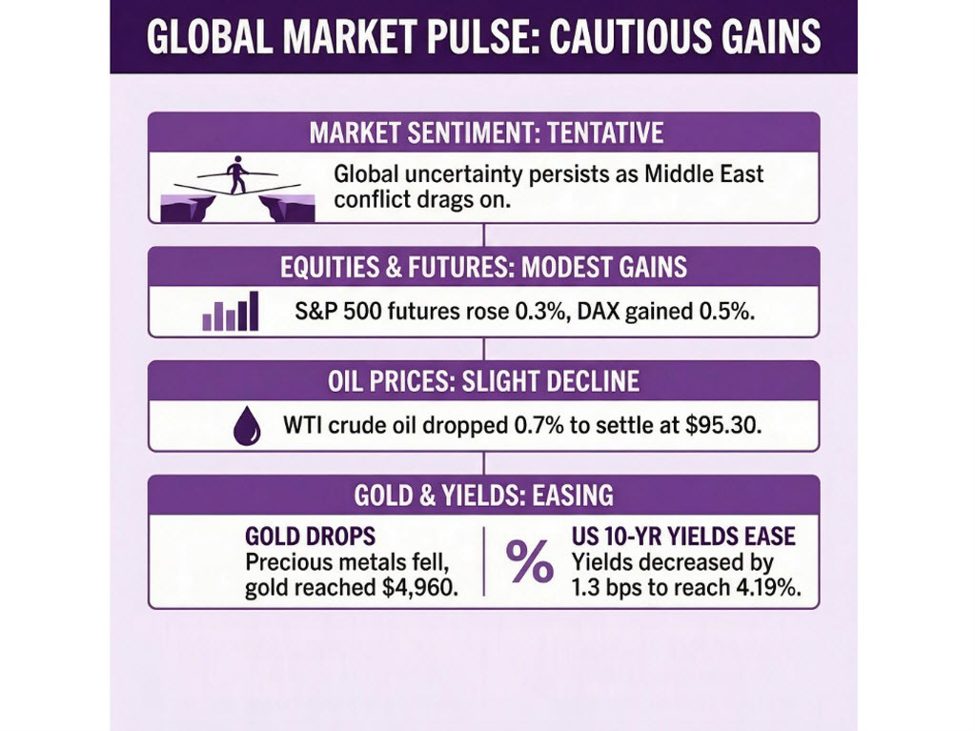
investingLive European markets wrap: Tentative mood with eyes on Middle East, FOMC meeting
Headlines:Oil price surge sees momentum being tested, are markets too complacent?Iraq-Turkey Pipeline (ITP) to resume at a rate of 250,000 barrels to start withEquities continue to put up a strong front this week, at least for nowFed preview: the central bank will avoid scaring markets and keep the status quoBoC preview: interest rates to remain unchanged; cautious approach amid US-Iran warBoJ preview: no changes expected amid lack of inflation progress and geopolitical riskEurozone February final CPI +1.9% vs +1.9% y/y prelimMarkets:WTI crude oil down 0.7% to $95.30USD and major FX little changedEuropean indices sit higher but early gains reduced, S&P 500 futures up 0.3%US 10-year yields down 1.3 bps to 4.19%Gold drops down 1.1% to $4,950Bitcoin down 2.0% to $73,036It was a more tentative session as markets continue to wait on further developments from the Middle East.The Strait of Hormuz remains shut for business and the only positive news for energy markets was that we did see a major breakthrough with the reopening of the Iraq-Turkey Pipeline (ITP). That being said, it is a mere drop in the bucket of water in terms of compensating for the loss of oil exports from the Hormuz blockade. But at least for now, Iraq has a tiny outlet to make up for loss of over 3 million barrels per day in exports. The opening level for the pipeline is 250,000 barrels per day for now.Oil prices were not too volatile, with lesser headlines involving Iran attacks as well. However, traders remain guarded overall still. WTI crude oil is down 0.7% to $95.30 but off early lows of $91.45 seen in Asia trading at least.In other markets, stocks continue to stay in search of a brighter outlook this week. European indices are sitting higher but have reduced gains during the session, the same for US futures. The DAX is up 0.5% currently but was up around 0.9% earlier in the day. Meanwhile, S&P 500 futures were up as much as 0.6% but have halved gains to 0.3% now.While the main focus stays on the Middle East, just be reminded that there is also the FOMC meeting to come later today.With that, major currencies also remain guarded with light changes all around. The dollar is looking rather tepid and lacking direction during the session. EUR/USD is flat at 1.1537 with USD/JPY also flat now at 159.05 after a brief trip lower to 158.65 earlier in the day.Elsewhere, precious metals are looking softer with gold down 1.1% to $4,950 and silver down 0.8% to $78.63 on the day. In the bond market, 10-year Treasury yields continue to retreat on the week with yields down 1.3 bps to 4.19% at the moment. This article was written by Justin Low at investinglive.com. 🔗 Source 💡 DMK Insight Oil prices are on the rise, and here’s why traders need to pay attention: The resumption of the Iraq-Turkey Pipeline at 250,000 barrels per day could shift supply dynamics significantly. This increase might not only affect oil prices but also ripple through related markets, including energy stocks and currencies tied to oil exports. With equities showing strength this week, traders might be getting complacent, overlooking the potential volatility that a sudden spike in oil prices could bring. If oil continues to climb, watch for key resistance levels that could trigger profit-taking in equities, especially in sectors sensitive to energy costs. On the flip side, the Fed’s upcoming decisions are crucial. If they maintain the status quo, it could provide a temporary cushion for equities, but any hint of tightening could lead to a sharp correction. Keep an eye on the correlation between oil prices and the broader market; a divergence could signal an impending shift. For now, monitor oil’s movement closely, especially if it approaches recent highs, as that could set the stage for a broader market reaction. 📮 Takeaway Watch for oil price movements and key resistance levels; a surge could impact equities and trigger volatility in related markets.

Connecticut suspends Bitcoin Depot as 2026 revenue outlook worsens
Connecticut halts Bitcoin Depot’s operations, with the company expecting lower revenue in 2026 amid mounting regulatory pressure and a steep decline in its stock price. 🔗 Source 💡 DMK Insight Connecticut’s move to halt Bitcoin Depot’s operations is a red flag for crypto traders: Regulatory pressures are intensifying, and this could signal a broader crackdown on crypto ATMs, impacting liquidity and accessibility for retail investors. With Bitcoin Depot projecting lower revenue in 2026, it raises questions about the sustainability of similar businesses amid tightening regulations. Traders should be wary of potential volatility in related assets, especially if other states follow suit. Look for key levels in Bitcoin’s price action; a break below recent support could trigger further sell-offs. This situation might also affect stocks tied to crypto infrastructure, as investor sentiment shifts. Keep an eye on regulatory announcements in the coming weeks, as they could create ripple effects across the market, influencing everything from Bitcoin to altcoins. The real story is how this could change the landscape for crypto trading, especially for day traders who rely on liquidity and access. 📮 Takeaway Watch for Bitcoin’s support levels; a breakdown could lead to increased volatility across crypto markets as regulatory pressures mount.
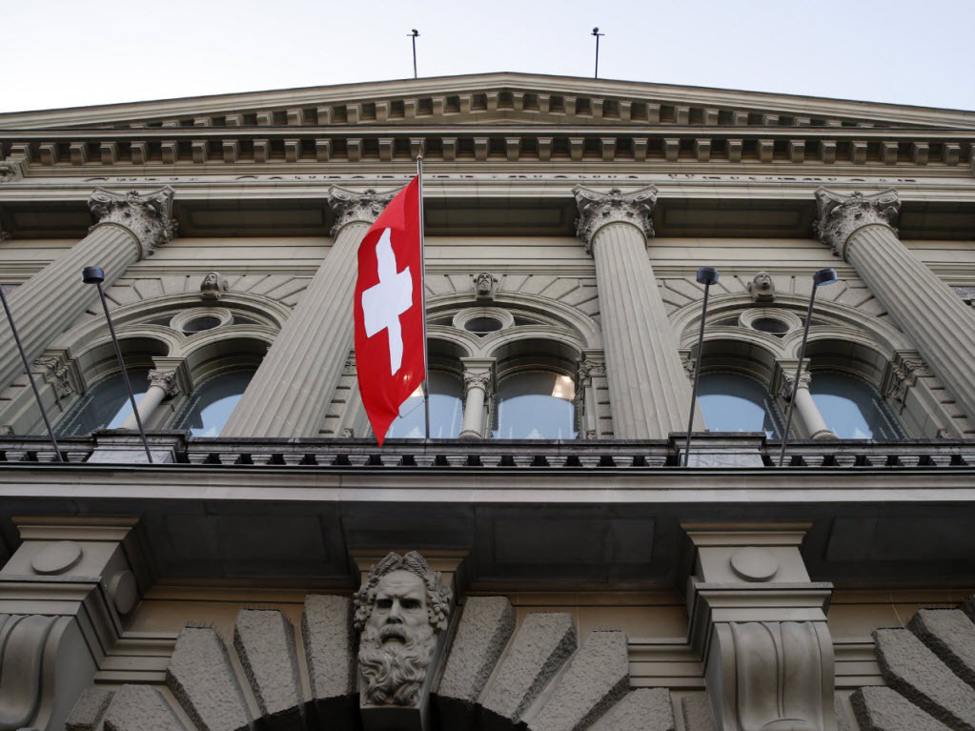
SNB preview: no changes expected, focus on franc strength
The Swiss National Bank (SNB) is expected to keep interest rates unchanged at 0.0%. The focus will be on central bank’s signals about potential intervention in the currency market after EUR/CHF fell to 0.90 recently amid the US-Iran conflict.The central bank has repeatedly said that the bar for a return to negative interest rates is very high even though inflation in Switzerland has been hovering near 0% for months. SNB’s Chairman Schlegel even added that a few months of deflation would still not be enough for them to cut rates further. Higher energy prices will likely push headline inflation up in the next months although there’s also the risk of slowing economic activity, especially amid the Franc’s strength.In fact, the focus will likely be more on the Swiss Franc. The SNB has already hinted at an increased readiness to act, but tomorrow provides the first official platform to signal an action.The market is not pricing any change to interest rates this year, but it did raise the probabilities of a rate hike by year-end to 44%. That’s very unlikely to happen though as the SNB will focus more on downside risks to the economy and look through the energy price hikes. This article was written by Giuseppe Dellamotta at investinglive.com. 🔗 Source 💡 DMK Insight The SNB’s decision to maintain interest rates at 0.0% is a clear signal of their cautious approach amid rising geopolitical tensions. With EUR/CHF recently dipping to 0.90, traders should be alert to potential interventions from the SNB aimed at stabilizing the franc. This situation is compounded by the US-Iran conflict, which could further impact currency flows and volatility. If the SNB hints at intervention, it could lead to a sharp reaction in the forex market, particularly for the euro and Swiss franc pairs. Keep an eye on the 0.90 level for EUR/CHF; a sustained break below could trigger increased volatility and prompt the SNB to act. Conversely, if the SNB reassures markets without intervention, we might see a rebound in EUR/CHF, making it a pivotal moment for day traders and swing traders alike. Watch for any comments from SNB officials in the coming days for clues on their next moves, as these could provide actionable insights for positioning in the forex market. 📮 Takeaway Monitor the EUR/CHF level at 0.90 closely; any SNB intervention could lead to significant volatility in the forex market.
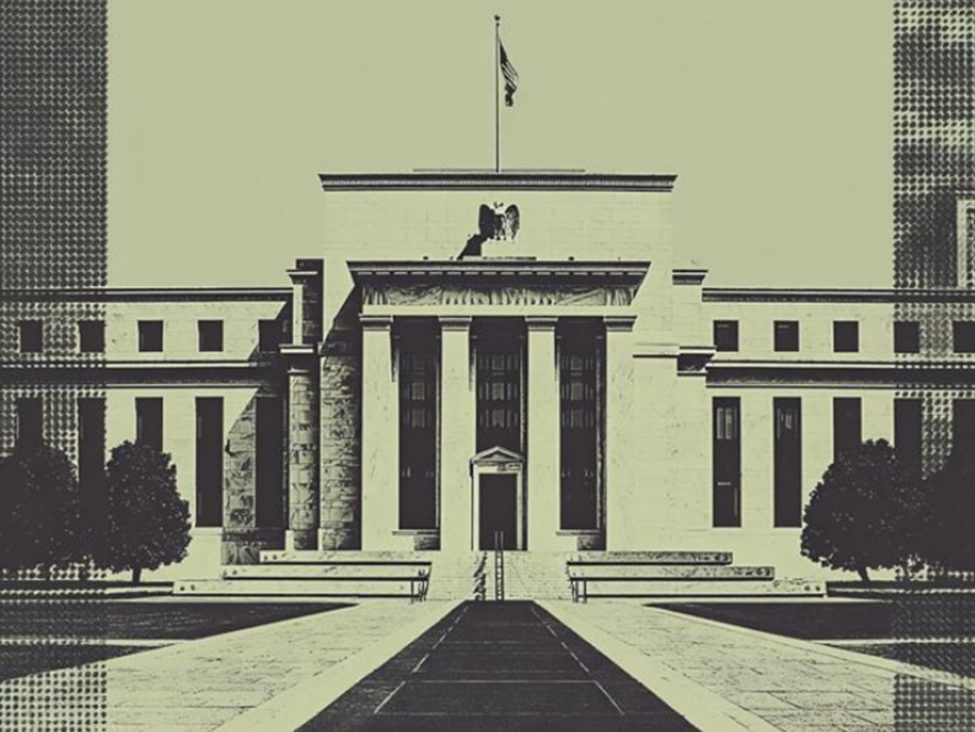
What to expect from the Fed later today?
It’s FOMC day but somehow it does not really feel like that. Or at least not in the typical sense I would say. The Middle East conflict continues to take center stage and even with the central bank bonanza in town this week, markets will stay fixated on US-Iran developments for the most part. Still, it doesn’t mean we can ignore what major central banks have in store for us.Yesterday, we got the RBA who took the proactive step of delivering a 25 bps rate hike. That brought the cash rate from 3.85% to 4.10% in a 5-4 vote split, with differing views on the timing of rate hikes mostly. So, that’s one down and six more to go this week.Today, we get the BOC and Fed with the latter arguably one that will be watched closely. That especially since markets were looking forward to rate cuts prior to the war and now are forced to pivot on that view. So, let’s see what analysts have to say about the FOMC meeting today.Citi- Miran and Waller to dissent on rate decision (8-2 in favour of hold)- No major changes expected in the statement- Dot plots to stay unchanged, inflation forecasts to be adjusted higher- “We see risks tilted dovish at the FOMC meeting. Markets have focused on the surge in energy prices presenting upside risk to inflation. But Fed officials are likely to see the jump in oil prices as a temporary supply shock that can be “looked through” so long as it is not too persistent. Meanwhile, job growth that has slowed near zero and the recent slowdown in consumer spending will have raised concern about downside risk to employment.”- 25 bps rate cuts to follow in April, July, SeptemberBofA- Miran and Waller to dissent on rate decision (8-2 in favour of hold)- Limited changes expected in the statement, to emphasise added uncertainty from US-Iran conflict- Dot plots to stay unchanged- “We don’t think the Fed needs to cut any further, but the majority of the committee is still holding on to a low neutral rate view. This opens the door for additional cuts if there is any blip in the data, particularly since incoming chair Warsh has been strongly advocating for cuts.”- “With an April cut almost entirely priced out, Powell’s ability to guide markets depends on the extent to which they perceive his comments as representing the committee’s consensus rather than his own views. Even setting this constraint aside, Powell will have his work cut out for him.”- 25 bps rate cuts to follow in June and JulyJP Morgan- No material changes in statement on description of the labour market or inflation- “We look for the median dot to continue to look for one cut this year, though with elevated odds (a hair below fifty-fifty) that it moves up to show no cut.”- “Any endorsement of a policy of looking through transitory energy price inflation will be conditional on stable inflation expectations.”- Powell press conference should reaffirm that “policy is in a good place to address risks to either side of its mandate”- No rate changes through the whole of 2026Goldman Sachs- Miran, Waller, Bowman to dissent on rate decision (7-3 in favour of hold)- Little change expected on dot plots, inflation forecasts to be adjusted higher- “Statement to acknowledge that the war has increased uncertainty about the outlook and is likely to raise inflation and weigh on economic activity in the near-term. Also likely modestly downgrade its description of the labour market.”- “For the Fed, the war increases both the risk that earlier rate cuts will be needed to address labour market softening and the risk that a higher inflation path will delay cuts.”- 25 bps rate cuts in September and December This article was written by Justin Low at investinglive.com. 🔗 Source 💡 DMK Insight FOMC day is here, but geopolitical tensions are overshadowing the usual market reactions. Traders are likely feeling the weight of the ongoing Middle East conflict, particularly the US-Iran situation, which could lead to heightened volatility in both forex and crypto markets. The FOMC’s decisions typically drive immediate market sentiment, yet today, the focus may shift to how these geopolitical events influence the Fed’s stance on interest rates. If tensions escalate, we might see a flight to safety, impacting assets like gold and the US dollar. Conversely, riskier assets could face pressure as investors pull back. Keep an eye on how the Fed communicates its outlook in light of these developments; any hints of dovishness could lead to a weaker dollar, which would affect crypto prices and commodities. Here’s the flip side: if the Fed signals a strong commitment to tightening despite geopolitical risks, we could see a surprising rally in the dollar, which would put downward pressure on crypto and equities. Watch for key levels in the dollar index and any shifts in sentiment around the Fed’s announcements. Immediate focus should be on the Fed’s statement and any market reactions to US-Iran developments post-announcement. 📮 Takeaway Watch for the Fed’s tone today; a dovish stance could weaken the dollar and boost crypto, while a hawkish tone might trigger a sell-off.

Five companies vie for Vietnam crypto licences as overseas ban looms: Report
Five companies, including bank affiliates and a major conglomerate, are competing for Vietnam’s first crypto exchange licences as authorities plan to restrict offshore trading. 🔗 Source 💡 DMK Insight Vietnam’s push for local crypto exchange licenses is a game changer for traders in the region. With authorities looking to restrict offshore trading, this could lead to a surge in domestic trading volumes and liquidity. Traders should keep an eye on how these licenses are awarded, as they could significantly impact market dynamics. If major players secure these licenses, we might see a shift in trading strategies, particularly for those currently relying on offshore platforms. This move could also ripple through related markets, potentially affecting the liquidity and pricing of cryptocurrencies in Southeast Asia. Watch for announcements regarding the licensing process and any regulatory updates, as these will likely dictate short-term price movements and trading opportunities in the region. The real story here is how these developments might alter the competitive landscape for crypto trading in Vietnam, making it essential for traders to stay informed and agile. 📮 Takeaway Monitor the licensing announcements closely; they could shift trading dynamics and impact crypto prices in Vietnam significantly.

CFTC issues ‘no-action’ letter for crypto wallet provider Phantom
The no-action position taken by the US regulator under Chair Michael Selig will allow the company to engage in certain activities without registering as a broker. 🔗 Source 💡 DMK Insight The SEC’s no-action position is a game changer for crypto firms, and here’s why: This move allows companies to operate without the burden of broker registration, potentially spurring innovation and attracting more institutional interest. Traders should watch how this regulatory flexibility impacts market sentiment, especially in the altcoin space, where many projects have struggled under strict compliance requirements. If firms can operate more freely, we might see a surge in new products and services, which could lead to increased trading volumes and volatility. However, there’s a flip side. This leniency might raise concerns about investor protection and market integrity, leading to potential backlash from more traditional financial players. Keep an eye on regulatory responses from other jurisdictions as they may react to the SEC’s approach. For now, focus on how this development could influence related assets, particularly in the DeFi sector, which thrives on innovation. Watch for any significant price movements in major altcoins over the next few weeks as traders digest this news. 📮 Takeaway Monitor altcoin price movements closely; a surge in trading volumes could signal increased institutional interest following the SEC’s no-action stance.

Arizona AG files charges against Kalshi over ‘illegal gambling‘
A Kalshi spokesperson said that the criminal case was based on ”paper-thin arguments” and claimed the company was exclusively under federal jurisdiction. 🔗 Source 💡 DMK Insight Kalshi’s defense against the criminal case highlights a critical jurisdictional debate that could impact regulatory perceptions in the trading space. If Kalshi successfully argues that it operates solely under federal jurisdiction, it might set a precedent for how other trading platforms navigate regulatory challenges. This is especially relevant as the SEC and other regulatory bodies tighten their grip on crypto and trading platforms. Traders should keep an eye on how this case unfolds, as a favorable outcome for Kalshi could bolster confidence in similar platforms, potentially leading to increased trading volumes and liquidity. Conversely, if the court leans against Kalshi, it could trigger a wave of regulatory scrutiny across the sector, affecting not just Kalshi but also related assets like crypto derivatives and futures markets. Watch for any upcoming court dates or rulings, as they could serve as pivotal moments for market sentiment and trading strategies in the coming weeks. 📮 Takeaway Monitor Kalshi’s legal developments closely; a favorable ruling could boost trading confidence across platforms, while a negative outcome may invite broader regulatory scrutiny.

US lawmakers introduce bill to crack down on prediction markets war bets
The BETS OFF Act from two Democratic lawmakers came in response to several “highly unusual bets” on the US-Israel conflict with Iran, suggesting insider information. 🔗 Source 💡 DMK Insight The BETS OFF Act is raising eyebrows, and here’s why traders should pay attention: it signals potential regulatory scrutiny on market behavior tied to geopolitical events. With unusual bets surfacing around the US-Israel conflict with Iran, traders need to consider how this could impact market volatility. If regulators start investigating, it could lead to increased uncertainty in related sectors, particularly defense stocks and commodities like oil. This kind of scrutiny can create ripple effects, influencing not just equities but also forex markets, especially currencies tied to geopolitical stability. Look for key price levels in related assets; for example, if oil prices start to react to escalating tensions, that could signal broader market shifts. Keep an eye on news cycles and any statements from lawmakers, as these could trigger rapid price movements. The real story is how traders adjust their positions in anticipation of regulatory actions—this could create both risks and opportunities in the short term. 📮 Takeaway Monitor oil prices and defense stocks closely; regulatory scrutiny could lead to increased volatility and trading opportunities in the coming weeks.
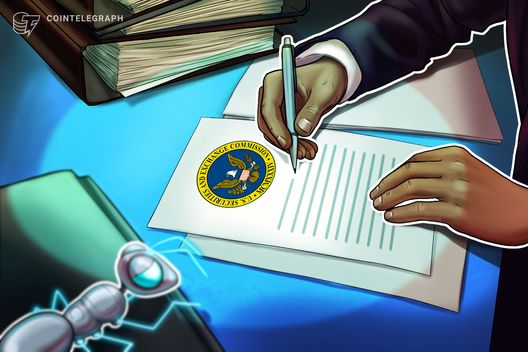
SEC says most crypto assets may not be securities under federal law
The interpretative notice included information on token taxonomy and what digital assets the regulator would consider a security under federal law. 🔗 Source 💡 DMK Insight The recent interpretative notice from regulators clarifying token taxonomy is a game changer for crypto traders. Understanding which digital assets are classified as securities under federal law is crucial, especially as it can impact trading strategies and compliance requirements. This clarity might lead to increased institutional participation, as firms often shy away from assets that could be deemed securities due to regulatory risks. Traders should keep an eye on how this affects liquidity and volatility in the market, particularly for tokens that may now be classified as securities. On the flip side, this could also trigger a wave of delistings on exchanges if certain tokens fall under the security umbrella. Watch for potential ripple effects on related assets, especially those closely tied to the newly classified tokens. As we move forward, monitoring regulatory developments and market reactions will be key, particularly in the coming weeks as firms adjust their strategies accordingly. 📮 Takeaway Traders should monitor regulatory updates closely, especially regarding token classifications, as this could impact liquidity and trading strategies significantly.