
 Bitcoin
  Ethereum
  Tether
  BNB
BNB  XRP
XRP  USDC
USDC  Solana
  TRON
TRON  Lido Staked Ether
  Figure Heloc
 USD/JPY remains under pressure for a third straight session, trading near 159.00 during Asian hours on Wednesday. 🔗 Source 💡 DMK Insight USD/JPY is feeling the heat, and here’s why: persistent pressure could signal a deeper trend. Trading near 159.00 for three consecutive sessions indicates a potential breakdown point. If this level fails to hold, we might see a swift move towards 158.50, which traders should watch closely. The broader context here is the ongoing divergence in monetary policy between the Fed and the BoJ. With the Fed maintaining a hawkish stance while the BoJ remains accommodative, the yen could weaken further. This dynamic not only affects USD/JPY but also has implications for related pairs like AUD/JPY and EUR/JPY. Keep an eye on economic indicators from both the U.S. and Japan, especially any shifts in inflation data or central bank commentary that could influence sentiment. The flip side? If USD/JPY bounces back above 159.50, it could indicate a short-term reversal, giving traders a chance to capitalize on a potential rally. Watch for volatility around key economic releases this week, as they could trigger significant price movements. 📮 Takeaway Monitor USD/JPY closely; a break below 159.00 could lead to a drop towards 158.50, while a bounce above 159.50 may signal a reversal.

BoC: Policy on hold with rangebound Loonie – Societe Generale
Societe Generale economists expect the BoC to keep its policy rate at 2.25%, despite weaker employment and lower CPI. Markets now price about 33 bps of tightening by year-end after the Iran conflict. 🔗 Source 💡 DMK Insight The BoC’s decision to maintain a 2.25% policy rate could signal stability amid uncertainty. With markets pricing in 33 bps of tightening by year-end, traders should be cautious. The weaker employment numbers and lower CPI suggest that the economy might not be as robust as previously thought. This could lead to volatility in the CAD, especially if geopolitical tensions, like the Iran conflict, escalate. Watch for how these factors influence the USD/CAD pair, particularly if it approaches key support or resistance levels. If the CAD weakens, it might be a good opportunity for short positions against the USD. On the flip side, if the BoC surprises the market with a hawkish stance, it could lead to a sharp rally in the CAD. Keep an eye on upcoming economic reports and market sentiment, as they could shift expectations rapidly. The next few weeks will be crucial for gauging the BoC’s future moves and the overall market reaction. 📮 Takeaway Watch the USD/CAD pair closely; a shift in BoC policy or geopolitical tensions could create trading opportunities around key levels.

Bajaj Finance: Big buying opportunity ahead
The recent price action in Bajaj Finance Limited indicates a classic Elliott Wave structure unfolding on the weekly chart. After completing a strong five-wave impulsive rally forming Wave (I) at ₹1102.50, the stock has now entered a corrective phase, labeled as Wave (II). 🔗 Source 💡 DMK Insight Bajaj Finance’s recent price action is revealing a classic Elliott Wave pattern, and here’s why that’s crucial for traders right now: After hitting ₹1102.50 in Wave (I), the stock is currently in Wave (II), which typically indicates a pullback before the next bullish move. This corrective phase can present a buying opportunity for swing traders looking to capitalize on the anticipated Wave (III) rally. Watch for key support levels around ₹1000, as a bounce from here could signal a strong entry point. Conversely, if the price breaks below this level, it could indicate a deeper correction, potentially invalidating the bullish outlook. Keep an eye on volume trends during this phase; increasing volume on upward moves would reinforce the bullish thesis, while declining volume on pullbacks could suggest weakening selling pressure. The flip side is that if market sentiment shifts due to external factors, such as economic data releases or broader market corrections, it could impact Bajaj Finance’s trajectory. So, monitor the overall market sentiment and related financial sectors for any ripple effects that might influence this stock’s performance. 📮 Takeaway Watch for Bajaj Finance to hold above ₹1000 for a potential bullish reversal; a break below could signal deeper corrections.
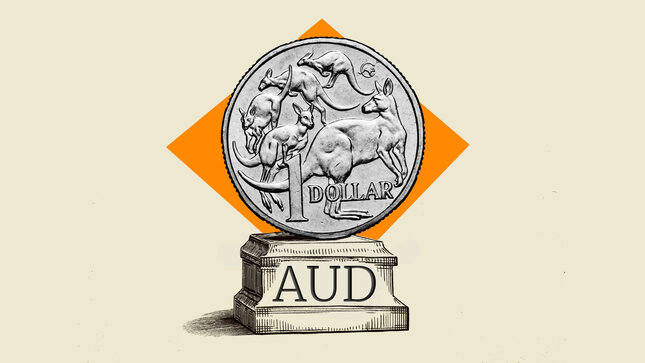
AUD: Policy divergence underpins outperformance – OCBC
OCBC’s Sim Moh Siong and Christopher Wong note the Australian Dollar recovered after the RBA’s 5–4 split decision to deliver a second consecutive 25bp hike to 4.10%, with Governor Bullock’s remarks seen as hawkish. 🔗 Source 💡 DMK Insight The RBA’s recent rate hike to 4.10% is sending ripples through the forex market, especially for the Australian Dollar. A split decision of 5–4 indicates a divided board, which could lead to increased volatility as traders reassess their positions. Governor Bullock’s hawkish tone suggests that further tightening may be on the table, making the AUD a focal point for those trading interest rate differentials. If the AUD/USD breaks above recent resistance levels, it could attract momentum traders looking for a continuation pattern. Conversely, if the market perceives the hike as insufficient to combat inflation, we might see a pullback. Keep an eye on the upcoming economic data releases from Australia, as they could provide further context for the RBA’s future moves. The market’s reaction to these data points will be crucial, particularly in the context of broader trends in global interest rates and risk sentiment. Watch for the AUD/USD to hold above key support levels for bullish signals, or risk a downturn if it fails to maintain upward momentum. 📮 Takeaway Monitor the AUD/USD closely; a break above recent resistance could signal further gains, while failure to hold support may lead to a downturn.

Breaking: USD/INR hits all-time highs at 93.00 ahead of Fed's policy
The Indian Rupee (INR) posts a fresh all-time low against the US Dollar (USD) at 93.00 during India’s afternoon trading hours on Wednesday. 🔗 Source 💡 DMK Insight The INR hitting 93.00 against the USD is a wake-up call for traders: volatility is about to spike. This all-time low signals a significant shift in market sentiment, likely driven by factors such as rising inflation and geopolitical tensions. Traders should brace for potential cascading effects across emerging market currencies, as a weaker INR could lead to capital outflows and increased scrutiny on Indian equities. Keep an eye on the USD/INR pair, as breaking above this level could trigger further selling pressure. Watch for resistance around 94.00, as that might attract profit-taking from short positions. On the flip side, if the INR manages to stabilize and reverse course, it could present a buying opportunity for those looking to capitalize on a potential rebound. Monitor economic indicators like inflation rates and trade balances closely, as they will be crucial in shaping the INR’s trajectory in the coming weeks. 📮 Takeaway Watch for USD/INR resistance at 94.00; a break above could lead to increased volatility and further declines in the INR.

GBP/USD: Recovery extends but upside limited – UOB
According to UOB’s Quek Ser Leang, GBP/USD rebounded to 1.3364 and may edge higher toward 1.3410, though a clear break above that level is seen as unlikely given only modest momentum. Intraday, gains are expected to stay below 1.3390, with support at 1.3335 and 1.3320. 🔗 Source 💡 DMK Insight GBP/USD is flirting with resistance at 1.3390, but momentum suggests a struggle ahead. With the pair currently at 1.3364, traders should note that a push above 1.3410 seems unlikely, given the modest momentum highlighted by UOB. This could lead to a range-bound scenario, especially if support levels at 1.3335 and 1.3320 hold firm. If you’re trading this pair, keep an eye on those support levels for potential bounce opportunities. A failure to break above 1.3390 could trigger a pullback, making it essential to monitor for any shifts in sentiment or economic data that might influence the pound’s strength. Also, consider how this might affect correlated assets like EUR/GBP, which could react to the same underlying factors. Look for volatility around key economic releases, as they could provide the catalyst needed to break through these levels, either way. 📮 Takeaway Watch GBP/USD closely; a failure to break above 1.3390 could lead to a pullback toward support at 1.3335.
USD: Fed Dot Plot risks support – ING
ING strategist Francesco Pesole argues that a hawkish revision of the Federal Reserve Dot Plot could support the Dollar, with markets already pricing limited cuts. 🔗 Source 💡 DMK Insight A hawkish Fed Dot Plot could strengthen the Dollar, impacting crypto and forex markets. With SOL at $91.87 and DOT at $1.60, traders should be wary of how a stronger Dollar might pressure these assets. If the Fed signals fewer rate cuts than expected, we could see a shift in risk sentiment, leading to potential sell-offs in crypto. Historically, a stronger Dollar tends to correlate with weaker crypto prices, as investors often flee to safety. Keep an eye on the Dollar Index for immediate reactions, as a sustained rise could push SOL and DOT lower. Watch for key support levels around $90 for SOL and $1.50 for DOT; breaks below these could trigger further selling pressure. The real story is how quickly traders adjust their positions based on Fed signals, so stay alert for any shifts in sentiment as the next Fed meeting approaches. 📮 Takeaway Monitor the Dollar Index closely; a hawkish Fed could push SOL below $90 and DOT below $1.50, triggering further downside.

Oil: Growth risks rise with price shocks – Standard Chartered
Standard Chartered analysts Madhur Jha and Ethan Lester argue that sustained Oil price shocks have historically driven global inflation and often preceded global recessions. They highlight that a Brent move toward USD 135/bbl could shift market focus from inflation to growth risks. 🔗 Source 💡 DMK Insight Oil prices are creeping up, and here’s why ETH traders should pay attention: Standard Chartered’s analysts suggest that if Brent crude hits around USD 135/bbl, it could signal a shift in market sentiment from inflation concerns to growth risks. For ETH, this is crucial because rising oil prices can lead to increased operational costs across sectors, potentially slowing economic growth and affecting crypto demand. If traders are anticipating a recession, they might pull back on riskier assets like Ethereum, which could lead to downward pressure on its price. Keep an eye on how ETH reacts to these macroeconomic shifts, especially if oil prices continue to rise. On the flip side, if ETH can hold above key support levels, it might attract buyers looking for value amidst broader market volatility. Watch for ETH to maintain above the USD 2,200 mark; a drop below that could trigger more selling. The interplay between oil prices and crypto sentiment is worth monitoring closely, especially in the coming weeks as economic data rolls in. 📮 Takeaway Watch for ETH to hold above USD 2,200; a drop below could signal increased selling pressure as oil prices rise.

Eurozone Harmonized Index of Consumer Prices (YoY) meets forecasts (1.9%) in February
Eurozone Harmonized Index of Consumer Prices (YoY) meets forecasts (1.9%) in February 🔗 Source 💡 DMK Insight Eurozone inflation holding steady at 1.9% is a key indicator for traders right now. This figure aligns with forecasts, suggesting that the European Central Bank’s (ECB) current monetary policy is effectively managing inflation expectations. For day traders and swing traders, this stability could mean less volatility in the euro, making it a potentially safer asset for short-term positions. However, if inflation trends upward unexpectedly, it could prompt the ECB to adjust interest rates sooner than anticipated, impacting euro pairs significantly. Keep an eye on the EUR/USD, especially around key support and resistance levels, as any deviation from this inflation rate could trigger sharp moves. On the flip side, if inflation dips below this mark in upcoming reports, it might signal economic weakness, leading to a bearish sentiment in the euro. Watch for the next inflation release and any ECB commentary, as these could provide critical insights into future market movements. 📮 Takeaway Monitor the EUR/USD closely; a break below key support could signal bearish sentiment if inflation trends downward in future reports.

Eurozone Core Harmonized Index of Consumer Prices (YoY) in line with forecasts (2.4%) in February
Eurozone Core Harmonized Index of Consumer Prices (YoY) in line with forecasts (2.4%) in February 🔗 Source 💡 DMK Insight Eurozone’s core inflation holding steady at 2.4% is a mixed bag for traders right now. While it aligns with forecasts, it signals that the European Central Bank (ECB) might maintain its current monetary policy stance, which could impact the euro’s strength against the dollar. If inflation remains stable, the ECB may not feel pressured to adjust interest rates, keeping the euro relatively stable in the short term. However, watch for any shifts in economic indicators that could sway ECB decisions, especially if inflation trends upward. Traders should also keep an eye on correlated assets like European equities and commodities, as their performance often reacts to shifts in monetary policy. On the flip side, if inflation were to surprise on the upside in upcoming months, it could lead to a hawkish shift from the ECB, potentially strengthening the euro and impacting forex pairs like EUR/USD. For now, monitor the 2.4% level closely; any significant deviation could trigger volatility in the forex market. 📮 Takeaway Watch the 2.4% inflation level closely; any significant change could impact ECB policy and trigger volatility in EUR/USD.