
 Bitcoin
  Ethereum
  Tether
  XRP
XRP  BNB
BNB  USDC
USDC  Solana
  TRON
TRON  Lido Staked Ether
  Figure Heloc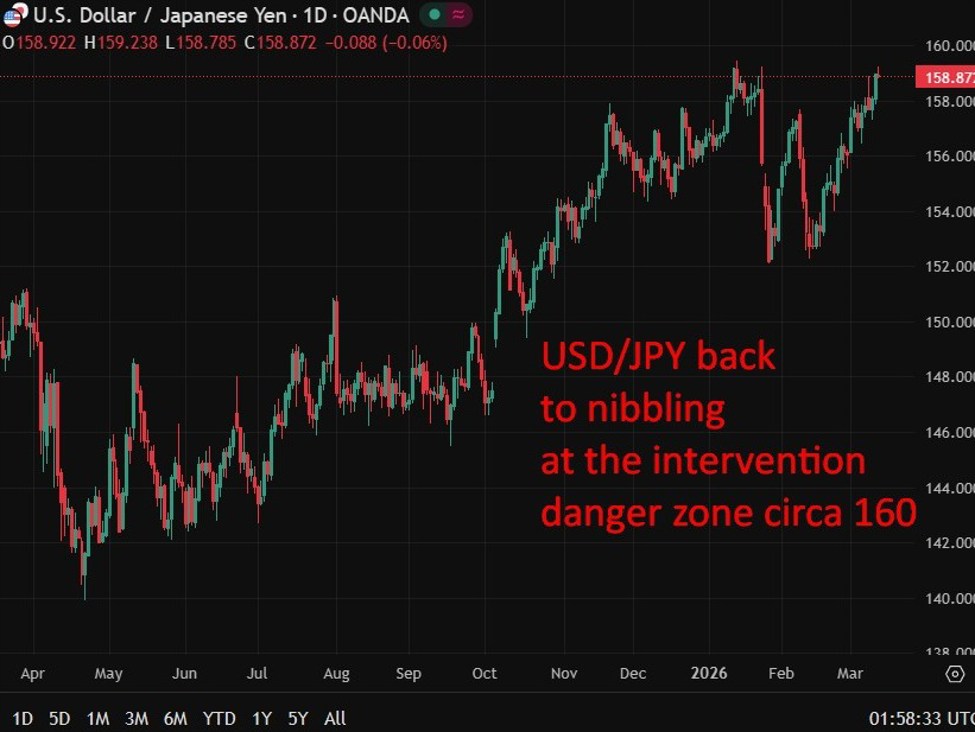
BoJ Governor Ueda warns currency weakness could intensify inflation risks as higher oil prices and a weaker yen threaten to fuel cost-push inflation in Japan.Summary:Bank of Japan Governor Kazuo Ueda warned that foreign exchange movements are increasingly influencing inflation.He said the yen’s impact on prices is larger than in the past, potentially affecting inflation expectations.Brent crude has risen to around $87 from $72 before the Iran conflict, lifting import costs for Japan.The yen has weakened toward ¥158 per dollar, amplifying imported inflation.Economists warn of cost-push inflation and stagflation risks if energy prices remain elevated.Higher import costs could squeeze real wages and weaken household consumption.The BoJ may face pressure to accelerate policy normalisation to stabilise the yen.Bank of Japan Governor Kazuo Ueda has warned that exchange rate movements are becoming an increasingly important driver of Japan’s inflation outlook, highlighting the growing influence of the weaker yen as rising energy prices threaten to reignite cost-push inflation.Speaking in remarks on foreign exchange dynamics, Ueda said currency movements are a key factor shaping the outlook for both economic activity and prices. He noted that the impact of exchange rates on inflation appears to be larger than in the past, meaning policymakers must carefully monitor currency developments when assessing monetary policy decisions.“Foreign exchange is one important factor affecting the economy and prices,” Ueda said, adding that policymakers must remain mindful that currency swings can influence inflation expectations.The comments come as Japan faces renewed inflation pressure following the outbreak of the U.S.–Israel war with Iran in late February. Global energy markets have tightened sharply since the conflict began, pushing Brent crude prices higher. For Japan, which relies heavily on imported energy, the rise in oil prices threatens to feed directly into higher import costs.At the same time, the yen has weakened further, falling toward the ¥159 per dollar area. The currency’s depreciation amplifies the inflationary impact of higher commodity prices by increasing the cost of imported fuel and raw materials.Economists warn that the combination of rising energy prices and a weaker currency could create a new wave of cost-driven inflation in Japan. While such inflation lifts headline price growth, it risks eroding household purchasing power and weighing on consumption.Analysts say the development raises the risk of a stagflation-like environment in which inflation rises while economic growth slows. Higher import costs could squeeze real wages, reducing household spending, while the traditional benefits of yen depreciation for exporters may prove weaker amid global economic uncertainty.Against this backdrop, the Bank of Japan may face increasing pressure to accelerate the normalization of its ultra-loose monetary policy to stabilise the currency and contain imported inflation.Ueda said the central bank will conduct appropriate monetary policy while carefully assessing how exchange rate movements affect the likelihood of achieving its economic and inflation forecasts.For policymakers, the challenge will be balancing the need to contain currency-driven inflation pressures with the risk that tighter policy could further slow domestic demand. ***BoJ meet next week, 18 and 19 March. This article was written by Eamonn Sheridan at investinglive.com. 🔗 Source 💡 DMK Insight The BoJ’s warning on yen weakness is a big deal for traders: inflation risks are rising. Governor Ueda’s comments highlight how a weaker yen, coupled with higher oil prices, could lead to significant cost-push inflation in Japan. This situation is critical for forex traders, especially those holding positions in JPY pairs. If the yen continues to weaken, we might see increased volatility in USD/JPY and EUR/JPY, potentially pushing these pairs to new highs. Traders should keep an eye on the 150 level for USD/JPY as a psychological barrier. But here’s the flip side: if the BoJ intervenes or changes its monetary policy stance to combat inflation, we could see a rapid reversal in yen strength. This could create a short-term trading opportunity for those positioned correctly. Watch for any statements from the BoJ in the coming weeks, as they could provide clues on future policy adjustments. Overall, monitor inflation metrics closely, as they will dictate market sentiment and trading strategies in the forex space. 📮 Takeaway Keep an eye on USD/JPY around the 150 level; any BoJ intervention could shift market dynamics quickly.
Reuters says that Global shipper CMA CGM resumes bookings from Gulf ports
Reuters is reporting that CMA CGM has reopened container bookings from major Gulf export hubs, signalling improving conditions for regional shipping after recent disruptions. This is good news if correct. Recent attacks suggest this may be premature:Oil price rocketing higher as attacks on tankers by Iran escalate. US stocks dropping.Oil price leaps higher on news of 2 tankers attacked in the GulfSummary:CMA CGM has reopened cargo bookings from several Gulf countries.Shipments from Iraq, Kuwait, Qatar, Bahrain, Saudi Arabia and the UAE are now being accepted again.The reopening follows earlier disruptions linked to regional conflict and maritime security concerns.Shipping companies had temporarily restricted operations due to vessel safety risks.Gulf ports are key global trade hubs linking Asia, Europe and Africa.The move suggests improving operational conditions for regional shipping routes.Global container shipping group CMA CGM has announced the immediate reopening of cargo bookings from several Gulf countries, signalling a partial normalization of trade flows after recent disruptions linked to heightened regional tensions.The company said it has resumed accepting bookings for shipments originating from Iraq, Kuwait, Qatar, Bahrain, Saudi Arabia and the United Arab Emirates to destinations worldwide. The move comes after a period in which shipping activity in parts of the Gulf was constrained due to security concerns and logistical disruptions tied to the conflict involving Iran.Major shipping companies had previously taken precautionary measures, including temporarily suspending some bookings or adjusting routes, as maritime security risks increased across the region. Concerns over attacks on commercial vessels and instability around key shipping corridors had prompted carriers to reassess operations and prioritize crew and cargo safety.By reopening bookings, CMA CGM is signalling that operational conditions have stabilised sufficiently to allow the resumption of normal container shipping activity from these Gulf export hubs. The countries included in the reopening are among the region’s most important logistics and trade centers, serving as key gateways for energy products, manufactured goods and consumer imports.The Gulf plays a crucial role in global trade, with ports in Saudi Arabia, the UAE and Kuwait acting as major transshipment points connecting Asia, Europe and Africa. Even temporary disruptions to shipping activity in these locations can ripple across global supply chains.Shipping companies have been closely monitoring developments in the region following a series of maritime security incidents and rising geopolitical tensions that raised fears of broader disruptions to shipping lanes.The resumption of bookings suggests shipping operators are regaining confidence that vessels can operate safely through regional waters, although risks remain elevated compared with normal conditions.For global markets, the development could help ease concerns about supply chain disruptions and freight bottlenecks. However, shipping costs and insurance premiums may remain volatile if geopolitical tensions continue to influence maritime security in the Gulf.The announcement highlights how quickly global logistics networks can respond to shifts in geopolitical risk, with shipping companies adjusting operations as security conditions evolve. Tanker attack just a few hours ago. This article was written by Eamonn Sheridan at investinglive.com. 🔗 Source 💡 DMK Insight CMA CGM’s reopening of container bookings could be a double-edged sword for traders right now. On one hand, it suggests a rebound in shipping activity, which could stabilize supply chains and potentially lower shipping costs. However, with oil prices spiking due to escalating attacks on tankers by Iran, the cost of shipping could rise again, negating any benefits from increased bookings. Traders should keep an eye on oil price movements, as a sustained increase could pressure logistics costs and affect margins across various sectors. Watch for oil to breach key resistance levels, which could signal further volatility in the shipping sector. Additionally, the broader market’s reaction, particularly in US stocks, indicates that investor sentiment is fragile; a continued drop could lead to risk-off behavior that impacts shipping stocks negatively. So, while the reopening is a positive sign, the geopolitical tensions and their impact on oil prices could create a turbulent environment for traders. Keep an eye on oil price trends and US stock performance for clues on how this situation evolves. 📮 Takeaway Monitor oil prices closely; a sustained rise could undermine the positive impact of CMA CGM’s reopening on shipping costs and margins.
Fitch warns rising local government debt could narrow China’s fiscal headroom
China is expected to maintain targeted fiscal support for local governments as rising debt and weak revenues tighten fiscal headroom, Fitch says.Summary:Fitch Ratings expects China to maintain targeted fiscal support for local and regional governments (LRGs).LRGs are provincial and municipal governments responsible for infrastructure spending and regional development.Weak revenue growth and rising borrowing needs are expected to increase LRG debt in 2026.The property downturn and weaker land-sale income have pressured local government finances.Higher debt growth could narrow fiscal headroom within China’s sovereign rating framework.Beijing is likely to avoid large-scale stimulus while providing selective support to prevent financial stress.China is expected to continue providing targeted fiscal support to local and regional governments as economic pressures persist, although limited fiscal space could constrain the scope for additional stimulus, according to a new assessment from Fitch Ratings.The ratings agency said Beijing is likely to maintain selective support for local and regional governments (LRGs), which are responsible for a large share of infrastructure investment and public spending across China. These entities play a critical role in implementing national policy initiatives and supporting economic activity at the provincial and municipal levels.However, Fitch warned that financial conditions for these governments are becoming more strained. Weak revenue growth and rising borrowing needs are expected to push debt levels higher in 2026, narrowing the fiscal headroom available within China’s current credit rating framework.Local and regional governments have faced persistent pressure in recent years as slowing economic growth, a prolonged property downturn and reduced land-sale revenues have weighed on their finances. Land sales have traditionally been one of the largest sources of income for local authorities, meaning the ongoing weakness in the property sector has significantly reduced fiscal flexibility.To help offset these pressures, China’s central government has increasingly relied on targeted fiscal measures and support mechanisms aimed at stabilising local government finances while avoiding a large-scale stimulus programme.Fitch said this approach reflects Beijing’s balancing act between sustaining economic growth and managing rising debt risks across the public sector. While local governments remain a key driver of infrastructure spending and regional development, their expanding debt burdens could gradually erode fiscal buffers.The agency expects debt linked to local and regional governments to continue growing in the coming years, particularly as authorities rely on borrowing to support investment and maintain economic momentum.Despite these challenges, Fitch believes the central government will likely continue offering selective assistance to prevent financial stress among local authorities from escalating into broader systemic risks.The outlook highlights the ongoing tension in China’s economic policy framework: supporting growth while containing rising leverage within the government sector. This article was written by Eamonn Sheridan at investinglive.com. 🔗 Source
Drone strikes hit Oman energy facility, vessels evacuate Mina Al Fahal terminal
Summary:Drone strikes reportedly linked to Iran triggered fires at Oman’s Mina petroleum facility near Salalah.Authorities evacuated all vessels from the Mina Al Fahal oil export terminal as a precaution.The terminal handles roughly 1 million barrels per day of Omani crude exports.Mina Al Fahal is strategically located outside the Strait of Hormuz, providing an alternative export route.Other regional export hubs including Fujairah (UAE) and Yanbu (Saudi Arabia) remain operational.The attacks highlight rising risks to energy infrastructure and shipping routes in the Gulf region.Drone strikes targeting energy infrastructure in Oman have triggered fires at a petroleum facility linked to the Port of Salalah and forced authorities to evacuate vessels from the country’s key oil export terminal at Mina Al Fahal.According to reports, multiple large fires were still spreading across parts of the Mina petroleum facility following the attacks, which were attributed to Iranian drone strikes against the port area and nearby infrastructure on Wednesday.As a precautionary measure, Oman has ordered all vessels to leave the Mina Al Fahal oil terminal after security risks escalated in surrounding waters. Shipping sources said the evacuation notice was distributed through port agents to tanker operators in the area.Mina Al Fahal plays a crucial role in Oman’s energy exports, handling roughly one million barrels of crude oil per day. The terminal serves as a primary outlet for Omani crude shipments to global markets and is one of the few major Middle Eastern export facilities located outside the Strait of Hormuz.Its location on the Gulf of Oman provides a strategic alternative export route that bypasses the narrow shipping chokepoint at Hormuz, through which roughly one-fifth of global oil supply typically passes.The evacuation underscores the rising risks to maritime energy infrastructure as the conflict involving Iran continues to escalate across the region. In recent weeks, several incidents involving attacks on shipping and port infrastructure have heightened concerns about supply disruptions and maritime security in the Gulf.Despite the evacuation in Oman, other regional export terminals remain operational. Shipments from the UAE’s Fujairah terminal, another facility positioned outside the Strait of Hormuz, are continuing, though some shipowners have reportedly become more cautious about calling at the port due to security concerns.Meanwhile, Saudi Arabia’s Yanbu export terminal on the Red Sea remains fully operational, providing an additional alternative route for crude exports that avoids the Gulf’s most sensitive shipping corridors.Energy markets are closely monitoring developments at Oman’s export infrastructure given its role as a strategic outlet that bypasses Hormuz. Any prolonged disruption could amplify fears of broader supply interruptions if tensions escalate further across Gulf shipping routes. This article was written by Eamonn Sheridan at investinglive.com. 🔗 Source 💡 DMK Insight Drone strikes near Oman’s Mina facility could shake up oil prices significantly. With the terminal handling about 1 million barrels per day, any disruption here could lead to immediate supply concerns. Traders should keep an eye on Brent crude futures, especially if prices start to breach key resistance levels. The geopolitical tension adds a layer of volatility that could trigger rapid price movements. If the situation escalates, we might see a ripple effect across related markets, including energy stocks and even currencies tied to oil exports. On the flip side, if the situation stabilizes quickly, we could see a rebound in prices as traders look to capitalize on oversold conditions. Watch for any updates on the situation and be ready to adjust positions accordingly, especially if Brent approaches significant support or resistance levels in the coming days. 📮 Takeaway Monitor Brent crude prices closely; any sustained move above key resistance could signal a bullish trend amid rising geopolitical tensions.
Australia allows higher sulphur fuel imports to protect supply security
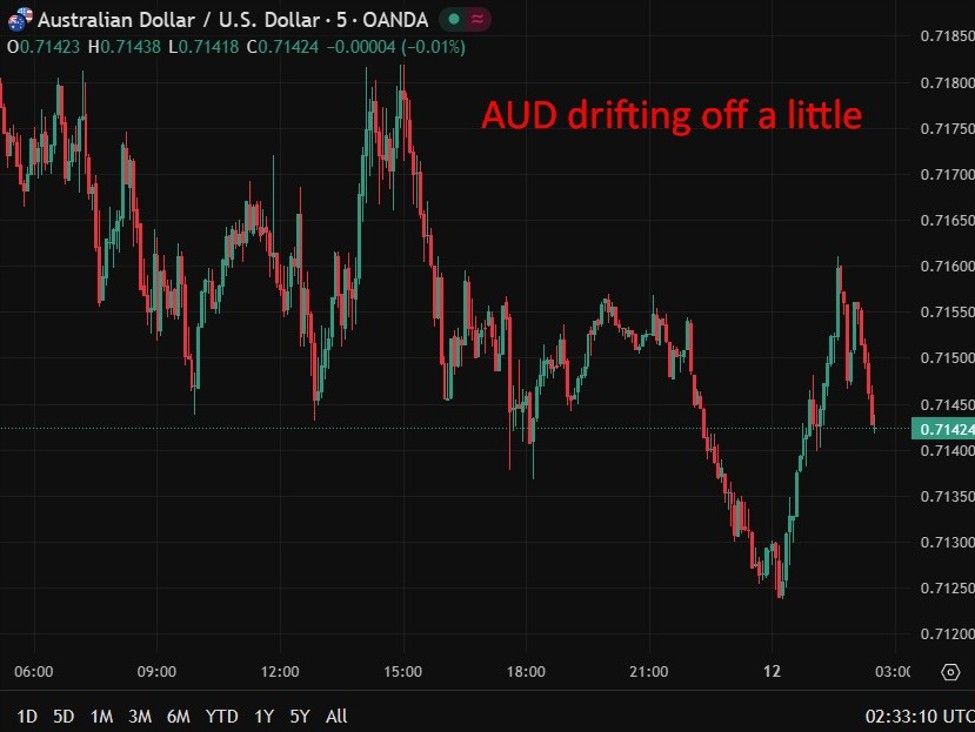
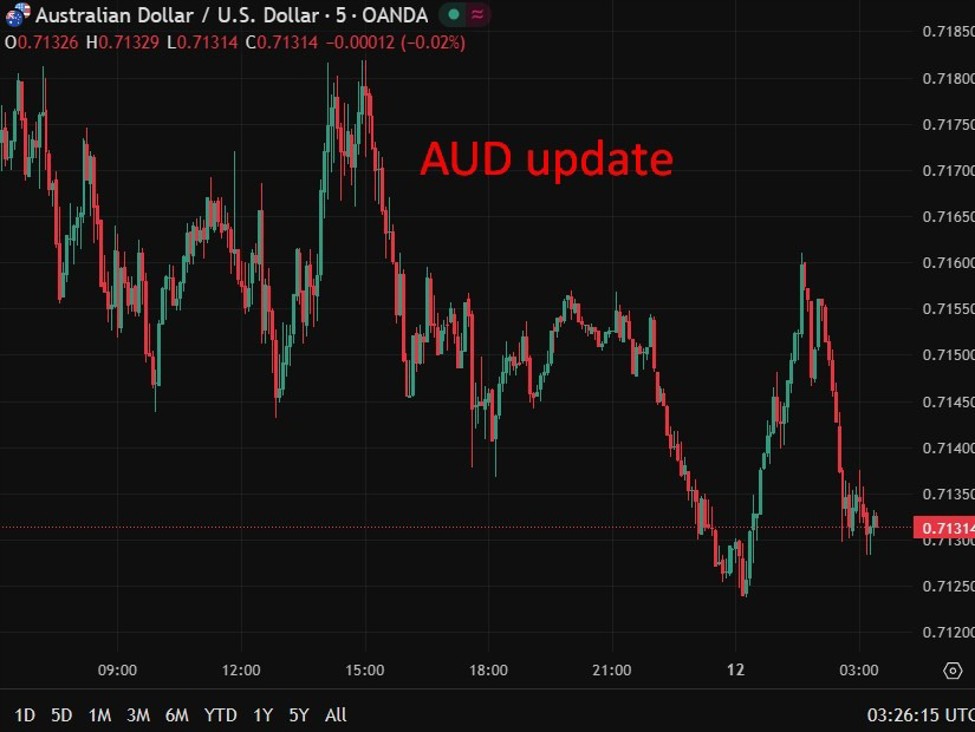
Australia is temporarily allowing higher sulphur fuel imports to safeguard supply as its heavy reliance on imported petroleum leaves the country exposed to global energy disruptions.Summary:Australia is temporarily allowing higher sulphur fuel imports to ensure adequate supply.The policy allows fuel from more global refineries to enter the market during disruptions.Australia imports around 85–90% of its refined fuel.Only two domestic refineries remain operational: Geelong and Brisbane.Fuel imports travel through major shipping chokepoints including Hormuz and Malacca.Australia historically maintained relatively low fuel stockpiles.The economy is highly dependent on diesel for mining, transport and agriculture.Temporary standard waivers are used to prevent shortages and stabilise fuel prices.Australia’s decision to temporarily allow higher sulphur levels in fuel highlights the country’s structural vulnerability to global fuel supply disruptions and its heavy reliance on imported petroleum products.Authorities are allowing the temporary relaxation of fuel quality standards to ensure adequate supply after disruptions to global energy markets increased the risk of shortages. The measure allows fuel with slightly higher sulphur content than normally permitted to enter the Australian market, enabling imports from a wider range of refineries.The move reflects the reality that Australia relies overwhelmingly on imported refined fuels. Around 85–90% of petrol, diesel and jet fuel consumed domestically is sourced from overseas refineries, primarily in Singapore, South Korea, Japan and Malaysia.This reliance has grown over time as domestic refining capacity has declined. Australia once operated eight oil refineries but today only two remain operational, the Geelong refinery in Victoria and the Lytton refinery in Queensland. The closures have left the country heavily dependent on international supply chains for refined fuel.Australia’s geographic location further complicates energy security. Fuel shipments must travel long distances across the Indian Ocean or through Southeast Asian shipping routes before reaching Australian ports. These routes pass through several critical maritime chokepoints, including the Strait of Hormuz, the Strait of Malacca and key shipping lanes in the South China Sea.When geopolitical tensions or shipping disruptions threaten these corridors, fuel deliveries can be delayed or reduced. In such situations, relaxing fuel quality specifications allows Australia to access a broader range of international fuel supplies more quickly.Another challenge is the country’s historically limited fuel stockpiles. For many years Australia fell short of the International Energy Agency requirement to maintain emergency reserves equal to at least 90 days of net imports. The government has since taken steps to improve resilience by expanding domestic storage capacity and arranging for strategic crude storage in the United States.Australia’s economy is also particularly sensitive to diesel supply disruptions. Diesel is essential for sectors such as mining, freight transport, agriculture and construction, meaning shortages can quickly ripple through the broader economy.Because Australia is geographically isolated and lacks pipeline connections to neighbouring countries, virtually all petroleum products must arrive by sea. This makes the country especially exposed to global shipping disruptions.Allowing temporarily higher sulphur fuel is therefore a short-term measure designed to protect supply security and prevent price spikes while global energy markets remain volatile. This article was written by Eamonn Sheridan at investinglive.com. 🔗 Source 💡 DMK Insight Australia’s move to permit higher sulphur fuel imports is a game-changer for energy traders right now. This policy shift highlights the country’s vulnerability to global energy supply shocks, especially as geopolitical tensions and natural disasters can disrupt traditional supply chains. For traders, this could mean increased volatility in energy prices, particularly crude oil and refined products. If you’re trading oil futures or related equities, keep an eye on how this impacts the Australian dollar as well—any significant fluctuations could ripple through forex markets. The immediate effect might be a temporary increase in supply, but the long-term implications could lead to a shift in pricing dynamics as more refineries become involved. Watch for any announcements from major oil producers or changes in OPEC’s stance, as these could further influence market sentiment. Additionally, keep an eye on technical levels in crude oil; a break above recent resistance could signal a bullish trend, while a failure to hold support might indicate a bearish reversal. The real story is how this policy could reshape Australia’s energy landscape and what that means for global markets. 📮 Takeaway Monitor crude oil prices closely; a break above recent resistance could indicate a bullish trend, while geopolitical tensions may heighten volatility.
Container ship hit by projectile near UAE port of Jebel Ali
A container ship near the UAE was hit by an unidentified projectile causing a small fire, adding to rising maritime security incidents in Gulf shipping lanes.Summary:A container ship was struck by an unknown projectile 35 nautical miles north of Jebel Ali in the UAE.The strike caused a small onboard fire.All crew members are safe, according to UKMTO.No environmental damage has been reported.The incident occurred near a major regional shipping hub.Maritime security risks have increased across Gulf shipping lanes amid regional tensions.A container ship operating near the United Arab Emirates was struck by an unidentified projectile late Wednesday, causing a small fire onboard but no reported injuries to crew members, according to a maritime security alert.The incident occurred roughly 35 nautical miles north of Jebel Ali, one of the region’s busiest ports and a major logistics hub in the Gulf. The report was issued by United Kingdom Maritime Trade Operations (UKMTO), which monitors shipping security in Middle Eastern waters.According to the alert, the vessel’s master reported that the ship had been hit by an unknown projectile. The impact caused a minor fire on board the container vessel, though the blaze was quickly brought under control.UKMTO said all crew members are safe and no environmental damage has been reported. Authorities are continuing to monitor the situation while the vessel assesses the extent of the damage.The incident comes amid heightened security concerns across the Gulf region following a series of attacks targeting commercial vessels and energy infrastructure. Maritime security agencies have warned that shipping lanes in the region remain vulnerable as geopolitical tensions escalate.The waters around the UAE form part of a critical corridor connecting the Persian Gulf with global shipping routes via the Strait of Hormuz. Any threat to vessels in this area raises concerns for international trade and energy markets given the heavy concentration of tanker and cargo traffic.In recent weeks, commercial vessels operating in the Gulf and surrounding waters have faced an increased risk of drone strikes, projectiles and other forms of maritime attack. Security analysts say such incidents highlight the growing exposure of global shipping to geopolitical tensions in the Middle East.While the damage from the latest strike appears limited, the event adds to the mounting list of security incidents affecting maritime activity in the region.Authorities are expected to continue monitoring shipping movements closely as vessels transit the busy corridor near the UAE’s major ports. This article was written by Eamonn Sheridan at investinglive.com. 🔗 Source 💡 DMK Insight This maritime incident could shake up oil prices and shipping stocks—here’s why. With a container ship being hit near the UAE, traders should be on alert. The Gulf region is already a hotspot for geopolitical tensions, and any disruption in shipping lanes can lead to increased shipping costs and insurance premiums. Oil prices, which are sensitive to such incidents, might see upward pressure if traders fear supply chain disruptions. Keep an eye on Brent Crude and WTI for any spikes in volatility. Also, consider how this could impact related sectors like shipping stocks or ETFs. If maritime security continues to deteriorate, companies in this space could face rising operational costs. Watch for any statements from shipping companies or government advisories that could provide insight into the potential ripple effects. The real story is how quickly the market reacts to this news—traders should monitor oil futures closely in the coming days for any signs of a breakout above key resistance levels. 📮 Takeaway Watch Brent Crude and WTI for potential price spikes; any sustained tension could lead to significant volatility in oil markets and shipping stocks.
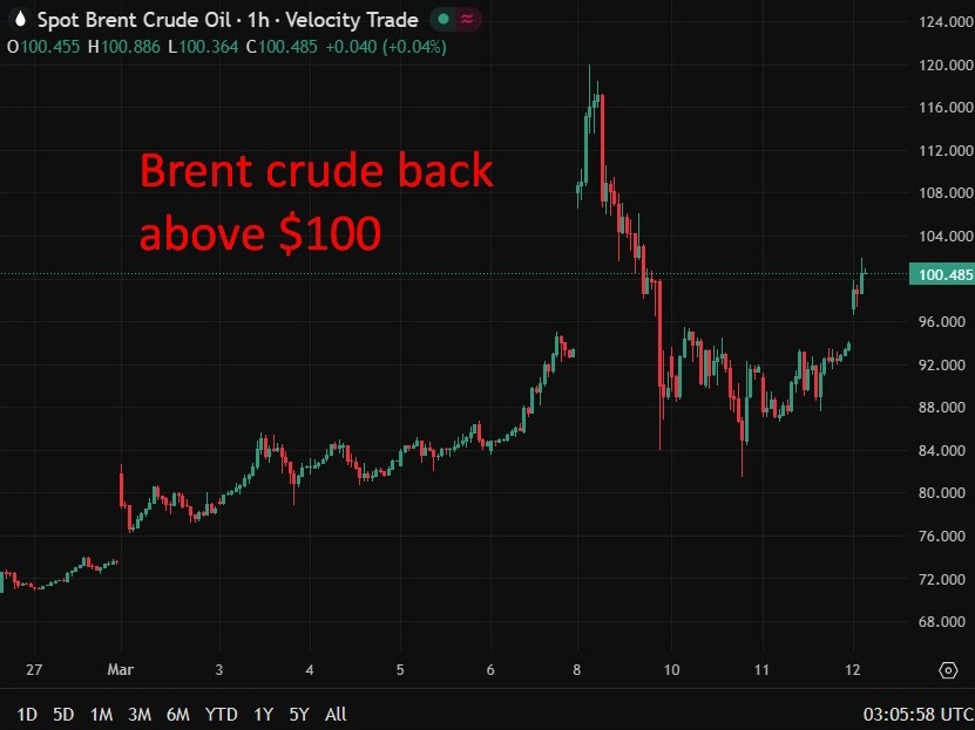
investingLive Asia-Pacific FX news wrap: Brent surge over $100 as Iran intensified attacks
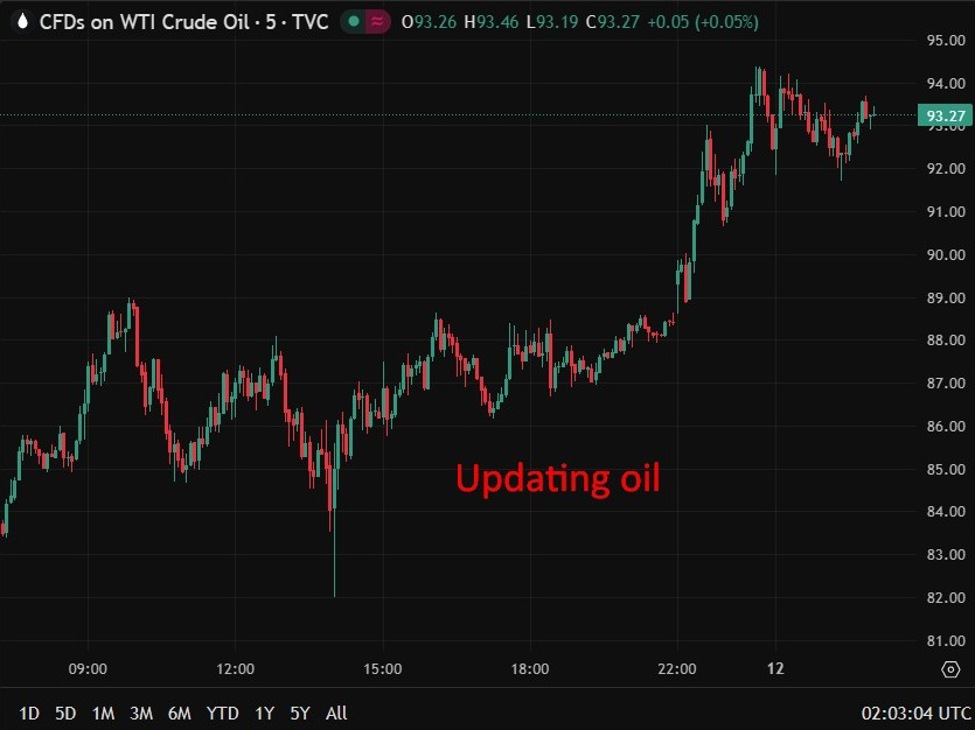
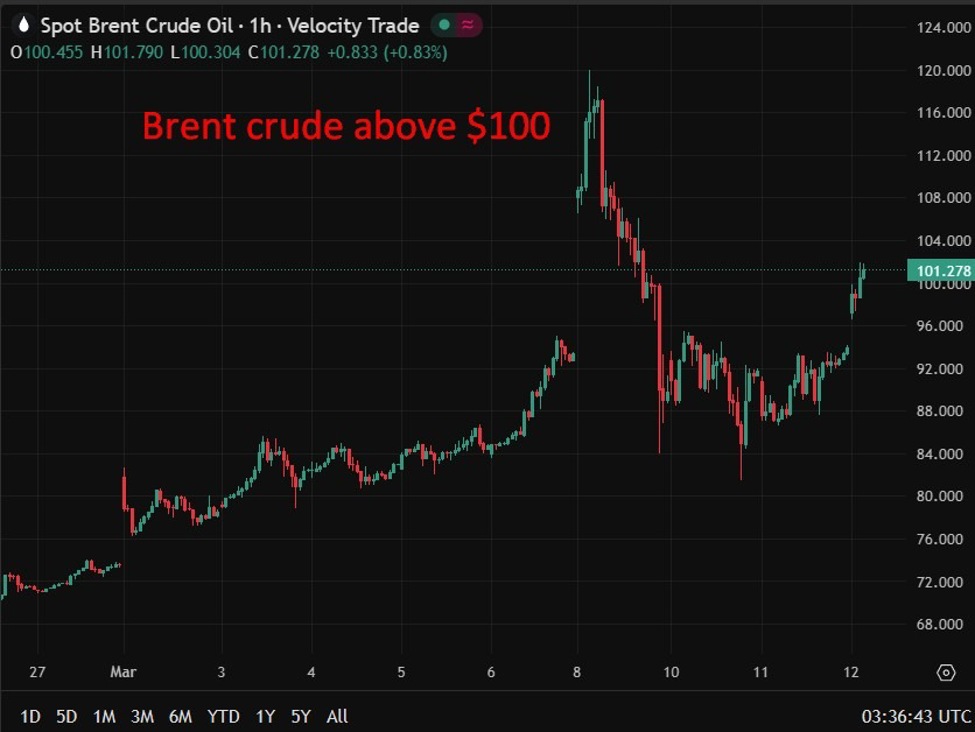
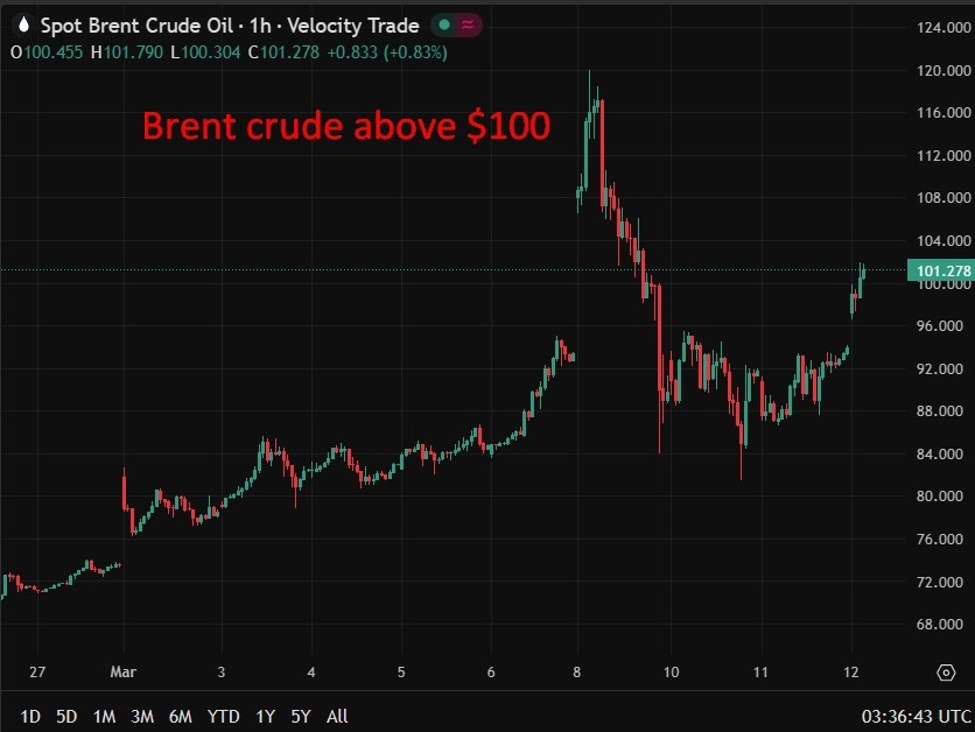
Container ship hit by projectile near UAE port of Jebel AliAustralia allows higher sulphur fuel imports to protect supply securityDrone strikes hit Oman energy facility, vessels evacuate Mina Al Fahal terminalFitch warns rising local government debt could narrow China’s fiscal headroomReuters says that Global shipper CMA CGM resumes bookings from Gulf portsBoJ’s Ueda warns weak yen could amplify inflation as oil prices riseCBA expects RBA to hike rates in March and May as inflation risks risePBOC sets USD/ CNY mid-point today at 6.8959 (vs. estimate at 6.8853)ANZ joins banks expecting March 17 RBA rate hike as oil shock lifts inflation risksOracle layoffs could reach 45000 as AI replace database, engineering roles. Job loss floodUK housing market cools as RICS price gauge falls to -12Australian inflation expectations surging higher still: 5.2% (vs. 5% prior)Private credit fears grow as Morgan Stanley limits redemptions and JPMorgan cuts leverageUS launches Section 301 tariff probe targeting China, EU, Mexico, Japan and othersUS to release 172m barrels from SPR over 3 mths as US intelligence says Iran regime stableOil price rocketing higher as attacks on tankers by Iran escalate. US stocks dropping.Oil price leaps higher on news of 2 tankers attacked in the GulfReports of tanker attack in southern IraqTrump weighs emergency powers to restart California offshore oil productionG7 explores ship escorts in Gulf as Middle East war threatens energy supply routesinvestingLive Americas FX news wrap 11 Mar: Yields climb despite CPI coming in line.Oil upStocks finish mixed as energy surges and yields riseEU warns that the US war on Iran could push EU inflation above 3%At a glance:Brent crude oil surged above $100 as Iran intensified attacks on shipping across the Gulf.Three tankers carrying Iraqi crude were reportedly struck by Iranian explosive boats off Basra and caught fire.Drone strikes in Oman forced evacuations at the Mina Al Fahal export terminal (~1m bpd capacity).The IEA announced a record 400m-barrel strategic oil release, with the U.S. contributing 172m barrels.Despite the intervention, supply disruptions and shipping risks pushed crude prices higher.Equities fell as rising oil lifted global inflation and interest rate expectations. Japan’s Nikkei is down more than 2%.U.S. Fed funds futures now price only about 26bp of rate cuts for 2026.U.S. intelligence says Iran’s leadership remains stable despite weeks of strikes.Oil markets dominated the session as Iran stepped up attacks on shipping and energy infrastructure across the Gulf, pushing crude prices back above the $100-per-barrel mark and heightening fears of a major supply disruption.Brent crude surged after reports that multiple tankers had been struck in Iraqi waters and that energy infrastructure in Oman had been hit by drone attacks. The escalation added to mounting security risks across one of the world’s most critical oil shipping corridors.In one of the most dramatic incidents overnight, three oil tankers carrying Iraqi crude were reportedly struck by explosive-laden Iranian speed boats near Basra. The vessels were said to have caught fire and were reportedly leaking burning oil into surrounding waters. Iraqi security officials said the attacks occurred in territorial waters and prompted a halt to operations at nearby oil ports.The attacks came as Iran continued to target merchant vessels across Gulf shipping lanes, including in waters around the Strait of Hormuz. Iranian forces earlier warned that oil prices could surge toward $200 per barrel as the conflict escalates.Markets had initially hoped that coordinated action by major economies might help stabilize prices. The International Energy Agency announced plans to release 400 million barrels of oil from strategic reserves in what would be the largest coordinated emergency release in history. The United States said it will contribute 172 million barrels from its Strategic Petroleum Reserve beginning next week, with deliveries expected to take roughly 120 days.However, the scale of supply disruptions and growing shipping risks appear to be overwhelming the stabilizing effect of the reserve release for now.Energy infrastructure in Oman also came under pressure. Drone strikes triggered large fires at the Mina petroleum facility near the Port of Salalah, while authorities evacuated vessels from the nearby Mina Al Fahal oil export terminal as a precaution. Mina Al Fahal handles roughly one million barrels per day of Omani crude exports and is one of the few regional export hubs located outside the Strait of Hormuz.Financial markets reacted to the renewed supply shock. Equities declined as the surge in oil prices raised concerns about inflation and global borrowing costs.In rates markets, U.S. Fed funds futures extended their slide, with traders now pricing only around 26 basis points of interest rate cuts for this year.Meanwhile, U.S. intelligence assessments suggest Iran’s leadership remains firmly in control despite nearly two weeks of U.S. and Israeli strikes, indicating the conflict could continue for longer than markets initially expected.One of the epic fires on a hit tanker in Iraqi waters. This article was written by Eamonn Sheridan at investinglive.com. 🔗 Source 💡 DMK Insight Recent geopolitical tensions are impacting global shipping routes, and here’s why that matters for traders: The incident near Jebel Ali port, where a container ship was struck by a projectile, raises concerns about maritime security in a crucial trade corridor. This could lead to increased shipping costs and delays, affecting supply chains globally. Traders should monitor freight rates closely, as disruptions often lead to spikes in costs, which can impact commodities and consumer goods prices. Additionally, the drone strikes in Oman highlight the vulnerability of energy facilities in the region, potentially affecting oil supply and prices. With rising local government debt in China, as noted by Fitch, the economic implications could ripple through commodity markets, particularly if China’s fiscal headroom narrows further. This situation may lead to increased volatility in oil and shipping stocks, so keeping an eye on related ETFs or stocks could be beneficial. Watch for any updates on shipping routes and oil prices in the coming days, as these developments could create trading opportunities or risks. 📮 Takeaway Keep an eye on freight rates and oil prices; geopolitical tensions could create volatility in related markets this week.

China has reportedly called for immediate ban on fuel exports for March
The report says that the Chinese government has effectively banned refined fuel exports for the month of March “with immediate effect”. That as Beijing has ordered refiners to stop such exports for the month. All of this of course is to manage the situation back home, amid fears of domestic fuel shortages due to the situation in the Middle East.As a reminder, the biggest losers from the de facto closure of the Strait of Hormuz are Asian countries. To be more specific, Asian countries that heavily rely on energy imports. Japan is one of them in that category, but also China.The ban above is said to be issued by the National Development & Reform Commission (NDRC). And it is said to also cover shipments of gasoline, diesel, and aviation fuel.Despite the safety that Trump claims over passage via the Strait of Hormuz, the situation on the ground is far from being safe. As things stand, no commercial vessels are willing to risk crossing the strait amid reports of more attacks on tankers in the past 24 hours.It is speculated that the only ones brave enough to transit are “shadow fleets” with ties to Iran or certain sanctioned entities. These will be ones operating with AIS transponders turned off and are “safe” due to carrying Iranian cargo.Otherwise, Kpler and AIS data shows that there is likely less than 10 vessels that have crossed the Strait of Hormuz in the last five days. That is a far cry from the normally 120 to 140 vessels transiting across that passage way on any normal day. This article was written by Justin Low at investinglive.com. 🔗 Source 💡 DMK Insight China’s ban on refined fuel exports for March is a game changer for global oil markets. This move aims to stabilize domestic supply amid rising local demand, which could tighten global supply chains. Traders should note that this could lead to increased crude prices, especially if other countries follow suit. Watch for potential ripple effects on related assets like oil futures and energy stocks. If you’re trading oil, keep an eye on key resistance levels; a break above recent highs could signal further upward momentum. Conversely, if demand drops unexpectedly, we might see a quick correction. The real story here is how this impacts OPEC’s strategy moving forward, as they may need to adjust their production levels in response to a tighter market. For immediate action, monitor the WTI and Brent crude prices closely, especially as we approach the end of March. Any significant price movement could indicate how traders are positioning themselves ahead of potential supply constraints. 📮 Takeaway Watch WTI and Brent crude prices closely this month; a breakout above recent highs could signal further upside amid China’s export ban.
Oil prices continue to be the tail that is wagging the dog
It’s another day but it will be the same old story in markets as it has been since last week. Every inch of the broader market mood is fixated on the Middle East as the energy disruption continues to drag on. Despite whatever safety assurance or what Trump says about the war being won, the fact remains that the Strait of Hormuz remains in de facto closure.And unless that changes, oil prices will stay underpinned and even more so the longer the status quo extends. In turn, that will continue to have an impact on broader market sentiment. Be it from major currencies, to stocks, to bonds, to precious metals. It’s all connected at the moment with their respective fates tied to the movement in oil prices.US president Trump may claim that Iran has been defeated, or at least incapacitated, and that victory draws near. However, the fact remains that no commercial vessel is able to transit safely through the Strait of Hormuz still. That as Iran somehow continues to maintain its presence around that part of the region in striking down anything and everything that moves there.As things stand, the speculation is that the only ones brave enough to transit are “shadow fleets” with ties to Iran or certain sanctioned entities. These will be ones operating with AIS transponders turned off and are “safe” due to carrying Iranian cargo.Besides that, there is almost no actual vessels willing to take the risk to cross the strait currently. Kpler data has signaled that transit across the strait is basically non-existent now. Meanwhile, AIS data might show ships crossing but that number is relatively low (1-2 per day) and even then those vessels are likely ones with ties to Iran.If you’re an independent vessel, it makes no sense to risk the situation. And that is where we are at now.In essence, actions speak louder than words. It’s always the case with any war. And until the energy disruption situation improves, the danger is that oil prices will slowly return back to the highs in the days/weeks ahead. Just be reminded that with each passing day, the risk of that grows even greater. This article was written by Justin Low at investinglive.com. 🔗 Source 💡 DMK Insight The ongoing turmoil in the Middle East is keeping traders on edge, and here’s why that matters right now: energy prices are likely to remain volatile, impacting not just oil but also broader market sentiment. With geopolitical tensions escalating, traders should be wary of how this could affect supply chains and inflation rates, which are already sensitive post-pandemic. If energy prices spike further, we could see a ripple effect across commodities and even equities, particularly in sectors reliant on stable energy costs. Watch for key levels in crude oil; a break above recent highs could trigger further bullish sentiment, while a pullback might signal profit-taking. Keep an eye on the daily charts for signs of consolidation or breakout patterns. On the flip side, if the situation stabilizes, we might see a swift correction in energy prices, leading to a potential buying opportunity in oversold sectors. So, traders should monitor news closely and be prepared for rapid shifts in sentiment based on developments in the region. 📮 Takeaway Watch for crude oil price movements; a breakout could signal further volatility in related markets, while stabilization might present buying opportunities.

FX option expiries for 12 March 10am New York cut
There aren’t any major expiries to take note of on the day, with the full list seen below.The closest one that could factor into play are the ones for EUR/USD at the 1.1500 level. That being said, the fact remains that there is a bigger influence on price action currently. And that is oil prices, which is the tail wagging the dog in markets.That is continuing to be the key driver in impacting dollar and risk sentiment this week, so that remains the most important influence for trading sentiment. As such, don’t expect much in terms of impact from the expiries in terms of swaying price action.However, the expiries at 1.1500 could act alongside some key technical support at the figure level itself (namely the November lows) in helping to limit downside movements in European morning trade. But again, I would pin more influence to oil prices and dollar sentiment than expiries at a time like this.If the dollar continues to make waves, that will be a key line in the sand to watch out for. A break below that could set off further and heavier selling in EUR/USD.Besides that, just be wary of potential intervention risks from Tokyo as USD/JPY creeps back up to above 159.00. This was what triggered the ‘rate check’ in late January and we’re now testing the same levels again. The 160.00 mark will be a massive psychological battleground and likely a level that Tokyo officials might not want to give up on so easily.For more information on how to use this data, you may refer to this post here.Head on over to investingLive (formerly ForexLive) to get in on the know! This article was written by Justin Low at investinglive.com. 🔗 Source 💡 DMK Insight With no major expiries today, focus shifts to the EUR/USD at 1.1500—here’s why that matters: The absence of significant expiries means traders should look for other catalysts influencing price action. The 1.1500 level in EUR/USD is crucial; it’s a psychological barrier that could trigger volatility. If the pair approaches this level, expect increased activity from both retail and institutional traders, as they may look to either defend or break this key support/resistance. Additionally, keep an eye on broader economic indicators, such as upcoming U.S. job data or European Central Bank comments, which could sway sentiment and lead to a breakout or reversal around this level. But don’t overlook the potential for false breakouts. If the price hovers around 1.1500 without decisive movement, it could lead to a squeeze, catching traders off guard. Watch the 1.1450 and 1.1550 levels as potential entry points for scalping or swing trades, depending on how the market reacts. The next few hours could set the tone for the rest of the week, so stay alert. 📮 Takeaway Monitor EUR/USD closely around the 1.1500 level today; a breakout could signal significant volatility, while a failure to hold may lead to a reversal.