 Bitcoin
  Ethereum
  Tether
  XRP
XRP  BNB
BNB  USDC
USDC  Solana
  TRON
TRON  Lido Staked Ether
  Figure Heloc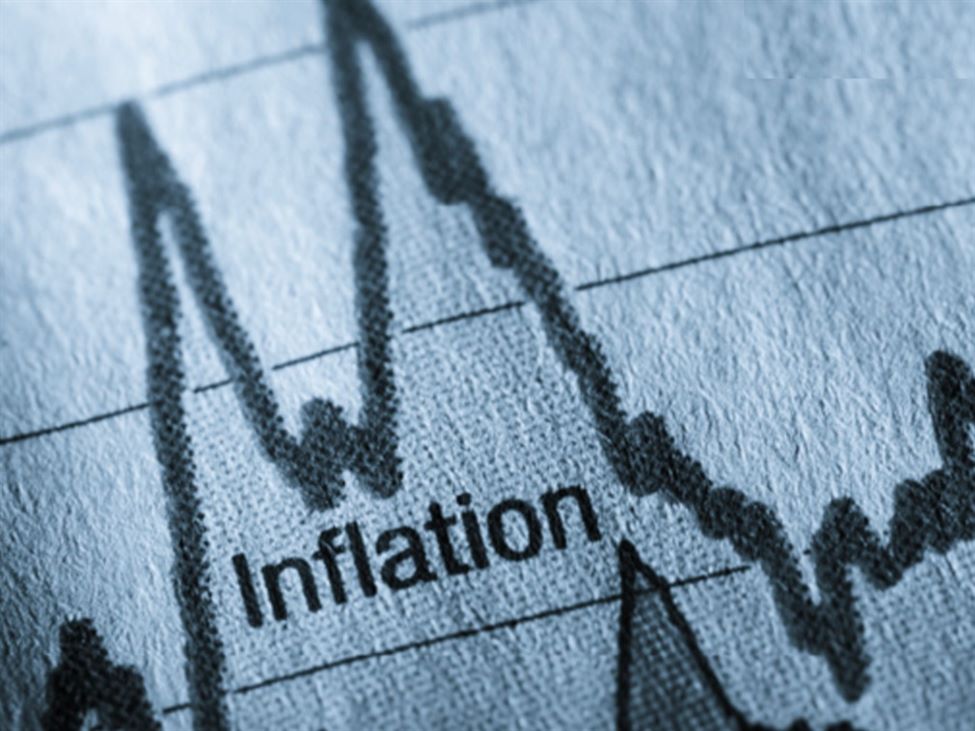
It’s only been a little over three trading days but markets are evidently fearful of inflation pressures returning to major economies. Even if not fully reflected in central bank pricing, in which the needle has definitely moved, then at least take caution from the bond market. 10-year Treasury yields are up 16 bps since the end of last week, keeping around 4.11% today.With oil prices staying underpinned and the Strait of Hormuz under de facto closure, market players will slowly have to factor this short-term spike in price pressures a lot more in the weeks ahead.It’s sort of a repeat of the whole Russia-Ukraine conflict again, only with more uncertainty as to how long the disruption here might be. It could end as soon as tomorrow or perhaps drag on for a few more weeks. And that’s the key issue that traders and investors have to grapple with right now.All that being said, Danske Bank is arguing that the US-Iran conflict is not likely to lead to an inflation shock or sorts. Or at least one that will cause a material shift in major central bank outlook for this year:”In our baseline, we do not foresee that the conflict in Middle East would trigger a new inflation shock.In the euro area, inflation has surprised to the upside lately, and due to higher energy prices in the short-term, we have upgraded our inflation forecasts. Still, we see a high threshold for central banks to react to the recent rise in inflation expectations. We still expect the ECB to stay put until the end of 2027.For the Fed, we pencil in rate cuts in June and in September. And while geopolitics will most likely dominate headlines in the coming weeks, note that the tariff debate might also return to the agenda at some point. It is possible that the US’ trading partners will seek better deals now that the legal base of Trump’s tariff policies has been questioned.” This article was written by Justin Low at investinglive.com. 🔗 Source 💡 DMK Insight Inflation fears are creeping back into the markets, and here’s why that’s a big deal: In just three trading days, traders are feeling the heat as inflation pressures loom over major economies. The bond market is already reacting, with 10-year Treasury yields indicating a shift in sentiment. This could signal a tightening of monetary policy sooner than expected, which is crucial for forex and crypto traders alike. If yields continue to rise, we might see a stronger dollar, which typically puts pressure on crypto assets. Keep an eye on how these yields move—if they break above key resistance levels, it could trigger a wave of selling in riskier assets. But don’t just follow the herd; consider the contrarian view. If inflation fears are overblown and central banks remain dovish, we could see a rebound in equities and crypto. Watch for any economic data releases that might shift this narrative. The next few days are critical, so monitor the bond market closely for signs of volatility. A sudden spike in yields could lead to cascading effects across the markets, particularly in tech stocks and cryptocurrencies, which are often sensitive to interest rate changes. 📮 Takeaway Watch the 10-year Treasury yields closely; a breakout above recent highs could signal a stronger dollar and pressure on crypto assets.

China further outlines five-year plan, says to implement more proactive macro policies
Will enhance the coordination of fiscal and monetary policyTo optimise the structure of fiscal expenditureWill keep liquidity ample, improve sustainability of government financesTo keep exchange rate basically stable, enhance flexibility of the yuanWill release the full potential of services consumptionWill boost effective investment, balance attraction of foreign investmentTo greatly boost self-reliance in science and technologyWill boost high quality development of real estateTo promote healthy and stable housing market developmentWill promote high-quality and adequate employmentTo enhance advantages in rare earths, metals, and also use of strategic mineralsWill encourage internet platforms, AI firms to expand overseas applicationsTo reasonably adjust import tariffs, expand imports of agricultural productsTo improve supply safeguards for grain and important agricultural productsAll of this builds on the earlier announcement here. There is a lot more to it but these are arguably the more relevant points for markets to take note of. Again, the main message here is basically a high-level and top-down outline of what they are trying to achieve. You’d hardly see lawmakers and policymakers dive into much detail when providing this overview as they begin the annual session this week.The most important takeaway so far is that China is outlining that it will be setting out a 2026 GDP target of 4.5% to 5.0%. Analysts were expecting the target to be around there with some estimating that it could just even be set at 4.5%. It is a slight step down from the 2025 GDP target of 5.0%. But if we know Beijing and I’m sure we all do, expect China to be able to meet this new target by hook or by crook. This article was written by Justin Low at investinglive.com. 🔗 Source 💡 DMK Insight The recent push for better coordination between fiscal and monetary policy is a game changer for traders. This move aims to stabilize the yuan while enhancing liquidity, which could lead to a more predictable trading environment. If the government successfully optimizes fiscal expenditure and boosts effective investment, we might see a ripple effect across various asset classes, especially in commodities and equities linked to Chinese economic performance. Traders should keep an eye on the yuan’s exchange rate stability, as any significant fluctuations could impact forex pairs like USD/CNY. Additionally, the focus on services consumption and foreign investment attraction suggests potential growth in sectors like technology and consumer goods. However, it’s worth questioning whether these measures will be enough to counteract global economic pressures. If liquidity remains ample but inflation rises, we could see volatility in both the yuan and related markets. Watch for any announcements regarding fiscal policy adjustments in the coming weeks, as these could provide critical insights into market direction and trading opportunities. 📮 Takeaway Monitor the yuan’s stability and upcoming fiscal policy announcements, as they could significantly impact forex and related asset markets.

investingLive Asia-pacific market news wrap: Big bounce in Korean stocks. Oil climbs again
China five-year plan calls for more proactive fiscal policyChina to continue ‘moderately loose’ monetary policyIran denies that messages were sent to the US about negotiationsChina floats some tax changesA federal trade-court judge ordered a swift repayment of tariffs. Why it mattersAustralian January goods trade balance +2.631B vs +3.90B expectedMarkets:Korean Kospi +8.6%Nikkei 225 +1.6%S&P 500 futures -0.2%WTI crude oil up $2.51 to $77.21US 10-year yields up 3 bps to 4.11%USD leads, AUD lagsEyes were on Asian stock markets after yesterday’s 11% drop in South Korean indices and they didn’t disappoint with a 12% pop at the open led by Samsung. However the bids faded after the open and we’re down to just +8.6% in astonishing trading for a major global market.Japanese stocks have been equally disappointing, gaining just 1.8% after yesterday’s big selloff. Part of the reason we’ve seen a slump is due to resumed oil gains. Crude dipped earlier on expectations for a slower pace of Iranian attacks but that thinking isn’t holding up as the Strait of Hormuz essentially remains closed and the US sending mixed signals about how to open it. That has crude at the best levels since the war.With that, bonds are selling off and the dollar is modestly bid.Eyes are also on China as headlines continue to stream out of the National People’s Congress. So far we’re seeing the usual commitments to boost consumption and there have been signs of tax changes to that effect but it’s all still modest stuff around the edges, with the PBOC again reiterating it’s moderately loose stance. We’re at the point where China needs to deliver credible plans rather than the old vague commitments that the market has lost faith in.Asia is once again bidding up gold prices in what’s been a theme throught the week. Those bids have struggled to hold though US trading but gold is up $47 to $5183 and silver is up nearly 2%. Bitcoin has held most of its impressive gains from yesterday but is down 0.8% so far today. This article was written by Adam Button at investinglive.com. 🔗 Source 💡 DMK Insight China’s shift towards a more proactive fiscal policy is a game-changer for traders: This move signals potential stimulus that could boost economic activity, impacting commodities and currencies linked to Chinese demand. A ‘moderately loose’ monetary policy suggests that interest rates may remain low, which could lead to increased capital flows into riskier assets, including equities and cryptocurrencies. Traders should watch how this affects the Australian dollar, given its correlation with Chinese trade dynamics. On the flip side, the unexpected dip in Australia’s January goods trade balance could indicate weakening demand from China, which might temper bullish sentiment. The trade court’s tariff repayment order adds another layer of complexity, potentially affecting U.S.-China trade relations. Keep an eye on the Kospi for any volatility as these developments unfold, especially if they trigger shifts in investor sentiment. For immediate action, monitor the Australian dollar against the U.S. dollar; a break below recent support levels could signal further downside risk amid these mixed signals. 📮 Takeaway Watch the Australian dollar closely; a break below key support levels could indicate further downside risk amid mixed signals from China and trade balances.
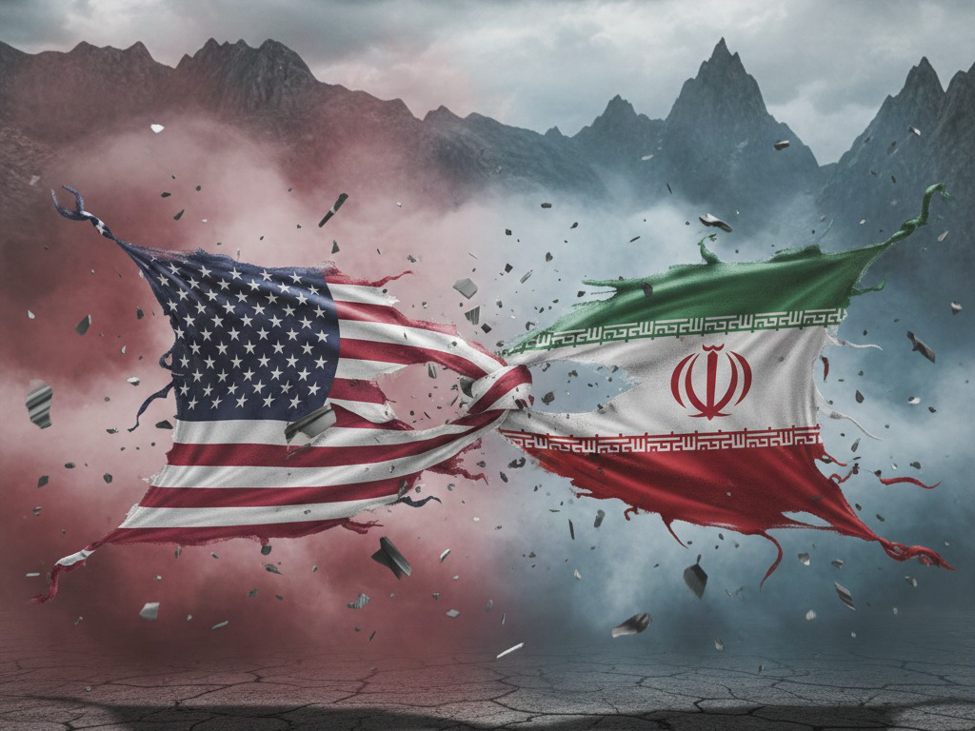
Is this a hint that the US-Iran conflict might stretch on for much longer?
The main issue that market players are struggling to grasp right now is the relative uncertainty with regards to the duration of the US-Iran conflict. That mainly affects the energy security in the region, especially with regards to the Strait of Hormuz and threats to other oil and gas facilities in Gulf nations. In turn, that plays to the broader market mood such as risk sentiment and inflation fears.From the early reaction, one can argue that we’re not quite seeing a lot of fear priced in just yet. The baseline seems to be the case that Iran will slowly be incapacitated to the point where they won’t be able to stir up much of a ruckus and normal operations resume eventually. But with each passing day that the status quo remains, markets will continue to be pushed closer to the edge in expecting otherwise.There is a report from Politico that was out earlier and it is flying a bit under the radar. However, it could be one to suggest that the conflict could well extend beyond “weeks” and instead measure up to “months”. The report notes that:”US Central Command, meanwhile, is asking the Pentagon to send more military intelligence officers to its headquarters in Tampa, Florida, to support operations against Iran for at least 100 days but likely through September..It’s the first known call for additional intelligence personnel for the Iran war by the administration, and a sign the Pentagon is already allocating funding for operations that may stretch long beyond President Donald Trump’s timeline for the conflict.”If we are talking about months here where Iran continues to fight back and we see extended or even on-and-off disruptions to the Strait of Hormuz, that’s not a good timeline to be looking at. And surely, that is one that markets are currently not prepared for even when just looking at oil prices alone currently.WTI crude oil is up by another 1.5% today to $77.30 now but that owes much to Iran playing down previous reports of a potential de-escalation. We’re now tracking the highest levels since June last year but after that, it’s a clear path towards $80. And as mentioned earlier in the week, if traders are actually considering prices above the $80 mark then it could be a quick rush to see the balance of risks shift towards talk of $100 soon enough. This article was written by Justin Low at investinglive.com. 🔗 Source 💡 DMK Insight The ongoing US-Iran conflict is creating significant uncertainty in energy markets, and here’s why that matters: Traders are on edge as tensions in the Strait of Hormuz could disrupt oil supply routes, which are vital for global energy security. With oil prices already sensitive to geopolitical events, any escalation could lead to sharp price spikes. For day traders and swing traders, this means keeping a close eye on crude oil futures and related ETFs. If prices break above key resistance levels, say $85 per barrel, we could see a rush of buying, while a failure to hold above that level might trigger profit-taking. But it’s not just oil that’s affected; natural gas markets could also feel the heat, especially if supply routes are threatened. Traders should monitor the correlation between crude oil and natural gas prices, as disruptions in one often lead to volatility in the other. Watch for any news updates that could signal a change in the conflict’s status, as these could lead to immediate market reactions. 📮 Takeaway Keep an eye on crude oil prices; a break above $85 could trigger buying, while any escalation in the US-Iran conflict will likely impact both oil and natural gas markets.
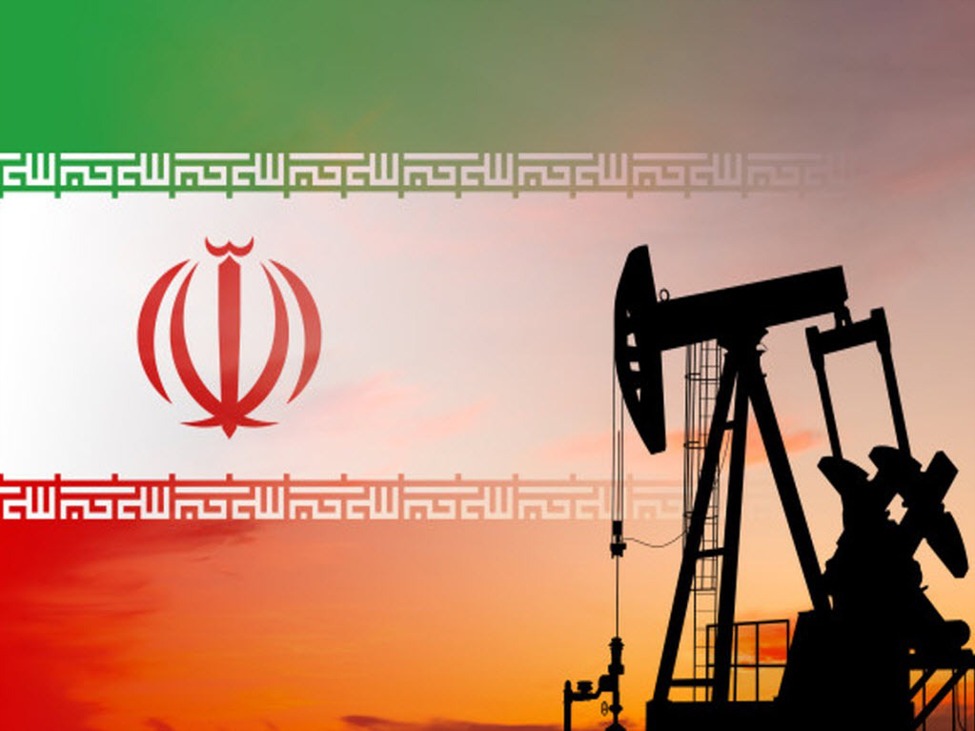
Goldman Sachs bumps up oil price forecast amid Middle East conflict
Well, they’re not going off into the wild in calling for triple-digit oil prices at least. The firm is offering a bit more of a measured take to start with as they see “mixed signals” from the US-Iran conflict. That especially with regards to the Strait of Hormuz, which is what market players are heavily focusing on.Goldman Sachs notes that:”Brent has risen just above $80 as oil exports and production in the Middle East are significantly disrupted. We assume that Brent will trade in the $80s in March as the market processes mixed signals with some relief from a potential gradual recovery in Strait of Hormuz flows but also some renewed concerns as evidence of production cuts grows.”As for their price projections further out:”We are raising our Q2 2026 average oil price forecast for Brent by $10 to $76/bbl (vs $66 prior) and by $9 for WTI to $71 (vs $62 prior).”By all measures, this looks to lean more towards the conservative side given the current situation. And the take seems to be that they are viewing the US-Iran conflict, or at least the impact to markets, will subside in the coming weeks but may simmering tensions may prevent a material reversal in oil prices to levels seen in January and early February. This article was written by Justin Low at investinglive.com. 🔗 Source 💡 DMK Insight Mixed signals from the US-Iran conflict are keeping oil prices in check, but here’s why traders should pay attention. With the Strait of Hormuz being a critical chokepoint for oil transport, any escalation in tensions could lead to supply disruptions, impacting global oil prices significantly. Traders should be wary of volatility in the oil market, especially if geopolitical tensions flare up. Current market sentiment appears cautious, and while predictions of triple-digit oil prices might seem far-fetched, even minor conflicts can lead to sharp price spikes. Monitoring the situation closely is essential, particularly for those holding long positions in oil futures or ETFs. Keep an eye on key resistance levels; if prices start breaking above recent highs, it could signal a shift in momentum. Conversely, if tensions ease, we might see a pullback, so having stop-loss orders in place is wise. 📮 Takeaway Watch for developments in the US-Iran conflict and monitor oil price resistance levels; volatility could spike if tensions escalate.

TMGM Joins Forces with Chelsea to Successfully Present “The Famous CFC” Bangkok
TMGM, Official Regional Partner of Chelsea Football Club, successfully presented the highly anticipated “The Famous CFC” Bangkok fan experience event on 1 March, bringing together hundreds of fans from across the Asia-Pacific region for an unforgettable night of football passion and exclusive experiences.Chelsea legend and former captain John Terry made a special appearance at the event, connecting directly with supporters and creating memorable moments throughout the evening.John Rogers, Head of Global Partnerships for Chelsea Football Club, expressed his appreciation for TMGM’s continued support and highlighted how initiatives like these deliver meaningful value by bringing the club closer to its global fan community.VIP Meet & Greet with John TerryAhead of the main event, TMGM hosted an exclusive VIP Meet & Greet session on 28 February, offering selected guests a rare opportunity to meet Chelsea legend John Terry in an intimate setting.Guests enjoyed close interaction with the iconic captain, capturing memorable photos and sharing conversations with one of the most respected leaders in Chelsea history. The evening also featured engaging activities and the opportunity to win exclusive limited-edition gifts jointly presented by TMGM and Chelsea, setting the stage for the highly anticipated fan celebration the following day.A Night of Celebration for Blues FansOn the evening of 1 March, “The Famous CFC” Bangkok officially opened its doors, perfectly timed with Chelsea’s Premier League away clash against Arsenal. The event connected the excitement of a major match night with the energy of Chelsea supporters across Asia-Pacific. (All times below are local time.)19:30 – Doors Open and Guest ArrivalAs guests arrived at the venue, they entered a vibrant Chelsea-themed environment designed for fans to immerse themselves in the spirit of the club. Supporters took photos, connected with fellow fans, and captured memorable moments before the evening’s main programme began.20:40 – Official Event OpeningThe event officially commenced, with the stage becoming the central hub of entertainment and fan interaction.20:40 – 23:15 – Stage Programme and Fan EngagementA series of engaging activities brought the crowd together throughout the evening, including:Live Music Performances creating a festive football atmosphereRaffles and Fan Quizzes, featuring exclusive prizes including memorabilia signed by John TerryOn-Stage Interactive Games, where lucky fans were invited to participate and interact directly with the Chelsea legendSpecial Q&A Session with John Terry, where the former captain shared stories from his legendary career, reflections on iconic Chelsea matches, and personal insights from his time leading the Blues to historic victories including the UEFA Champions League and multiple Premier League titles.Fans responded with enthusiasm and applause as Terry’s stories brought unforgettable moments of Chelsea history back to life.23:30 – Kick OffAs the clock struck 23:30, attention shifted to the giant screen as Chelsea’s Premier League clash against Arsenal began.23:30 – 01:15 – Match ScreeningFans watched the game together in a dedicated viewing space created by TMGM and Chelsea. Every attack, tackle, and goal attempt sparked cheers across the venue, creating an electrifying atmosphere that connected Bangkok with Stamford Bridge through the shared passion for football.01:15 – 01:30 – Event Close and Guest DepartureFollowing the final whistle, guests departed with unforgettable memories, signed memorabilia, and photos capturing their once-in-a-lifetime moments with a Chelsea legend.Strengthening the Partnership Between TMGM and ChelseaThe success of the Bangkok event marks another milestone in the growing partnership between TMGM and Chelsea Football Club. From Gary Cahill’s appearance in Kuala Lumpur to John Terry’s visit to Bangkok, “The Famous CFC” series continues to strengthen the club’s connection with fans around the world, with TMGM proudly serving as the presenting partner.For TMGM, collaborating with one of the world’s most iconic football clubs represents a powerful opportunity to connect with clients globally while reinforcing the brand’s values of professionalism, trust, and precision. For Chelsea, TMGM plays an important role in supporting the club’s engagement with fans across the Asia-Pacific region.As the unforgettable night in Bangkok came to a close, the partnership between TMGM and Chelsea continues to grow. Together, they remain committed to creating more exceptional experiences for fans and clients across the region—delivering moments that truly embody the spirit of being “Precise in Every Moment.”About TMGMFounded in 2013 in Sydney, Australia, TMGM is a global financial broker and the official regional partner of Chelsea Football Club.TMGM is regulated by multiple financial authorities including ASIC (Australian Securities and Investments Commission), VFSC (Vanuatu Financial Services Commission), FSC Mauritius, and FSA Seychelles, providing clients with a secure and trusted trading environment supported by strong regulatory oversight.DisclaimerThe document is provided by Trademax Global Limited (VFSC 40356). Please note that investing in CFDs and Margin FX Contracts carries significant risks and is not suitable for all investors. You may lose more than your initial deposit. You don’t own, or have, any interest in the underlying assets. Any information or general financial product advice given in the document is generic in nature and does not take into account your financial situation, needs or personal objectives. Past performance is not a reliable indicator of future performance. Investing in leveraged products carries significant risks. We recommend that you seek independent advice and ensure that you fully understand the risks involved before trading. It is important that you read and consider our disclosure documents posted on our website tmgm.com before you acquire any product listed on the document. This article was written by IL Contributors at investinglive.com. 🔗 Source 💡 DMK Insight So Chelsea’s partnership with TMGM is more than just a marketing gimmick—it’s a strategic play that could influence crypto trading sentiment. As ETH hovers around $2,152.81, the connection between sports and crypto is becoming increasingly relevant. Events like these can drive interest and investment in crypto assets, particularly among fans who may be new to trading. The crossover appeal can lead to increased trading volumes, especially if TMGM leverages this partnership to promote crypto trading to football enthusiasts. Look for potential spikes in ETH trading activity as these events unfold, especially if they coincide with major football matches or announcements. But here’s the flip side: while fan engagement can boost interest, it doesn’t guarantee price
FX option expiries for 5 March 10am New York cut
There is arguably just one to take note of on the day, as highlighted in bold below.That being for EUR/USD at the 1.1600 level. It’s the same story as yesterday as the expiries here also intersect at the same level. The dollar is once again stronger today as markets are feeling a bit more nervous again on the US-Iran conflict. And that is the bigger driver of trading sentiment at the moment.If anything, the expiries could play a small role in keeping price action more cagey around the figure level. But in all likelihood, the impact of the expiries is likely to be more muted. That as there are bigger forces in play to drive price action as we look to the day ahead.Oil prices are back on the up and inflation worries are creeping back in, making for a softer risk mood as we approach European trading. As such, that is underpinning the dollar again so EUR/USD may look to keep below 1.1600 with the expiries helping to limit the ceiling in the session ahead.But again, expect price action to be more prone to be driven by broader market sentiment and the dollar mood. That’s the main factor dictating the direction of price action at the moment.For more information on how to use this data, you may refer to this post here.Head on over to investingLive (formerly ForexLive) to get in on the know! This article was written by Justin Low at investinglive.com. 🔗 Source

ECB policymaker Villeroy: I do not see reason today why we should raise interest rates
Conflict may have upward effect on inflation and downward effect on growthThe proportion of which will depend on the length of the situationI do not see reason today why the ECB should raise interest ratesI would say the fact that he has to mention it already shows how the conversation has shifted. For some context: Inflation fears reemerge as markets digest higher energy prices from US-Iran conflictIt’s clear that they don’t need to rush to respond to the situation in the Middle East. It would not be prudent nor wise for them to make rash decisions based on something that has so much uncertainty tied to it. As a reminder, we’re not even a week into the conflict yet. And this is one that could potentially drag on for weeks, or even months.Central bankers will surely be watching oil prices very carefully and for now, I would say that markets have not gotten carried away in pricing the conflict. It remains to be seen if Iran can keep the Strait of Hormuz under de facto closure and/or they can continue to disrupt energy facilities and oil tankers anywhere else in the Gulf region.And even if that sees a material rise in oil prices, I would expect central banks to eventually play that development down as being “temporary” or revert back to their favourite phrase of it being “transitory”. This article was written by Justin Low at investinglive.com. 🔗 Source 💡 DMK Insight So, the ongoing conflict is stirring up inflation fears while growth prospects dim, and here’s why that matters: rising inflation could pressure central banks like the ECB to act, but the current sentiment suggests they might hold off on rate hikes. Traders need to keep an eye on how this conflict evolves, as prolonged tensions could lead to higher commodity prices, impacting sectors like energy and agriculture. If inflation continues to rise, it could force the ECB to reconsider its stance, which would have ripple effects across the Eurozone and beyond. The market’s reaction to any ECB comments or economic data releases will be crucial, especially if inflation metrics start to surprise on the upside. Watch for key inflation indicators and ECB meetings in the coming weeks, as they could signal shifts in monetary policy that directly affect forex pairs like EUR/USD. 📮 Takeaway Monitor ECB communications closely; any shift in their stance on interest rates could significantly impact the euro and related forex pairs.

USDJPY retains the bullish bias as traders pare back Fed rate cut bets; BoJ lacks support
FUNDAMENTAL OVERVIEWUSD:The US dollar strengthened across the board on safe haven demand this week after the US-Iran conflict erupted over the weekend. The main driver though was the market’s realisation that rate cuts might not come as soon as expected. In fact, higher oil prices will eventually put upward pressure on inflation and the US data this week clearly showed that the economy has been re-accelerating since the start of the year and not slowing down further. Traders pared back their rate cut bets this week with the total easing by year-end now seen around 41 bps vs 58 bps on Friday. Tomorrow, we have the US NFP report and all the jobs data we got up until now suggests that we will likely get good data. JPY:On the JPY side, nothing has changed as PM Takaichi’s opposition and, more importantly the data, haven’t been supporting a rate hike any time soon. The latest Japanese CPI fell below the BoJ’s 2% target, dealing another blow to the central bank’s efforts to further raise interest rates. The market is still pricing a rate hike in June at the earliest with a total of two rate hikes by year-end. This might turn out to be too optimistic. The Japanese yen will continue to weaken as rate hike expectations get pushed further out. USDJPY TECHNICAL ANALYSIS – DAILY TIMEFRAMEOn the daily chart, we can see that USDJPY stalled at the key 157.65 level as the sellers stepped in to position for a drop back into the major trendline. The buyers will need a break above the swing level to extend the rally into the 159.00 handle next. USDJPY TECHNICAL ANALYSIS – 4 HOUR TIMEFRAMEOn the 4 hour chart, we can see the price probed below the minor upward trendline but eventually bounced back above it. The buyers will likely continue to step in around the trendline with a defined risk below it to keep pushing into new highs. The sellers, on the other hand, will look for a break lower to increase the bearish bets into the major trendline. USDJPY TECHNICAL ANALYSIS – 1 HOUR TIMEFRAMEOn the 1 hour chart, we can see the price broke above the minor downward trendline that was defining the pullback into the 4-hour trendline. The buyers piled in on the break to position for a rally into new highs. The sellers, on the other hand, will need to see the price breaking lower again to regain some control and target new lows. The red lines define the average daily range for today. UPCOMING CATALYSTSToday we get the latest US Jobless Claims figures. Tomorrow, we conclude the week with the US NFP report. Continue to keep an eye on the US-Iran war headlines as that’s what the market is focused on right now. This article was written by Giuseppe Dellamotta at investinglive.com. 🔗 Source 💡 DMK Insight The US dollar’s recent strength signals a shift in market sentiment amid geopolitical tensions. With the US-Iran conflict escalating, traders are flocking to the dollar as a safe haven, which could lead to further appreciation. This trend is compounded by the realization that interest rate cuts may be delayed, as rising oil prices could stoke inflationary pressures. For day traders and swing traders, this creates a compelling environment to consider long positions in USD against weaker currencies. Watch for key resistance levels in the dollar index; a sustained break above recent highs could trigger more buying. However, it’s worth noting that while the dollar gains, commodities like oil may face volatility. If oil prices continue to rise, it could lead to increased costs for consumers and businesses, potentially impacting economic growth. Keep an eye on the correlation between oil prices and the dollar, as any significant shifts could provide trading opportunities in both markets. For now, monitor the dollar’s performance closely, especially against the euro and yen, as these pairs could be particularly responsive to the current dynamics. 📮 Takeaway Watch for the dollar index to break above key resistance levels, as geopolitical tensions and delayed rate cuts could drive further strength in the USD.
Germany February construction PMI 43.7 vs 44.7 prior
Prior 44.7This marks back-to-back decreases in German construction activity to start the new year, following a brief return to growth at the end of 2025. The civil engineering sub-sector recorded growth but that is in contrast to the sharp declines in work in both the housing and commercial segments.On the price front, average prices paid for purchases also increased with the pace there being a five-month high. That won’t bode well when you piece it together with the likely increase in short-term prices amid the US-Iran conflict.HCOB notes that:“The recession in the residential sector has worsened again. Activity in commercial construction continues to fall rapidly, with the pace of decline slowing only marginally. In contrast, civil engineering has seen higher construction activity for the fourth month in a row. However, the pace of expansion has slowed significantly recently. Overall, the deterioration in the construction sector is also related to the relatively harsh winter, which is likely to have contributed to job losses after more staff had been hired in the previous months. “There is unlikely to be any growth in residential and commercial construction in the coming months. This is because the slump in new orders deepened further in February. Companies were also under pressure from particularly sharp rises in purchase prices. Higher diesel prices, among other things, are likely to have played an important role here. The war in the Middle East, which has propelled oil prices higher, does not bode well for inflationary pressures in the near future. “Subcontractors are also suffering from weak demand, with even less work than in the previous month and generally considered to be more readily available. However, in view of rising material costs, subcontractors have also continued to increase their prices, albeit to a lesser extent than in the previous month. “One ray of hope is the renewed brightening of the outlook for the future. Against the backdrop of ongoing and planned infrastructure projects and the expectation that next winter will allow for more construction activity, the value of the future activity index has risen to its highest level since 2020 and well over 50 points.” This article was written by Justin Low at investinglive.com. 🔗 Source 💡 DMK Insight German construction activity is faltering, and here’s why that matters: Back-to-back decreases signal a troubling trend for the economy, especially as housing and commercial segments struggle. While civil engineering shows some resilience, the overall decline could impact related markets like materials and labor. Traders should keep an eye on construction-related stocks and ETFs, as these declines often precede broader economic slowdowns. If this trend continues, we might see increased volatility in sectors tied to construction, such as real estate and commodities. Look for key indicators like the upcoming economic data releases and any shifts in government infrastructure spending. If construction activity doesn’t rebound soon, expect a ripple effect that could weigh on investor sentiment across the Eurozone. The real story is whether this downturn is a temporary blip or the start of a more significant contraction. Watch the 44.7 level closely; a break below could signal further weakness in the market. 📮 Takeaway Monitor the 44.7 level in German construction activity; a sustained decline could trigger broader market volatility, especially in real estate and materials sectors.