
 Bitcoin
  Ethereum
  Tether
  XRP
XRP  BNB
BNB  USDC
USDC  Solana
  TRON
TRON  Lido Staked Ether
  Figure Heloc
We have to use different scenarios after Iran attacksBaseline scenario is that it will be a short conflictOther scenario is that it will be more protractedMarket reaction has been orderly ECB should change its policy stance if inflation expectations change as a result of the Iran warTo look out for any steady modification of inflation and inflation expectationsThe longer the war lasts, the bigger the risk that inflation expectations changeEuropean Central Bank Vice President Luis de Guindos has signalled that while market reactions to the US-Iran war remain “orderly,” the central bank is prepared to pivot its monetary policy should the conflict begin to structurally alter inflation expectations.In a series of remarks outlining the ECB’s risk assessment, de Guindos emphasized that the duration of the conflict is now the primary variable for Eurozone price stability.The ECB is currently weighing two primary geopolitical scenarios to determine the future path of interest rates:The Baseline (Short-Term): A contained, brief conflict with minimal long-term disruption to energy markets or supply chains that doesn’t require a change in interest rates.The Protracted Conflict: A more long lasting war that creates sustained upward pressure on energy costs and shipping logistics requiring a rate hike.The ECB is shifting its focus away from temporary price spikes and toward “steady modifications” in economic data. The Vice President noted that the bank’s policy stance would need to be reassessed if businesses and consumers begin to expect higher prices as a consequence of the new geopolitical landscape. For now, the ECB remains in a “wait and see” mode. This article was written by Giuseppe Dellamotta at investinglive.com. 🔗 Source 💡 DMK Insight The potential for conflict in Iran is a game-changer for traders right now. If the situation escalates, it could disrupt oil supplies, sending prices soaring and impacting inflation expectations globally. This is crucial for forex traders, especially those dealing with currencies sensitive to oil prices like the Canadian dollar or the Norwegian krone. If the ECB shifts its policy stance in response to rising inflation, we could see significant volatility in the euro. Keep an eye on the 1.05 level for EUR/USD; a break below could signal deeper bearish sentiment. On the flip side, if the conflict remains short-lived, markets might stabilize quickly, leading to a potential buying opportunity in risk assets. Traders should monitor geopolitical news closely, as sentiment can shift rapidly. The immediate focus should be on oil price movements and any ECB announcements, as these will dictate market direction in the coming weeks. 📮 Takeaway Watch for oil price movements and the 1.05 level in EUR/USD; a shift in ECB policy could trigger significant market volatility.

Iran is ready to abandon its nuclear program if the US makes a satisfactory offer
Sky News Arabia reported that Iran’s Deputy Foreign Minister said “Iran is ready to abandon its nuclear program on condition that the United States presents a satisfactory alternative offer”.Yesterday, we got the news that Iran has been secretly contacting the US to reach a deal and end the conflict, although Iran dismissed those reports as fake news. These are clear signs of de-escalation, and we might just need the US or Israel saying that they reached their objectives to see the markets cheering.Following the Deputy Foreign Minister comment, the markets reacted in a positive way as stocks jumped, while the US dollar and crude oil weakened. This article was written by Giuseppe Dellamotta at investinglive.com. 🔗 Source 💡 DMK Insight Iran’s potential shift on its nuclear program could shake up oil markets significantly. If the U.S. and Iran reach a satisfactory deal, we might see a surge in Iranian oil exports, which could flood the market and impact global oil prices. Traders should keep an eye on Brent and WTI crude benchmarks, as any easing of sanctions could lead to a drop in prices. Additionally, this development could influence related assets like the Iranian Rial and regional equities. But here’s the flip side: if negotiations stall or if the U.S. doesn’t offer a favorable deal, we could see heightened tensions that might drive oil prices up instead. Watch for key resistance levels around $90 for Brent and $85 for WTI, as these could serve as pivot points in the coming weeks. Keep an eye on the news cycle for updates on negotiations, as any positive signals could lead to immediate market reactions. 📮 Takeaway Monitor Brent and WTI crude levels closely; a deal could push prices down, while stalled talks might spike them.
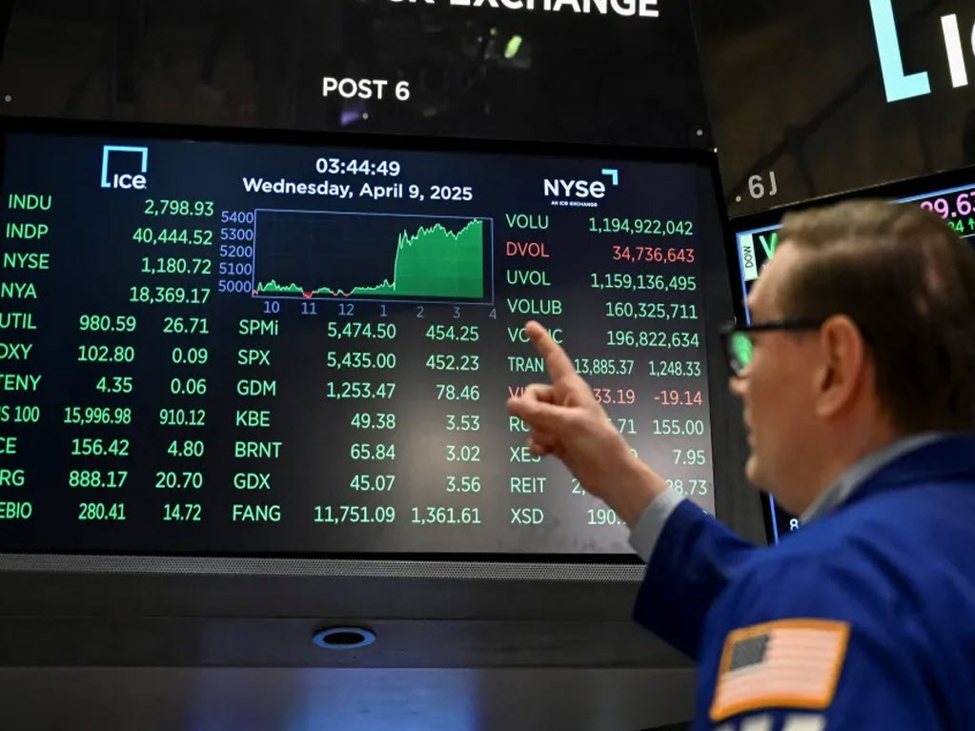
US futures bounce back up again, dollar pares gains on the day too
The volatile trading continues on the week and it’s tough to hold any intraday convictions. S&P 500 futures were down by as much as 0.5% earlier on but have now climbed back up to pare losses to be up 0.1% on the day.The only plausible headline I’m seeing that ties closely is one reported by Sky News Arabia, in citing Iran’s foreign ministry as to saying that they might consider abandoning its nuclear program “if the US makes an attractive enough alternative offer”.Quite frankly, the odds of that are almost nil I would say. We’re already seeing both sides wage a war and Trump is not going to be patient enough to go back to the negotiating table. The gap between both sides were already too wide to begin with. Hence, that has what led us to where we are currently.As US futures bounce, European indices are also now turning positive with slight gains on the day. The DAX and CAC 40 indices are both up 0.3% currently.Meanwhile, the turn of the mood is seeing the dollar retreat once more. And there is a familiar kick to it with this being a repeat of what we saw in European trading yesterday as well. EUR/USD is now flat at 1.1630 after trading around 1.1590 at the start of the session. Meanwhile, USD/JPY has also slipped back lower to just below 157.00 after hovering around 157.20-30 levels earlier in the day.The volatile trading is also permeating through precious metals with silver now up 1.4% on the day to $84.60, after having dropped by almost 4% earlier with the low touching $80.60. Meanwhile, gold is also up 0.7% to $5,171 as traders look to try and hold a second day of gains after the sharp drop on Tuesday. This article was written by Justin Low at investinglive.com. 🔗 Source 💡 DMK Insight ADA’s current price at $0.28 reflects a broader market uncertainty, especially with S&P 500 futures showing mixed signals. Traders should be cautious as the volatility in both crypto and equity markets suggests a lack of clear direction. The recent fluctuations in S&P 500 futures indicate that macroeconomic factors are still influencing sentiment. For ADA, a break below $0.25 could trigger further selling pressure, while a move above $0.30 might attract buyers looking for a rebound. Keep an eye on trading volumes; a spike could signal a shift in momentum. Given the current environment, day traders might want to adopt a scalping strategy, capitalizing on short-term price movements rather than holding positions for longer durations. Here’s the thing: while ADA’s price action is tied to broader market trends, it’s essential to monitor specific technical levels. If ADA can hold above $0.28, it might consolidate, but any dip below could lead to a quick sell-off. Watch for key resistance at $0.30 and support at $0.25 for actionable insights. 📮 Takeaway Monitor ADA closely; a break below $0.25 could lead to increased selling pressure, while holding above $0.28 may indicate potential consolidation.

UK February construction PMI 44.5 vs 47.0 expected
Prior 46.4Residential building was the main reason for the drag in overall construction activity in February, being the weakest-performing segment (37.0) once again. That being said, there were also contractions in both commercial construction activity (46.5) and civil engineering work (41.0) with the latter slumping to its softest since September last year.S&P Global notes that:”A sharper downturn in house building was the main factor behind the setback for UK construction activity in February, following some signs of stabilisation at the start of 2026. Total industry activity has decreased in each month since January 2025 and the latest decline was faster than seen on average over this period. The reduction in output was largely due to sluggish demand conditions, but some firms also noted that exceptionally wet weather had disrupted construction projects. “Construction companies were hopeful of a turnaround in business activity over the year ahead, with optimism levels hitting a 14-month high in February. This was often linked to forthcoming new projects in the infrastructure and energy sectors, as well as projected improvements in broader economic conditions. “Sharply rising input costs were a challenge in February. The rate of purchasing price inflation hit a seven-month high as suppliers passed on rising raw material costs, especially metals.” This article was written by Justin Low at investinglive.com. 🔗 Source 💡 DMK Insight Construction activity is slowing down, and here’s why that matters: residential building is dragging down the overall sector. With residential construction at 37.0, it’s clear that demand is waning, which could signal a broader economic slowdown. Commercial construction isn’t faring much better at 46.5, and civil engineering has hit a low of 41.0, the weakest since September. This trend could impact related markets, particularly real estate and materials, as reduced construction activity often leads to lower demand for commodities like lumber and steel. Traders should keep an eye on these sectors as they may experience volatility in the coming weeks. But here’s the flip side: if these numbers prompt government intervention or stimulus measures, we could see a rebound. Watch for any announcements from policymakers that could shift sentiment. For now, keep an eye on the 40 level in construction indices—if it breaks, we could see a more pronounced downturn across related markets. 📮 Takeaway Monitor construction indices closely; a drop below 40 could trigger broader market volatility, especially in real estate and materials.

Eurozone January retail sales -0.1% vs +0.3% m/m expected
Prior -0.5%; revised to +0.2%The breakdown shows an increase in retail sales for food, drinks, tobacco (+0.3%), offset by a decline in sales for non-food products (-0.2%) and automotive fuel in specialised stores (-1.1%). But relative to the same month last year, euro area retail sales is at least seen up 2.0%. The monthly trend: This article was written by Justin Low at investinglive.com. 🔗 Source 💡 DMK Insight Retail sales data just flipped from negative to positive, and here’s why that matters: The revision from -0.5% to +0.2% in euro area retail sales is a significant shift, especially with food and drink sales showing resilience. This uptick could indicate a slight rebound in consumer confidence, which traders should watch closely. However, the declines in non-food products and automotive fuel suggest that not all sectors are thriving. This mixed bag can create volatility in related markets, particularly in consumer goods and energy stocks. If this trend continues, it could influence central bank policies, potentially affecting forex pairs like EUR/USD. Watch for key resistance levels around recent highs; a sustained move above these could signal further bullish momentum. Conversely, if sales dip again, expect increased selling pressure. Keep an eye on upcoming economic indicators that could provide more context, especially if they align with this retail data. The next few weeks will be crucial for gauging whether this is a one-off or the start of a more sustained recovery. 📮 Takeaway Monitor euro area retail sales closely; a sustained increase could strengthen the euro against the dollar, especially if it breaks recent resistance levels.

The upside momentum in oil prices is waning amid tentative signs of de-escalation
FUNDAMENTAL OVERVIEWOil prices remain supported amid the US-Iran war and the virtually closed Strait of Hormuz. The bullish momentum has waned though due to some de-escalatory signals in the past couple of days. Just this morning, the Iranian Deputy Foreign Minister said that Iran was ready to abandon its nuclear program on condition that the United States presented a satisfactory alternative offer. Yesterday, we got a NYT report saying that Iran was secretly contacting the US to find a solution to end the war, although the Iranians dismissed the report as fake news. The market might have also been expecting a de-escalation sooner rather than later as the US stocks remained resilient despite the negative pressure. We might be one Truth Social post away from a strong relief rally if Trump announces the start of negotiations or that the US has reached all its objectives. CRUDE OIL TECHNICAL ANALYSIS – DAILY TIMEFRAMEOn the daily chart, we can see that crude oil extended the gains into the highest level since the last US-Iran escalation in June. This is where we can expect the sellers to step in with a defined risk above the level to position for a drop back below the 70.00 handle. The buyers, on the other hand, will look for a break higher to increase the bullish bets into the 80.00 handle.CRUDE OIL TECHNICAL ANALYSIS – 4 HOUR TIMEFRAMEOn the 4 hour chart, we can see the momentum has been waning into the 78.38 level due to high uncertainty and conflicting signals on the Strait of Hormuz. There’s not much we can glean from this timeframe, so we need to zoom in to see some more details. CRUDE OIL TECHNICAL ANALYSIS – 1 HOUR TIMEFRAMEOn the 1 hour chart, we have a minor upward trendline defining the bullish momentum on this timeframe. The buyers will likely continue to lean on the trendline with a defined risk below it to keep pushing into new highs, while the sellers will look for a break lower to target a pullback into the 70.00 handle next. The red lines define the average daily range for today.UPCOMING CATALYSTSToday we get the latest US Jobless Claims figures. Tomorrow, we conclude the week with the US NFP report. Continue to keep an eye on the US-Iran war headlines as that’s what the market is focused on right now. This article was written by Giuseppe Dellamotta at investinglive.com. 🔗 Source 💡 DMK Insight Oil prices are holding steady, but traders should watch for potential volatility as de-escalation talks unfold. The ongoing tensions in the US-Iran conflict have kept oil prices buoyant, especially with the Strait of Hormuz being a critical chokepoint for global oil supply. However, recent comments from Iranian officials hinting at a willingness to negotiate on nuclear issues could signal a shift in sentiment. If these talks gain traction, we might see a significant drop in oil prices as fears of supply disruptions ease. Traders should keep an eye on key resistance levels and potential breakout points, particularly if prices approach recent highs. On the flip side, if tensions escalate again, we could see a swift rebound in prices. Monitoring geopolitical news closely will be crucial in the coming days, as any sudden shifts could lead to rapid market movements. Additionally, keep an eye on correlated assets like energy stocks and ETFs, which often react to oil price fluctuations. In the short term, traders should watch for any major announcements regarding the nuclear talks or military actions in the region, as these could serve as catalysts for price movements. 📮 Takeaway Watch for developments in US-Iran negotiations; any positive news could lead to a drop in oil prices, while escalations might spike them higher.

XRP price breakout targets $1.95 amid five-day ETF inflow streak
XRP analysts highlighted the potential for a rebound to $1.95 as the price broke above a symmetrical triangle amid persistent institutional demand. 🔗 Source 💡 DMK Insight XRP’s breakout above the symmetrical triangle at $1.43 is a significant bullish signal, especially with institutional demand on the rise. Traders should pay attention to the $1.95 target, which aligns with previous resistance levels. If XRP can maintain momentum above $1.43, it could attract more buying interest, pushing the price higher. However, watch for any pullbacks; a drop below $1.35 could signal weakness and trigger profit-taking. The broader crypto market’s performance will also play a role—if Bitcoin and Ethereum hold their ground, XRP’s chances of reaching $1.95 improve. Here’s the thing: while the bullish sentiment is palpable, it’s crucial to remain cautious. Institutional interest is a double-edged sword; if they start selling, it could lead to rapid declines. Keep an eye on trading volumes and market sentiment to gauge potential reversals or confirmations of the bullish trend. 📮 Takeaway Watch for XRP to hold above $1.43 for a potential run to $1.95; a drop below $1.35 could indicate a bearish reversal.
Bitcoin still due 'next leg down' as $73K BTC price precedes death cross
A new Bitcoin death cross would ensure continuation of the bear market unless a “major bullish catalyst” appears, per new BTC price analysis. 🔗 Source 💡 DMK Insight A potential Bitcoin death cross is looming, and here’s why that matters: At the current price of $72,797, traders should be on high alert. A death cross, where the 50-day moving average crosses below the 200-day moving average, typically signals bearish momentum. If this pattern materializes, it could reinforce the prevailing downtrend and push BTC further into bear territory unless we see a significant bullish catalyst emerge. This could lead to increased selling pressure, particularly from short-term traders looking to capitalize on the trend. But let’s not overlook the flip side. If Bitcoin can rally and break above key resistance levels—like the previous highs—before the death cross forms, it might negate the bearish sentiment. Keep an eye on volume trends and market sentiment, as these could provide clues about whether the bulls can muster enough strength to counteract the bearish signals. Watch for any news or developments that could act as a catalyst, as they could shift the momentum quickly. 📮 Takeaway Monitor Bitcoin closely for a potential death cross; a break above $75,000 could signal a bullish reversal, while a drop below $70,000 may confirm bearish momentum.

Price predictions 3/4: BTC, ETH, BNB, XRP, SOL, DOGE, ADA, BCH, HYPE, LINK
Bitcoin’s recovery picked up steam on Wednesday as the cryptocurrency rallied above $74,000 amid consistent inflows into the spot Bitcoin ETFs. Do technical charts support the move in BTC and altcoins? 🔗 Source 💡 DMK Insight Bitcoin’s surge past $74,000 is more than just a number—it’s a signal of renewed institutional interest. With spot Bitcoin ETFs attracting significant inflows, traders should pay attention to how this affects both BTC and altcoins. The momentum could lead to a breakout above key resistance levels, particularly if BTC holds above $74,000 in the coming days. Look for altcoins like Litecoin, currently at $56.78, to potentially follow suit, especially if Bitcoin maintains its bullish trajectory. However, be cautious; if BTC fails to hold this level, we could see a sharp pullback, which would impact the entire crypto market. Watch for trading volumes and sentiment indicators to gauge whether this rally has legs or if it’s just a temporary spike. Keep an eye on the daily chart for any signs of overbought conditions, as that could signal a reversal. In the broader context, this rally could also influence traditional markets, particularly if institutional players continue to shift assets into crypto. The real story is how long this momentum can last and whether it translates into sustained growth across the board. 📮 Takeaway Watch for Bitcoin to hold above $74,000; a failure to do so could trigger a market pullback affecting altcoins like Litecoin.

A sucker's rally? Why Bitcoin analysts say BTC price must hold $70K
A slowdown in profit-taking and defending the 200-week EMA support at $68,000 are prerequisites for BTC to break the next big hurdle at $75,000. 🔗 Source 💡 DMK Insight BTC’s current price at $72,797 is teetering on a critical support level, and here’s why that matters: The recent slowdown in profit-taking indicates that traders might be positioning themselves for a potential breakout. Defending the 200-week EMA support at $68,000 is crucial; if BTC can hold above this level, it sets the stage for a test of the $75,000 resistance. This level isn’t just a psychological barrier; it represents a significant Fibonacci retracement level that could attract both retail and institutional buyers. If BTC breaks above $75,000, we could see a surge in momentum, potentially triggering a wave of FOMO buying. But let’s not ignore the flip side. If BTC fails to hold the $68,000 support, it could lead to a cascade of selling pressure, dragging prices lower and potentially testing the $60,000 mark. Traders should keep an eye on volume trends; a spike in volume during a breakout would confirm strength, while low volume could signal a false breakout. Watch for these dynamics closely in the coming days as they could dictate the next major move. 📮 Takeaway Watch for BTC to hold above $68,000; a failure here could lead to significant downside, while a break above $75,000 may trigger a bullish rally.