
 Bitcoin
  Ethereum
  Tether
  BNB
BNB  XRP
XRP  USDC
USDC  Solana
  TRON
TRON  Lido Staked Ether
  Figure Heloc
I’ll have more to come on this separately … ADDED, ok, details here:BOJ could hike in March if yen weakens, says ex-policymaker Sakurai This article was written by Eamonn Sheridan at investinglive.com. 🔗 Source 💡 DMK Insight The potential for a Bank of Japan (BOJ) rate hike in March is a game changer for yen traders. If the yen continues to weaken, as suggested by ex-policymaker Sakurai, we could see a significant shift in monetary policy that impacts not just the yen but also related markets like USD/JPY and Japanese equities. Traders should be on the lookout for key resistance levels in USD/JPY, particularly if it approaches recent highs. A rate hike could strengthen the yen, leading to volatility in forex pairs and impacting global risk sentiment. Keep an eye on economic indicators leading up to March, as they could serve as precursors to BOJ’s decision-making process. The real story here is how quickly market sentiment can shift; if traders anticipate a hike, we might see a preemptive rally in the yen, which could catch many off guard. Watch for any signs of yen strength in the coming weeks, as this could signal a broader trend reversal in Japanese monetary policy. 📮 Takeaway Monitor USD/JPY closely; a potential BOJ rate hike in March could trigger significant volatility and impact related assets.
BOJ could hike in March if yen weakens, says ex-policymaker Sakurai
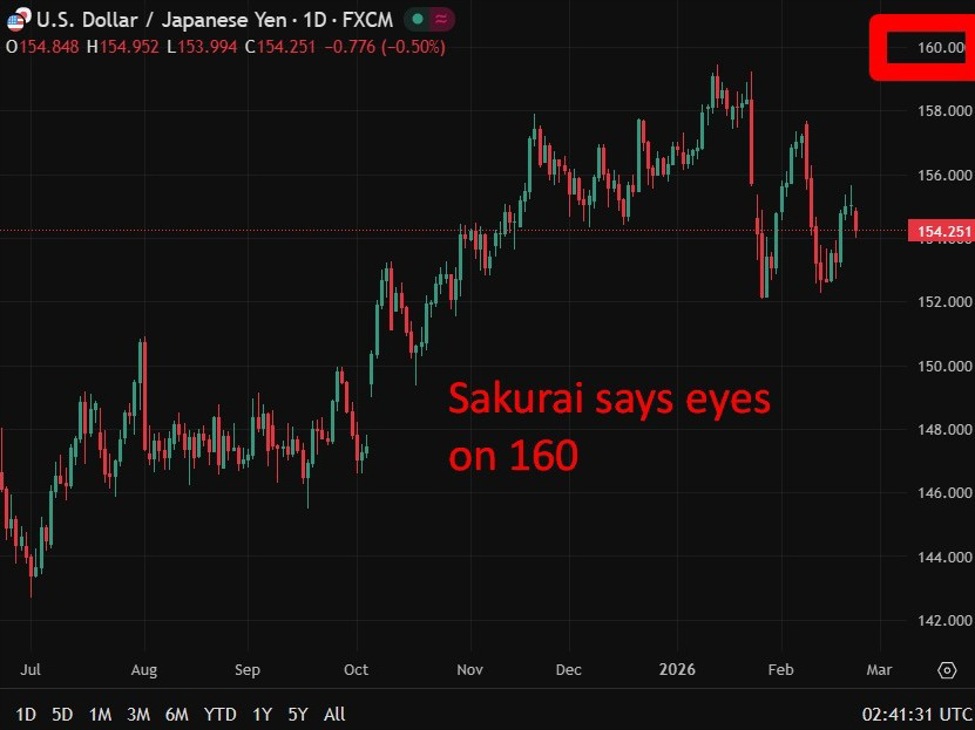
Former BOJ board member Sakurai says a renewed yen slide could trigger a March rate hike, though April remains the more logical timing. He sees the policy rate rising toward 1.75% over coming years but warns against tightening too quickly.Via an interview with Reuters. Summary:Former BOJ board member Makoto Sakurai says March hike possible if yen weakensApril move seen as more logical timing, but FX pressure could accelerate decisionUS “rate checks” signal Washington preference for stronger yenBOJ may need two hikes in 2026 and 2027 to reach ~1.75% neutral rateFaster tightening risks stress on regional banks and small firmsMarkets price ~70% chance of hike by AprilThe Bank of Japan could raise interest rates as soon as March if the yen resumes its decline, former board member Makoto Sakurai told Reuters, underscoring how currency dynamics are increasingly shaping Japan’s policy outlook.Sakurai said that while an April move would make more sense from a communication and forecasting standpoint, renewed yen weakness ahead of a potential March summit between Prime Minister Sanae Takaichi and US President Donald Trump could force the BOJ’s hand.Recent “rate checks”, widely interpreted as signalling a preference for a stronger yen, add to the sensitivity around FX moves. Sakurai argued that direct currency intervention only provides temporary relief, and that rate hikes remain the most durable tool for countering sustained yen depreciation.A weaker currency complicates Japan’s inflation picture. While government fuel subsidies dampen some price pressures, a renewed slide in the yen would lift import costs, pushing inflation higher and potentially reinforcing the case for tighter policy.Sakurai suggested the BOJ could justify a March hike by citing expectations of robust wage gains in the annual spring labour negotiations. Strong pay settlements would strengthen the argument that inflation is becoming more demand-driven and sustainable.Looking beyond the near term, Sakurai sees the policy rate, currently at 0.75% after multiple hikes since the BOJ ended its ultra-loose regime in 2024, ultimately rising toward around 1.75%, a level he described as broadly neutral. He estimates two hikes in both 2026 and 2027 may be required to reach that point.However, he cautioned against an overly rapid tightening cycle. Faster rate increases could strain Japan’s financial system, particularly regional banks and small businesses vulnerable to higher borrowing costs.Markets currently assign a strong probability to further tightening by April, placing the BOJ’s March 18–19 meeting firmly in focus. This article was written by Eamonn Sheridan at investinglive.com. 🔗 Source 💡 DMK Insight A potential yen slide could shake up the forex market, especially if it prompts a rate hike sooner than expected. Sakurai’s comments suggest that if the yen continues to weaken, the Bank of Japan might feel pressured to act, possibly raising rates to 1.75% in the coming years. This could create volatility in currency pairs involving the yen, particularly USD/JPY, which traders should monitor closely. A March hike would be a surprise, given that many are betting on April. If the yen drops significantly, it could trigger a rush to adjust positions, impacting not just forex but also equities linked to Japanese exports. Keep an eye on the 145 level in USD/JPY; a break above could signal a stronger dollar and further yen weakness. But here’s the flip side: if the BOJ tightens too quickly, it could stifle growth and lead to a reversal in the yen’s fortunes. Traders should watch for economic indicators leading up to March, as they could dictate the BOJ’s timing and strategy. The real story is how the market reacts to these signals, so stay alert for any shifts in sentiment or unexpected moves from the BOJ. 📮 Takeaway Watch the 145 level in USD/JPY closely; a break could signal further yen weakness and potential rate hike implications.
Here's why Bitcoin dropped sharply back under US$65K. No, its not a tariff tumble!
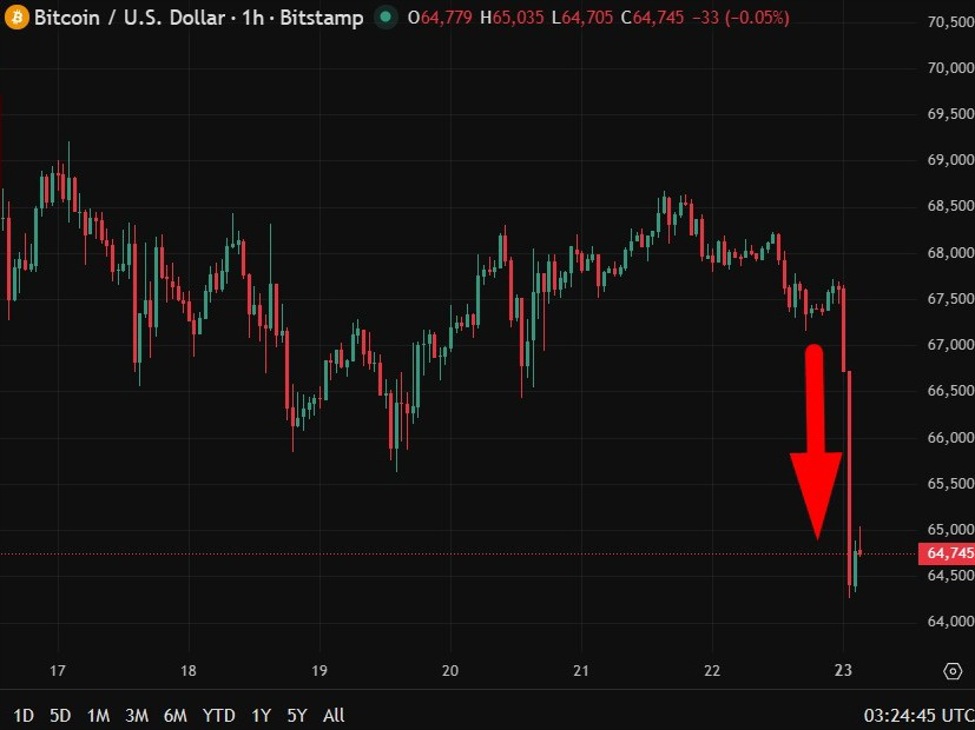
The immediate trigger was large scale liquidation that I noted at the time. But, these don’t occur with no context. SUmmary:Bitcoin drops ~5% in a short window, slipping under US$65,000Break of key technical support accelerates selling pressureLarge holder (“whale”) flows to exchanges increase supplyBroader tariff and macro uncertainty weighs on risk appetiteNo single regulatory shock or systemic crypto event identifiedBitcoin fell sharply in recent hours, breaking below the US$65,000 level after a swift wave of selling that saw prices drop roughly 5% in a short span. The move appears largely technical and sentiment-driven rather than tied to a single headline catalyst.The US$65K region had been acting as a visible support zone following several sessions of sideways consolidation. Once breached, the level triggered a combination of stop-loss orders and short-term momentum selling, amplifying downside pressure. Such breaks often create a feedback loop in crypto markets, where liquidity can thin quickly and price action accelerates through clustered positioning.On-chain and exchange flow data suggest increased selling from larger holders. Elevated inflows of bitcoin to exchanges — often interpreted as a precursor to distribution, added to supply at a time when momentum was already fading. This marks a shift from prior weeks, where accumulation patterns had underpinned price stability.Macro factors also appear to have contributed. Renewed uncertainty surrounding US tariff policy and broader geopolitical risks have dampened global risk sentiment. In such environments, crypto assets often trade as high-beta risk instruments, making them vulnerable to de-risking flows. With equity volatility edging higher and oil markets sensitive to geopolitical headlines, broader cross-asset caution likely spilled into digital assets.Importantly, there has been no major exchange failure, regulatory crackdown, or systemic crypto shock associated with the decline. The move appears more consistent with a technical breakdown compounded by macro unease and positioning adjustments.Going forward, traders will watch whether bitcoin stabilises below US$65K or attempts a quick reclaim of the level. Failure to recover could expose lower support zones, while a rapid bounce may suggest the move was more of a positioning flush than the start of a deeper trend shift. This article was written by Eamonn Sheridan at investinglive.com. 🔗 Source 💡 DMK Insight Bitcoin’s recent drop under $65,000 isn’t just a blip—it’s a signal of deeper market dynamics at play. The 5% decline was accelerated by a break of key technical support levels, which often triggers further selling as traders react to the breach. Increased whale activity, with large holders moving Bitcoin to exchanges, suggests that these players may be looking to capitalize on the volatility or hedge against broader market uncertainties. This uptick in supply can create a cascading effect, pushing prices lower as retail traders panic-sell. Moreover, the backdrop of macroeconomic concerns, including tariffs, adds another layer of complexity, potentially leading to further risk-off sentiment in the crypto space. Traders should keep an eye on the $65,000 level as a critical pivot point. If Bitcoin fails to reclaim this level, we could see additional downside pressure. Watch for any significant whale movements or changes in trading volume, as these could indicate shifts in market sentiment. Also, consider monitoring correlated assets like Ethereum, which may react similarly to Bitcoin’s movements. 📮 Takeaway Watch the $65,000 level closely; a failure to reclaim it could lead to further downside pressure in Bitcoin.
Ethereum Futures Breakdown Accelerates
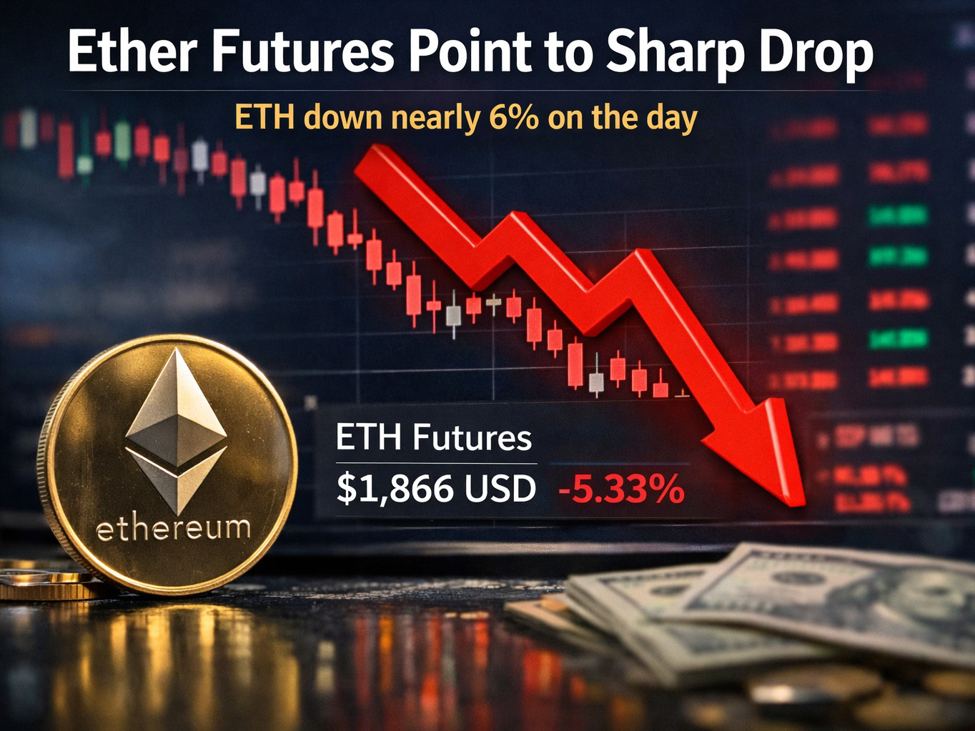
Structural ias Turns Bearish as Volatility Expands. Key Reaction Levels to Watch for are at $1,525 and $1,455Ethereum futures have shifted from digestion to expansion, and the structure has weakened meaningfully across multiple timeframes.After a sharp downside impulse on the 4-hour chart and visible pressure on the daily footprint, the broader weekly structure is now in focus. Volatility has expanded, prior base levels have failed, and sellers are beginning to gain structural control.Traders and algos will be first looking at the pivot low of 06 Feb, 2026 which is $1748.50. But since the path of least resistance remains to the downside now, we can not rule out higher timeframe potential tests at $1525 and $1455 as possible supports (these are levels to WATCH for price reaction).Let’s quantify it.Our Structural Bias Score: -5 (Clear Bearish Pressure)We use a directional scale from -10 to +10 to measure positioning strength:+7 to +10 → Strong bullish repricing+4 to +6 → Active bullish bias0 → Balanced / neutral-4 to -6 → Clear bearish pressure-7 to -10 → Structural breakdownEthereum now scores -5, reflecting a clear bearish bias with moderate structural confidence.This is not capitulation territory. But it is no longer neutral digestion. And today’s crypto flush has nothing to do with tariffs.Bitcoin, naturally, is also showering on traders some liquadations.The market has tilted decisively toward sellers.Just because some big investors are buying and market energy is building doesn’t guarantee a rally, because Ethereum is still stuck below key price hurdles and needs to actually break through those “walls” to prove the downtrend is over.What Changed for Ethereum Futures Today: Volatility Has ExpandedAfter several weeks of compression, the 4-hour chart printed:A large range expansion candleStrong negative deltaA close below the lower Bollinger bandRising ATR (Average True Range)Educational note:ATR measures the average size of recent price movements. When ATR rises, it signals that:Price swings are expandingRisk per candle increasesMomentum conditions are replacing rotational conditionsEthereum has clearly transitioned from quiet compression into active expansion.Expansion increases the probability of continuation — but only if price gains acceptance below broken levels.Ethereum Weekly Structure Now Drives the NarrativeOn the weekly footprint:Prior support has failedSell-side volume clusters dominateValue is migrating lowerNo confirmed absorption signal yetThe weekly chart reinforces the bearish tilt.This is no longer a short-term shakeout. It is a structural test.Ethereum Price Prediction? Key Downside Reaction Levels: $1,525 and $1,455Two deeper structural zones now come into focus:$1,525A prior high-volume region and potential liquidity pocket. If price approaches this level, traders should watch closely for:Delta divergenceVolume spikes without continuationStrong rejection wicksValue stabilization$1,455A deeper structural support zone. If reached, this would represent a significant extension and likely attract strong two-sided participation.Important:These are reaction zones, not guaranteed bounce levels.Acceptance below them would imply continued repricing.What Would Shift the Bias for Ethereum Today?For the bearish bias to weaken, Ethereum futures would need to:Reclaim the broken zone aboveShow improving 4-hour deltaSee volatility begin to contractShow value migration back upwardUntil that happens, sellers maintain structural advantage.Bottom Line for Ethereum Traders and InvestorsEthereum futures have exited compression and entered expansion.Our structural bias score now reads -5, indicating clear bearish pressure.The market is not in panic. But it is no longer balanced.If downside expansion continues efficiently, the path toward $1,525 opens. If volatility spikes and stalls, a reaction could develop.For now, the burden of proof remains with buyers.As always, this analysis is for decision support purposes only and not financial advice. This article was written by Itai Levitan at investinglive.com. 🔗 Source 💡 DMK Insight Ethereum’s recent shift to a bearish structure at $1,914.09 signals potential trouble ahead. With key reaction levels at $1,525 and $1,455, traders need to be cautious. The volatility expansion indicates that the market is no longer in a consolidation phase, which often precedes significant price movements. The 4-hour chart shows a sharp downside impulse, suggesting that sellers are gaining control. If ETH breaks below $1,525, it could trigger further selling pressure, leading to a test of the $1,455 level. This scenario could also impact related assets like Bitcoin, which often follows Ethereum’s lead in market sentiment. On the flip side, if ETH manages to hold above these levels, it might present a buying opportunity for those looking to capitalize on potential rebounds. Keep an eye on volume and momentum indicators to gauge the strength of any moves. In the immediate term, watch for price action around the $1,525 level; a decisive break could set the tone for the coming weeks. 📮 Takeaway Monitor Ethereum closely at $1,525; a break below could lead to further declines toward $1,455.
China urges US to drop unilateral tariffs after Supreme Court ruling
China’s commerce ministry says it is assessing the Supreme Court tariff ruling and urges the US to lift unilateral tariffs, arguing measures like reciprocal and fentanyl tariffs violate trade rules and US law. The statement lands ahead of an early-April Trump–Xi meeting window.Summary:China’s commerce ministry says it is conducting a “full assessment” of the Supreme Court ruling on Trump-era tariffs Beijing urges the US to lift unilateral tariffs on trading partners Ministry says measures such as reciprocal tariffs and fentanyl tariffs violate international trade rules and US domestic law Comments land as Trump pivots to a temporary across-the-board tariff after the ruling, seeking alternative legal pathways The backdrop includes an upcoming Trump–Xi meeting window (March 31 – April 2 are the current dates for this ) that could raise the stakes for tariff messaging and leverage China’s Commerce Ministry said it is making a “full assessment” of the implications of a recent US Supreme Court decision that struck down much of President Donald Trump’s sweeping tariff regime, while urging Washington to remove what it called unilateral tariff measures on its trading partners. In its statement, the ministry argued that US unilateral actions, including reciprocal-style tariffs and “fentanyl” tariffs, violate international trade rules as well as US domestic law, and are not in the interests of any party. It said China would “firmly defend” its interests as it evaluates how the court’s ruling and the White House’s response may affect trade ties. The comments come as the US administration moves to rebuild tariff leverage using alternative authorities after the Supreme Court curtailed the president’s ability to impose broad tariffs under emergency powers. Trump ordered a temporary global tariff and launched new trade probes under other legal frameworks, underscoring that the ruling may limit one tool but not end tariff uncertainty for partners. For Beijing, the message is twofold: first, to frame the US move as legally and procedurally flawed; and second, to push for a rollback of unilateral measures while signalling readiness to retaliate or defend core interests if pressure persists. The ministry’s language also sets a marker ahead of a key political window, with Trump expected to travel to China from March 31 to April 2 for high-level talks, a timeframe that effectively makes early April a deadline for both sides to clarify negotiating positions. Net, China is projecting firmness while keeping the door open to engagement, but its emphasis on legality and mutual interest suggests Beijing will seek concessions on tariffs and predictability on trade rules as central asks in any near-term diplomacy. This article was written by Eamonn Sheridan at investinglive.com. 🔗 Source 💡 DMK Insight China’s push against US tariffs could shake up trade sentiment and market dynamics. With the Trump-Xi meeting on the horizon, traders should keep an eye on how this rhetoric influences market volatility. If the US responds positively, we might see a short-term rally in equities and commodities, especially those linked to trade like copper and oil. Conversely, a lack of progress could lead to renewed fears of a trade war, impacting risk assets negatively. Watch for key levels in the S&P 500 and commodities; a break below recent support could signal further downside. Also, monitor the USD/CNY exchange rate for signs of market sentiment shifting towards risk-off behavior. The real story here is how these developments could affect not just US-China relations but also global supply chains and inflation expectations. 📮 Takeaway Watch the S&P 500 for support levels and monitor the USD/CNY rate as trade tensions evolve ahead of the Trump-Xi meeting.
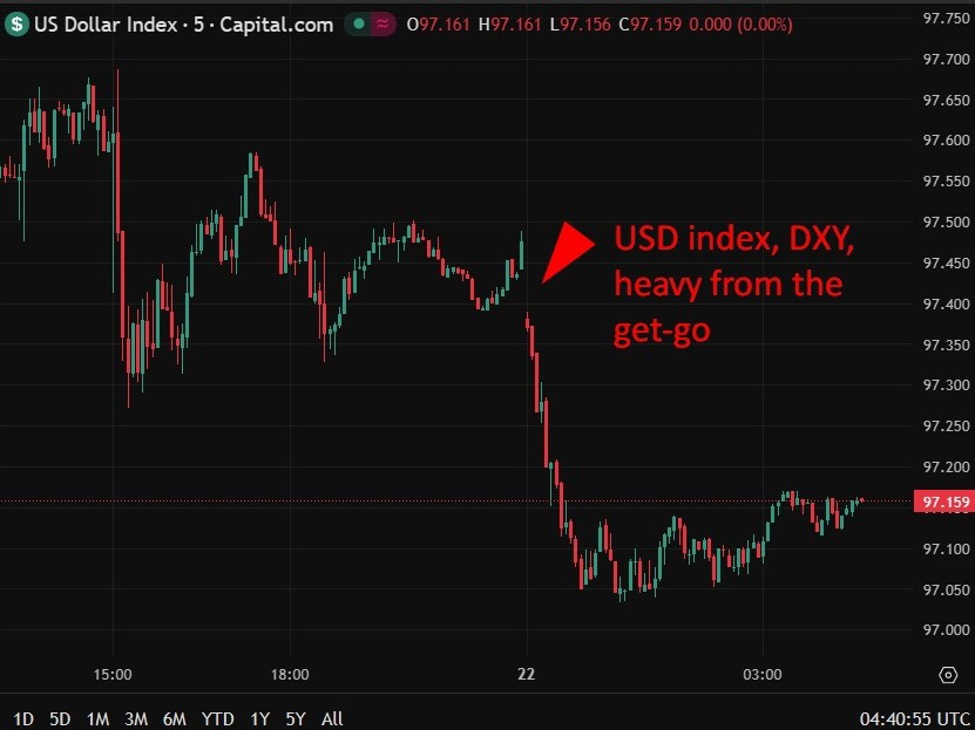
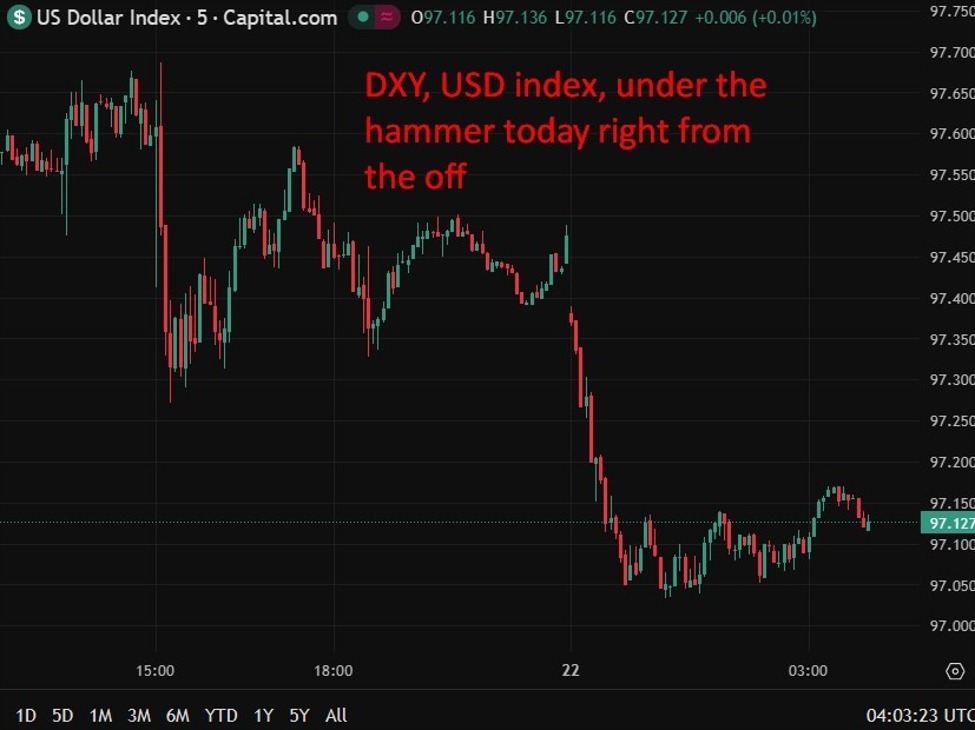
investingLive Asia-Pacific FX news wrap: USD and crypto slammed lower
China urges US to drop unilateral tariffs after Supreme Court rulingEthereum Futures Breakdown AcceleratesHere’s why Bitcoin dropped sharply back under US$65K. No, its not a tariff tumble!BOJ could hike in March if yen weakens, says ex-policymaker SakuraiGoldman Sachs raises 2026 oil forecast, sees Brent at $60 by Q4Bitcoin smashed lower, huge liquidations reportedUS equities are dropping, hard, in Sunday evening tradeWeekend: FT report that Iran sign €500m deal with Russia for advanced air-defence missilesGlobex is open for the week – oil eases in early trade as Iran talks offset conflict riskNYT: Trump weighs limited Iran strikes as nuclear deal talks continue. In coming days.Update: US-Iran nuclear talks set for Thursday as Trump weighs military optionReport: Rolls-Royce to return up to $2bn via new share repurchaseLagarde warns new US tariffs risk renewed disruption to global tradeMonday open indicative forex prices, 23 February 2026Ethereum Analysis Shows Order Flow Divergence: Institutions Bullish While Retails BearishThat didn’t take long: Trump increases global tariff to 15% from 10%At a glance:US Supreme Court struck down Trump’s IEEPA tariffs; Trump responded with flat 15% global tariffRefund uncertainty adds fresh legal and policy ambiguityUSD broadly sold; EUR/USD back above 1.18USD/JPY fell sharply toward 154.00Gold hit three-week high; oil eased on Globex reopenUS-Iran talks to resume Thursday, interim deal possibility flaggedCrypto slid sharply; Bitcoin back below US$65K amid liquidation chatterMarkets entered the session digesting Friday’s major development: the US Supreme Court struck down President Donald Trump’s IEEPA-based tariff regime. In response, Trump announced a new flat 15% global tariff, up from the 10% rate initially flagged. Uncertainty remains over potential tariff refunds, with Trump indicating the issue is unclear and could face prolonged litigation, adding another layer of policy ambiguity.Japanese and mainland Chinese markets were closed. Thin regional liquidity likely amplified some of the financial market moves. Tuesday will see Japan returning after a long weekend and China reopening after their extended Spring Break / Lunar New Year holiday. The US dollar was broadly sold. EUR/USD pushed back above 1.18, helped in part by comments from German Chancellor Merz suggesting the Supreme Court ruling could ultimately reduce tariff pressure on Germany’s economy. French Trade Minister Forissier added that discussions with EU counterparts are ongoing and that the EU retains tools to retaliate if necessary.USD/JPY fell roughly a big figure to around 154.00. Japan’s ruling LDP tax chief Onodera described the US tariff situation as “a real mess,” underscoring Tokyo’s discomfort with renewed trade volatility.Gold climbed to a three-week high as trade uncertainty boosted safe-haven demand. Oil futures, however, declined on the Globex reopen, with traders weighing tariff-driven demand concerns against the resumption of US-Iran talks later this week. An Iranian official suggested an interim agreement is possible and noted US firms could participate as contractors in Iranian oil and gas projects.Crypto markets were hit hard. Bitcoin slipped back below US$65K, with talk of large liquidation flow,— figures around US$200 million were circulating, exacerbating downside momentum. This article was written by Eamonn Sheridan at investinglive.com. 🔗 Source 💡 DMK Insight Ethereum’s current price at $1,913.07 is under pressure as broader market dynamics shift. The recent Supreme Court ruling and China’s call for the US to reconsider tariffs could create volatility in the crypto space, particularly affecting investor sentiment. Bitcoin’s sharp drop back under $65K isn’t just a reaction to tariffs; it’s indicative of deeper market corrections and profit-taking. Traders should be aware that these geopolitical tensions often lead to increased risk aversion, pushing investors towards safer assets. For Ethereum, watch the $1,900 support level closely. A break below this could trigger further selling, while a bounce could signal a potential recovery. Additionally, keep an eye on Bitcoin’s price action; if it continues to struggle, it could drag Ethereum down with it. The upcoming BOJ policy meeting in March could also influence market sentiment, particularly if the yen weakens, which might lead to a flight to crypto as an alternative. Overall, the next few days will be crucial for positioning ahead of potential volatility. 📮 Takeaway Watch Ethereum’s $1,900 support level closely; a break could lead to further declines, while Bitcoin’s performance will also be key in shaping market sentiment.
US customs say will halt collection of IEEPA tariffs on 24 February
The big news since Friday and over the weekend is of course Trump’s tariffs mess. The Supreme Court ruled against the US president in a landmark 6-3 decision, stating that Trump exceeded his constitutional authority by unilaterally imposing broad global tariffs under the guise of national emergency powers. The tariffs announced in April last year were based on the International Emergency Economic Powers Act (IEEPA).Now that the action is deemed unconstitutional, the collection of these tariffs must halt. And the US customs and border protection has come out to say that they will stop collecting the duties starting from 1201 ET (0501 GMT) on 24 February. That means just a little under 24 hours from now.As a reminder, the Supreme Court ruling only decides that Trump’s reciprocal tariffs are deemed unconstitutional/illegal. It does not dictate the necessity or the manner in which any refunds should take place. And this where there is plenty of confusion and chaos happening, with there likely to be many legal hurdles to work through.I’m not just speaking about companies filing claims to get back their money after having paid these tariffs in the past. But what about the complication of these companies also already passing on the added tariffs cost to consumers/retailers? This isn’t going to be straightforward and could take years to resolve in court.So with the IEEPA now put down, Trump is digging out Section 122 of the Trade Act of 1974 to impose a blanket 15% tariff for the next 150 days. After which, he will need Congress’ approval to extend them – which is unlikely to work out.Given that, Trump is already touting a loophole of trying to reissue the Section 122 tariffs every 150 days. However, this will only bring us back to the “Major Questions Doctrine” ruling by the Supreme Court again. So, Trump trying to conveniently abuse the loophole would challenge the intent of the law and will surely be struck down once again.But at least for now, it buys Trump some time to work out other potential avenues. And the next likely step is to pursue tariffs under the pretext of unfair trade practices. That is listed under Section 301 and requires the US trade body to prove that other countries are acting “unreasonably” or “discriminatorily” towards the US in their trade practices.The issue here is that there might be a bit of a gap as Section 301 investigations usually take 6 to 12 months to complete because they require public hearings and evidence-gathering. So if they aren’t completed by around July or August, there will be a gap in which Trump may not be able to place tariffs as he pleases. So, there’s that. This article was written by Justin Low at investinglive.com. 🔗 Source 💡 DMK Insight Trump’s tariff ruling is a game changer for market sentiment and trade dynamics. The Supreme Court’s decision to block these tariffs could lead to a significant shift in investor confidence, especially in sectors heavily reliant on international trade. Traders should keep an eye on commodities and stocks that have been under pressure due to tariff fears, as this ruling may spark a rebound. Look for potential volatility in the forex market as currency pairs react to changes in trade policy. The broader implications could ripple through emerging markets that rely on US trade relationships. It’s also worth noting that this ruling might influence upcoming economic data releases, particularly those tied to manufacturing and exports. On the flip side, while this decision is a win for free trade advocates, it could lead to pushback from protectionist factions within the government. Traders should monitor any political fallout that could affect market stability. Watch for key economic indicators this week, particularly any shifts in manufacturing PMI or export data, which could provide insight into how quickly markets adjust to this new landscape. 📮 Takeaway Keep an eye on commodity and forex markets for volatility as traders react to the Supreme Court’s ruling against Trump’s tariffs, especially in the coming week.
Lagarde reportedly receives six-figure BIS stipend despite ECB ban on third-party payments
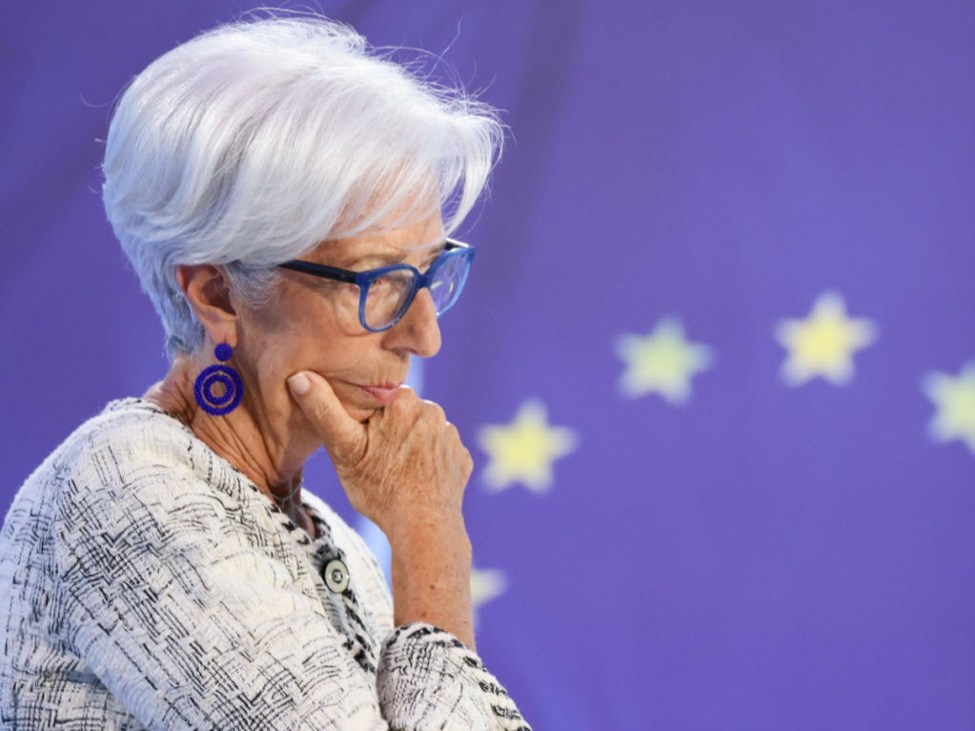
Well, the timing of this is quite uncanny. Amid all the speculation surrounding Lagarde’s future, this leak is now popping up and Lagarde is being placed under scrutiny for receiving about €140,000 a year from the BIS as her role as a board member.The Financial Times reports that some ECB employees have voiced their dissatisfaction on the matter, even using internal message boards at the central bank. They are said to feel incensed by the apparent double standards applied to Lagarde in her post as president and other “mortals” at the ECB.For some context, ECB staff supposedly “cannot accept remuneration for activities they perform exercising their ECB task”. And while the BIS does not specifically disclose individual remuneration details, Lagarde herself disclosed receiving the payment above for the year 2025 in a written statement to German member of the European Parliament Fabio De Masi.The full report can be found here (may be gated).Well, this isn’t the first scandal among policymakers at any major central bank. And it certainly won’t be the last for sure. Power corruption is always the issue, ain’t it? You either die a hero or live long enough to see yourself become the villain. Such is life.In any case, this will just increase the scrutiny on Lagarde amid mounting speculation of her leaving the ECB earlier than her term dictates. She has come out to refute that but it’s more along the lines of not confirming but not denying the rumour. This article was written by Justin Low at investinglive.com. 🔗 Source 💡 DMK Insight So, Lagarde’s €140,000 annual payment from the BIS is raising eyebrows, and here’s why that matters now: it could shake confidence in the ECB’s leadership. With ongoing speculation about her future, this leak might fuel doubts about the ECB’s transparency and governance, especially as the Eurozone grapples with inflation and economic recovery. Traders should keep an eye on how this scrutiny affects the euro’s strength against the dollar, particularly if it leads to volatility in the forex market. If the euro weakens, it could impact related assets like European equities and bonds. Watch for any statements from the ECB or Lagarde herself that could clarify her position or the implications of this payment, as they could shift market sentiment significantly. 📮 Takeaway Monitor the euro’s performance against the dollar closely; any significant weakness could signal broader market instability linked to Lagarde’s scrutiny.

FX option expiries for 23 February 10am New York cut
There is arguably just one to take note of on the day, as highlighted in bold below.That being for EUR/USD at the 1.1845 level. It isn’t one that holds too much technical significance but could act as a bit of a light ceiling to price action for the session ahead. That as it keeps near the 200-hour moving average, seen at around 1.1838 currently.Keep below the key near-term level and the bias holds more neutral for the pair for now at least. But push above, and the near-term bias switches to being more bullish again. The last time we saw that hold above both key hourly moving averages was all the way back on 12 February.However, the upside momentum this time around looks to have more backing to it. That as the dollar is stumbling across the board amid the chaotic mess from Trump’s tariffs.The Supreme Court rejected the IEEPA tariffs from April last year but Trump is now pursuing other avenues to reinstate higher levies on all countries again. Section 122 allows for 15% tariffs for the next 150 days but after that, things will become more complicated.Amid the messiness and no holds barred kind of policy setting and response by the US administration, markets are once again feeling iffy about the dollar. No surprises there really. It is the exact kind of thing that has plagued the greenback since last year and we’re seeing more of that in the early stages this year already. That after January was marred by geopolitical jitters involving the Venezuela situation.As such, this is all once again pushing precious metals higher while weighing on the dollar. So, that’s the bigger driver of trading sentiment as we get into the new week.For more information on how to use this data, you may refer to this post here.Head on over to investingLive (formerly ForexLive) to get in on the know! This article was written by Justin Low at investinglive.com. 🔗 Source
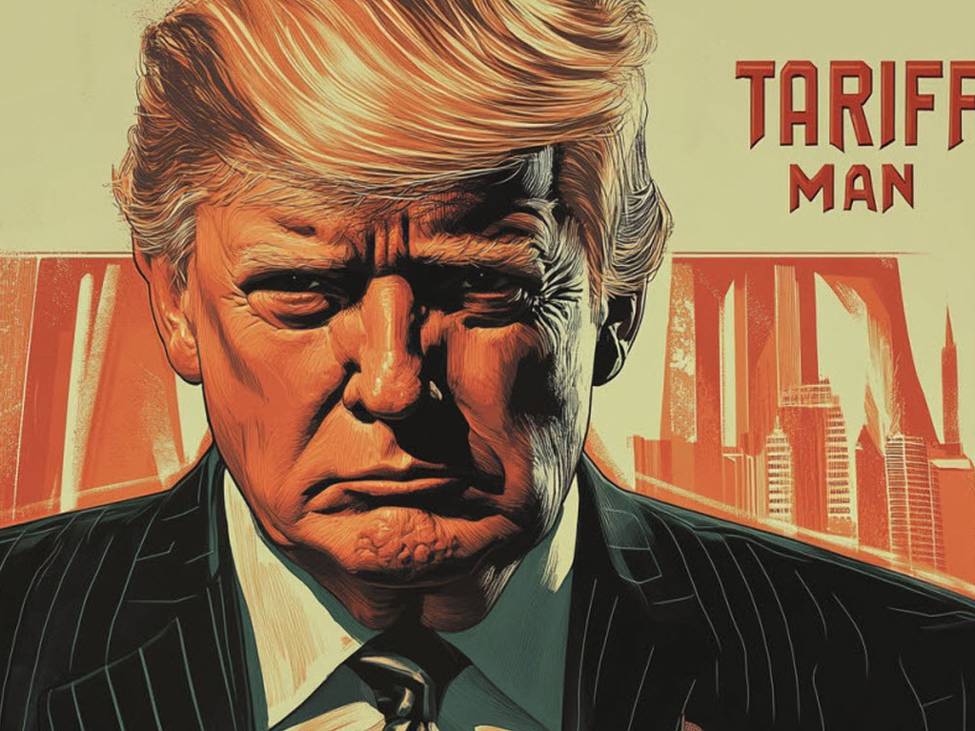
The biggest winners and losers from the latest US tariffs shift
To recap, the biggest news hitting markets since Friday is the Supreme Court shooting down Trump’s reciprocal tariffs from April last year. The 6-3 decision now sees those tariffs, enacted under the IEEPA, are deemed unconstitutional/illegal. As such, the US administration has to halt collecting duties related to the tariffs imposed through that.So, what’s happening now?Trump has quickly moved on to pursue other avenues and the next step is having to enact blanket 15% tariffs for 150 days through Section 122 of the Trade Act of 1974.For some context, Section 122 is supposedly meant for having to deal with “fundamental international payments problems”. It was created after former US president Nixon imposed a 10% global import surcharge in 1971. The idea behind Section 122 was more that it was supposed to act a safety net during the era of fixed exchange rates. But with global economies moving on from that to a floating exchange rate policy, this law has essentially become a relic of sorts.As for whether or not this will stand for much longer than 150 days, it’s not likely. And I dived more into that in a separate discourse here.But for the meantime, let’s take a look at who are the biggest winners and losers from the change to 15% blanket tariffs.Quintessentially, the biggest winners are those that drew the ire of Trump the most in the past year or so. And the two big names that stand out are China and India.Chinese exports to the US had been facing levies of around 34% to 50% since last year, so a drop to 15% is a much welcome reset in that sense. As for India, tariffs have risen to near 25% in the past month as both countries have failed to come close to settling on a deal. So, India is now paying up to 10% less levies on goods than they were a month ago.So, what can Trump do now about China and India on the trade front?Section 301 seems to be the next step but this is one that might take months on end to resolve, as it involves investigations, public hearings and evidence-gathering.But essentially, Trump will still push for heavy duties on China especially on tech, semiconductors, and maritime especially. Against India, it will be fighting back through digital taxes, pharmaceutical products, jewelry, as well as agricultural staples. So, look out for those targeted sectors to be hit as the US administration has to be more “surgical” in their approach next.So, who are the biggest losers when it comes to the latest change to 15% blanket tariffs?Ironically, it is those countries that have played ball with the US the most in the past year. And the biggest name of the lot is the UK.Before this latest change, they have successfully negotiated reciprocal tariffs of just 10% with the US. And in all likelihood, the latest tariffs shift here displaces the previous deal and so the UK will have to pay 15% levies instead. The British Chambers of Commerce estimates that the change will cost UK exporters roughly $4 billion.Besides that, the other two big losers of this change are Japan and South Korea. While technically both countries are seeing no change to their tariffs rate of 15%, they both had committed to hundreds of billions in US investments just to keep the general tariffs rate around that. Meanwhile, other countries are now handed a “free” 15% tariffs rate by default without needing to do so. Ouch. This article was written by Justin Low at investinglive.com. 🔗 Source 💡 DMK Insight The Supreme Court’s ruling against Trump’s tariffs could shake up market dynamics significantly. With these tariffs deemed unconstitutional, traders should brace for potential shifts in trade relations and commodity prices. Tariffs often lead to increased costs for businesses, and their removal might lower inflationary pressures, which could influence the Federal Reserve’s monetary policy. Keep an eye on sectors like agriculture and manufacturing, which might see immediate reactions. If commodity prices drop, it could also impact related currencies, particularly those tied to exports like the Canadian dollar or Australian dollar. However, this ruling could also be a double-edged sword. While consumers might benefit from lower prices, it could lead to increased competition for domestic producers, potentially impacting stock prices in those sectors. Watch for volatility in the coming days as traders digest this news and adjust their positions accordingly. Key levels to monitor include any significant price movements in commodities and related currencies, especially if they break recent support or resistance levels. 📮 Takeaway Watch for volatility in commodity prices and related currencies as traders react to the Supreme Court’s tariff ruling, especially in the next few trading sessions.