
 Bitcoin
  Ethereum
  Tether
  BNB
BNB  XRP
XRP  USDC
USDC  Solana
  TRON
TRON  Lido Staked Ether
  Figure Heloc
In a 6-3 decision, the US Supreme Court held that the International Emergency Economic Powers Act (IEEPA) does not authorize the President to impose tariffs.”The Government thus concedes, as it must, that the President enjoys no inherent authority to impose tariffs during peacetime,” the Supreme Court ruled.”If Congress were to relinquish that weapon [the power of the purse] to another branch, a ‘reasonable interpreter’ would expect it to do so ‘clearly,” the decision says.The decision says the Constitution’s framers specifically vested the power to lay and collect taxes and duties exclusively with the Legislative Branch (Article I, Section 8). The government conceded that the President possesses no inherent peacetime authority to impose tariffs without Congress.Chief Justice Roberts’ majority opinion applied the “major questions doctrine,” asserting that a delegation of the core congressional power of the purse requires “clear congressional authorization”. The Court ruled that such a massive delegation of economic and political power cannot be read into ambiguous or vague statutory text. Gorsuch, and Barrett also leaned on that reasoning. Roberts wrote that the stakes here “dwarf those of other major questions cases,” noting the government’s own claims that the tariffs involved trillions of dollars. The plurality also rejected the government’s arguments for carve-outs: there is no emergency-statute exception to the doctrine, no foreign-affairs exception, and — in a memorable line — “no major questions exception to the major questions doctrine.”Shares of Nike are a pretty good barometer on how the market sees tariffs holding up.In terms of dissent, Justice Kavanaugh seemed to pivot to advice on how to reconstitute them with other authorities but we could see them shut down as well though he said the decision “might not substantially constrain a President’s ability to order tariffs going forward”.To be clear, the existing Section 232 tariffs (steel, aluminum, autos, copper) and Section 301 tariffs on China are untouched by this ruling and already cover a substantial portion of trade. The ongoing Section 232 investigations into semiconductors, pharmaceuticals, and critical minerals could yield new sector-specific tariffs within months.The question is whether Trump now tries to use Section 338. Every alternative authority is either sector-specific (232), country-and-practice-specific (301), capped and temporary (122), or legally uncertain (338).Notably, the Court said the President must “point to clear congressional authorization” to justify his extraordinary assertion of that power.Back to refunds, this actually looks like they’re coming. The government stipulated in January 2026 that it would not contest the Court of International Trade’s authority to order reliquidation. However there are enormous practical and political complications. Some importers who didn’t file protective suits or preserve their claims may find themselves unable to recover. This article was written by Adam Button at investinglive.com. 🔗 Source 💡 DMK Insight The Supreme Court’s ruling against presidential authority to impose tariffs during peacetime is a game-changer for traders. This decision could lead to increased market volatility, particularly in sectors sensitive to trade policies, like commodities and manufacturing. With the government conceding that tariffs can’t be imposed without Congressional approval, traders should brace for potential shifts in market sentiment, especially if Congress takes action on trade agreements or tariffs in the near future. Keep an eye on related assets such as agricultural commodities and industrial stocks, as they may react sharply to any legislative developments. Here’s the thing: while this ruling might seem like a win for free trade advocates, it could also lead to uncertainty as Congress navigates its next steps. Traders should monitor key economic indicators and upcoming Congressional sessions for any hints on potential trade policy changes that could impact market dynamics. 📮 Takeaway Watch for Congressional actions on trade policy, as this ruling could lead to significant volatility in commodities and industrial stocks.
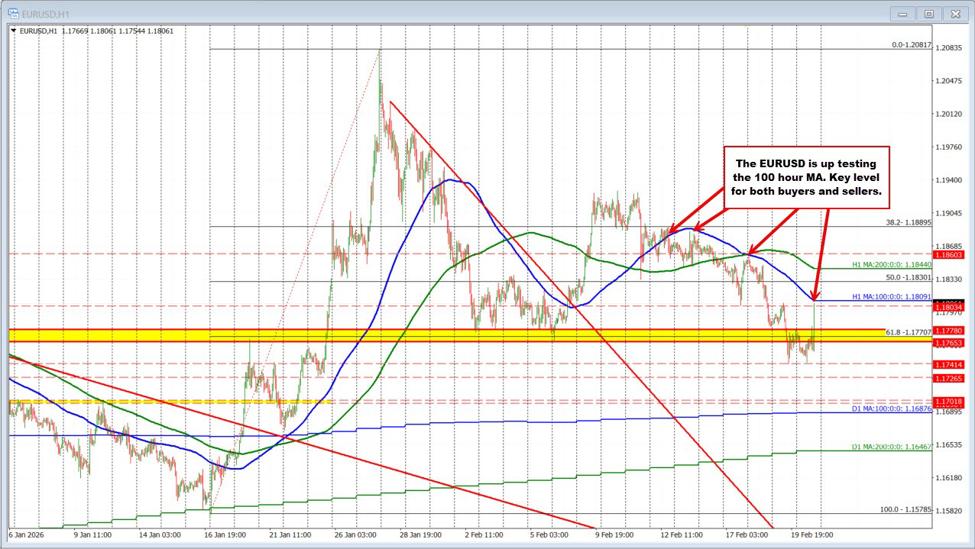
The USD has moved marginally lower after the Supreme Court decision
The USD initially moved lower following the Supreme Court’s 6–3 decision striking down the Trump administration’s IEEPA tariff authority. The greenback sold off in the immediate aftermath as markets reacted to the removal of tariff-related price pressures. However, the reaction has been mixed across asset classes. U.S. yields have pushed higher — with the 10-year up around 2.3 basis points — amid concerns that tariff revenues may now need to be reimbursed, potentially widening the fiscal deficit. On the other hand, the elimination of tariffs is seen as easing some inflationary pressure at the margin. U.S. equities are higher with the Dow up 0.21%, the S&P up 0.30% and the Nasdaq up 0.40%. .Looking at the major currencies, EURUSD has moved higher and is now trading above the 1.1765–1.1778 swing area, shifting short-term bias modestly in favor of the buyers. The next upside target comes in at the falling 100-hour moving average near 1.1809. A break above that level would begin to tilt control back toward the bulls after the pair has remained below the 100-hour MA (blue line) since February 12.The USDJPY has rotated lower to test its 100-day moving average at 154.84 — a key technical level for near-term direction. After moving back above the 100-day MA on Wednesday, the pair traded mostly above that level yesterday, aside from a brief failed break during midday trading. Today, the price slipped just below the MA to a low of 154.81 after the decision, before rebounding back higher, currently trading near 155.02.For sellers to gain more meaningful control, the price will need to move back below — and remain below — the 100-day MA. Adding to the technical significance, the 50% midpoint of the 2026 trading range at 154.956 is also in play, reinforcing this area as a key battleground for short-term bias (see yellow area on the chart below).The USDCHF has moved lower, rotating back into a key swing area defined between 0.77298 and 0.7740. The pair dipped to a low of 0.7730, just above the lower bound of that zone, and is currently trading within the range near 0.7736.For sellers to maintain downside momentum, the next targets come in at the rising 100-hour moving average near 0.77225 and the rising 200-hour moving average at 0.77042. A move below — and sustained break of — these levels would strengthen the bearish bias.Adding to the downside case, the 38.2% retracement of the 2026 trading range at 0.7769 capped the upside earlier today, coming in near the session high. From a technical standpoint, a sustained move back above that retracement level would be needed to shift confidence back toward buyers. Notably, a similar attempt to break above that level in late January into early February ultimately failed to gain traction.The USDCAD has moved lower but, so far, continues to find support at its 100-hour moving average near 1.3667. The pair initially moved above the 100-hour MA back on February 12 at 1.3582, and momentum carried the price to a high of 1.3715 yesterday before entering a consolidation phase over the past two days.Both yesterday and today, the pair briefly pushed above the 50% midpoint of the 2026 trading range, but was unable to sustain gains above that level. On the downside, the low reached 1.3667 yesterday and 1.3669 so far today — keeping the 100-hour MA firmly in focus.This moving average now stands as a key near-term support level. A break below — and sustained move under — the 100-hour MA would tilt the short-term bias more in favor of sellers. This article was written by Greg Michalowski at investinglive.com. 🔗 Source 💡 DMK Insight The Supreme Court’s decision to strike down tariff authority is shaking up the USD and yields right now. With the dollar weakening, traders should keep an eye on how this affects risk assets like cryptocurrencies. SOL, currently at $85.16, could see increased volatility as investors reassess their positions. Lower tariffs typically ease inflationary pressures, which can lead to a more favorable environment for growth assets. However, the mixed reactions across asset classes suggest that not all traders are convinced this is a net positive. Watch for SOL to test key support levels around $80; a break below could trigger further selling pressure. On the flip side, if the dollar continues to weaken, SOL might find renewed buying interest, especially if it can break above recent resistance levels. Keep an eye on U.S. Treasury yields as well; rising yields could put downward pressure on SOL and other risk assets. The next few trading sessions will be crucial for gauging market sentiment, so stay alert for any shifts in momentum. 📮 Takeaway Monitor SOL closely around the $80 support level; a break could signal further downside, while a dollar decline may boost buying interest.
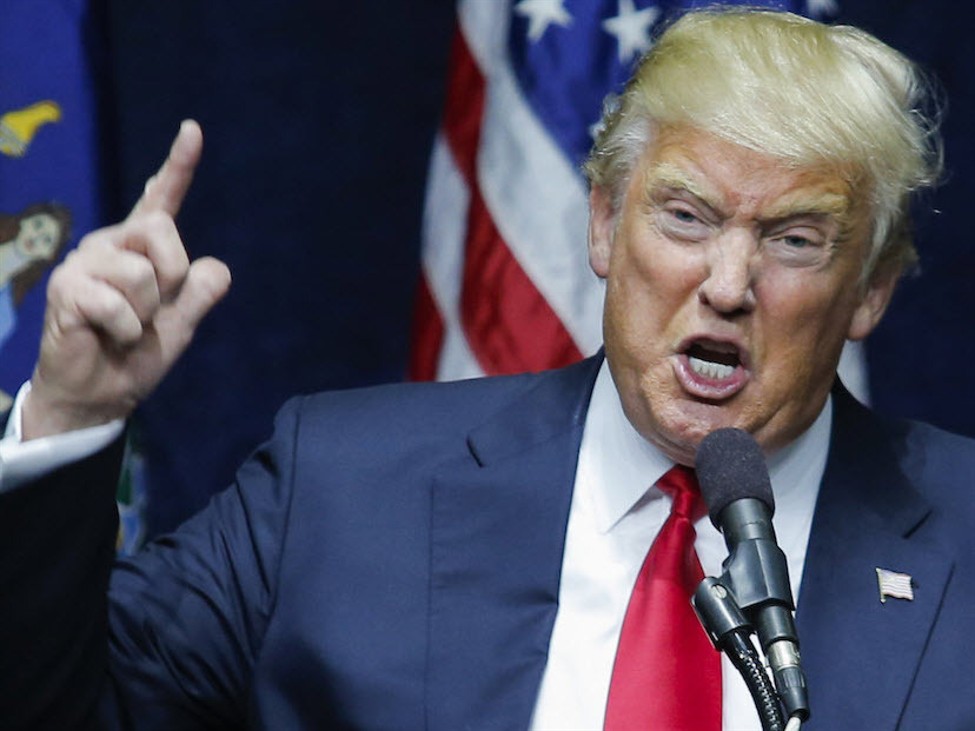
Trump says he has a backup plan for tariffs
Trump says the Supreme Court decision is a ‘disgrace’ and that he will find other ways to impose them, according to CNN.The thing is, IEEPA tariffs are immediately voided and that’s 60% of tariff revenue. I’d imagine there is rush to get those over the border and that’s going to create a huge trade deficit in Feb/March. This could be one of those things where Apple is chartering flights again.First, I’m interested in short-term trading flows here. Aside from a brief administrative delay, tariffs will stop being collected immediately and that should create a rush to get imports over the border. That could be an extended period where the ‘investigations’ under other tariff authorities are conducted but in any case, there’s a big incentive to build inventories.Secondly, this decision really hamstrings Trump’s ability to reconstitute tariffs. I think the market is taking him at his word because it’s a complicated decision but that’s not wise. The courts will require real investigations and justifications on national security grounds and the days of flimsy tariffs are over, particularly as a negotiation tool. This particularly applies to Europe and the UK, which are now in much stronger negotiating positions. In that light, the UK’s rush to make a deal with the US was a tactical mistake in contrast to the slow rolling from the EU.One thing to watch Section 122. Under it, The President can impose a temporary import surcharge of up to 15% to address significant balance-of-payments deficits. It makes the most sense not as a permanent replacement but as a bridge — you slap on a 15% across-the-board surcharge to stop the bleeding, maintain some negotiating leverage, and buy yourself time while Section 232 investigations conclude and Section 301 investigations get underway. The Tax Foundation estimated it could replace 56-73% of IEEPA revenue depending on the rate chosen.As for the timing of Section 122, it says that Congress must be notified and consulted so there is some administration. Update, a Reuters reporter:Trump was speaking to a room full of U.S. governors at the White House when he was handed a note from an aide informing him of the Supreme Court decision, a source tells me. Trump was visibly frustrated and told the crowd that he had to do something about the courts, the source said.That bit on ‘something about the courts’ is being taken out of context. This article was written by Adam Button at investinglive.com. 🔗 Source 💡 DMK Insight Trump’s condemnation of the Supreme Court ruling on IEEPA tariffs signals potential volatility in trade-sensitive markets. With 60% of tariff revenue at stake, traders should brace for a surge in activity as businesses rush to import goods before any new measures could be enacted. This could lead to short-term spikes in commodities and related equities, particularly in sectors like manufacturing and agriculture. Watch for potential shifts in the USD as trade dynamics fluctuate; a weaker dollar might emerge if uncertainty leads to risk-off sentiment among investors. On the flip side, if Trump successfully finds alternative routes to impose tariffs, we could see longer-term implications for inflation and supply chain stability. Keep an eye on key economic indicators like CPI and PPI, as they might react to these developments. For now, monitor the daily trading volumes in commodities and related stocks for signs of increased volatility. 📮 Takeaway Traders should watch for increased volatility in trade-sensitive assets as businesses rush to import goods before potential new tariffs are imposed.

Nasdaq Technical: Nasdaq stalls at the falling 100 hour MA
The NASDAQ index has rebounded in the wake of the Supreme Court decision, pushing to an intraday high of 22,948.87. That rally brought the index to within roughly 13–14 points of the falling 100-hour moving average (currently at 22,961.75) — a level that has attracted early selling interest. Sellers leaned against the moving average on the initial test, keeping the broader near-term technical bias in check.Stepping back, the index has remained below its 100-day moving average since breaking beneath it on February 3. Subsequent recovery attempts on February 9 and again on February 11 saw price action move closer to resistance, but both rallies ultimately stalled before regaining that key level. As a result, today’s test of the 100-hour MA represents another important battleground between buyers looking to extend the rebound and sellers aiming to maintain control of the recent downtrend.On the downside, Tuesday’s low of 22,256.76 found support near prior lows dating back to late September. Holding that support level helped stabilize sentiment and gave buyers a platform for the current bounce. However, from a technical perspective, the burden remains on the bulls. A sustained move above the 100-hour moving average would be the first step in shifting short-term momentum. Beyond that, a break above the 200-hour moving average would be needed to more convincingly tilt control back in favor of buyers, at least in the near term. This article was written by Greg Michalowski at investinglive.com. 🔗 Source 💡 DMK Insight The NASDAQ’s recent bounce is a double-edged sword for traders: it’s close to a key resistance level. With the index hitting an intraday high of 22,948.87, it’s just shy of the 100-hour moving average at 22,961.75, which has historically attracted selling pressure. This proximity to resistance could trigger profit-taking or short positions, especially if sellers step in again. Traders should keep an eye on volume and momentum indicators as the index approaches this level. If it breaks above, we might see a shift in sentiment, but if it fails, expect a pullback that could impact correlated assets like tech stocks and cryptocurrencies, including ADA, which is currently at $0.28. The broader market context suggests that volatility could ramp up, especially if economic indicators shift in the coming days. Watch for the NASDAQ to either break through or retreat from that 100-hour moving average; this could set the tone for the next trading session and influence ADA’s performance as well. 📮 Takeaway Monitor the NASDAQ’s approach to the 100-hour moving average at 22,961.75; a rejection here could signal a broader market pullback impacting ADA at $0.28.
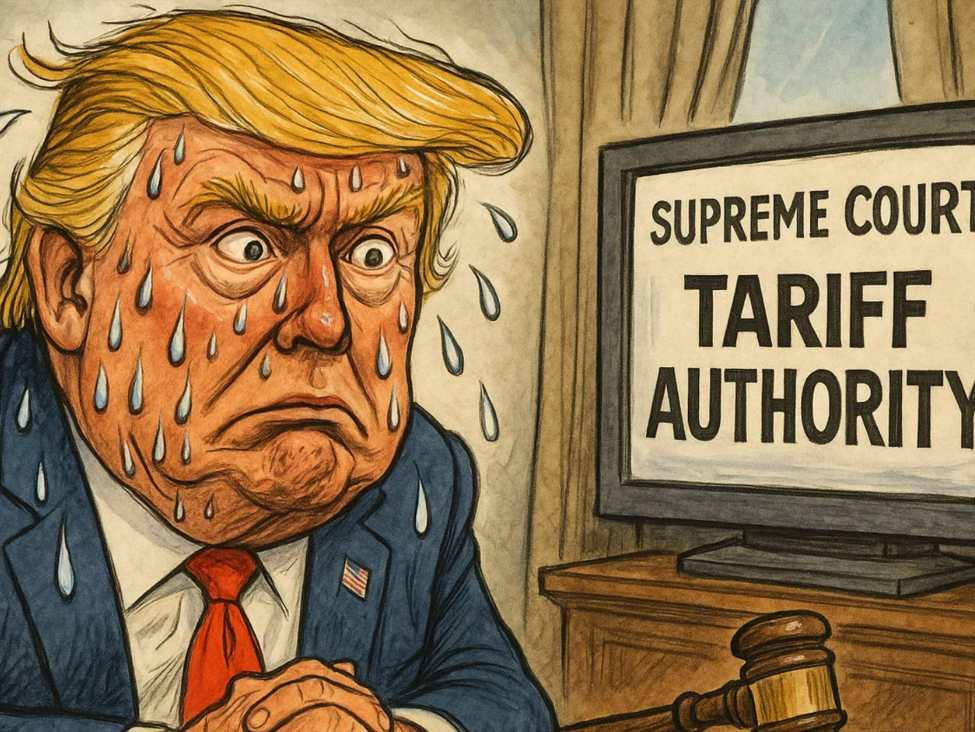
Markets struggle to make sense of the tariff news, Trump to speak soon
Market action in the wake of the tariff decision has been choppy.There aren’t many tariff/Supreme Court experts on trading desks, so markets are understandably confused. Trump and other administration officials have said many times that they have other opportunities to reconstitute tariffs. The initial reaction in markets largely suggests they’re taking that at face value.I’m not sure that’s the right take. The 6-3 decision wasn’t limited and it insists that Congress give clear authority on tariffs. Now Congress has done that with some authorities but those are time limited and/or require investigations. What’s clear is that he will no longer have the authority to wave his hand and put on tariffs and that limits his negotiating leverage.We are waiting for the inevitable Truth Social post about tariffs and it’s taking a surprisingly long time. Now, we hear that Trump will hold a press conference at 12:45 pm ET — though I’d caution that he rarely starts on time. My guess is that he could try to announce Section 122 tariffs immediately. That law authorizes the President to address “large and serious” balance-of-payments deficits by imposing broad 15% tariffs but they’re limited to 150 days and Congress is supposed to be consulted first. They could also be challenged by the courts but — critically — once the 150 days runs out, they’re done.In the meantime, Trump can set off some other trade investigations that take in the neighbourhood of six months. However those statutes are around national security so they will be hard to justify on consumer goods. Are Nike shoe imports really a national security concern? The courts will insist that justifications are legitimate but that could also take some time.So what you have is a market that’s bouncing around.In all likelihood, the government will need to pay back $211 billion in IEEPA tariffs and that’s led to some pressure on bonds but only a couple basis points. Ultimately, that’s 4% of Federal spending. The stock market likes it so far but there’s still skepticism. The S&P 500 is up 40 points, or 0.6% with the Nasdaq up close to 1%. In FX, the US dollar initially slid but it’s since bounced and the moves a modest.My guess is that most investors want to take the weekend to research but this will ultimately be seen as very good news. This article was written by Adam Button at investinglive.com. 🔗 Source 💡 DMK Insight Market volatility is spiking as traders grapple with the implications of the recent tariff decision. With mixed signals from the administration about potential future tariffs, uncertainty is driving choppy price action across various assets. This confusion is particularly evident in sectors sensitive to trade policies, like commodities and equities, where traders are trying to gauge the long-term impact on supply chains and pricing. For day traders, this environment presents both risks and opportunities. The lack of clarity could lead to increased volatility, which might be exploited for short-term gains. However, it’s crucial to stay alert to sudden shifts in sentiment, especially if any new tariff announcements come through. Watching key levels in related markets, such as commodity prices or major stock indices, could provide insights into broader market reactions. For instance, if commodity prices start to rally, it might indicate that traders are pricing in inflationary pressures from potential tariffs. In this context, keeping an eye on the daily price movements and any news from the administration will be essential for making informed trading decisions. 📮 Takeaway Watch for sudden shifts in commodity prices and stock indices as potential indicators of market sentiment regarding future tariffs.
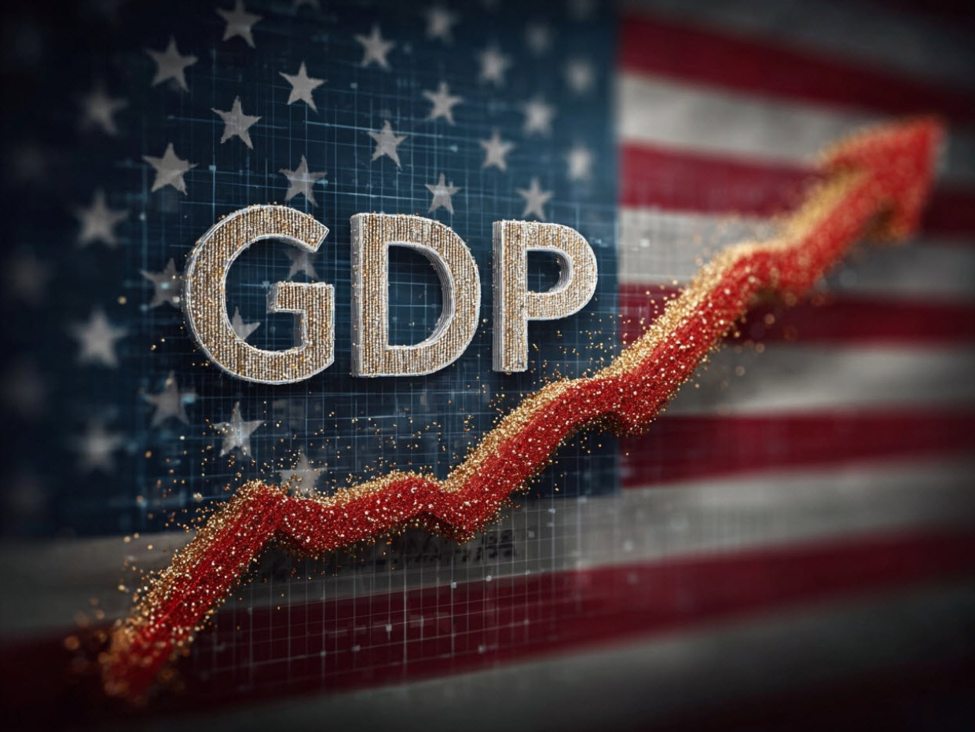
Atlanta Fed GDP now growth estimate for the 1st quarter 3.1%
The Atlanta Fed’s initial GDPNow estimate for Q1 2026 real GDP growth came in at 3.1% (annualized) as of February 20, pointing to a solid start to the year.At the same time, the advance estimate for Q4 2025 GDP, released today by the Bureau of Economic Analysis, showed growth of just 1.4% — a notable downside surprise. That figure came in 1.6 percentage points below the final GDPNow nowcast for the quarter, and well under the Atlanta Fed’s earlier 3.0% forecast.The miss wasn’t limited to the model. Economist expectations were also higher, with a Reuters survey showing estimates ranging from 1.5% to 4.2%, and an average forecast of 3.0%. The gap between the modeled and actual Q4 outcomes highlights the recent volatility in growth dynamics, even as early Q1 tracking suggests a potential reacceleration in economic activity.In Q4 2025 U.S. GDP – Key SummaryQ4 real GDP (advance): +1.4% annualizedQ3 final GDP: +4.4% (sharp slowdown into Q4)Consumer spending (PCE): +2.4%Final sales to domestic purchasers: +1.2% vs +2.6% expected (weaker underlying demand)Core PCE inflation: +2.7% vs +2.6% expected (firmer than forecast)A visual of the contributions showed Consumers spending and investment added to growth but Government, and net trade were dragsTakeawaysGrowth slowed markedly from Q3, weighed down by government spending and a sharp drop in the contribution from net exports.Domestic demand (final sales) came in weaker than expected.Core inflation ran slightly hotter than forecasts, alongside the December PCE data released simultaneously.2025 full-year GDP growth: ~2.23%. This article was written by Greg Michalowski at investinglive.com. 🔗 Source 💡 DMK Insight The Atlanta Fed’s GDPNow estimate of 3.1% growth for Q1 2026 is significant for traders, especially in the context of SOL’s current price at $85.21. A robust GDP growth forecast can bolster investor confidence, potentially driving demand for risk assets like cryptocurrencies. Traders should keep an eye on how this economic data influences market sentiment, particularly in the crypto space. If SOL can maintain momentum above key support levels, it could attract more buyers looking for growth opportunities. However, if broader market reactions to economic indicators turn sour, we might see volatility. Watch for SOL’s performance around the $80 support level; a drop below that could trigger a wave of selling, while a bounce could indicate bullish sentiment. Additionally, keep an eye on correlated assets like Bitcoin, as its movements often influence altcoins like SOL. The interplay between economic growth and crypto performance is crucial right now, so stay alert for any shifts in market dynamics. 📮 Takeaway Watch SOL closely around the $80 support level; a bounce could signal bullish momentum, while a drop may trigger selling pressure.
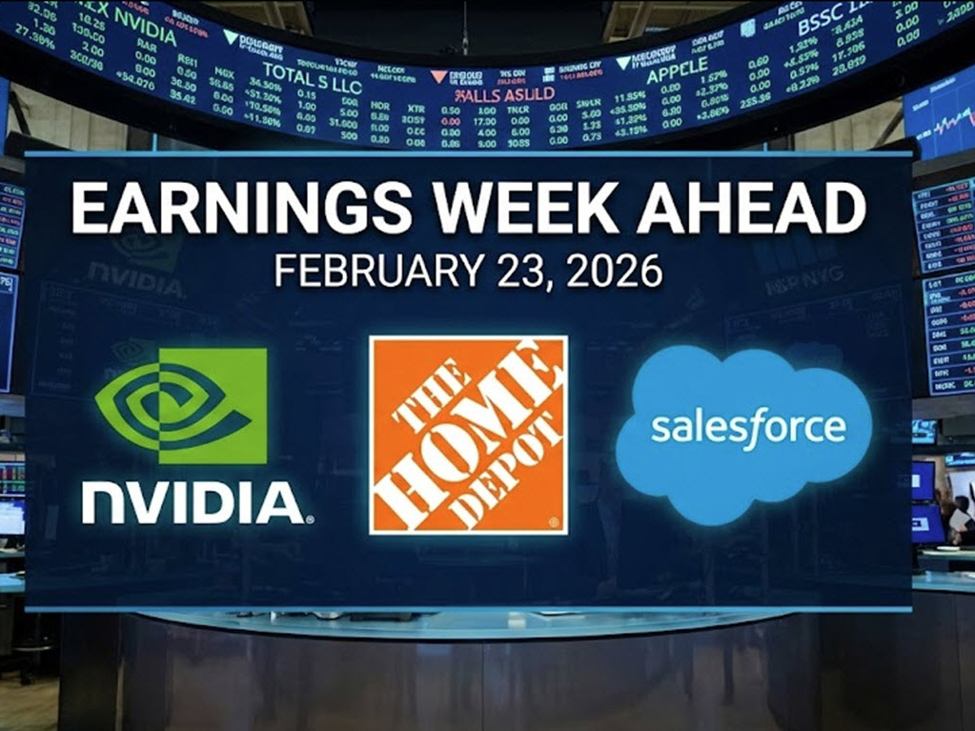
Huge earnings week ahead: NVIDIA's moment of truth, eyes on beaten up software stocks
We are stepping into what might be the most consequential week of the Q4 earnings season. The spotlight is squarely on the AI complex, but we also have a massive slate of consumer and enterprise tech names ready to set the tone for the rest of the quarter.Here is the breakdown of the key events and macro themes to watch.The Macro ThemesThe AI Bellwether: Wednesday afternoon is all about NVIDIA (NVDA). Investors are currently wrestling with elevated valuations and heavy AI spending in mega-cap technology stocks. The market will be looking for clear evidence that this massive infrastructure spend is translating into durable returns, otherwise, a broader rotation out of mega-cap tech could unfold.Enterprise Tech & Software: Software is suddenly a bad word in markets and we have major reports from Salesforce (CRM), Snowflake (SNOW) and Workday (WDAY). Those are three companies that have been beaten up. It’s hard to imagine they’re going to say anything to convince market’s that AI won’t be disruptive so even on strong earnings we could see a ‘sell the rip’ trade.The Consumer & Housing: Household spending has been slowing sequentially, and recent retail sales data has been essentially flat. We will get a direct look at consumer resilience and the state of the housing/renovation market via Home Depot (HD), TJX (TJX), and Domino’s Pizza (DPZ).Earnings ScheduleMonday, February 23 AM: GeneDx, Domino’s Pizza, Axsome, Dominion Energy, Stepan, Freightos, Emera, Freshpet, Easterly Government Properties, Lincoln Tech PM: hims & hers, BWXT, Kratos, Keysight Technologies, Primoris, Diamondback Energy, JBT Marel, Ovintiv, ONEOK, OfferpadTuesday, February 24 AM: Cipher Mining, Home Depot, DigitalOcean, NRG Energy, Leonardo DRS, FIS, Xometry, Amer Sports, Life Time, Planet Fitness PM: AMC, MercadoLibre, CAVA, Axon, Zeta, Navitas, Workday, Tempus, Unisys, HPWednesday, February 25 AM: Hut 8, TJX, Trinity Capital, Photronics, Circle, Valens, Recursion, Ionis, Blackstone Secured Lending, BMO PM: NVIDIA, The Trade Desk, Salesforce, Snowflake, IonQ, Synopsys, Array Technologies, Pure Storage, VICI Properties, NutanixThursday, February 26 AM: D-Wave, Celsius, Vistra Energy, ACM Research, Eos, Baidu, Q, Rackspace, Warner Bros. Discovery, Gigacloud Technology PM: CoreWeave, Rocket Lab, Marathon Digital, Innodata, Dell, OPKO, SoundHound, Zscaler, Duolingo, Compass DiversifiedFriday, February 27 AM: Energy Fuels, 1stDibs, Endeavour Silver, Globalstar, Via, Arbor, TCP Capital, Sunstone, NW Natural, Amneal This article was written by Adam Button at investinglive.com. 🔗 Source 💡 DMK Insight Earnings reports this week could shift market sentiment dramatically, especially in tech stocks. With major players in the AI and consumer tech sectors reporting, traders need to watch for volatility. If companies exceed expectations, we could see a bullish trend, but any disappointments might trigger sell-offs. Key metrics to monitor include revenue growth and guidance for the next quarter. Pay attention to how these reports correlate with broader market trends, particularly in the Nasdaq, which is heavily weighted towards tech. A strong earnings season could also lift related sectors, like semiconductors and cloud services, while a weak performance might create a ripple effect, impacting investor confidence across the board. Keep an eye on the upcoming reports and be ready to adjust positions based on the outcomes, especially if any stocks breach significant support or resistance levels. 📮 Takeaway Watch for earnings surprises this week; a strong report could push tech stocks higher, while misses might lead to sharp declines.

Fed's Logan: There is now more inflation uncertainty due to tariff decision
Fed’s Logan: I’m not fully convinced we are on a path all the way to 2%Policy is well positioned to deal with risksWorried about demand outstripping supplyIs cautiously optimistic that economy on path for a return to targetOne of the biggest uncertainties is the tech sectorOn the labor side, doesn’t look like AI is displacing workersLogan has been a hawk and if anything, she’s less hawkish here. This article was written by Adam Button at investinglive.com. 🔗 Source 💡 DMK Insight Fed’s Logan’s cautious tone on inflation is a signal for traders: the path to 2% isn’t guaranteed. Her comments about demand potentially outstripping supply highlight a critical tension in the economy. If inflation remains stubbornly high, it could lead to more aggressive rate hikes, affecting everything from equities to forex. Traders should keep an eye on tech stocks, as Logan pointed out uncertainties in that sector, which could ripple through the broader market. If tech falters, we might see a flight to safety in assets like gold or the dollar. Watch the upcoming economic data releases closely, especially any indicators related to consumer demand and employment. These metrics could provide insight into whether the Fed will need to adjust its stance. Key levels to monitor include the S&P 500’s support around recent lows and any resistance in the tech sector that could signal a broader market shift. 📮 Takeaway Traders should monitor upcoming economic data closely, especially consumer demand indicators, as they could influence Fed policy and market direction.
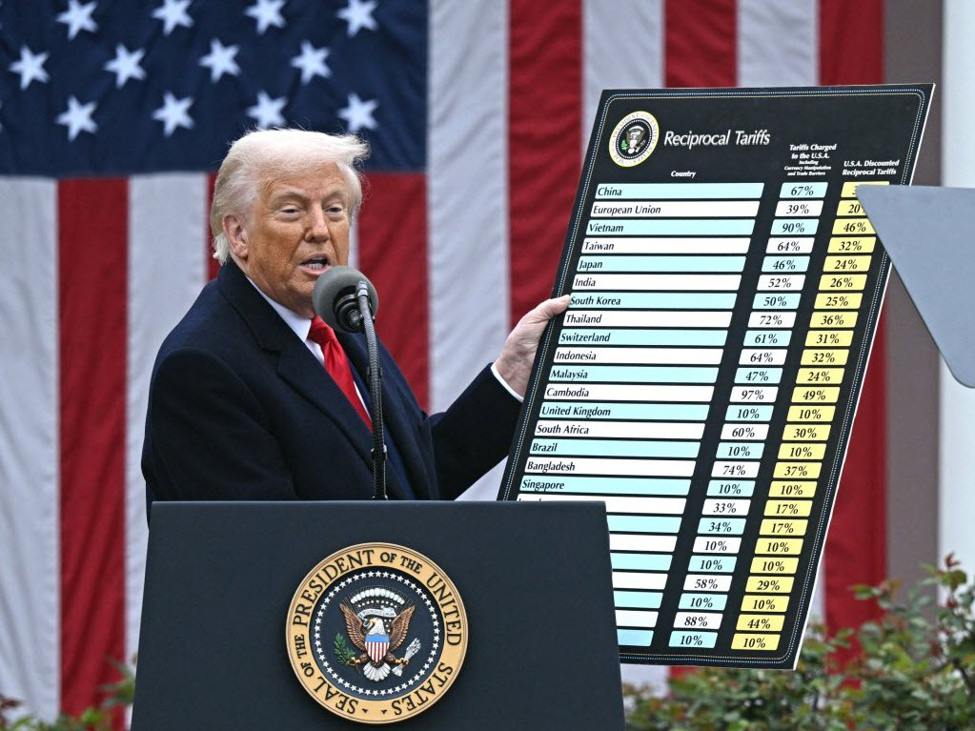
Trump planning to invoke new authorities
The NYT reports:President Trump is planning to invoke new trade authorities in response to the Supreme Court’s ruling overturning his sweeping tariffs, according to two people familiar with his plans, potentially including a new, across-the-board tariff on U.S. trading partners.This is no surprise, many government officials have said this was coming.The report cities:Section 301 (requires an investigation)Section 122 (limited to 150 days and has never been used)Don’t be surprised if Trump pulls the trigger as soon as possible on Section 122, which would put on across the board 15% tariffs but has carve outs for exemptions for some countries. This article was written by Adam Button at investinglive.com. 🔗 Source 💡 DMK Insight Trump’s potential tariffs could shake up markets, and here’s why you should care: If he moves forward with new trade authorities, it could lead to increased volatility in both forex and commodity markets. Traders should keep an eye on how this impacts the USD, as tariffs typically strengthen the dollar in the short term due to inflationary pressures. Additionally, commodities like steel and aluminum could see price spikes, affecting related sectors. Look for key technical levels in the USD index; a break above recent highs could signal a stronger dollar trend. On the flip side, if trading partners retaliate, we might see a swift reversal. This situation is fluid, and the market’s reaction could be immediate, so stay alert for news updates and adjust your positions accordingly. Watch for any announcements in the coming weeks that could clarify Trump’s intentions, especially around key economic indicators like inflation rates or employment data, which could further influence market sentiment. 📮 Takeaway Keep an eye on the USD index and commodity prices as potential tariffs could trigger significant market volatility in the coming weeks.
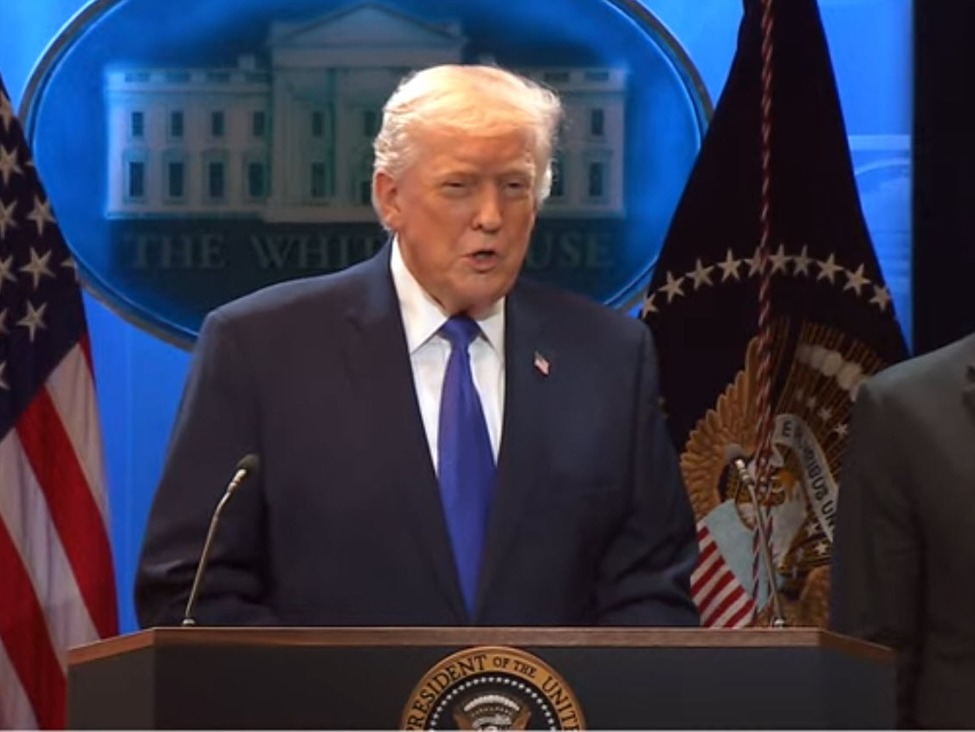
Trump says he will invoke 10% Section 122 global tariff
US President Donald Trump announced he will invoke a 10% global tariff via Section 122. This is generally what was expected but it’s limited to 150 days unless extended by Congress. It also has some of its own legal challenges and is supposed to be invoked after consulting Congress but it looks like we’re going to skip that step.The thing is, Section 122 was designed for a specific macroeconomic scenario — a genuine balance-of-payments crisis like the kind that troubled policymakers in the 1970s. It was not designed as a general-purpose tariff authority. Using it to reconstruct a global tariff regime would be stretching it well beyond its intended purpose — which is precisely the kind of statutory overreach that six Justices just rejected this morning with respect to IEEPA.We will see if he carves out any exemptions for some countries but he said it will be “right across the board” and noted that other investigations will take place in the 150 day period.Update: He says it will go into effect in three days. That’s going to set off a race to get some imports across the border.Other comments:”Proud of the justices that voted in favour” and “no way anyone can argue with those who dissented”The dissent was Kavanaugh, joined by Thomas and Alito. Kavanaugh’s dissent argued for a foreign affairs exception to the major questions doctrine and read IEEPA’s text more broadly. The vote was 6-3 against tariffs.Says he thinks court has been swayed by foreign interestsThis is the most inflammatory statement and the most concerning from a rule-of-law perspective. The suggestion that six Supreme Court Justices — including three Republican appointees — ruled against the administration because of foreign influence is a serious allegation without any evident basis.Says there are methods that are even stronger that are available to him” The word “even stronger” suggests he may be looking beyond the conventional options like Section 232 and 301 — possibly Section 338, which allows tariffs up to 50% without a formal investigation requirement, or perhaps something more creative.Other comments:I am allowed to impose an embargo but I can’t charge any moneyI am allowed to cut off all trade with a countryI will go in a stronger direction nowThere is nothing surprising here aside from the speed he’s moving. We will see when Section 122 goes into effect.”It’s a little bit complicated, it will take a bit more time but the end result is that it’s going to get us more money,” he said.Update: Treasury Secretary Bessent said they will be “potentially” using Section 232 and Section 301 tariffs and that will result in virtually unchanged revenue in 2026. This article was written by Adam Button at investinglive.com. 🔗 Source 💡 DMK Insight Trump’s 10% global tariff could shake markets, but here’s why it matters now: While the tariff’s announcement aligns with expectations, its 150-day limit introduces uncertainty. Traders should be wary of how this impacts inflation and consumer sentiment, especially in sectors sensitive to price changes, like retail and manufacturing. If Congress extends the tariff, we could see a ripple effect across commodities and equities, particularly in import-heavy industries. Keep an eye on the S&P 500 and commodities like copper and oil, which may react sharply to these developments. The legal challenges could also create volatility, so monitoring news cycles will be crucial. On the flip side, if Congress pushes back or the tariff is rolled back, we might see a relief rally in affected sectors. Watch for key price levels in the S&P 500 around recent highs and lows to gauge market sentiment. Immediate reactions could unfold in the next few days as traders digest this news. 📮 Takeaway Watch for S&P 500 reactions around key support and resistance levels as the tariff’s implications unfold over the next few weeks.