
 Bitcoin
  Ethereum
  Tether
  XRP
XRP  BNB
BNB  USDC
USDC  Solana
  TRON
TRON  Lido Staked Ether
  Figure Heloc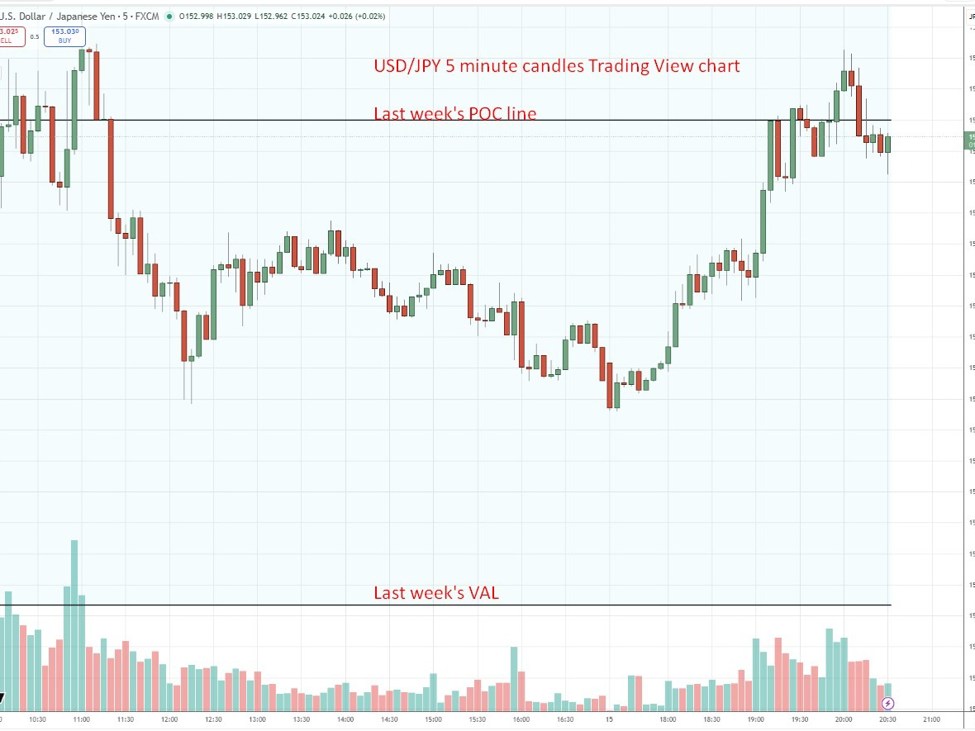
Japan junior coalition partner leader urges tax relief while defending BOJ independence.Summary:Junior coalition leader backs swift food tax suspension, targeting fiscal 2026 rollout.Foreign reserves flagged as funding option, potentially reducing need for new debt issuance.BOJ independence emphasised, with rate decisions left to the central bank.Further rate hikes possible, given weak yen and inflation considerations.Policy mix balancing act, combining fiscal support with cautious monetary tighteningThe head of Japan’s junior ruling coalition partner has called for swift implementation of a two-year suspension of the food sales tax while warning politicians not to interfere in Bank of Japan monetary policy decisions.Hirofumi Yoshimura, leader of the Japan Innovation Party (Ishin), said the government should move at the earliest possible date to suspend the current 8% consumption tax on food, arguing that households continue to face pressure from rising living costs. Japan levies an 8% rate on food and 10% on most other goods. Prime Minister Sanae Takaichi has pledged to roll out the suspension during fiscal 2026, and Yoshimura’s comments suggest coalition backing for proceeding without delay.To fund the measure, Yoshimura said authorities should consider tapping non-tax revenue sources, including potential surpluses from Japan’s vast foreign exchange reserves. Japan holds around $1.4 trillion in reserves, traditionally viewed as a buffer for currency intervention. Drawing on these funds could help finance the tax relief without issuing additional government debt, though it would likely draw scrutiny from markets concerned about fiscal discipline.On monetary policy, Yoshimura stressed that decisions on interest rates should remain solely within the Bank of Japan’s remit. While acknowledging that further rate hikes could increase mortgage costs and weigh on households, he said the current weak yen environment means additional tightening is possible. The BOJ raised its policy rate to 0.75% in December and markets are pricing in the possibility of another increase by April.Yoshimura’s remarks highlight the coalition’s balancing act: supporting fiscal stimulus to bolster growth while signalling respect for central bank independence. The weak yen remains a focal point for investors, as it supports exporters but increases import costs and inflation pressures. Officials have refrained from specifying currency levels that would trigger intervention, emphasising instead the need for timely and appropriate responses.The comments reinforce expectations that Japan’s policy mix will combine targeted fiscal support with gradual monetary normalisation as authorities seek to manage currency volatility and inflation risks. This article was written by Eamonn Sheridan at investinglive.com. 🔗 Source 💡 DMK Insight Japan’s push for tax relief while maintaining BOJ independence is a balancing act that traders need to watch closely. The call for a swift food tax suspension could signal a shift in fiscal policy, potentially impacting consumer spending and inflation rates. If implemented by fiscal 2026, this could ease pressure on households but might also complicate the BOJ’s monetary policy, especially if inflation remains weak. Traders should keep an eye on the yen’s response, as any signs of increased fiscal stimulus could lead to a depreciation against major currencies. Additionally, the mention of foreign reserves as a funding option suggests that Japan might be looking to avoid new debt issuance, which could stabilize bond markets in the short term. However, if the BOJ decides to raise rates further, it could create volatility in both the forex and equity markets. Here’s the thing: while the government seeks to stimulate growth, the BOJ’s independence means any rate hikes could counteract those efforts. Watch for any announcements from the BOJ in the coming weeks, as they could provide clarity on future monetary policy and its impact on the yen and Japanese equities. 📮 Takeaway Traders should monitor BOJ announcements closely; potential rate hikes could impact the yen and Japanese equities significantly.
China deploys ‘national team’ investors to cool AI stock surge, selling intervention
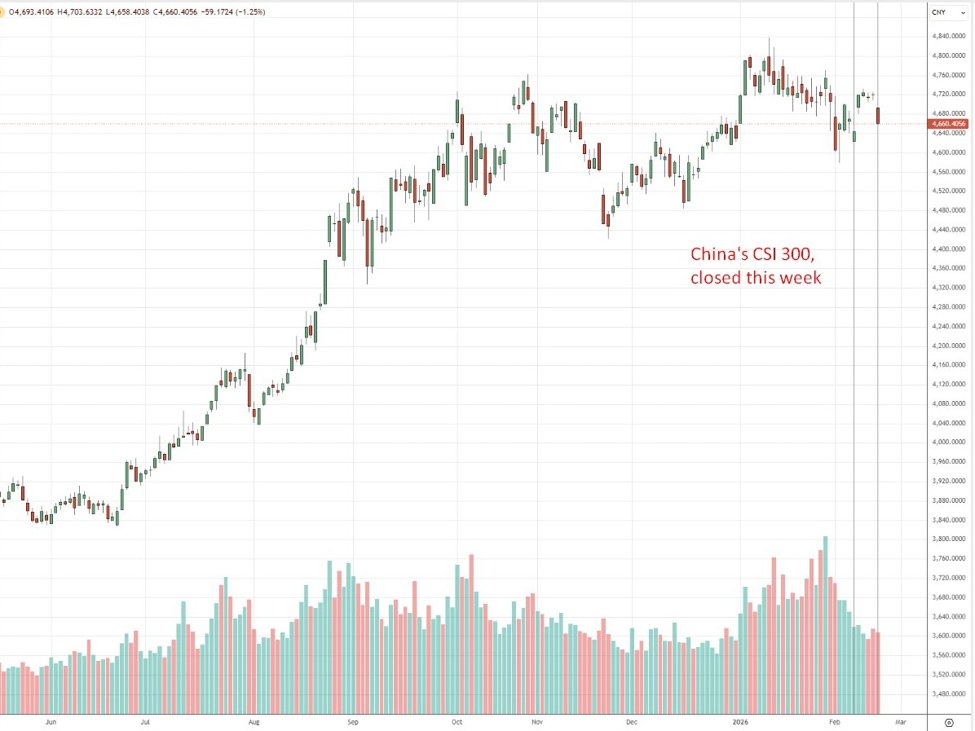
Beijing deploys state-linked investors to moderate AI-driven stock speculation.ps. Chinese markets are closed this week:Lunar New Year 2026: Mainland China markets are scheduled to be closed February 16–23Summary:China’s “national team” selling equities, aiming to cool AI-driven speculation.Shift from traditional buyer role, previously used to stabilise markets during downturns.~US$110bn ETF outflows cited, consistent with state-linked selling activity.Group controls significant market exposure, estimated at around 6% of A-share capitalisation.Policy goal: foster stable, long-term equity culture while avoiding bubbles.China’s state-linked “national team” of investors has shifted into selling mode as authorities seek to temper excess speculation in artificial intelligence-linked stocks, according to reporting by the Wall Street Journal.The group, widely understood by market participants to comprise state-backed funds and financial institutions, typically functions as a stabilisation force during market stress. It has historically stepped in as a buyer of exchange-traded funds and index products during periods of sharp volatility, including the 2015 market rout and more recent tariff-driven turbulence.However, officials appear increasingly concerned about overheating conditions in parts of the equity market. Recent strong gains in AI-related shares and record trading volumes have prompted policymakers to prioritise orderly, long-term capital formation over speculative surges. Regulatory officials have emphasised the need to prevent sharp market swings and encourage rational investment behaviour.Data cited by Goldman Sachs indicate nearly US$110 billion in outflows from China-focused domestic ETFs in the latter half of January, suggesting significant selling pressure consistent with national team activity. Analysts describe the approach as calibrated — restraining momentum without abruptly reversing it.The national team is believed to include entities linked to China’s sovereign wealth apparatus, margin financing vehicles and state-backed asset managers. Estimates suggest the group holds exposure equivalent to roughly 6% of China’s A-share market capitalisation, underscoring its capacity to influence liquidity and sentiment.Beijing’s objective appears twofold: nurture a sustainable equity culture while preventing destabilising bubbles. Household financial assets remain heavily concentrated in property, and authorities want deeper capital markets to diversify savings channels and support corporate funding.At the same time, policymakers are wary of retail-driven speculation, given that individual investors account for a majority of daily trading activity. The intervention signals a preference for what some analysts describe as a “slow bull” environment — one marked by steady gains rather than rapid, volatility-prone rallies. This article was written by Eamonn Sheridan at investinglive.com. 🔗 Source 💡 DMK Insight China’s move to deploy state-linked investors to curb AI-driven stock speculation is a game changer. With the Lunar New Year closing markets, this intervention signals a shift in strategy from merely stabilizing markets to actively managing speculative excess. The $110 billion in ETF outflows indicates a significant loss of confidence among investors, likely exacerbated by fears of overvaluation in AI stocks. Traders should be wary of volatility as this could lead to a broader sell-off, especially in tech sectors that have been riding high on AI hype. Watch for how this plays out once markets reopen; if the ‘national team’ can effectively cool speculation, it might create buying opportunities at lower levels. Conversely, if the sell-off continues, it could trigger panic selling across related sectors. Keep an eye on key support levels in tech stocks and the overall market sentiment post-holiday. The real story is whether this intervention will restore confidence or just delay the inevitable correction. 📮 Takeaway Monitor tech stock support levels closely after the Lunar New Year; a sustained sell-off could signal deeper market issues.
Westpac targets 1.22 for EUR/USD and $1.41 GBP/USD (long horizon)
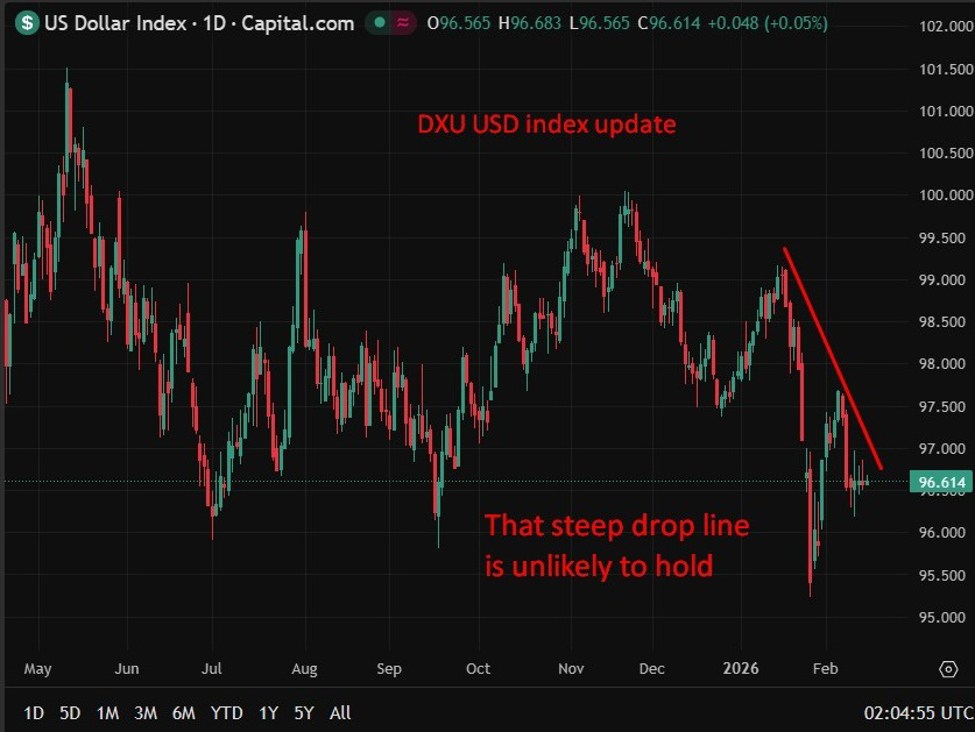
Westpac says global growth rotation may weigh on the dollar.Summary:Westpac sees dollar drifting lower, with risks skewed to the downside.US growth expected above trend in 2026, driven by consumers and tech investment.Inflation pressures likely to persist, limiting Fed rate cuts to one more move.Euro and sterling forecast to outperform, reaching $1.22 and $1.41 by mid-2027.Asia currencies also seen strengthening, led by gradual renminbi gains.Westpac says the US dollar is likely to edge lower over the next 12 to 18 months, even though the bank remains constructive on the US economic outlook.The dollar rallied from 97.9 in late December to 99.4 in mid-January before reversing sharply to a near four-year low of 96.2. It is currently trading around 97.0 — roughly 15% below its mid-2022 peak and about 1.5% beneath its 10-year average. Westpac’s baseline view is that the dollar will settle somewhere between current levels and its 20-year average, but risks are skewed to the downside.Importantly, Westpac is not bearish on the US economy. The bank expects another year of above-trend growth in 2026, led by resilient consumer spending and continued investment in technology infrastructure. It anticipates the labour market will remain effectively fully employed, with wage growth continuing to outpace inflation.However, Westpac argues that inflation risks remain elevated. Capacity constraints across housing, transport, energy and healthcare, alongside the lagged effects of tariffs, are likely to keep price pressures above the Federal Reserve’s 2% target. This underpins its expectation for only one additional rate cut from the Federal Open Market Committee, a more cautious stance than current market pricing for at least two cuts this year.So why the softer dollar outlook? Westpac points to improving opportunities elsewhere. It argues that the strong run in US equities may limit further relative outperformance, while growth narratives in Europe and Asia are increasingly focused on structural expansion rather than trade risks.The bank expects the euro to rise toward $1.22 and sterling toward $1.41 by mid-2027. It sees more gradual gains for the Canadian dollar and yen, and anticipates further appreciation in the renminbi as Asia’s growth prospects strengthen. USD/CAD projected to ease to 1.34 by mid-2027 and 1.30 by mid-2028USD/JPY 145 by end-2026 and 139 by mid-2028 USD/CNY seen advancing toward 6.35 over the next two years This article was written by Eamonn Sheridan at investinglive.com. 🔗 Source 💡 DMK Insight Westpac’s outlook on the dollar suggests a bearish trend ahead, and here’s why that matters: With expectations of US growth remaining above trend into 2026, driven by consumer spending and tech investments, the dollar could face downward pressure. This scenario is compounded by persistent inflation, which limits the Federal Reserve’s ability to cut rates aggressively. Traders should consider how this environment might impact their positions, especially if the euro and sterling are forecasted to outperform. If the dollar weakens, assets like commodities and emerging market currencies could see a boost. Watch for key technical levels on the dollar index; a break below recent support could trigger further selling. On the flip side, if inflation pressures ease unexpectedly, the Fed might pivot more dovishly, which could provide a short-term lift to the dollar. Keep an eye on inflation data and Fed communications for any shifts in sentiment. The immediate focus should be on the dollar’s performance against the euro and sterling, as these currencies are expected to gain ground. Traders should monitor the dollar index closely, especially if it approaches critical support levels in the coming weeks. 📮 Takeaway Watch the dollar index closely; a break below key support could signal further declines, especially against the euro and sterling.

Japan PM and BOJ chief Ueda will meet today at 5pm Tokyo time
Summary:Takaichi and Ueda meet for first time since election win, amid rate-hike speculation.Previous November meeting preceded December hike to 0.75%.Yen has rebounded nearly 3%, after earlier weakness near 160 per dollar.Markets price ~80% chance of April hike, as inflation stays above target.Two BOJ board seats opening, giving Takaichi potential influence over policy direction.Japanese Prime Minister Sanae Takaichi is set to hold her first bilateral meeting with Bank of Japan Governor Kazuo Ueda since securing a landslide election victory, in a closely watched encounter that could shape expectations for further interest rate hikes.The meeting, scheduled for 5 p.m. local time (0800 GMT/ 0300 US Eastern time), comes as markets increasingly speculate that persistent inflation and earlier yen weakness may prompt the central bank to tighten policy again as soon as March or April. The BOJ head typically holds a bilateral meeting with the premier about once every quarter to discuss economic and price developments. Investors have drawn parallels with the pair’s previous face-to-face discussion in November, which preceded the BOJ’s December rate hike to 0.75%, a 30-year high. At that time, the yen had been under heavy pressure amid concerns the government might resist further tightening. However, Governor Ueda signalled that the central bank was proceeding gradually toward achieving its inflation target, and policymakers followed through with a rate increase weeks later.Since then, currency dynamics have shifted. After sliding close to the psychologically significant 160 level against the dollar in January, the yen has rebounded sharply, gaining nearly 3% last week, its strongest advance since November 2024. The dollar is trading around 153.10 as I post. The stronger yen could influence the tone of policy discussions. While Takaichi has previously been associated with expansionary fiscal and monetary views, she has largely refrained from direct comment on BOJ decisions since the election. Under Japanese law, the central bank operates independently, though historically it has faced political pressure during periods of sharp currency moves.Inflation has remained above the BOJ’s 2% target for nearly four years, and the bank has repeatedly stressed its readiness to continue normalising policy after exiting large-scale stimulus in 2024. Markets are currently pricing roughly an 80% probability of another rate hike by April.Beyond near-term policy, Takaichi will also have the opportunity to shape the BOJ’s future direction, with two seats on the nine-member policy board set to open later this year.Bank of Japan Governor Ueda This article was written by Eamonn Sheridan at investinglive.com. 🔗 Source 💡 DMK Insight The recent meeting between Takaichi and Ueda is a pivotal moment for the yen and interest rate expectations. With the yen rebounding nearly 3% after flirting with 160 per dollar, traders should pay close attention to the implications of this meeting. The market is pricing in an 80% chance of a rate hike in April, driven by persistent inflation above target levels. This speculation could lead to increased volatility in forex pairs involving the yen, particularly if the BOJ signals a shift in policy direction. The opening of two board seats could further influence Takaichi’s stance, potentially leading to a more hawkish approach. If the BOJ does decide to hike rates, it could create upward pressure on the yen, impacting related assets like Japanese equities and commodities. However, it’s worth noting that if the BOJ maintains a dovish stance, the yen could face renewed weakness, especially if global economic conditions shift. Traders should watch the 160 level closely; a sustained break below could signal further strength for the yen, while a failure to hold could lead to a retest of recent lows. Keep an eye on inflation data and any comments from BOJ officials leading up to the April meeting for actionable insights. 📮 Takeaway Watch the 160 level for the yen; a break could signal strength ahead of the April rate hike, while dovish signals may lead to renewed weakness.
Japan bear flips & now bets on yen strength vs dollar, sterling & franc (sees +8% vs. CHF)
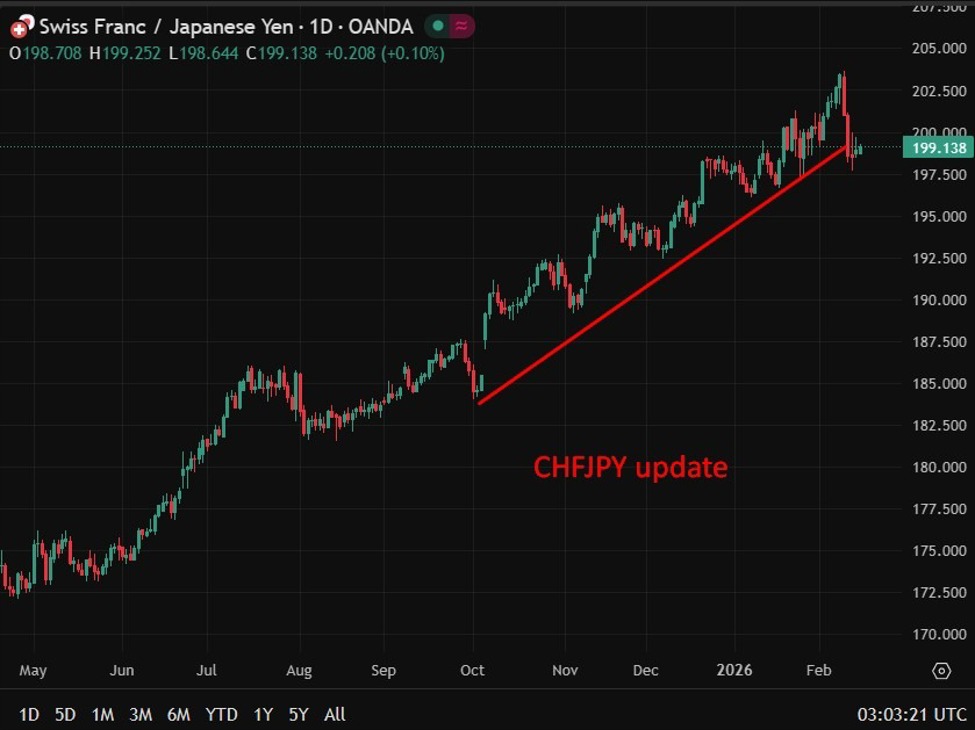
Investor turns bullish on Japan bonds and yen after election clarity.Summary: Bloomberg reports Nash turns bullish on JGBs, buying 10-year bonds after election clarity.Political stability seen as catalyst, with yields falling sharply since Takaichi’s win.Yen bought versus dollar and sterling, marking strategic FX repositioning.Forecast 8–9% yen appreciation, particularly against the Swiss franc.Shift reflects diversification away from US assets amid policy uncertainty.A prominent global bond investor has turned bullish on Japanese government bonds and the yen following Prime Minister Sanae Takaichi’s decisive election victory, arguing that the removal of political uncertainty marks a turning point for Japan’s markets.According to Bloomberg, Mark Nash of Jupiter Asset Management has bought 10-year Japanese government bonds (JGBs), closing a long-standing short position and positioning for a sustained rally. He views Takaichi’s strong mandate as a stabilising force that provides policy clarity and reduces concerns about fiscal and monetary direction.Japanese bond yields had climbed to multi-decade highs amid rising global rates and domestic political uncertainty. However, since the election, long-dated yields have fallen sharply, with the 30-year yield dropping around 40 basis points in less than a month as investors reassessed risk. Nash argues that the clarity provided by the election outcome has shifted sentiment at the long end of the curve.Alongside the bond call, Nash is making an explicit foreign exchange bet. He has bought the yen against both the US dollar and sterling and is forecasting a significant appreciation against the Swiss franc. He sees potential for the yen to strengthen by 8% to 9% versus the franc and other currencies, arguing that Japan’s fiscal and political backdrop now compares more favourably with traditional safe-haven peers.The shift marks a notable reversal in strategy. Nash had previously maintained a short position in Japanese debt, benefiting from rising yields as policy normalisation gathered pace. His fund returned 7.6% over the past year, ranking strongly among peers.The broader thesis rests on the view that Japan’s political stability, combined with clearer policy direction and improving investor confidence, could attract foreign capital at a time when uncertainty around US policy encourages diversification away from dollar assets.If the yen’s long-standing underperformance reverses meaningfully, it would represent a structural change in global currency positioning. This article was written by Eamonn Sheridan at investinglive.com. 🔗 Source 💡 DMK Insight Japan’s political clarity is shifting market sentiment, and here’s why that matters: With Nash turning bullish on Japanese Government Bonds (JGBs) and the yen, traders should pay close attention to the implications of this newfound stability. The recent election results have led to a significant drop in yields, which typically signals increased demand for bonds. This could mean a stronger yen, especially against the dollar and sterling, as investors reposition their portfolios. A forecasted 8-9% appreciation in the yen suggests that traders might want to consider long positions in yen pairs, particularly if the bullish sentiment continues to build. But don’t overlook the flip side—if global economic conditions shift or if the Bank of Japan decides to intervene, those bullish positions could quickly turn sour. Watch for key technical levels in USD/JPY and GBP/JPY; a break below recent support could trigger further yen strength. Keep an eye on upcoming economic data releases from Japan, as they could either reinforce or undermine this bullish outlook. 📮 Takeaway Monitor USD/JPY and GBP/JPY for potential breakouts; a sustained move below key support levels could signal further yen appreciation.
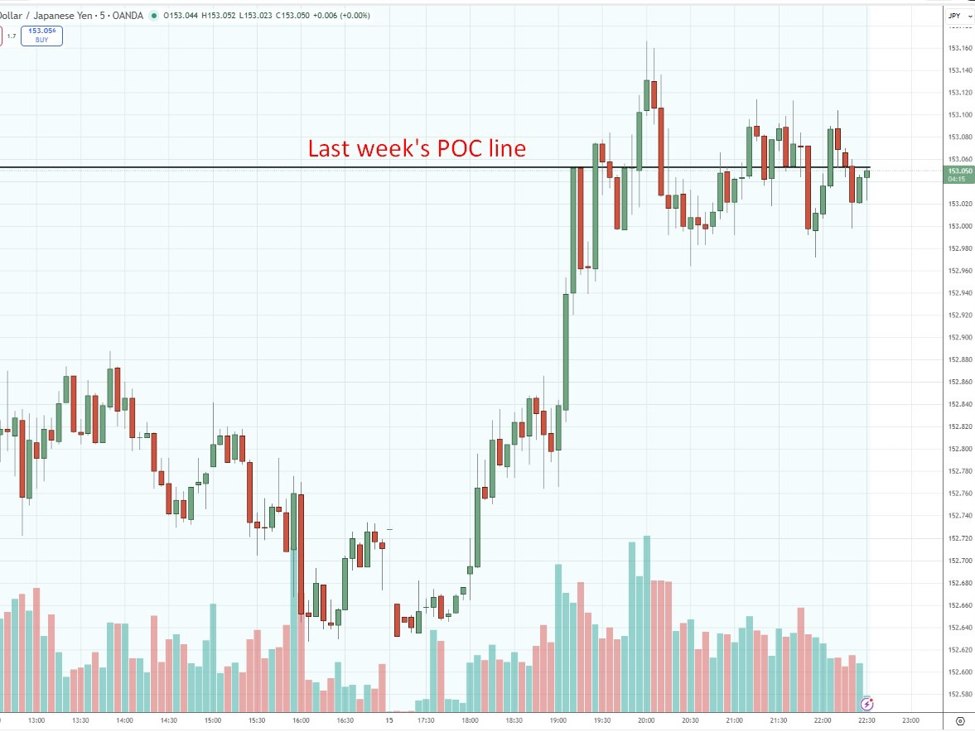
investingLive Asia-Pacific FX news wrap: Yen lost ground on poor GDP data
Japan bear flips & now bets on yen strength vs dollar, sterling & franc (sees +8% vs. CHF)Japan PM and BOJ chief Ueda will meet today at 5pm Tokyo timeWestpac targets 1.22 for EUR/USD and $1.41 GBP/USD (long horizon)China deploys ‘national team’ investors to cool AI stock surge, selling interventionJapan junior coalition leader backs food tax suspension, defends BOJ independenceSingapore January exports rise 9.3% but miss expectations, uneven trade recovery continuesJapan Q4 GDP rises just 0.2% annualised, misses forecasts & keeps BoJ on cautious pathJapan’s economic growth in Q4 2025 misses estimatesInvestors turn optimistic on Chinese tech and housing policies into Lunar New YearWestpac: US resilience may delay final Fed rate cut to June 2026Weekend – US boards second Venezuela-linked oil tanker in Indian OceanIMF says Australia achieving soft landing but warns on inflation risks & fiscal loosenessNew Zealand January card spending mixed messagesNew Zealand services sector expands in January but momentum easesXi Jinping pushes domestic demand as China braces for rising global trade uncertaintyMonday open indicative forex prices, 16 February 2026Newsquawk Week Ahead: US PCE and GDP, FOMC Minutes, RBNZ, Flash PMIs, UK and Canada CPIAt a glance:Thin Asia trade as China’s Lunar New Year holiday shuts mainland markets.US markets will be closed for Presidents’ Day, with SIFMA recommending a full fixed-income close.NZ retail sales signal fragile demand ahead of this week’s RBNZ meeting.Japan Q4 GDP disappoints, rising just 0.2% annualised and 0.1% q/q.Yen softens post-GDP, with PM Takaichi set to meet BOJ Governor Ueda.It was a subdued session across Asia on the first day of China’s Lunar New Year holiday, with mainland markets closed for the week and additional closures scheduled in Singapore and Hong Kong. Trading conditions were further thinned by the US Presidents’ Day holiday, with US equity markets shut and SIFMA recommending a full closure for US dollar fixed-income trading.Ahead of this week’s Reserve Bank of New Zealand monetary policy decision, where a hold is widely expected, data showed New Zealand retail sales remain soft, underscoring still-fragile household demand.From Japan, fourth-quarter GDP figures disappointed. The economy expanded just 0.2% annualised, or 0.1% quarter-on-quarter, well below expectations. Private consumption and capital expenditure posted only modest gains, while exports fell 0.3%. Inflation pressures remain firm, keeping the Bank of Japan on a cautious normalisation path.Prime Minister Sanae Takaichi is scheduled to meet BOJ Governor Kazuo Ueda later today (5pm Tokyo / 0800 GMT / 0300 US Eastern), a discussion markets will watch closely for policy signals. The yen weakened modestly following the soft GDP release.Elsewhere in FX, major pairs were relatively steady amid the lighter liquidity backdrop.Regional equities were largely consolidating recent gains, with Japan’s weaker data taking some momentum out of what had been a strong rally.In corporate news, Japanese media reported that Starbucks Korea plans to open at least 100 new outlets this year. This article was written by Eamonn Sheridan at investinglive.com. 🔗 Source 💡 DMK Insight Japan’s shift to a bullish stance on the yen is a game-changer for currency traders right now. With the Bank of Japan’s Ueda meeting today, expectations are high for potential policy shifts that could strengthen the yen against the dollar, sterling, and franc. A projected 8% rise against the Swiss franc signals a strong sentiment shift, and traders should watch for any hints of intervention or changes in interest rates. This could impact not just the yen but also related pairs like EUR/JPY and GBP/JPY. Meanwhile, Westpac’s long-term targets for EUR/USD at 1.22 and GBP/USD at 1.41 suggest a bearish outlook on the euro and pound, which could further fuel yen strength if realized. However, there’s a flip side to consider: if the BOJ maintains its current policy stance, the yen could face renewed selling pressure. Traders should monitor the outcome of today’s meeting closely, particularly any statements regarding inflation and interest rates. Key levels to watch are the psychological thresholds of 150 for USD/JPY and 1.40 for GBP/USD, as breaks could trigger significant moves in either direction. 📮 Takeaway Watch the BOJ meeting today at 5pm Tokyo time for potential yen strength; key levels to monitor are 150 for USD/JPY and 1.40 for GBP/USD.

Reminder: US markets are closed today
That will make for a quieter start to the new week, not least with Chinese markets also out today. As a reminder, it will be a one week break for China in conjunction with the Lunar New Year holidays. So, that will sap out a chunk of liquidity in Asia trading at least for the week ahead.Anyway, the US holiday today gives markets some added time to digest the key happenings from last week. US data took center stage with the non-farm payrolls and inflation numbers being released on the same week. At the end of it all, traders pushed back Fed pricing slightly but I would argue it wasn’t all too significant.The most notable pricing move was that the 25 bps rate cut in June was phased out. However, the odds of a June rate cut remain highly significant at around ~81%. By year-end, traders are still pricing in ~62 bps of rate cuts by the Fed for this year.In FX, the push and pull in the data releases is still leaving the dollar in a vulnerable spot. And the focus this week will once again be on whether markets will continue to choose to punish the dollar. That especially over the continued incoherent and uncertain approach on economic and geopolitical policies by the US administration, among other things.To start the day so far, the dollar remains mixed but little changed overall. USD/JPY remains in focus amid intervention risks, sitting up by 0.3% to 153.10 on the day. As long as price holds below the 155 mark, we might just be steering clear of the wrath of Tokyo officials. Meanwhile, EUR/USD is flat at 1.1865 and AUD/USD up just 0.1% to 0.7082 currently.In other markets, US futures are seen up 0.1% but again the cash market will be closed later. This comes after a bit of a rebound in Wall Street to prevent more battering of software stocks late on Friday. Here’s the S&P 500 performance breakdown snapshot:So, the overall risk sentiment is keeping somewhat steady and muted to start the day. That even as the Nikkei retreats by over 1% so far in Asia trading.As for precious metals, we’re seeing gold and silver stumble once again with the former dipping back under $5,000 with the latter down nearly 3% to $75.15 currently. This article was written by Justin Low at investinglive.com. 🔗 Source 💡 DMK Insight With Chinese markets on break for the Lunar New Year, liquidity in Asia is set to drop significantly. This absence could lead to increased volatility in related assets, especially if major economic indicators or geopolitical events arise during this period. Traders should be cautious, as lower liquidity often results in erratic price movements, making it harder to execute trades at desired levels. Keep an eye on Asian market reactions when they reopen, as they could set the tone for global markets. Additionally, monitor forex pairs involving the Chinese yuan, as any unexpected news could trigger sharp moves. As we head into this quieter week, it’s worth considering how your positions might be affected by this dip in liquidity and planning accordingly. 📮 Takeaway Watch for increased volatility in Asian markets post-Lunar New Year; adjust your trading strategies to account for lower liquidity and potential erratic price movements.

Dollar rebalancing theme to remain in focus this week – Credit Agricole
Credit Agricole is out with a note at the end of last week saying that the dollar will remain in the crosshairs for trading this week. That as traders will have plenty to look forward to this week as well, following the key economic data trifecta last week.The firm argues that all things considered, the dollar could find some opportunities to seek relief in this kind of environment:”Looking ahead into next week, the ‘USD rebalancing’ theme could remain quite important and investors will scrutinise the TIC data for December looking for any indications that foreign demand for USTs and US stocks has started to taper off.In addition, market participants will focus on core PCE deflator data for December, PMIs for February as well as the minutes from the January FOMC meeting and Fedspeak. FX investors will further keep an eye out for any headlines regarding SCOTUS’ long-anticipated verdict on the trade tariffs of the Trump administration.In all, we continue to think that many Fed-related negatives are already in the price of the USD and would expect the currency to consolidate in the absence of data disappointments and/or dovish surprises from the Fed in the near-term. It would take evidence that international investors continued to buy US assets, however, to give the USD a more lasting reprieve.”As a reminder, there are two key risk events to watch out for outside of the usual economic calendar this week. The first being the US Treasury TIC report for December 2025, which is scheduled for 18 February.The report continues to be a crucial one in scrutinising foreign investors’ appetite for US debt. For some context, their holdings reached a record $9.36 trillion in November 2025. And that is despite a further drop in China holdings, which declined to its lowest since 2008.That being said, it is best to reminded that this data doesn’t fully measure China’s holdings of US Treasuries. It instead measures China’s holdings of Treasuries in US custodians. That’s a very important distinction to be mindful about. Why so you might ask?Because China could be, and almost certainly, is still buying Treasures via non-US custodians. And some of the biggest names in this context are the likes of Belgium and Luxembourg, whose holdings are going toe-to-toe with some of the major players in the world.And the other key outside risk event this week will be the potential US Supreme Court decision on Trump’s tariffs. The next opinion hearing date is scheduled for 20 February, so that could introduce some end of week risk for markets to be mindful of.More on that: US Supreme Court says next Friday will be a decision day This article was written by Justin Low at investinglive.com. 🔗 Source

FX option expiries for 16 February 10am New York cut
There is arguably just one to take note of on the day, as highlighted in bold below.Considering that US markets are closed today, there is a notable lack of interest on the expiries board to start the week. That being said, there is one that could still factor into play. And that is for EUR/USD at the 1.1850 level.The currency pair remains caught in between its 100 and 200-hour moving averages since Friday, with the latter even already providing support for the pair since Wednesday. That key near-term floor level is seen at 1.1852 currently.So, that holds close by to the expiries above and could act as a decent lower bound for price action in the session ahead. That also as there is a lack of key catalysts for markets today amid the long weekend in the US.As such, we could see a more lackadaisical mood in terms of price movements in European morning trade. However, just keep in mind the potential impact of the expiries and key near-term level above in case we do see some extensions to the current narrow range.Besides that, there isn’t anything else worth noting on the day. So, expect it to be a quieter session in Europe today.For more information on how to use this data, you may refer to this post here.Head on over to investingLive (formerly ForexLive) to get in on the know! This article was written by Justin Low at investinglive.com. 🔗 Source 💡 DMK Insight With US markets closed today, traders might feel a lull, but don’t overlook the potential impact of the lone expiry on the board. This lack of activity could lead to thinner liquidity, which often results in heightened volatility when any significant news or data drops. Keep an eye on how this expiry interacts with existing positions, as it could trigger unexpected moves in correlated assets. The absence of US market participation means that any price action today could be exaggerated, especially if the expiry aligns with technical levels from previous sessions. If you’re holding positions, consider tightening your stop-loss orders to mitigate risk. Also, watch for any late-breaking news that could disrupt the calm—traders often react swiftly to unexpected developments, leading to rapid price shifts. In this context, it’s worth noting that while the market may seem quiet, the potential for sudden volatility is real. Be prepared for a possible spike in activity as traders position themselves ahead of the next trading day. 📮 Takeaway Watch for volatility spikes around the lone expiry today, especially if unexpected news breaks, as it could lead to rapid price movements.

Structural selling in the dollar more likely to come from Europe – BofA
BofA argues that the dollar remains in a precarious spot and while there is plenty of focus on China diversifying away from dollar-denominated assets, it is Europe that should be watched more closely instead. As a reminder, the US Treasury will be releasing its TIC report for December 2025 later this week on 18 February. I briefed more about that earlier here.”A report on China’s regulator guiding banks to limit UST exposure weighed on USD, reigniting concerns around structural reallocation away from US assets. However, the diversification of China’s holdings – both private and official – away from US assets has been evident in the data for a while. The share of USD bonds in China banks’ external portfolio for instance already fell markedly in 2025.”The report in question is this one here: China calls on banks to reduce US Treasuries exposure amid “market volatility”As for the reduction in China’s holding of US debt, the trend is evident based on the TIC report as mentioned. However, it isn’t as straightforward as the report does not cover China’s holding via non-US custodians. And it is almost certainly that they are still stocking up on Treasuries via Belgium and/or Luxembourg. So, the marked drop from China on any charts needs to be taken in this context.Anyway, BofA adds that:”In terms of fresh structural USD selling, the focus should be on Europe where holdings are concentrated in equities with lower hedge ratios. Equity flows do not yet suggest a rush for the exit, but it seems likely that incremental flow will head more to non-US markets over time, in addition to the risk of higher hedge ratio.”That is an interesting perspective and one that could stand to reason for broader markets. I mean, we’re already seeing it play out for quite a while already with the ratio of the S&P 500 to international equities falling significantly in recent months: This article was written by Justin Low at investinglive.com. 🔗 Source 💡 DMK Insight BofA’s warning about the dollar’s vulnerability is a crucial signal for traders right now. With China diversifying away from dollar assets, the real concern lies in Europe’s potential moves. If European nations start shifting their reserves, it could trigger a significant sell-off in the dollar, impacting forex pairs like EUR/USD and USD/JPY. Traders should keep an eye on the upcoming TIC report for December 2025, as it could provide insights into foreign demand for U.S. assets. A drop in demand could lead to increased volatility in the dollar, making it essential to watch key support and resistance levels. On the flip side, if the dollar holds strong despite these shifts, it could present a buying opportunity for dollar-denominated assets. The market’s reaction to the TIC report will be telling, especially if it shows a decline in foreign holdings. Keep an eye on the 1.10 level in EUR/USD; a break below could signal further dollar strength. 📮 Takeaway Watch the upcoming TIC report closely; a decline in foreign demand could weaken the dollar, impacting key forex pairs like EUR/USD and USD/JPY.