
 Bitcoin
  Ethereum
  Tether
  XRP
XRP  BNB
BNB  USDC
USDC  Solana
  TRON
TRON  Lido Staked Ether
  Figure Heloc
The ETF issuer warned that investors who pick the fund tied to the losing US presidential outcome could lose nearly all invested capital. 🔗 Source 💡 DMK Insight Investors need to tread carefully with this ETF tied to the presidential outcome—risk of total loss is real. The warning from the ETF issuer highlights a critical risk that traders often overlook: political events can dramatically influence market sentiment and asset performance. If the fund is linked to a losing candidate, the potential for significant capital loss could deter risk-averse investors. This situation is compounded by the current volatility in the broader market, where political uncertainty often leads to erratic price movements. Traders should be aware that this ETF’s performance could be heavily correlated with market reactions to election results, making it essential to monitor polling data and sentiment indicators closely. On the flip side, this could present a unique opportunity for contrarian traders who believe in a different outcome than the market consensus. If you’re considering a position, keep an eye on key support and resistance levels that may emerge as the election date approaches. Watch for any shifts in polling data or political rhetoric that could sway market sentiment significantly. 📮 Takeaway Monitor polling data closely and be prepared for volatility; a losing candidate could lead to significant losses in this ETF.

Russians move $129B in crypto yearly ‘outside our attention’: Official
Russia’s deputy finance minister says around 50 billion rubles worth of crypto changes hands daily, calling for crypto market regulation. 🔗 Source 💡 DMK Insight Russia’s daily crypto transactions hitting 50 billion rubles is a wake-up call for traders. This figure highlights a significant liquidity pool that could attract regulatory scrutiny, impacting trading strategies. If the government moves forward with regulation, it could lead to increased volatility as traders react to new compliance measures. Keep an eye on how this affects major pairs involving the ruble, especially if the Central Bank of Russia decides to intervene. Additionally, the ripple effect could influence sentiment in other markets, particularly in Eastern Europe, where regulatory clarity is still evolving. On the flip side, if regulations are perceived as favorable, it could legitimize the market and attract institutional investment, potentially driving prices higher. Watch for any announcements from the Russian government or central bank regarding crypto policies, as these could serve as critical turning points for market sentiment. 📮 Takeaway Monitor Russia’s regulatory developments closely; any new policies could significantly impact crypto volatility and trading strategies in the coming weeks.

Animoca Brands secures Dubai crypto license to expand services in Middle East
Dubai’s regulator approved the license on Feb. 5, allowing Animoca Brands to target institutional and qualified investors under the oversight of Dubai’s VARA. 🔗 Source 💡 DMK Insight Animoca Brands just got the green light from Dubai’s VARA, and here’s why that matters: This license opens the door for institutional and qualified investors to engage with Animoca’s offerings, which could significantly boost liquidity and market confidence in the crypto space. As institutional interest grows, we might see a ripple effect across related sectors, particularly in gaming and NFTs, where Animoca has a strong foothold. Traders should keep an eye on how this development influences market sentiment, especially if we see a surge in institutional capital inflows. Watch for potential price movements in major cryptocurrencies and gaming tokens as this news unfolds. But don’t overlook the risks—regulatory scrutiny could increase as more institutions enter the space, potentially leading to volatility. It’s worth monitoring how other jurisdictions respond to similar licensing efforts. For now, focus on key levels in the crypto market that could react to this news, particularly if Bitcoin or Ethereum break through recent resistance points. This could set the stage for a broader rally in the crypto sector. 📮 Takeaway Keep an eye on institutional inflows into Animoca Brands and related assets; watch for key resistance levels in Bitcoin and Ethereum as this news develops.

OKX secures EU payment license to expand stablecoin services
OKX secured a Malta payment institution license to support EU-compliant stablecoin services, including OKX Pay and the OKX Card. 🔗 Source 💡 DMK Insight OKX’s Malta license is a game changer for its EU operations and here’s why: Securing a payment institution license in Malta allows OKX to offer compliant stablecoin services, which could significantly boost user adoption in the EU. This move comes at a time when regulatory clarity is becoming increasingly important for crypto exchanges, especially in regions like Europe where compliance can make or break a platform’s success. Traders should keep an eye on how this impacts OKX’s market share against competitors like Binance and Coinbase, who are also vying for a strong foothold in the EU. But there’s a flip side—while this license opens doors, it also subjects OKX to stringent EU regulations, which could affect operational flexibility. If OKX can successfully navigate these regulations, it might set a precedent for other exchanges looking to expand in Europe. Watch for any updates on user growth metrics or transaction volumes in the coming months as these will be key indicators of how well this strategy is working. 📮 Takeaway Monitor OKX’s user growth and transaction volumes over the next few months to gauge the impact of its new Malta license on market share.
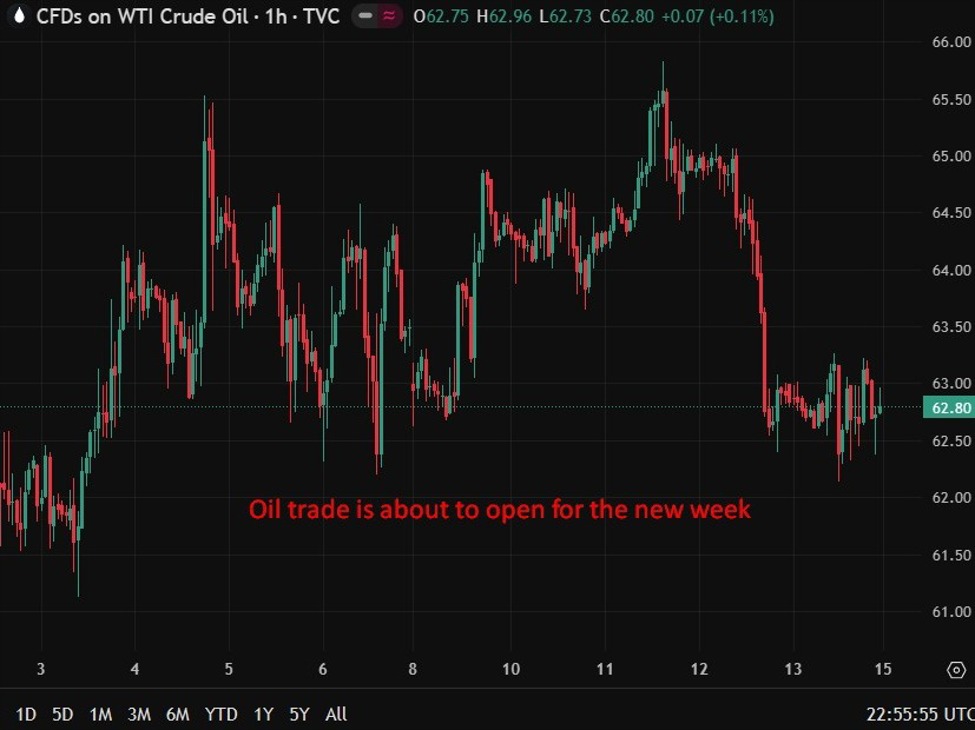
Weekend – US boards second Venezuela-linked oil tanker in Indian Ocean
Washington escalates sanctions enforcement with another long-range tanker interception.Posting this with Globex oil trade about to open for the new week. Summary:US boards second tanker, intercepting the Panama-flagged Veronica III in the Indian Ocean. Operation followed long-distance tracking from the Caribbean amid sanctions enforcement. Vessel carried 1.9 million barrels and is sanctioned by the US Treasury. Part of broader blockade strategy, targeting Venezuelan oil exports under Trump’s directive. Exports sharply curtailed, with loadings reportedly halved since enforcement intensified.The United States has boarded a second oil tanker linked to Venezuelan exports in the Indian Ocean, escalating enforcement of sanctions aimed at curbing Caracas’ oil trade.The Pentagon confirmed that US forces conducted what it described as a “right-of-visit, maritime interdiction and boarding” operation against the Panama-flagged tanker Veronica III. The vessel had been tracked from the Caribbean Sea across thousands of nautical miles before US forces intercepted it in the Indo-Pacific region. Officials did not specify whether the ship was seized outright or permitted to continue its voyage following inspection.Washington said the tanker was operating in defiance of measures imposed under President Donald Trump’s directive to quarantine sanctioned Venezuelan oil shipments. The administration has intensified efforts to restrict exports from Venezuela, targeting vessels suspected of transporting crude in violation of US sanctions.The Veronica III reportedly departed Venezuela on 3 January carrying approximately 1.9 million barrels of crude oil. According to shipping monitors, the vessel has been involved in transporting sanctioned oil, including cargoes linked to Venezuela, Russia and Iran, since 2023. It is currently subject to sanctions from the US Treasury Department.This marks the second interdiction in the Indian Ocean within a week. US forces previously boarded and inspected the tanker Aquila II, which had also been tracked over long distances. The Pentagon’s messaging stressed that geographic distance would not shield sanctioned shipments from enforcement, underscoring the global reach of US naval operations.The broader crackdown has significantly curtailed Venezuelan crude exports. Since late last year’s blockade announcement, only shipments associated with Chevron and bound for the United States have continued operating largely uninterrupted. Independent estimates suggest Venezuelan oil loadings have roughly halved in recent months.The move signals Washington’s willingness to project power well beyond regional waters in order to enforce energy sanctions, reinforcing geopolitical pressure on Caracas and tightening constraints on global flows of sanctioned crude. This article was written by Eamonn Sheridan at investinglive.com. 🔗 Source 💡 DMK Insight The U.S. just intercepted another tanker, and here’s why that matters for oil traders: This interception of the Panama-flagged Veronica III, carrying 1.9 million barrels, signals a tightening grip on oil supply chains, particularly for sanctioned nations. With the oil market already sensitive to geopolitical tensions, this move could lead to increased volatility in crude prices. Traders should keep an eye on how this affects supply dynamics, especially with OPEC+ production cuts still in play. If sanctions enforcement continues to escalate, we might see a spike in prices as market participants react to potential supply shortages. On the flip side, if the market overreacts, it could present a buying opportunity for savvy traders. Watch for key resistance levels around recent highs; if prices break through, it could indicate a sustained upward trend. For now, keep an eye on the daily charts for crude oil futures and monitor any further developments in sanctions enforcement that could impact market sentiment. 📮 Takeaway Watch for crude oil prices around key resistance levels; escalating sanctions could trigger volatility and potential buying opportunities.
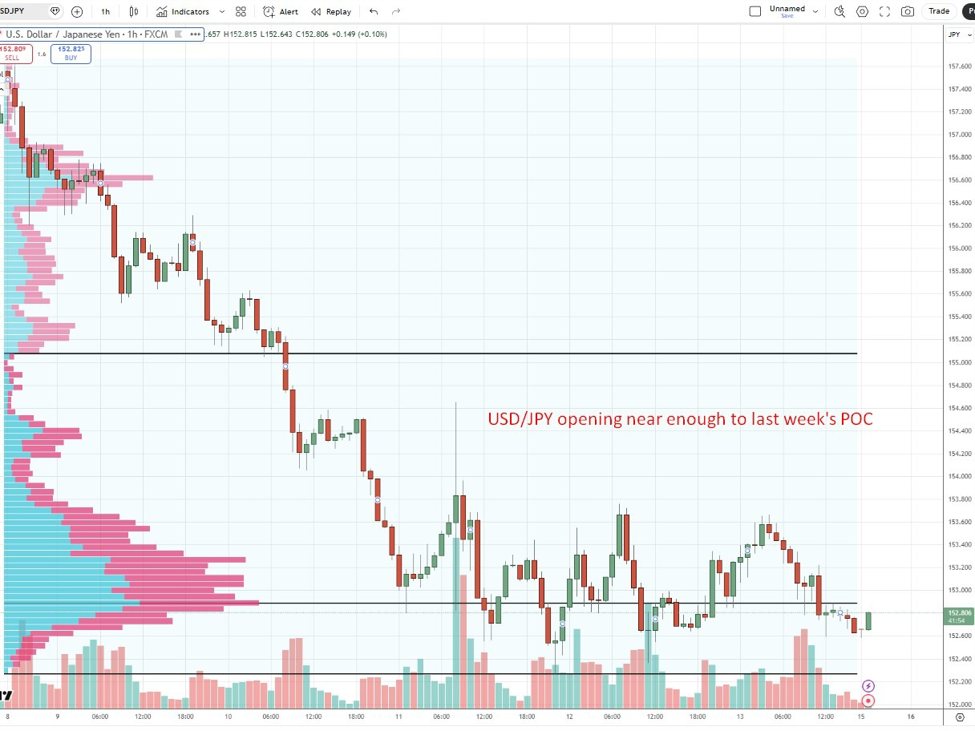
Westpac: US resilience may delay final Fed rate cut to June 2026
Westpac says US resilience limits scope for further Fed easing.Summary:US growth remains resilient, with activity tracking above trend despite uncertainty.Labour market stable, unemployment steady around 4.3% and wage growth firm. Household balance sheets strong, wealth at record highs supporting consumption. Inflation risks persist, particularly in core services, complicating Fed easing. Westpac delays final rate cut call to June 2026, but sees risk the Fed stays on hold.Westpac argues the US economy continues to display notable resilience, with little evidence that growth is meaningfully slowing despite elevated uncertainty and political disruption.The bank notes that activity remained firm through the turn of the year, with the Atlanta Fed’s GDPNow tracker indicating output growth stayed above trend even during the longest federal government shutdown on record. After five years of sustained outperformance, Westpac expects growth to moderate toward trend in 2026, but sees little risk of a sustained downturn in momentum.Labour market conditions, in its assessment, have stabilised rather than deteriorated. Nonfarm payroll growth, while softer through mid-2025, has averaged roughly 73,000 jobs per month since October. The unemployment rate has remained contained in a narrow 4.2%–4.4% range for nearly a year. Broader indicators, including wage measures and the Employment Cost Index, continue to signal firm nominal income growth, while recent improvements in ISM employment components suggest hiring intentions have steadied.Household balance sheets are described as robust. Wealth has reached record levels, supported by gains in equities and property markets. Many households locked in historically low borrowing costs during the pandemic, while marginal borrowers are now seeing adjustable rates ease modestly. This combination, Westpac argues, leaves consumers well positioned to sustain renovation activity, housing demand and discretionary spending into 2026.Sentiment remains the principal vulnerability. Consumer confidence measures sit well below historical averages, reflecting lingering concerns over inflation’s impact on real incomes. Businesses, meanwhile, face two-sided risks: potential supply constraints from tariffs and labour shortages, alongside uncertainty over consumers’ pricing tolerance.Against this backdrop, Westpac cautions that persistent above-trend consumption and capacity constraints may complicate the Federal Reserve’s task of returning inflation to its 2% target. Core services inflation remains elevated. The bank has therefore delayed its expectation for the final rate cut of this cycle to June 2026, though it acknowledges low conviction and sees a greater probability that the Federal Open Market Committee remains on hold if growth and inflation outperform. This article was written by Eamonn Sheridan at investinglive.com. 🔗 Source 💡 DMK Insight Westpac’s take on US economic resilience is a game changer for traders: it signals limited Fed easing ahead. With growth tracking above trend and a stable unemployment rate around 4.3%, the Fed’s room to maneuver is shrinking. This stability in the labor market, coupled with strong household balance sheets, suggests that consumer spending will likely remain robust. However, persistent inflation risks, especially in core services, complicate the picture. Traders should be cautious; if inflation doesn’t cool, the Fed might hold off on rate cuts longer than anticipated, impacting both equities and bonds. Watch for key economic indicators like consumer spending and inflation data in the coming weeks, as these will be crucial in shaping market sentiment and Fed policy expectations. The flip side? If inflation pressures ease unexpectedly, we could see a rapid shift in market sentiment, leading to potential volatility. Keep an eye on the S&P 500 and Treasury yields, as they will likely react sharply to any shifts in Fed policy outlook. 📮 Takeaway Monitor upcoming inflation data closely; if it remains high, expect limited Fed easing and potential market volatility.

Investors turn optimistic on Chinese tech and housing policies into Lunar New Year
Optimism builds for Chinese equities as policy support and tech innovation offset lingering risks.Summary:Chinese equities rallied strongly in 2025, supported by exports, AI advances and policy easing.Technology and housing stabilisation policies are key areas of investor optimism.Corporate governance and capital returns improving, with rising dividends and buybacks.Earnings growth expected to drive 2026 performance, after valuation-led gains last year.Risks remain from trade tensions, weak consumer confidence and AI investment volatility.Note: Chinese markets are closed all this week:Lunar New Year 2026: Mainland China markets are scheduled to be closed February 16–23As China moves into the Lunar New Year holiday period, investors are expressing renewed optimism toward Chinese equities, particularly in technology and policy-driven segments such as housing. The Year of the Horse, traditionally associated with boldness and forward momentum, coincides with a market backdrop that has already delivered strong gains over the past 12 months.Chinese equities posted robust returns in 2025, supported by resilient export performance, advances in artificial intelligence and targeted policy easing. Economic growth met official targets despite ongoing property sector strains and external trade frictions. Investors argue that the rally was initially driven by a re-rating of valuations from depressed levels, but increasingly point to structural improvements that could sustain momentum.Technology remains a focal point. Domestic innovation in AI models and continued investment in data centres have strengthened confidence in China’s push toward technological self-sufficiency. Meanwhile, corporate behaviour is evolving. Companies are placing greater emphasis on capital discipline, governance standards and shareholder returns, with dividend payouts and buybacks rising meaningfully over recent years. This shift is seen as enhancing the quality and durability of equity returns.Valuations, while no longer at distressed levels, are still viewed as trading at a discount to global peers. Investors expect earnings growth to play a larger role in 2026 performance after last year’s valuation-driven rebound. Financials, internet platforms and select consumer names are among the preferred exposures.Policy support is another key theme. Authorities have introduced measures aimed at stabilising the property market and lowering financing costs. There are also signs of renewed emphasis on boosting domestic consumption, including potential easing of restrictions previously imposed on property developers. However, consumer confidence surveys remain subdued, reflecting lingering concerns about housing prices and labour market conditions.Risks persist. China’s economy continues to rely heavily on investment and exports, leaving it vulnerable to renewed trade tensions or shifts in global demand. A slowdown in AI-related investment could also weigh on growth, given the increasing weight of the technology sector.Even so, many investors believe structural reforms, policy backing and innovation-driven growth leave Chinese equities positioned for further gains, provided earnings begin to justify valuations. This article was written by Eamonn Sheridan at investinglive.com. 🔗 Source 💡 DMK Insight Chinese equities are gaining traction, and here’s why that matters for traders: The recent rally in 2025 is fueled by a combination of policy support and technological advancements, particularly in AI. This is significant because it suggests a shift in investor sentiment, moving away from the lingering risks that have plagued the market. With exports showing strength and housing policies stabilizing, traders should keep an eye on sectors that are likely to benefit from these trends, especially technology and real estate. Rising corporate governance standards and increasing capital returns, such as dividends and buybacks, signal a healthier market environment, which could attract more institutional investment. However, it’s crucial to remain cautious. While optimism is high, any sudden shifts in policy or economic data could lead to volatility. Watch for key technical levels in major indices; a break above recent highs could confirm the bullish sentiment, while a failure to hold these levels might trigger profit-taking. Keep an eye on earnings reports in the coming weeks, as they will provide further insight into the sustainability of this rally. 📮 Takeaway Monitor Chinese tech stocks closely; a breakout above recent highs could signal sustained bullish momentum, while earnings reports will be key indicators of market health.
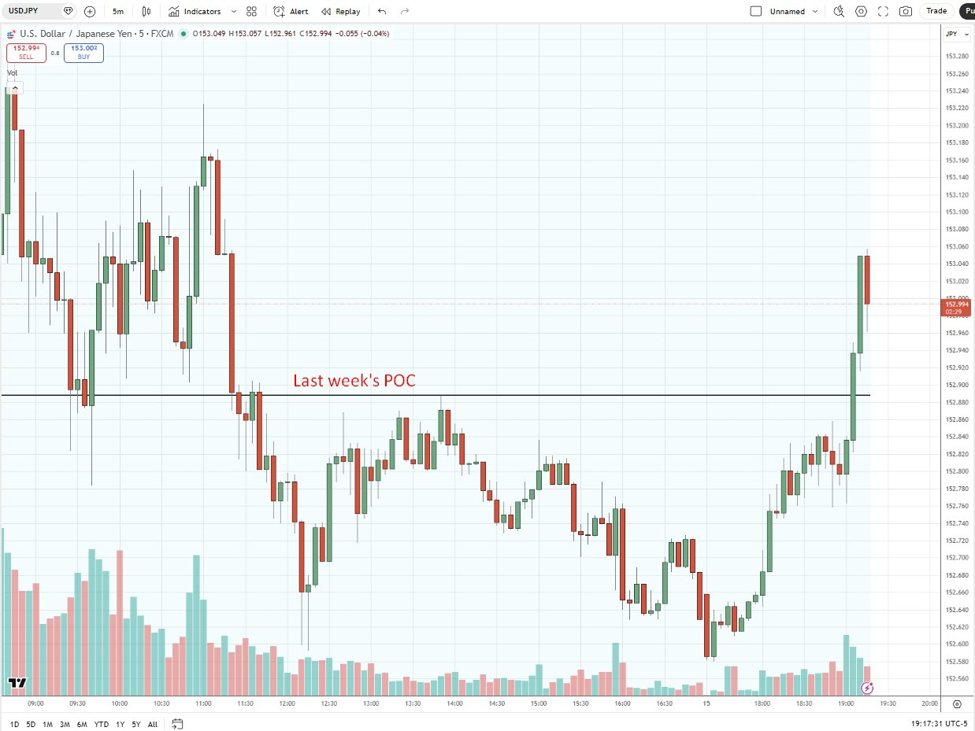
Japan's economic growth in Q4 2025 misses estimates
GDP growth fell well short of estimates. Preview is hereI’ll have more to come on this separately, details and analysis. ADDED, here: Japan Q4 GDP rises just 0.2% annualised, misses forecasts & keeps BoJ on cautious path This article was written by Eamonn Sheridan at investinglive.com. 🔗 Source 💡 DMK Insight Japan’s Q4 GDP growth of just 0.2% is a wake-up call for traders: This disappointing figure not only misses forecasts but also signals that the Bank of Japan (BoJ) will likely maintain its cautious stance. For traders, this means potential volatility in the yen and Japanese equities as the market digests the implications of sluggish growth. If the BoJ remains dovish, we could see the yen weaken further, impacting currency pairs like USD/JPY. Look for key technical levels around 130.00 for USD/JPY; a break above could trigger more upside. Conversely, if the yen strengthens unexpectedly, it might catch traders off guard. Keep an eye on upcoming economic indicators and BoJ comments for any shifts in sentiment. The real story is how this GDP miss could ripple through global markets, especially if it leads to a reassessment of risk appetite among investors. Watch for reactions from institutional players who might adjust their positions based on these economic signals. 📮 Takeaway Monitor USD/JPY around the 130.00 level; a break could signal further yen weakness amid BoJ’s cautious approach.
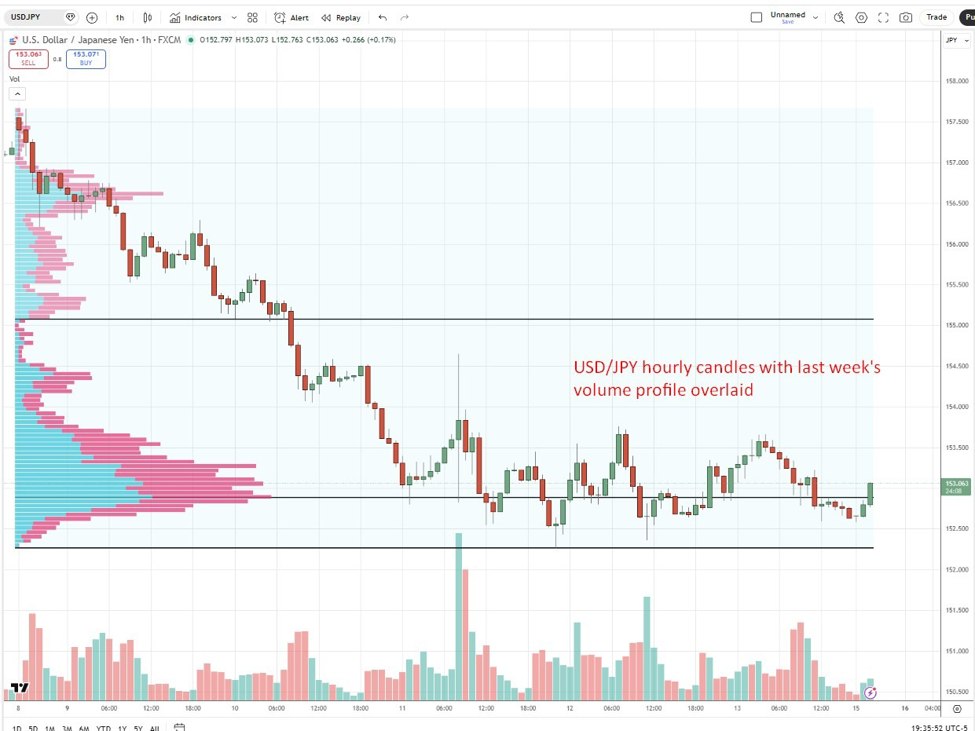
Japan Q4 GDP rises just 0.2% annualised, misses forecasts & keeps BoJ on cautious path
Japan ekes out Q4 growth, but momentum remains weak despite easing tariff drag.SummaryQ4 GDP barely positive, rising 0.1% q/q and 0.2% annualised, well below expectations.Private consumption slowed, up 0.1% q/q amid persistent food price pressures.Capex underwhelmed, increasing just 0.2% versus forecasts of 0.8%.Exports fell 0.3%, with external demand contributing zero to overall growth.GDP deflator rose 3.4% y/y, highlighting ongoing inflation pressures.Japan’s economy returned to marginal growth in the fourth quarter of 2025, but the expansion fell well short of expectations, underscoring the fragile nature of the recovery.Preliminary data showed real GDP rose 0.1% quarter-on-quarter in the October–December period, following a revised 0.7% contraction in Q3. On an annualised basis, growth came in at just 0.2%, significantly below market expectations for a 1.6% gain and weaker than forecasts of a 0.4% quarterly rise.Private consumption, which accounts for more than half of Japan’s economic output, increased 0.1% in Q4, matching expectations but slowing from the 0.4% pace recorded previously. Persistently elevated food prices continue to weigh on household spending, limiting momentum in domestic demand.Business investment showed only modest improvement. Capital expenditure rose 0.2% quarter-on-quarter, undershooting expectations for a 0.8% gain and marking only a partial rebound from prior weakness.External demand provided no net boost to growth. Exports declined 0.3% in the quarter, though the fall was milder than in Q3, suggesting the initial shock from US tariff measures may be easing. Net external demand contributed zero percentage points to overall GDP, compared with a drag in the previous quarter. Domestic demand also made a neutral contribution.Inflationary dynamics remain firm, with the GDP deflator rising 3.4% year-on-year, highlighting persistent price pressures even as real growth remains subdued.The data suggest Japan has stabilised after a sharp contraction but is far from a strong recovery. For the Bank of Japan, the modest return to growth provides some reassurance as it continues policy normalisation, though the softness in private demand and investment signals that tightening will likely proceed cautiously. Meanwhile, expansionary fiscal plans under Prime Minister Sanae Takaichi add complexity to the policy mix. This article was written by Eamonn Sheridan at investinglive.com. 🔗 Source 💡 DMK Insight Japan’s Q4 GDP growth is tepid, and here’s why that matters for traders: With GDP barely rising 0.1% quarter-on-quarter, it signals a lack of robust economic momentum. Private consumption, a key driver, only increased by 0.1% as food price pressures weigh heavily on consumer spending. This sluggishness could lead to a more cautious Bank of Japan, impacting monetary policy decisions. If the central bank opts for further easing, it might weaken the yen, making Japanese assets less attractive to foreign investors. Traders should keep an eye on the yen’s performance against the dollar, especially if it breaks below key support levels. Additionally, the underwhelming capex growth of 0.2% versus expectations of 0.8% suggests businesses are hesitant to invest, which could stifle future growth. Look for potential ripple effects in export-driven sectors and related markets like commodities, especially if exports continue to decline. The real story here is the potential for a prolonged economic stagnation, which could shift market sentiment significantly. Watch for any comments from the Bank of Japan in the coming weeks that could signal a shift in policy, and keep an eye on the yen’s strength against the dollar, particularly if it approaches recent lows. 📮 Takeaway Monitor the yen’s performance against the dollar closely; a break below key support could signal further weakness in Japanese assets.
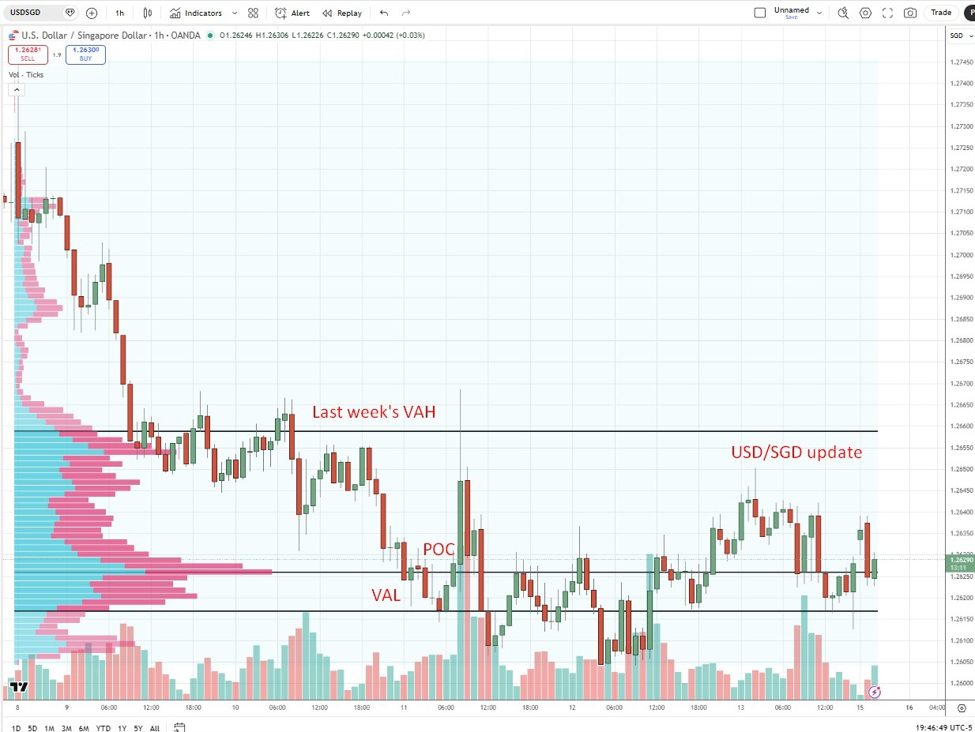
Singapore January exports rise 9.3% but miss expectations, uneven trade recovery continues
Singapore exports grow solidly but miss forecasts as electronics outpace other sectors.Summary: January NODX rose 9.3% y/y, below expectations of 12.1%.Electronics led gains, driven by integrated circuits and disk media.Non-electronics exports declined, highlighting uneven sector performance.Exports to China, Hong Kong and EU rose, while US and Indonesia shipments fell.Forecasts recently upgraded, with 2026 NODX seen at 2%–4% growth.Singapore’s non-oil domestic exports (NODX) rose 9.3% year-on-year in January, extending the recovery in trade flows but falling short of market expectations for a 12.1% increase.The expansion was driven primarily by electronics, with strong gains in integrated circuits and disk media products. In contrast, non-electronics exports contracted, highlighting the uneven nature of the rebound across sectors.The latest figures come just days after authorities upgraded both growth and export forecasts for 2026, following stronger-than-expected economic momentum at the end of 2025. Fourth-quarter GDP expanded 6.9% year-on-year and 2.1% quarter-on-quarter, prompting policymakers to lift the 2026 GDP growth outlook to 2%–4%, from 1%–3% previously. Enterprise Singapore also raised its full-year NODX forecast to 2%–4%, up from 0%–2%.January’s export performance suggests that trade momentum remains intact, though not accelerating as quickly as some had anticipated. Among key markets, shipments to China, Hong Kong and the European Union increased compared with a year earlier. However, exports to the United States and Indonesia declined, pointing to persistent pockets of softness in external demand.The divergence between electronics and non-electronics categories underscores Singapore’s continued reliance on the global semiconductor cycle. Demand linked to artificial intelligence investment and advanced manufacturing remains a supportive factor, but broader trade conditions appear more mixed.While the 9.3% growth rate represents a solid start to the year, the miss relative to expectations may temper enthusiasm following the recent upgrades to official forecasts. Even so, with policymakers projecting improved global demand conditions and continued resilience in manufacturing and trade-related services, Singapore’s export sector appears positioned for moderate expansion through 2026 — albeit with risks from external demand fluctuations and geopolitical uncertainty still in play.ps. Singapore markets will be impacted by the Lunar New Year holidays this week. This article was written by Eamonn Sheridan at investinglive.com. 🔗 Source 💡 DMK Insight Singapore’s export growth is solid but underwhelming, and here’s why that matters for traders: The 9.3% year-on-year rise in January NODX, while positive, fell short of the 12.1% forecast. This discrepancy could signal a cooling in global demand, especially as electronics—primarily integrated circuits—drive the growth. Traders should pay attention to how this affects the Singapore dollar and related assets, particularly in the tech sector. If electronics exports are the only bright spot, it raises concerns about the sustainability of this growth, especially with non-electronics exports declining. The mixed performance across regions, with exports to China and the EU rising while shipments to the US and Indonesia fell, suggests a potential shift in trade dynamics that could impact currency pairs involving the SGD. Look for key technical levels in the SGD/USD pair; a break below recent support could indicate further weakness. Additionally, monitor the performance of tech stocks linked to Singapore’s export economy, as they may react to these export figures. If the trend continues, we could see volatility in both the forex and equity markets, making it crucial to stay alert for any shifts in sentiment or economic indicators in the coming weeks. 📮 Takeaway Watch the SGD/USD pair closely; a break below support levels could signal further weakness amid mixed export data.