 Bitcoin
  Ethereum
  Tether
  XRP
XRP  BNB
BNB  USDC
USDC  Solana
  TRON
TRON  Lido Staked Ether
  Figure Heloc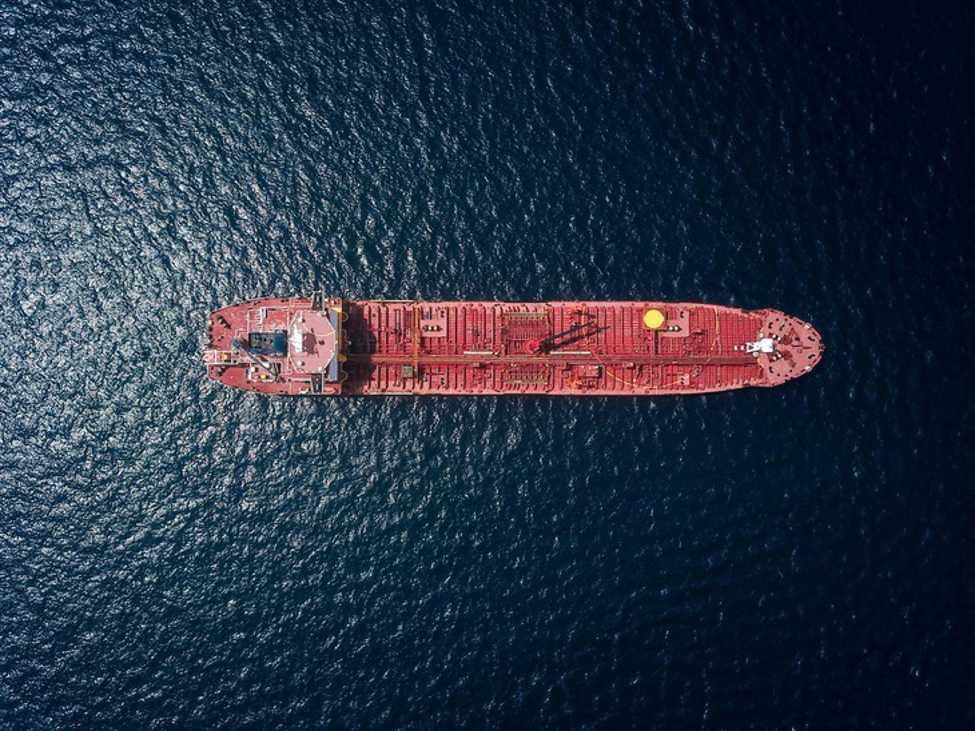
On Monday evening, a commander from Iran’s Revolutionary Guard Corps declared that the Strait of Hormuz was “closed” and warned that any vessel attempting to pass through would be attacked. As expected, on Tuesday oil, gas, and gold prices all jumped higher, while shipping traffic in the region only worsened. Yet there’s still no sign of panic, why?One of the main reasons is that the market does not seem to believe that Iran has either the incentive or the capacity to impose a total blockade of the Strait of Hormuz.First, closing such an important energy route would not really benefit Iran or its key partners, such as India and China. Second, from a military standpoint, Tehran likely lacks the resources necessary to maintain a total blockade. So far, we have not seen large-scale use of mines, torpedoes, or drones to carry out threats, only isolated and selective attacks on ships.Second, despite the recent geopolitical tensions, the global oil market is still dealing with a certain supply surplus. Some estimates suggest that existing spare capacity and stockpiles could help balance the market for at least three weeks without major disruption. That said, if the situation drags on and doesn’t improve, pressure on energy prices could certainly intensify.Gas is a different story.In Europe, gas storage levels are at historic lows — around 30% on average and just above 20% in Germany and France. That helps explain the sharper jump in gas prices and the more visible pressure on European stock markets, even while the S&P 500 index managed to close Monday slightly in positive territory. What if Iran actually decides to block the strait?Then everyone loses.Iran would face an immediate and forceful military response. Gulf states would see their oil and LNG exports disrupted, and energy revenues would take a hit. Global markets would feel the shock instantly. Thus, the worst seems unlikely; however, Iran doesn’t need a full blockade to create chaos.Even amid the current tensions in the Middle East, insurance and freight costs for vessels affiliated with Israel or the U.S. have surged by 20–30 times. Many insurers are either temporarily suspending coverage or refusing to insure ships until the conflict subsides.In conclusion, although a full blockade of the Strait of Hormuz appears to be a low-probability scenario, if the conflict continues to escalate, the negative impact — especially on energy-dependent economies — will grow and be reflected in market sentiment.
This article was written by IL Contributors at investinglive.com.
💡 DMK Insight
Iran’s threat to close the Strait of Hormuz is a game-changer for energy markets. With oil and gas prices spiking, traders need to keep a close eye on geopolitical tensions. The Strait is a critical chokepoint for global oil supply, and any disruption could lead to significant price volatility. If tensions escalate, we might see WTI crude testing resistance levels around recent highs. Gold’s rise also indicates a flight to safety, suggesting that investors are hedging against potential conflict. Shipping routes are already feeling the pinch, which could lead to increased freight costs and further strain supply chains. But here’s the flip side: if diplomatic efforts manage to de-escalate the situation, we could see a rapid correction in oil and gold prices. Watch for any news from OPEC or the U.S. government, as their responses could provide critical signals for market direction. For now, traders should monitor the $90 mark for WTI as a key level to watch for potential breakout or reversal.
📮 Takeaway
Keep an eye on WTI crude around $90; any escalation in the Strait of Hormuz could drive prices significantly higher.