Bitcoin
  Ethereum
  Tether
  BNB
BNB  XRP
XRP  USDC
USDC  Solana
  TRON
TRON  Lido Staked Ether
  Figure Heloc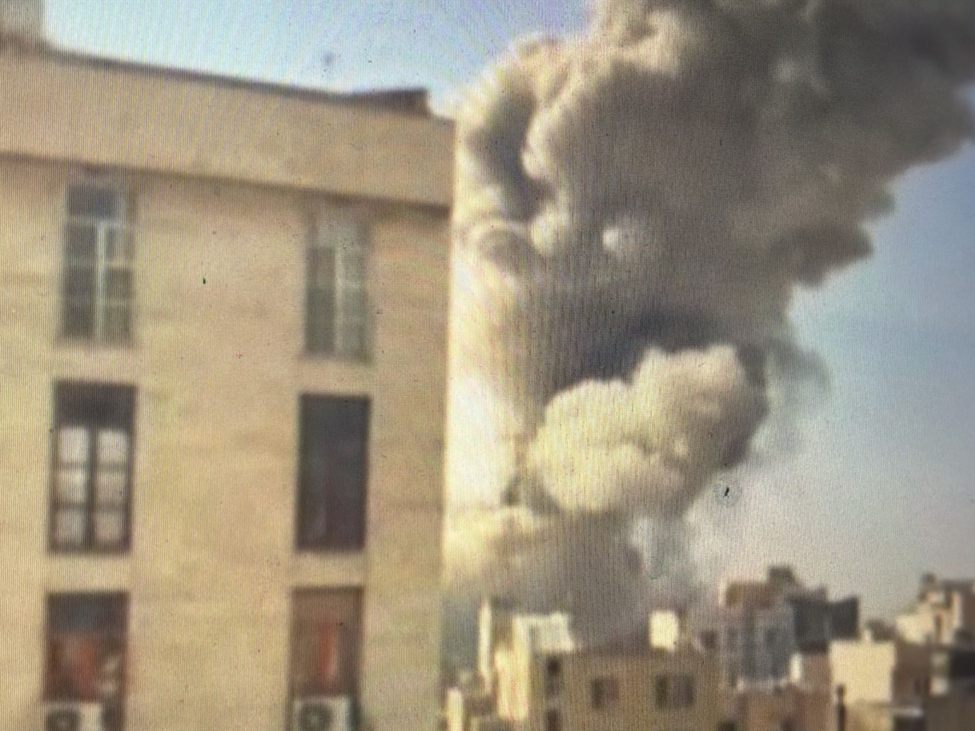
According to Israeli Media: A Broad US–Israel Strike Campaign in Iran and Markets May Be Entering a Full Geopolitical WeekIn the last hour, Israeli media is describing a large-scale, coordinated strike campaign inside Iran, framed not as a limited tactical action but as the opening phase of a broader, multi-day operation. The attack started about 1 hour and 15 minutes ago.The emphasis in the coverage is clear: this is not only about symbolic targets. It is about degrading operational military capacity – particularly missile infrastructure that poses a direct threat to Israel – while simultaneously signaling that senior regime structures in Tehran are no longer insulated.For markets, this distinction is critical. This is not just a daily headline event. It has the potential to define the entire trading week.US and Israel’s Attacks in Iran: What Is Being ReportedAccording to Israeli media outlets and televised briefings:1. A Wide Target BankThe reported target list includes:Central Tehran sitesRegime-linked compoundsMilitary command and intelligence facilitiesMissile bases and infrastructureSites associated with defense industriesLocations in Isfahan, Kermanshah, Qom, Tabriz, Bushehr and other citiesThe concentration of reported activity in central Tehran is notable. Commentators highlighted that in previous confrontations, strikes in the capital escalated later in the timeline. This time, central Tehran appears involved early.2. Missile Capability SuppressionThe strategic interpretation presented on Israeli broadcasts is that the scale and geography of the strikes indicate a focused attempt to suppress launch capabilities.If missile systems are the core threat, then the broader “missile umbrella” becomes a target:Production facilitiesStorage depotsLaunchersCommand and control nodesAssociated defense industry infrastructureThe objective, as framed in Israeli media, is to reduce the probability and scale of retaliatory missile fire.3. Signaling Toward Regime LeadershipReports referencing areas near high-level leadership compounds in Tehran are being interpreted domestically as a signal: regime structures are not immune.Even if senior figures are not physically present at those sites, the messaging impact is strategic. The narrative being presented is that deterrence boundaries have shifted.4. US CoordinationIsraeli media coverage repeatedly describes the operation as coordinated with the United States. Public American messaging has so far appeared more limited, potentially due to timing and internal communication cycles, but Israeli commentary characterizes the move as a joint alignment rather than a unilateral Israeli action.5. Airspace and Emergency MeasuresAirspace closures and emergency readiness steps underscore that retaliation risk is being treated as real and immediate.Why This Is a Week, Not a DayMarkets price escalation pathways, not just initial events.A single strike often produces:An oil spikeA volatility surgeA defensive bidBut a structured multi-day campaign produces rolling repricing.If additional strike waves unfold, each wave becomes a new data point. The question shifts from “what happened” to:Is retaliation immediate or delayed?Is escalation regional or contained?Are missile systems significantly degraded?Is energy infrastructure at risk?This is why positioning for the week matters more than reacting to the first overnight move.Two Market Paths to Prepare ForPath A: Sustained Risk-OffIf markets conclude escalation risk is persistent:Oil could maintain a geopolitical premiumGold could remain bidVolatility could expand structurallyHigh-beta equities could face pressureIn this regime, liquidity and capital preservation dominate.Path B: Fast Risk-On Reversal (unlikely at this stage)If markets interpret the campaign as strategically contained and retaliation as limited or impaired:Oil spikes may fadeVolatility may compressEquity indices could stabilize quicklyRisk assets may rebound sharplyGeopolitical weeks often produce exaggerated defensive positioning that later unwinds.Preparation must include both scenarios.The Strategic Variable: Retaliation TimingIran has publicly warned that any strike would trigger automatic response. The timeline and scale of that response remain the primary uncertainty variable.Markets will price not the rhetoric, but the observable action.If response appears constrained, markets may pivot faster than headlines suggest.If response broadens, volatility will not be confined to a single session.Traders and investors, this week demands discipline:Treat leverage cautiously.Expect gaps outside regular trading hours.Watch oil and volatility as regime indicators.Avoid chasing first moves.Focus on position sizing over narrative conviction.This is not a one-candle event.If Israeli media assessments are accurate and this is indeed the opening phase of a coordinated campaign, markets are entering a geopolitical regime week.Stay flexible.Stay liquid.Stay tuned for implications on the market at investingLive.com
This article was written by Itai Levitan at investinglive.com.
💡 DMK Insight
Geopolitical tensions are spiking with the US-Israel strike campaign in Iran, and here’s why that matters: Traders need to brace for volatility across multiple asset classes, especially oil and gold. Historically, military actions in the Middle East have led to immediate spikes in crude oil prices due to supply concerns. If tensions escalate, we could see WTI crude testing resistance levels around $90, which would impact related markets like energy stocks and ETFs. Additionally, safe-haven assets like gold may see increased buying pressure, potentially pushing prices above $2,000 per ounce. But it’s not just about the immediate reaction; the broader implications could affect forex markets as well. The US dollar often strengthens during geopolitical crises, so keep an eye on USD pairs, particularly against currencies from emerging markets that might be more sensitive to these developments. Watch for any statements from central banks that could signal shifts in monetary policy in response to rising geopolitical risks. Timing is crucial here; the next few days could be pivotal as the situation unfolds.
📮 Takeaway
Monitor crude oil prices closely; a breakout above $90 could signal broader market volatility, impacting energy stocks and safe-haven assets like gold.