
 Bitcoin
  Ethereum
  Tether
  BNB
BNB  XRP
XRP  USDC
USDC  Solana
  TRON
TRON  Lido Staked Ether
  Figure Heloc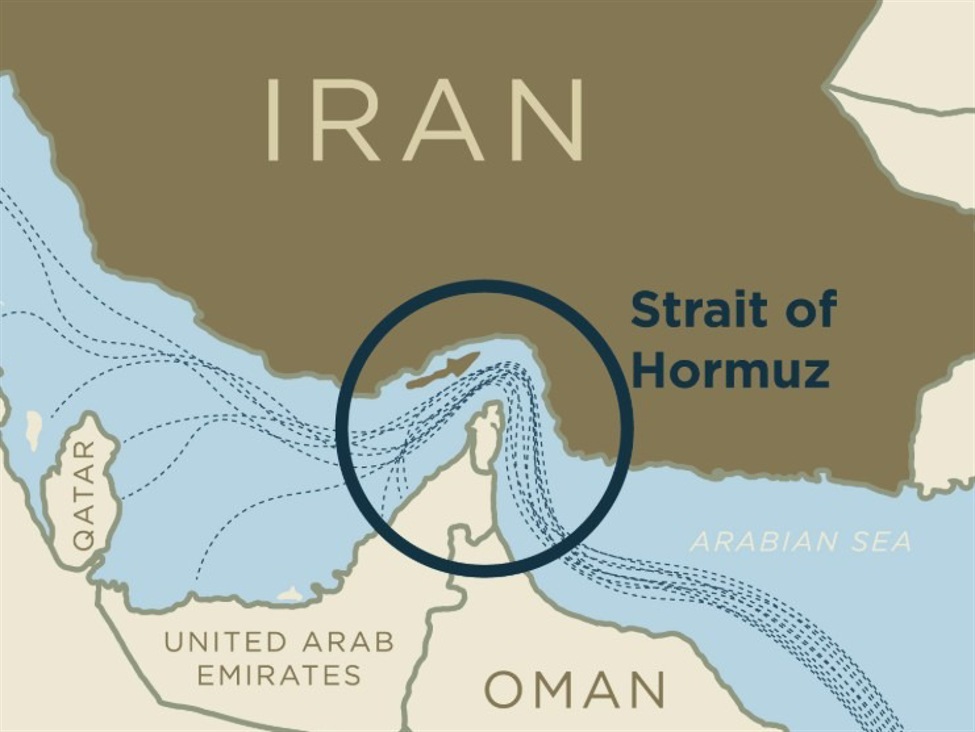
Australia has secured three shipments of jet fuel totalling more than 600,000 barrels from China, due from early June, plus 38,500 tonnes of agricultural urea from Brunei, Prime Minister Albanese said. Summary:
Source: Australian Prime Minister Anthony Albanese, public statement, 18 May 2026. Via Reuters report.Australia has secured three shipments of jet fuel totalling more than 600,000 barrels, equivalent to around 100 million litresThe three cargoes are sourced from China and are expected to begin arriving from early JuneThe government has also procured 38,500 tonnes of agricultural grade urea from BruneiThe announcements reflect emergency supply chain action in response to disruption caused by the closure of the Strait of Hormuz
Australian Prime Minister Anthony Albanese has announced the government has secured three shipments of jet fuel from China totalling more than 600,000 barrels, equivalent to approximately 100 million litres, with deliveries expected to commence from early June.The procurement represents one of the most concrete steps taken by the Albanese government to address fuel supply vulnerabilities exposed by the ongoing closure of the Strait of Hormuz, which has disrupted energy flows across the Asia-Pacific region alongside global markets. By sourcing directly from China, Canberra has moved quickly to substitute supply through an available channel rather than waiting for the geopolitical situation in the Middle East to resolve.Albanese also confirmed the government has secured 38,500 tonnes of agricultural grade urea from Brunei. Urea is a critical input for Australian agriculture, used widely as a nitrogen fertiliser, and supply chains for the product have been among the most exposed to the broader disruption flowing from the Middle East conflict. The Brunei procurement provides a separate but equally important buffer for the farming sector heading into the second half of the year.The dual announcements signal a government in active emergency procurement mode, prioritising the two supply categories, aviation fuel and agricultural inputs, where a shortfall would have the most immediate and visible economic consequences. Jet fuel shortages would directly affect airline schedules and domestic connectivity, while a disruption to urea supply at a critical point in the agricultural calendar would have downstream consequences for food production costs and rural industry.The arrival of the Chinese jet fuel cargoes from early June gives Australian aviation a near-term window of supply security, though 600,000 barrels represents a partial rather than comprehensive solution to the ongoing shortfall, and the government is likely to continue pursuing additional procurement arrangements while the Hormuz closure persists.—-The sourcing of jet fuel directly from China is a pragmatic response to Hormuz-driven supply disruption but will draw scrutiny given the geopolitical sensitivities involved in Australia deepening energy dependency on Beijing during a period of regional tension. For domestic aviation markets, the arrival of three cargoes from early June provides a near-term buffer against jet fuel shortages, though 600,000 barrels covers only a fraction of Australia’s ongoing consumption requirements. The urea procurement from Brunei is equally significant, as agricultural grade urea is critical to Australian farming and fertiliser supply chains have been among the most exposed to the broader Middle East disruption. Both deals signal a government moving quickly to substitute supply through alternative channels rather than waiting for Hormuz to reopen.
This article was written by Eamonn Sheridan at investinglive.com.
💡 DMK Insight
Australia’s recent procurement of over 600,000 barrels of jet fuel from China signals a strategic move to bolster its energy security, especially as global supply chains remain volatile. This deal, set for early June, comes at a time when energy prices are under pressure from geopolitical tensions and fluctuating demand. For traders, this could mean increased volatility in energy markets, particularly in crude oil and related derivatives. Moreover, the additional 38,500 tonnes of agricultural urea from Brunei highlights Australia’s focus on securing essential agricultural inputs, which could impact commodity prices in the agricultural sector. As the market digests these developments, keep an eye on how energy stocks and agricultural commodities react. If energy prices spike in response to supply concerns, related equities could follow suit. Conversely, if the market perceives this as a stabilizing move, we might see a short-term dip in volatility. Watch for any shifts in crude oil prices around the shipment dates, as well as any commentary from major energy players that could influence market sentiment.
📮 Takeaway
Monitor crude oil prices closely as Australia’s jet fuel shipments could trigger volatility; look for movements around early June.