Bitcoin
  Ethereum
  Tether
  XRP
XRP  BNB
BNB  USDC
USDC  Solana
  TRON
TRON  Lido Staked Ether
  Figure Heloc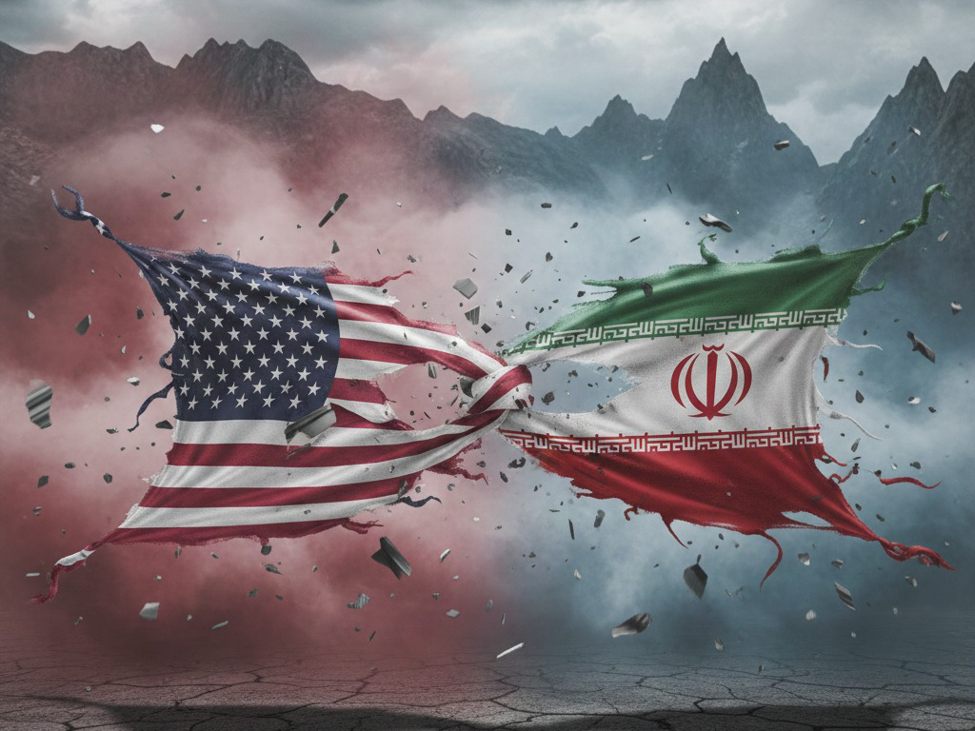
It is reported that Pakistan has intensified its diplomatic contacts since Sunday so as to try and get the US and Iran to sit down for talks “as soon as Tuesday”.In case you missed the headlines over the weekend, US president Trump said that he was still optimistic about a deal. And that is despite the pushback from Iran in closing the Strait of Hormuz again, after being unhappy with the US maintaining its naval blockade. Trump added that US representatives will be heading to Islamabad today for talks. However, Iran has not confirmed its participation yet.I still reckon we will see some form of negotiation between both sides again some time this week. It could be as early as tomorrow but I wouldn’t hold my breath on it. And that especially if wanting to expect a comprehensive peace deal and any major reopening of the Strait of Hormuz.On the latter, Iran knows that control over the strait is their most important leverage at the moment. So, I can’t see how they would give that up. Sure, they might loosen restrictions over who and how many vessels can pass through but I would not expect a total reopening.Trump has threatened to destroy civilian infrastructure in Iran if there is no deal but we’ll have to see if he will really follow through on that this time around.As a reminder, the fragile ceasefire between the two sides is due to expire on Wednesday.
This article was written by Justin Low at investinglive.com.
💡 DMK Insight
So Pakistan’s push for US-Iran talks could shake up market sentiment. Traders should keep an eye on how this diplomatic maneuvering impacts oil prices and regional stability. If talks happen, we might see a short-term rally in energy stocks and commodities, especially if tensions ease. Conversely, failure to reach an agreement could lead to spikes in volatility across markets, particularly in oil and related sectors. Given the current geopolitical climate, any positive news could push crude oil prices higher, while negative outcomes might trigger sell-offs in riskier assets. Here’s the thing: while mainstream coverage might focus on the immediate implications, the real story is how this could affect broader market trends. Watch for reactions in the forex market, especially with currencies tied to oil exports. Keep an eye on key levels in oil prices; a break above recent highs could signal a bullish trend, while a drop below support levels might indicate a bearish outlook. For now, monitor the situation closely as developments unfold, particularly around Tuesday when talks are expected to happen.
📮 Takeaway
Watch for oil price movements around Tuesday’s potential US-Iran talks; a breakout above recent highs could signal bullish momentum.