Bitcoin
  Ethereum
  Tether
  XRP
XRP  BNB
BNB  USDC
USDC  Solana
  TRON
TRON  Lido Staked Ether
  Figure Heloc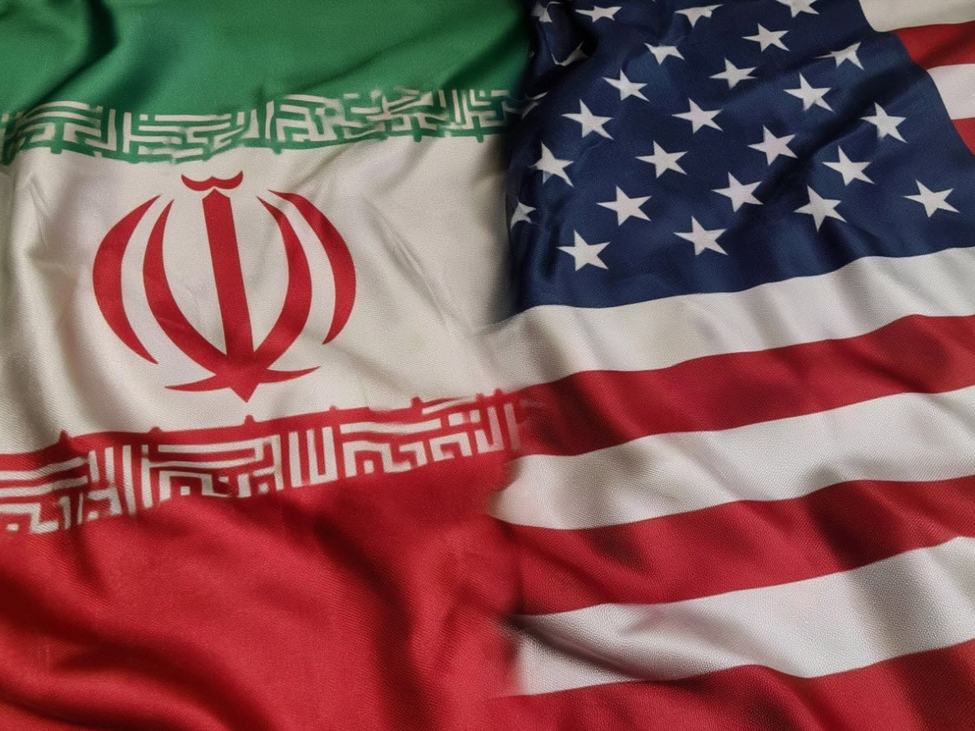
Full report hereAP News is reporting that mediators are working to extend the two-week ceasefire between the US and Iran before it expires next week on April 22. Despite a US naval blockade and renewed threats from Tehran, regional officials report that both nations have reached an agreement in principle to continue diplomatic efforts. The primary obstacles to a lasting peace involve disputes over Iran’s nuclear program, control of the Strait of Hormuz, and compensation for wartime damages. While Trump has expressed optimism that a deal is close, other US officials remain cautious.The markets are already looking past the war and as long as the ceasefire holds, the downside will likely remain limited. Nevertheless, the risk that the conflict resumes at any moment is still there, so traders will need to stay nimble.
This article was written by Giuseppe Dellamotta at investinglive.com.
💡 DMK Insight
The potential extension of the US-Iran ceasefire could significantly impact oil prices and geopolitical stability. With the ceasefire set to expire soon, traders should keep an eye on crude oil futures, especially if tensions escalate again. A breakdown in negotiations could lead to supply disruptions, driving prices higher. Conversely, a successful extension might stabilize the market temporarily, but the underlying volatility remains. Look for key levels around recent highs in oil prices, as a breach could signal a shift in sentiment. Additionally, monitor how this situation affects related assets like energy stocks and ETFs, which often react to geopolitical news. The real story here is how traders position themselves ahead of the April 22 deadline—those who anticipate a breakdown might look to hedge their positions now, while others could see this as a buying opportunity if they believe in a continued ceasefire.
📮 Takeaway
Watch for oil price movements around the April 22 deadline; a breakdown in talks could spike prices significantly.