
 Bitcoin
  Ethereum
  Tether
  XRP
XRP  BNB
BNB  USDC
USDC  Solana
  TRON
TRON  Lido Staked Ether
  Figure Heloc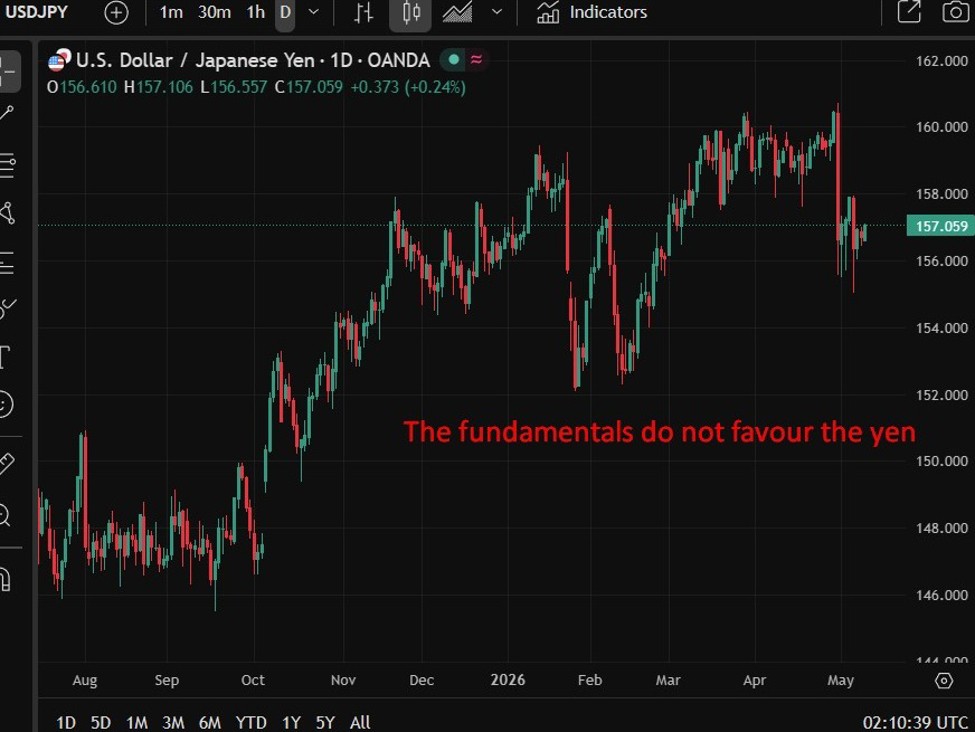
Japan’s petrol subsidies are draining funds at 300bn yen a month while yen intervention nears IMF limits, putting Tokyo’s fiscal and currency strategy on a collision course, Reuters Breakingviews argues. Summary:A Reuters column by Hudson Lockett argues that Japanese Prime Minister Sanae Takaichi faces a fundamental contradiction between her energy subsidy programme and her government’s efforts to defend the yen from depreciation driven by fiscal concernsGasoline subsidies introduced in March, which cap petrol at 170 yen per litre, are consuming around 300 billion yen per month from an allocated fund of 800 billion yen, with discussions of a supplementary budget now underway despite Takaichi’s earlier denialsJapan passed its largest-ever annual budget of 122 trillion yen in April; foreign investor concerns over that spending have pressured the yen, which recently fell below 160 per dollar before apparent government intervention pushed it back upThe finance ministry has indicated it can only intervene in currency markets twice more between now and November under IMF criteria for a free-floating exchange rate regime, severely limiting Tokyo’s defensive optionsU.S. Treasury Secretary Scott Bessent is due in Japan on Monday to discuss yen weakness with Takaichi, adding external diplomatic pressure to an already strained domestic policy frameworkThe column concludes that Japanese households face a lose-lose outcome: either higher import costs from a weaker yen or rising energy bills if subsidy support is withdrawnJapanese Prime Minister Sanae Takaichi is caught in a self-defeating policy loop, deploying costly energy subsidies to shield consumers from Middle East war-driven inflation while the fiscal bill for those subsidies erodes the very currency that determines how much Japan pays for its imported energy, according to a Reuters Breakingviews column by Hudson Lockett published on May 11.The tension is rooted in Japan’s dependence on imported oil and gas. The Iran war and the disruption to flows through the Strait of Hormuz have driven energy costs sharply higher, prompting Tokyo to introduce petrol subsidies in March that cap pump prices at 170 yen per litre. The programme is consuming approximately 300 billion yen per month from a dedicated fund of 800 billion yen, a pace that will exhaust the allocation well ahead of schedule and is already fuelling speculation about a supplementary budget, despite Takaichi’s public denials that one is imminent. Officials are also reluctant to withdraw support for household electricity and gas bills heading into summer.The fiscal pressure from that spending is part of what has been driving the yen lower. Japan passed its largest-ever annual budget of 122 trillion yen in April, and foreign investors have responded by selling the currency, pushing it below 160 per dollar before apparent government intervention in the market arrested the decline. A further 1% gain on May 6 was widely attributed to Tokyo stepping in again. The problem is that the finance ministry has signalled it can only intervene twice more before November under IMF criteria governing free-floating exchange rate regimes, a constraint that limits how long the currency can be artificially supported.The arrival of U.S. Treasury Secretary Scott Bessent in Japan on Monday for discussions on yen weakness adds an external dimension. American pressure on Tokyo over its currency management could further constrain its room to act, at precisely the moment when the domestic policy pressures are intensifying.The column’s central argument is that Takaichi’s strategy contains no clean exit. A weaker yen raises the cost of energy imports and makes inflation worse, undermining the rationale for the subsidies in the first place. Withdrawing the subsidies exposes consumers directly to elevated global energy prices. Either path leads to the same destination for Japanese households: higher bills. The Reuters Breakingviews view is that something in this policy framework has to give, and the most likely casualty is the prime minister’s reputation for fiscal credibility.—Japan’s predicament is directly relevant to energy markets: the country is a major importer of oil and gas, and a weaker yen mechanically raises the cost of every barrel it buys, amplifying the inflationary impact of the Hormuz supply disruption on Japanese consumers and industry. The gasoline subsidy programme, which is burning through its allocated fund at a rate of 300 billion yen per month, represents a form of implicit oil demand support that keeps retail consumption artificially insulated from the full price signal, potentially sustaining import volumes above where they would otherwise settle. However, the fiscal cost of that support is itself feeding the currency weakness it is designed to offset, creating a feedback loop that limits Tokyo’s room to manoeuvre. With U.S. Treasury Secretary Scott Bessent due in Japan to discuss yen weakness, any pressure on Tokyo to scale back intervention or fiscal stimulus could accelerate the pass-through of global energy prices to Japanese consumers.
This article was written by Eamonn Sheridan at investinglive.com.
💡 DMK Insight
Japan’s petrol subsidies are burning through 300bn yen monthly, and that’s a big deal for traders watching the yen. With intervention nearing IMF limits, the Bank of Japan might be forced into a corner. This situation could lead to increased volatility in the forex market, particularly for USD/JPY pairs. If the yen weakens further, it could trigger a sell-off, impacting not just the currency but also Japanese equities and commodities tied to energy prices. Traders should keep an eye on the 150 yen level against the dollar; a breach could signal a more aggressive depreciation. Here’s the kicker: while mainstream coverage focuses on the immediate fiscal implications, the real story is how this could affect global energy markets. If Japan struggles to maintain its subsidies, we might see shifts in demand that ripple through oil prices. Watch for reactions from institutional players, as they could adjust their positions based on these developments. Keep an eye on the upcoming economic data releases from Japan, as they could provide further insight into the sustainability of these subsidies.
📮 Takeaway
Monitor the USD/JPY pair closely; a break below 150 could signal increased yen weakness and broader market implications.