Bitcoin
  Ethereum
  Tether
  XRP
XRP  BNB
BNB  USDC
USDC  Solana
  TRON
TRON  Lido Staked Ether
  Figure Heloc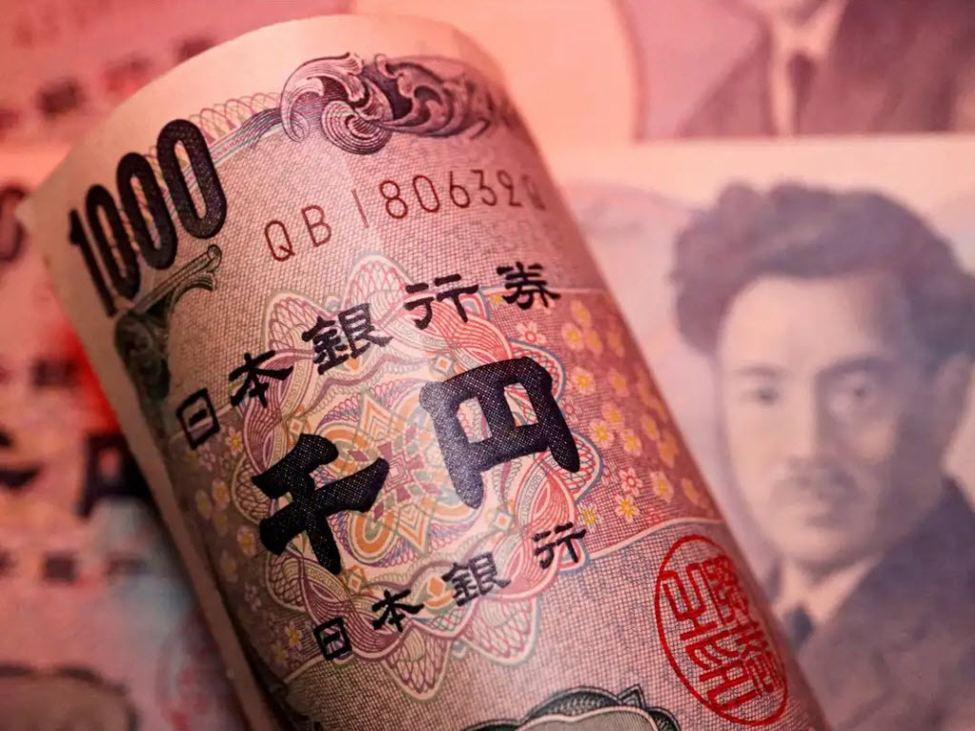
Japan wage growth remains strong, but Middle East risks cloud sustainability.Info via Reuters. Summary:Major Japanese firms set to deliver strong pay hikes in annual wage talksWage growth momentum extends into a fourth consecutive yearEarly deals include Mitsubishi Motors agreeing to +5.1% pay riseRengo unions seeking +5.94% vs +6.09% last year (actual +5.25%)Labour shortages continue to drive corporate willingness to raise wagesMiddle East conflict and rising oil prices pose downside risks to outlookJapan’s largest companies are set to deliver another year of robust wage increases as annual “shunto” labour negotiations conclude, extending a run of strong pay growth into a fourth consecutive year. The outcome reflects persistent labour shortages and growing pressure on firms to retain workers, even as uncertainty surrounding the global outlook begins to build.Major corporates, including Toyota and Hitachi, are finalising agreements with unions this week, with several firms already moving quickly to meet wage demands in full. Mitsubishi Motors, for example, agreed to an average pay increase of 5.1% in late February, one of the earliest settlements on record, highlighting the strength of wage momentum across the corporate sector.Japan’s largest labour union group, Rengo, is seeking an average wage increase of 5.94% this year, slightly below last year’s 6.09% demand, which ultimately resulted in a 5.25% rise, the largest increase in more than three decades. Early indications suggest that companies are again willing to deliver meaningful pay gains, supported by solid profits and ongoing labour market tightness.Importantly, this year’s wage negotiations have so far remained relatively insulated from external pressures such as higher U.S. tariffs. Instead, domestic factors, particularly labour scarcity and the need to sustain consumption, have dominated corporate decision-making.However, attention is increasingly shifting to whether this pace of wage growth can be sustained beyond 2026. The escalation of conflict in the Middle East has driven a sharp rise in energy prices, raising concerns about margin compression and slowing economic activity. Higher input costs could weigh on corporate profitability and, in turn, limit firms’ ability to continue delivering large pay increases in future rounds.In the current environment, the wage outcome carries significant macro implications. Sustained pay growth is a critical pillar of Japan’s reflation narrative and a key condition for the Bank of Japan to continue normalising policy. While this year’s negotiations reinforce confidence in the wage cycle, the outlook is becoming more uncertain as global risks intensify.For now, Japan’s wage momentum remains intact, but its durability will depend increasingly on how firms navigate rising costs and a more volatile external backdrop. —The BoJ is expected to remain on hold tomorrow:BOJ’s Ueda says inflation rising toward 2% ahead of policy meeting – recapJapan officials signal vigilance on yields, fiscal policy and FX as yen weakness persists
This article was written by Eamonn Sheridan at investinglive.com.
💡 DMK Insight
Japan’s wage growth is on a solid upward trend, but geopolitical tensions in the Middle East could derail this momentum. The recent news of major Japanese firms, like Mitsubishi Motors, agreeing to significant pay hikes—5.1%—is a positive sign for consumer spending and economic growth. This marks the fourth consecutive year of wage growth, which could bolster the Japanese economy and support the yen in the forex market. However, the looming risks from the Middle East, including potential disruptions in oil supply and increased volatility, could overshadow these domestic gains. Traders should keep an eye on how these geopolitical factors might impact Japan’s export-driven economy and the yen’s strength. For those trading in forex, the USD/JPY pair could be particularly sensitive to these developments. If wage growth leads to increased consumer confidence, we might see a stronger yen, but any escalation in Middle East tensions could trigger a flight to safety, benefiting the dollar. Watch for key levels around 145.00 for USD/JPY as a potential pivot point in the coming weeks.
📮 Takeaway
Monitor USD/JPY around 145.00; strong wage growth could support the yen, but Middle East risks may create volatility.