Bitcoin
  Ethereum
  Tether
  XRP
XRP  BNB
BNB  USDC
USDC  Solana
  TRON
TRON  Lido Staked Ether
  Figure Heloc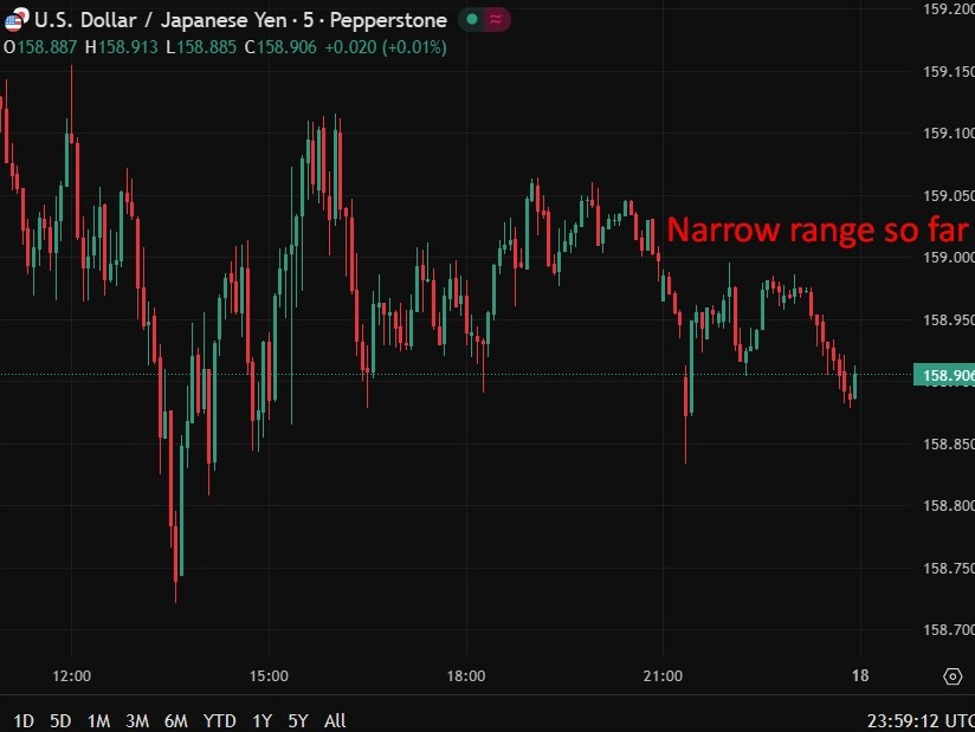
Japan swings to trade surplus as exports beat expectations despite weak China demand.Summary:Japan February exports +4.2% y/y (exp. +1.6%, prior +16.8%)Imports +10.2% y/y (exp. +11.5%, prior -2.5%)Trade balance +¥57.3bn (exp. -¥483.2bn, prior -¥1.15tn)Exports to China -10.9% y/y, US -8% y/yExports to EU +14% y/y, Asia +2.8% y/yData shows mixed external demand with sharp regional divergenceJapan’s trade balance unexpectedly returned to surplus in February, with Ministry of Finance data showing a surplus of ¥57.3 billion, sharply beating expectations for a ¥483.2 billion deficit and improving significantly from the ¥1.15 trillion deficit recorded in January.The surprise surplus was driven in part by stronger-than-expected export performance. Exports rose 4.2% year-on-year, comfortably exceeding the 1.6% gain anticipated by markets. However, the result still marked a notable slowdown from January’s robust 16.8% expansion, indicating that while external demand remains positive, momentum is moderating.On the import side, growth accelerated to 10.2% year-on-year, rebounding from a 2.5% contraction in January but coming in slightly below expectations of an 11.5% increase. The pickup in imports likely reflects higher energy costs and resilient domestic demand, although the softer-than-expected print suggests some moderation in underlying activity.A key feature of the report was the divergence across export destinations. Shipments to China fell sharply by 10.9% year-on-year, highlighting ongoing weakness in Japan’s largest trading partner and reinforcing concerns around China’s domestic demand. Exports to the United States also declined, down 8% year-on-year, suggesting softer momentum in another key market.In contrast, exports to the European Union surged 14% year-on-year, providing a significant offset, while shipments to the broader Asian region rose a more modest 2.8%. This uneven regional performance underscores the fragmented nature of global demand conditions.In the current environment, the data paints a mixed picture for Japan’s external sector. While the return to a trade surplus and the upside surprise in exports are supportive at the margin, the sharp slowdown from prior growth rates and weakness in key markets such as China and the US point to emerging headwinds.For policymakers, the report reinforces the delicate balance facing the Bank of Japan. External demand remains a key support, but its sustainability is increasingly uncertain amid geopolitical tensions, rising energy costs, and uneven global growth. The data is unlikely to materially shift the BOJ’s near-term stance but adds to the narrative of a gradually softening external backdrop.—Earlier:Japan manufacturers sentiment hits four-year high, but outlook dims on Middle East risksJapan firms set for strong wage hikes as labour shortages persist, outlook uncertainComing tomorrow, BOJ expected on hold:BOJ’s Ueda says inflation rising toward 2% ahead of policy meeting – recapJapan officials signal vigilance on yields, fiscal policy and FX as yen weakness persists
This article was written by Eamonn Sheridan at investinglive.com.
💡 DMK Insight
Japan’s unexpected trade surplus could shift market sentiment around the yen and related assets. With February exports rising 4.2% year-over-year against expectations of just 1.6%, this suggests resilience in Japan’s economy despite a 10.9% drop in exports to China. The trade balance of +¥57.3 billion, a stark contrast to the anticipated deficit, indicates stronger-than-expected demand from other regions, particularly the EU, where exports surged 14%. This could bolster the yen in the short term, especially if traders perceive Japan as less vulnerable to China’s economic slowdown. However, the overall mixed data—imports rising 10.2% while exports to major partners like the US fell—highlights potential vulnerabilities. Traders should keep an eye on the yen’s performance against the dollar and euro, particularly around key technical levels. A sustained move above ¥130 could signal further strength, while a drop below ¥135 might prompt caution. Watch for reactions from institutional players who might adjust their positions based on these developments, as they could influence volatility in both forex and equity markets.
📮 Takeaway
Monitor the yen closely; a move above ¥130 could indicate bullish momentum, while a drop below ¥135 may signal caution among traders.