Bitcoin
  Ethereum
  Tether
  XRP
XRP  BNB
BNB  USDC
USDC  Solana
  TRON
TRON  Lido Staked Ether
  Figure Heloc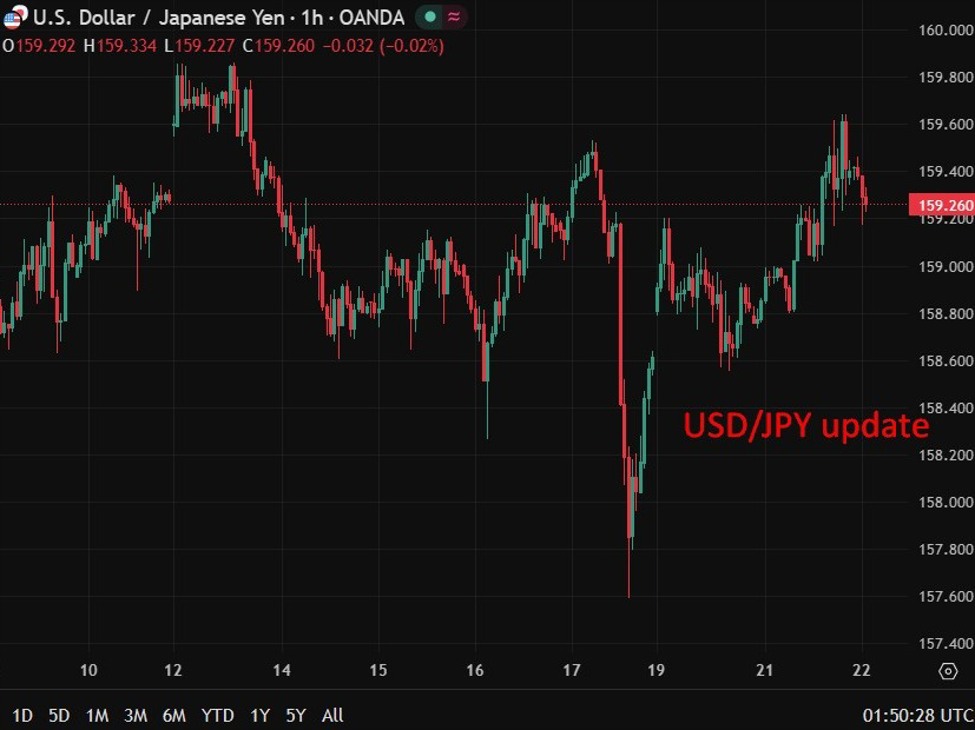
Japan exports rose 11.7% y/y in March, beating forecasts, but a smaller trade surplus and rising import costs highlight growing risks from energy prices and supply disruptions.Summary:Exports +11.7% y/y, beat expectations, seventh straight gain
Imports +10.9% y/y, well above forecasts
Trade surplus ¥667B, below expectations
Strong demand from China, modest US growth
Higher prices supporting exports
Energy costs and supply disruptions rising risk
BoJ expected to hold but keep tightening biasJapan’s trade data for March showed exports continuing to expand at a solid pace, supported by firm global demand and higher prices, although underlying risks from rising energy costs and supply disruptions are beginning to build.Exports rose 11.7% year-on-year, beating expectations for an 11.0% increase and marking a seventh consecutive month of growth. The strength was broad-based, with shipments to China jumping 17.7%, while exports to the United States rose a more modest 3.4%.Imports also surprised to the upside, increasing 10.9% year-on-year compared with forecasts for a 7.1% gain. The stronger import growth, driven in part by higher energy costs, resulted in a smaller-than-expected trade surplus of ¥667 billion, well below expectations for a ¥1.1 trillion surplus.Despite ongoing disruption risks tied to tensions in the Middle East and constraints around the Strait of Hormuz, Japan’s export sector has remained resilient for now. Higher export prices have helped offset some of the logistical and supply chain challenges, allowing trade volumes to hold up in the near term.However, the outlook is becoming more complex. Rising energy prices are beginning to feed through into input costs, particularly for manufacturers reliant on imported oil and petrochemical feedstocks. Shortages of key materials such as naphtha have already forced some firms to halt orders, highlighting emerging strain beneath the headline strength in exports.Japan’s economy continues to show signs of a modest recovery, underpinned by business investment and external demand, but the momentum remains uneven. The combination of higher import costs and supply constraints poses a downside risk to both production and consumption in the months ahead.For policymakers, the data reinforces a delicate balancing act. While resilient exports support growth, the inflationary impact of higher energy prices and a weaker yen is adding pressure to the outlook. The Bank of Japan is widely expected to keep rates unchanged at its upcoming meeting, but maintain a tightening bias as it navigates the trade-off between sustaining growth and managing rising price pressures.
This article was written by Eamonn Sheridan at investinglive.com.
💡 DMK Insight
Japan’s export growth of 11.7% y/y is impressive, but here’s the catch: rising import costs and a shrinking trade surplus signal potential headwinds ahead. While the strong demand from China is a positive, the increasing import costs—up 10.9% y/y—could squeeze margins for Japanese exporters. This dynamic is crucial for traders to monitor, especially those in the forex market trading JPY pairs. A weaker trade surplus of ¥667 billion, falling short of expectations, raises concerns about Japan’s economic resilience amid global supply chain disruptions and volatile energy prices. If energy costs continue to rise, we might see a shift in investor sentiment, leading to increased volatility in JPY. Traders should keep an eye on the USD/JPY pair, particularly if it approaches key resistance levels. A break above those could indicate a shift in market sentiment, while a failure to maintain strength might lead to a pullback. Watch for upcoming economic indicators that could further impact trade balances and currency strength.
📮 Takeaway
Monitor the USD/JPY pair closely; a break above key resistance could signal a shift in market sentiment amid rising import costs.