 Bitcoin
  Ethereum
  Tether
  BNB
BNB  XRP
XRP  USDC
USDC  Solana
  TRON
TRON  Lido Staked Ether
  Figure Heloc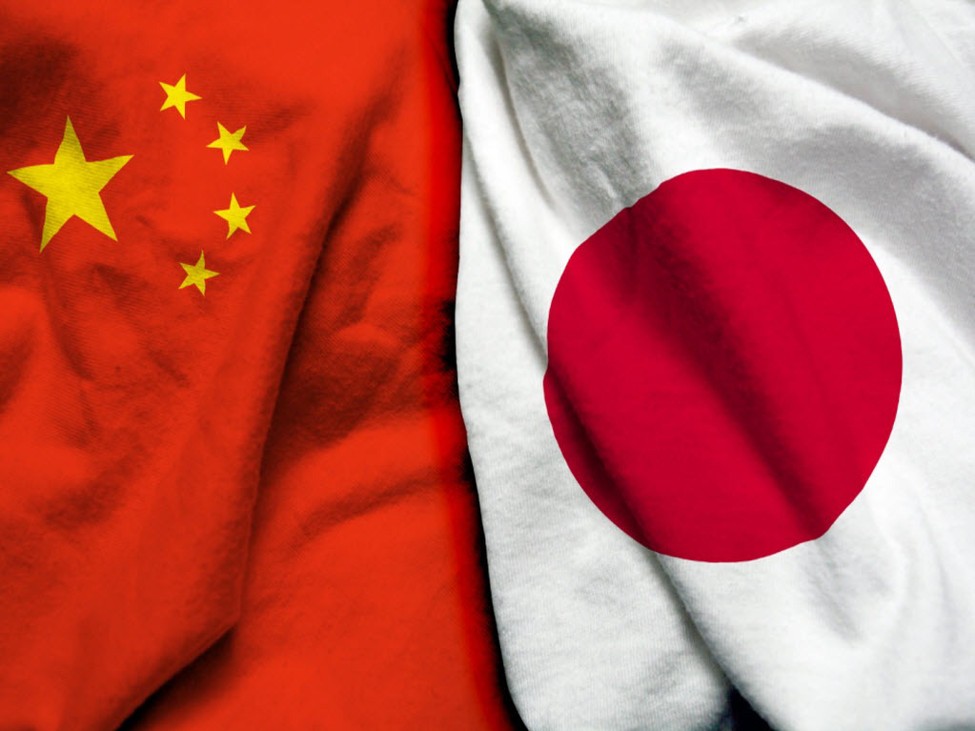
Japan’s net external assets rose 4.4% to a record 561.75 trillion yen in 2025, but the country fell to third in global creditor rankings as China overtook it, per Finance Ministry data.Summary:
Source: Japanese Finance Ministry, IMF-based dataJapan’s net external assets rose 4.4% year-on-year to 561.75 trillion yen ($3.53 trillion) in 2025, a record high and the eighth consecutive annual increaseGrowth was driven by strong overseas investment by Japanese companies, including mergers and acquisitions, and valuation gains on foreign securities held by residentsDespite the record, Japan slipped from second to third in global creditor rankings, overtaken by China after losing top spot to Germany the previous year for the first time in 34 yearsGermany holds the largest net external asset position at 675.5 trillion yen, followed by China at 636.3 trillion yen; both have benefited from sustained trade surplusesJapan’s net position was constrained by a significant rise in external liabilities, as the strong performance of the domestic stock market pushed up the value of Japanese equities held by non-resident investors by 62.2 trillion yenJapan’s net external assets climbed to a record high in 2025, but the milestone offered little comfort in the global rankings: the country has now slipped to third place among the world’s largest creditor nations, overtaken by China and already behind Germany.The Finance Ministry reported that the combined net external assets of the Japanese government, businesses and individuals rose 4.4% from the prior year to 561.75 trillion yen, equivalent to roughly $3.53 trillion. The eighth consecutive annual increase was fuelled by vigorous overseas investment from Japanese corporations, a run of cross-border mergers and acquisitions, and valuation gains on foreign securities held by Japanese residents.Yet the headline growth figure masks a more complicated picture. Japan’s external liabilities also expanded sharply over the period, in large part because of the strong performance of the domestic equity market. The rise in Japanese share prices translated into a 62.2 trillion yen upward revaluation of Japanese securities in the hands of non-resident investors, swelling the liability side of the ledger and limiting the net gain.The result is a country whose gross overseas footprint continues to expand, but whose net position is being compressed by foreign appetite for Japanese assets. That dynamic stands in contrast to Germany and China, whose creditor positions are underpinned by structural trade surpluses that consistently add to the asset side without a comparable liability offset. Germany held net external assets of 675.5 trillion yen at end-2025, with China close behind at 636.3 trillion yen, both figures drawn from IMF-sourced ministry data.Japan’s slide down the rankings carries a certain symbolic weight. For 34 years the country sat atop the global creditor table, a reflection of its postwar savings culture, export-driven accumulation, and the vast overseas investment built up across decades. Losing that position to Germany in the previous year was notable enough. Conceding second place to China marks a more pointed shift in the balance of global financial standing.Whether the trend continues will depend in part on the trajectory of Japanese corporate overseas investment, the yen’s performance, and the extent to which foreign investors continue to add Japanese equity exposure. For now, the record asset figure and the falling rank tell the same story from opposite ends.—
The ranking shift carries implications for yen dynamics and Japan’s broader external position. A growing stock of foreign liabilities, driven by non-resident demand for Japanese equities, means Japan’s net creditor position is being squeezed from both sides: assets rising, but liabilities rising faster in valuation terms. For currency markets, the contrast between Japan’s weakening relative creditor standing and the yen’s traditional safe-haven status adds a layer of complexity to positioning. The data also underscores Germany and China’s structural advantage from persistent trade surpluses, a dynamic that Japan, with its more mixed current account profile, cannot easily replicate.
This article was written by Eamonn Sheridan at investinglive.com.
💡 DMK Insight
Japan’s rise in net external assets to 561.75 trillion yen is noteworthy, but falling to third in global creditor rankings raises questions about future investment flows. For traders, this shift could signal changing dynamics in currency markets, especially with the yen’s performance against the dollar. A stronger yen might attract more foreign investment, but Japan’s position behind China could lead to increased competition for capital. Keep an eye on the USD/JPY pair; if it breaks below key support levels, it could indicate a shift in sentiment. Additionally, monitor how this affects Japanese equities, as a stronger yen typically pressures exporters. On the flip side, while Japan’s asset growth is positive, the fact that it’s being outpaced by China could lead to volatility in related markets. Institutions might adjust their strategies based on perceived risks or opportunities in these two economies. Watch for any comments from the Bank of Japan regarding monetary policy, as that could influence market reactions significantly.
📮 Takeaway
Traders should monitor the USD/JPY pair closely; a break below key support could indicate a shift in market sentiment influenced by Japan’s creditor ranking.