Bitcoin
  Ethereum
  Tether
  BNB
BNB  XRP
XRP  USDC
USDC  Solana
  TRON
TRON  Lido Staked Ether
  Figure Heloc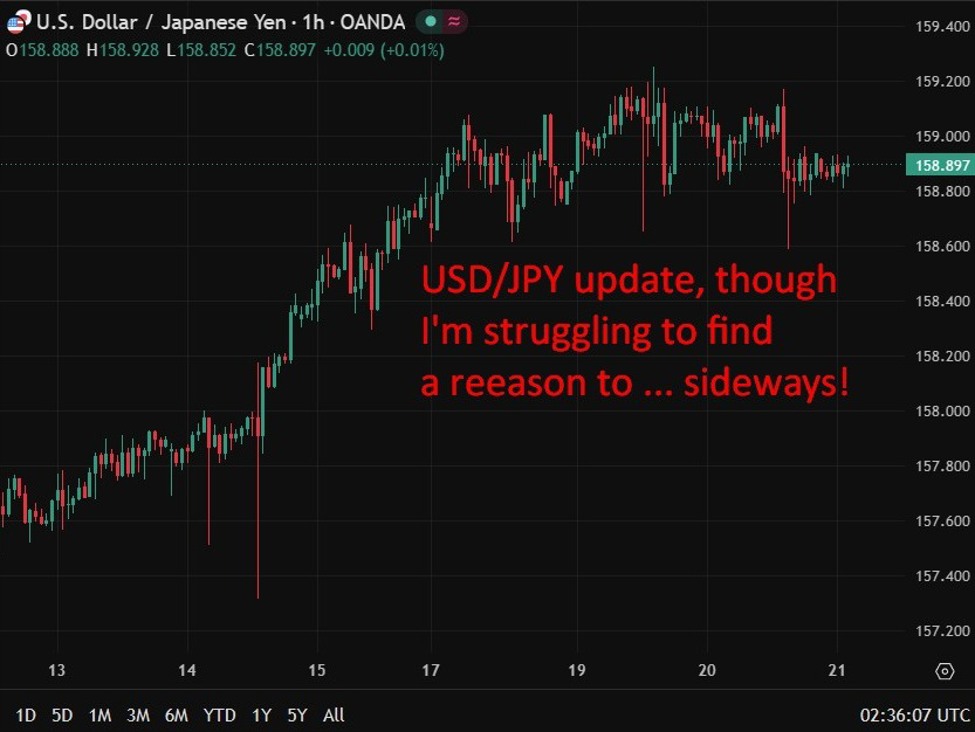
Japan’s April exports rose 14.8% year-on-year, well above the 9.3% forecast, producing a surprise trade surplus of 301.9bn yen, as crude oil import volumes collapsed 64% in their steepest fall since 1980.Earlier:Japan data shows a massive trade surplus beat in April as exports rocketBank of Japan policy board member Koeda says underlying inflation already around 2%Japan flash PMI slips to five-month low in May as selling prices hit record highSummary:Exports rose 14.8% year-on-year in April, beating the 9.3% forecast and extending the run of positive annual growth to eight consecutive monthsExports to the US rose 9.5% and to China 15.5% year-on-yearImports grew 9.7%, above the 8.3% forecast, despite a collapse in crude oil shipmentsCrude oil import volumes fell 64%, the steepest decline since 1980, with the value drop of 49.9% the largest since November 2020; partial offset came from increased US crude procurementJapan recorded a trade surplus of 301.9 billion yen against a forecast deficit of 29.7 billion yenAnalysts at SMBC Nikko Securities warned that rising prices across petroleum-related products including naphtha point toward widening trade deficits in coming monthsCore machinery orders fell 9.4% in March month-on-month, a larger decline than the 8.1% forecastJapan’s government is considering a supplementary budget of around 3 trillion yen for the current fiscal year to prepare for a prolonged Middle East crisis, per JNN
Japanese exports rose for an eighth consecutive month in April, beating market expectations by a substantial margin, as resilient demand from the United States and China helped sustain outbound shipments despite the supply disruptions triggered by the US-Israeli conflict with Iran.Total exports grew 14.8% year-on-year, well ahead of the median market forecast of 9.3% and building on a revised 11.5% gain in March. Shipments to the US rose 9.5% while exports to China climbed 15.5%, providing a broad geographic base to the outperformance. Imports grew 9.7%, also clearing the 8.3% forecast, and the combination produced a trade surplus of 301.9 billion yen against expectations of a 29.7 billion yen deficit.The composition of the import data, however, carries a warning. Crude oil import volumes collapsed 64% in April, the steepest fall since 1980 according to a finance ministry official, with the value decline of 49.9% the largest since the depths of the COVID-19 pandemic in November 2020. Japan has moved to diversify crude procurement by sourcing additional supplies from the United States and other non-Middle Eastern producers, but the offset has been partial at best. Export resilience has been supported in part by domestic production drawing on Japan’s substantial strategic oil reserves, a buffer that cannot be sustained indefinitely.Analysts at SMBC Nikko Securities, cited by Reuters, cautioned that the picture is likely to deteriorate. Beyond higher crude prices, costs across petroleum-related products including naphtha are rising, and trade deficits are expected to widen as those pressures feed through. Prolonged disruption to Middle Eastern supply routes risks raising production costs across energy-intensive sectors such as chemicals while simultaneously dampening global demand, squeezing Japanese exporters from both directions.The trade data landed alongside a softer machinery orders print, with core orders falling 9.4% month-on-month in March against a forecast of 8.1%, and a flash PMI for May showing manufacturing growth slowing and services stalling entirely for the first time in over a year.Separately, JNN reported that Tokyo is considering a supplementary budget of around 3 trillion yen for the current fiscal year, a signal that the government regards the Hormuz closure as a prolonged rather than temporary feature of the economic environment and is preparing its fiscal response accordingly.—The trade surplus of 301.9 billion yen against a forecast deficit of 29.7 billion yen is a striking beat on the headline, but the composition tells a more complex story. The 64% volume collapse in crude oil imports, the steepest since 1980, reflects supply disruption rather than demand management, and the value decline of 49.9% flatters the trade balance in a way that will not persist if alternative supply sources remain more expensive. Analysts at SMBC Nikko Securities are already flagging that petroleum-related input costs are rising broadly, pointing toward widening trade deficits ahead. Export resilience is being sustained in part by drawdown of strategic oil reserves rather than normalised supply, a buffer with a finite shelf life. The 3 trillion yen supplementary budget under consideration, if confirmed, signals that Tokyo is preparing for the Hormuz closure to be a structural feature of the near-term economic landscape rather than a short-lived disruption.—JNN is the Japan News Network, a television news network operated by TBS (Tokyo Broadcasting System). It is one of Japan’s major broadcast news organisations and is commonly cited as a sourcing outlet for Japanese government and policy leaks. It carries solid credibility as a source for trial balloons and policy reporting out of Tokyo.
This article was written by Eamonn Sheridan at investinglive.com.
💡 DMK Insight
Japan’s export surge and unexpected trade surplus could shift market sentiment significantly. A 14.8% year-on-year increase in exports, far exceeding the 9.3% forecast, signals robust demand for Japanese goods, which could bolster the yen against other currencies. The collapse of crude oil imports by 64% not only reflects a strategic pivot but also suggests a potential easing of inflationary pressures, which might influence the Bank of Japan’s monetary policy. Traders should watch how this data impacts the USD/JPY pair, especially if the yen strengthens and tests key resistance levels. Additionally, the trade surplus could lead to increased foreign investment, further supporting the yen. However, it’s worth considering that while this data is positive, it might not be sustainable if global demand wanes or if geopolitical tensions escalate. Keep an eye on upcoming economic indicators from Japan and major trading partners, as they could provide further context. The next key level to watch for USD/JPY is around 140, where a break could signal a stronger yen trend.
📮 Takeaway
Watch the USD/JPY pair closely; a break below 140 could indicate a stronger yen trend following Japan’s surprising trade surplus.