Bitcoin
  Ethereum
  Tether
  XRP
XRP  BNB
BNB  USDC
USDC  Solana
  TRON
TRON  Lido Staked Ether
  Figure Heloc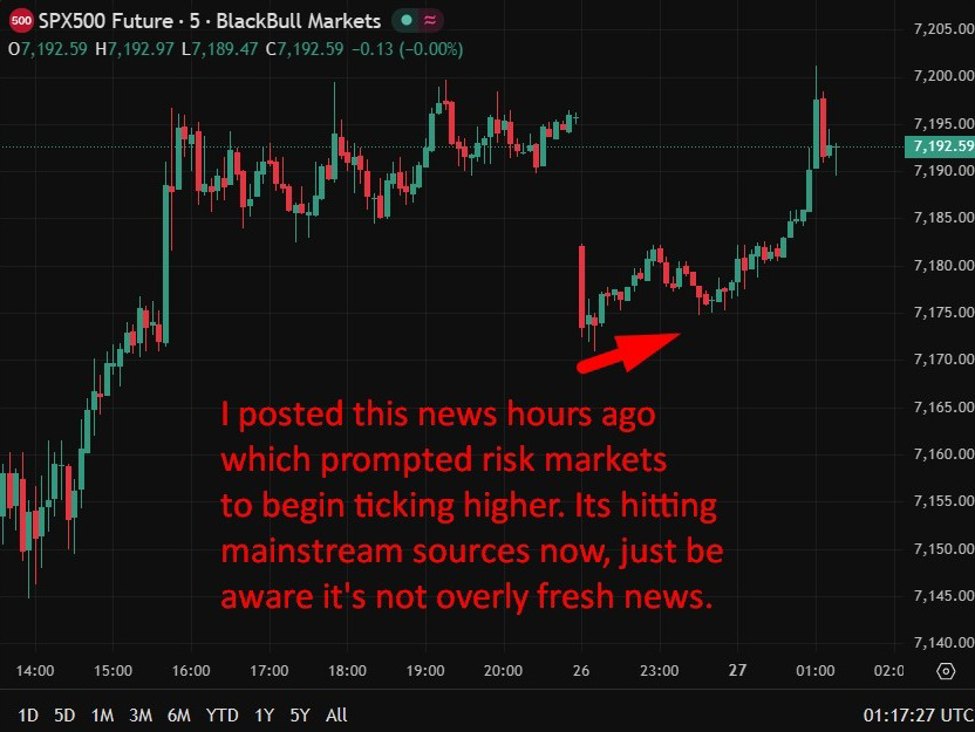
Iran has proposed reopening the Strait of Hormuz and ending the war before nuclear talks begin, passing the plan via Pakistani mediators to the White House as negotiations remain deadlocked. (Axios reporting on what I reported on hours ago)SummaryIran passed a new proposal to the White House via Pakistani mediators to reopen the Strait of Hormuz and end the war before nuclear talks beginThe proposal attempts to bypass internal Iranian disagreements over the scope of nuclear concessions it is willing to offerNuclear negotiations would only commence after the strait is reopened and the US naval blockade lifted, under the proposalTrump cancelled a planned trip by envoys Steve Witkoff and Jared Kushner to Islamabad after no progress was made during Iranian FM Araghchi’s visit to PakistanTrump signalled in a Fox News interview he wants to maintain the naval blockade, believing Iran faces an oil infrastructure collapse within days if exports remain blockedAraghchi held talks with Omani officials in Muscat on Sunday focused on the Strait of Hormuz before returning to IslamabadAraghchi expected to travel to Moscow on Monday to meet Vladimir PutinWhite House said it would not negotiate through the press and would only accept a deal that prevents Iran from obtaining a nuclear weaponIt remains unclear whether the US is willing to explore the Iranian-Pakistani proposalIran has put forward a new diplomatic proposal aimed at breaking the deepening stalemate in negotiations with the United States, offering to reopen the Strait of Hormuz and agree a ceasefire before any nuclear talks take place, according to Axios, which cited a US official and two sources with direct knowledge of the matter.The proposal, passed to the White House via Pakistani mediators, represents a significant reframing of Iran’s negotiating position. Rather than attempting to resolve the nuclear dispute and the Hormuz crisis simultaneously, Tehran is now seeking to separate the two issues entirely, securing a reopening of the strait and a lifting of the US naval blockade first, with nuclear negotiations to follow at a later stage. The approach is designed in part to work around deep divisions within the Iranian leadership over how far the country is willing to go in meeting US demands for a long-term suspension of uranium enrichment and the removal of enriched uranium stockpiles from Iranian territory.The proposal’s prospects are uncertain at best. Trump made clear in a Fox News interview on Sunday that he intends to maintain the naval blockade, viewing it as his most potent source of leverage over Tehran. The US president suggested Iran was approaching a critical point, warning that its oil infrastructure could face an internal collapse within days if exports remain blocked for much longer, and that any resulting damage would be permanent and irreversible. That framing suggests the White House sees little incentive to release pressure before extracting nuclear concessions.The breakdown in momentum was underlined by Trump’s decision to cancel a planned trip to Islamabad by his envoys Steve Witkoff and Jared Kushner after Iranian Foreign Minister Abbas Araghchi’s visit to Pakistan over the weekend ended without progress. Trump told Axios he saw no point in sending his team on an 18-hour flight given the state of the talks, adding that Iran could call if it wanted to engage.Araghchi’s diplomatic activity has nonetheless continued at pace. After leaving Pakistan, he held talks with Omani officials in Muscat focused on the Strait of Hormuz before returning to Islamabad for a second round of discussions. On Monday he was expected to travel to Moscow to meet Russian President Vladimir Putin, a visit that underlines Iran’s efforts to shore up international support as the pressure from the US blockade intensifies.Multiple mediators are now involved in the process. Araghchi briefed Pakistani, Egyptian, Turkish and Qatari counterparts over the weekend on Iran’s position, making clear that there is no internal consensus in Tehran on the nuclear question. That admission is significant, as it suggests any deal touching on enrichment would face resistance from hardline factions within the Iranian leadership regardless of what negotiators agree at the table.The White House declined to engage with the specifics of the proposal, with spokesperson Olivia Wales stating that the US would not negotiate through the press and would only accept a deal that permanently prevents Iran from acquiring a nuclear weapon.—-The Iranian proposal to decouple Hormuz from nuclear talks is a significant diplomatic development with direct implications for energy markets. A reopening of the strait without a nuclear resolution would remove the most acute supply disruption driving oil prices, potentially triggering a sharp correction in crude. However, Trump’s stated desire to maintain the naval blockade as leverage suggests the White House is unlikely to accept a deal that surrenders its primary pressure point before securing nuclear concessions. The cancellation of the Witkoff and Kushner trip to Islamabad signals a hardening of the US position in the short term. For markets, the key risk is that the stalemate deepens, keeping the strait closed for longer and sustaining the supply shock. The involvement of Russia, with Araghchi heading to Moscow to meet Putin, adds a further geopolitical dimension that could complicate any path to resolution.
This article was written by Eamonn Sheridan at investinglive.com.
💡 DMK Insight
Iran’s proposal to reopen the Strait of Hormuz could shift oil market dynamics significantly. With tensions in the region affecting supply routes, any easing of hostilities might lead to a drop in oil prices, impacting not just crude but also related assets like energy stocks and currencies of oil-dependent economies. Traders should keep an eye on Brent crude futures, especially if they approach key support levels. If negotiations progress, we could see volatility in the oil market, particularly if prices dip below recent lows. Conversely, if talks fail, expect a spike in risk premium, pushing prices higher. Watch for reactions from major players in the oil market, including OPEC+, as they might adjust production strategies based on these developments. The real story is how this geopolitical maneuvering could create opportunities for short-term trades, especially around key economic indicators like U.S. inventory reports or shifts in global demand forecasts.
📮 Takeaway
Monitor Brent crude prices closely; a breakthrough in negotiations could push prices below key support levels, while failure may trigger a sharp rally.