Bitcoin
  Ethereum
  Tether
  XRP
XRP  BNB
BNB  USDC
USDC  Solana
  TRON
TRON  Lido Staked Ether
  Figure Heloc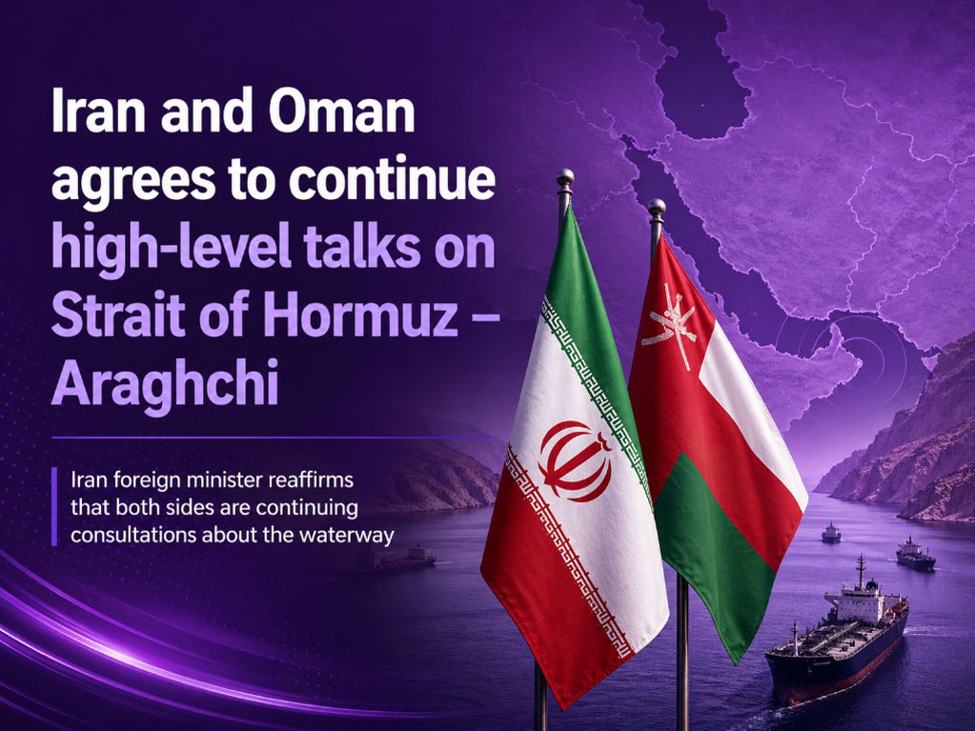
This ties back to the earlier headline, where Araghchi spoke about “important discussions” with Oman on the Strait of Hormuz. He now says that Iran and Oman have agreed to “continue consultations on the strait with expert-level talks”. This ties to the earlier headline that Iran is perhaps trying to work out a proposal for safe transit of the waterway.While the headline sounds positive and may mark a break of the hard line that Iran has been holding, it is best to be reminded that Tehran officials will not give away too much leverage over the situation. As a reminder, their ace card is control over the Strait of Hormuz. And to give that up before any agreement on the nuclear agenda would be wishful thinking.If anything else, expect any “reopening” of the strait to be very limited in nature. In other words, it is a bit part concession that Iran wants to offer up in exchange for the US breaking its naval blockade. It isn’t to say that Iran is giving up control of the strait entirely. So, keep that in mind.Risk trades are still taking a more positive cue from the latest development though. S&P 500 futures are now up 0.1% after dropping by around 0.3% earlier in the day. Meanwhile, WTI crude has also eased a touch from a high of $96.68 at the start of the day to $95.35 currently.
This article was written by Justin Low at investinglive.com.
💡 DMK Insight
Tensions in the Strait of Hormuz are heating up, and here’s why that matters for traders: any disruption in this critical shipping lane could spike oil prices. With Iran and Oman engaging in “expert-level talks,” the potential for conflict or miscommunication increases, which could lead to volatility in the oil market. Traders should keep a close eye on Brent crude prices, as any escalation could push them above key resistance levels. Look, the broader context here is that the Strait of Hormuz is a vital artery for global oil supply, accounting for a significant percentage of the world’s oil trade. If Iran feels cornered or if negotiations break down, we could see a rapid price spike. This situation could also ripple through related markets, impacting currencies like the Iranian rial and oil-sensitive economies. Watch for any news updates or statements from either side, as they could trigger immediate market reactions. In terms of strategy, consider monitoring the 70 and 75 USD levels for Brent crude; a breach above these could signal a bullish trend. Keep your risk management tight, as the volatility could be significant in the coming days.
📮 Takeaway
Watch Brent crude closely; a breach above 70 USD could signal a bullish trend due to rising tensions in the Strait of Hormuz.