Bitcoin
  Ethereum
  Tether
  XRP
XRP  BNB
BNB  USDC
USDC  Solana
  TRON
TRON  Lido Staked Ether
  Figure Heloc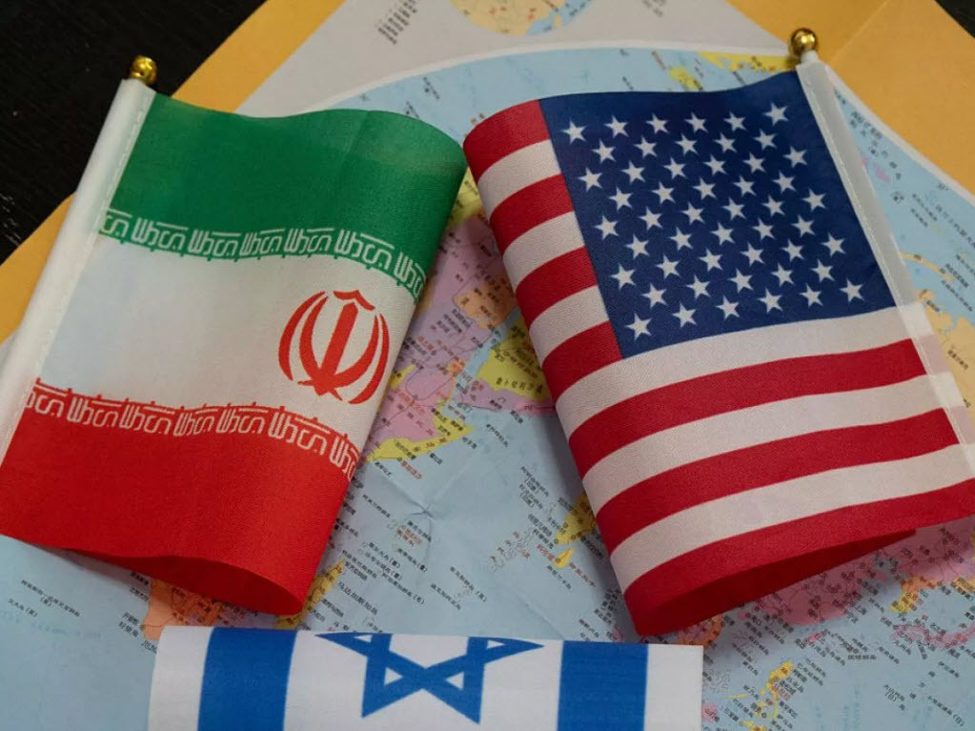
G7 finance chiefs warned the Middle East war risks damaging growth and fuelling inflation, signalling readiness to act on energy shocks while accelerating efforts to diversify critical minerals supply chains.Summary:G7 flags urgent need to limit economic fallout from Middle East war
Central banks ready to act to prevent energy shock feeding into core inflation
IEA oil releases highlight coordinated response to supply disruption
Rare earths and critical minerals diversification away from China in focus
Free transit through Hormuz seen as key to stabilising energy marketsG7 finance ministers and central bank governors have warned of mounting risks to the global economy from the Middle East conflict, pledging coordinated action to contain inflation pressures and safeguard energy and supply chains.Meeting on the sidelines of the IMF and World Bank spring meetings, officials agreed that limiting the economic damage from a prolonged conflict is an urgent priority, while emphasising the need to move toward a lasting peace. The group highlighted growing concern over both direct and second-round effects from the energy shock, particularly its potential to feed into broader inflation dynamics.From a policy perspective, G7 central banks signalled a readiness to respond if needed, while stressing that they are not yet in “rush mode.” Officials indicated they would act to prevent higher energy and commodity prices from becoming embedded in core inflation through second- and third-round effects, but will rely on incoming data before adjusting policy settings.Fiscal and policy coordination has already been deployed. Backed by the G7, the International Energy Agency released record volumes from strategic reserves to offset supply disruptions linked to the Strait of Hormuz. Officials indicated further intervention remains on the table if conditions deteriorate, underscoring a willingness to use inventories and coordinated measures to stabilise markets.Energy security remains central. French Finance Minister Roland Lescure stressed the importance of ensuring uninterrupted shipping through the Strait of Hormuz, warning against any attempt to impose transit costs. Maintaining open and cost-free passage is seen as critical to preventing further volatility in global oil markets and limiting inflation spillovers.Beyond energy, the G7 also sharpened its focus on supply chain resilience. Finance leaders discussed concrete steps to develop alternative supply chains for rare earths and critical minerals, aiming to reduce dependence on China’s dominant position. This reflects a broader strategic push to insulate key industrial inputs from geopolitical disruption.The group also reaffirmed support for Ukraine, with a focus on sustaining its economy, energy infrastructure, and reform agenda, while maintaining pressure on Russia.Overall, the G7 message points to a coordinated policy stance: monitor closely, act if needed, and prioritise preventing an energy shock from morphing into a broader inflation problem. –Reinforces a coordinated global policy backstop, helping cap extreme energy-driven inflation risks. Focus on Hormuz and supply chains keeps oil, shipping, and industrial metals central to market pricing.
This article was written by Eamonn Sheridan at investinglive.com.
💡 DMK Insight
G7 finance chiefs just raised a red flag about the Middle East conflict’s impact on global growth and inflation, and here’s why that matters: Traders should be on high alert as rising tensions could lead to energy price spikes, affecting everything from oil to broader commodities. If central banks step in to mitigate these shocks, we might see volatility in forex and crypto markets as they react to policy changes. Keep an eye on energy prices; a sustained increase could push inflation higher, prompting aggressive monetary policy shifts. But don’t overlook the potential for diversification in critical minerals supply chains. This could create opportunities in sectors tied to renewable energy and technology, as governments seek to reduce reliance on traditional energy sources. Watch for key economic indicators in the coming weeks, especially any shifts in central bank rhetoric or energy price movements, as these will guide trading strategies moving forward.
📮 Takeaway
Monitor energy prices closely; any significant spike could trigger central bank interventions, impacting forex and commodity markets in the short term.