Bitcoin
  Ethereum
  Tether
  XRP
XRP  BNB
BNB  USDC
USDC  Solana
  TRON
TRON  Lido Staked Ether
  Figure Heloc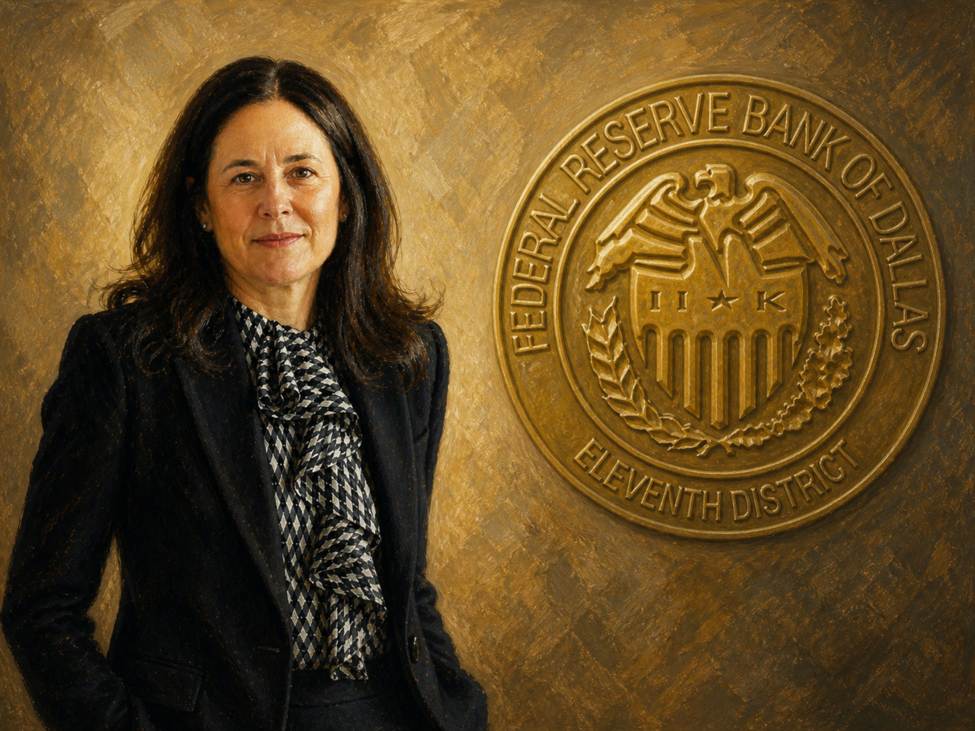
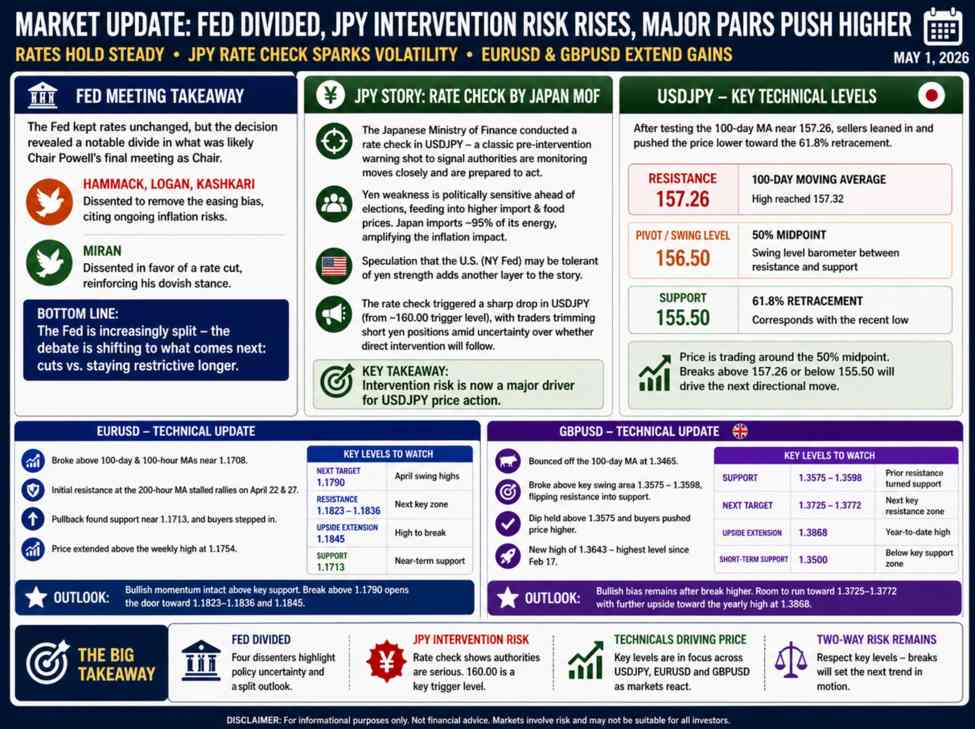
Dallas Federal Reserve Pres. Lori Logan is exploiting her dissent at the FOMC meeting this week. The vote to keep rates unchanged was 8 to 4 with Fed Miran voting to cut rates while Fed’s Kashkari, Logan and voted to keep rates unchanged but to take out the easing bias from the official statement.Logan says: Fed should not give guidance and point easing right now.That’s next rate move could be cut or hike.Economic outlook is very uncertain right now. Jobs market has been stable.Increasingly concerned about getting inflation back to 2%.Outlook for inflation path is uncertain.Fed’s Kashkari and Hammack had similar thoughts:Kashkari: Pre-Iran: easing inflation and steady jobs pointed to gradual cutsIran shock adds stagflation risk via oil and supply disruptionHammack: uncertainty up, inflation risks skew higher, easing bias outdatedBoth: hikes are back on the table if inflation persists
This article was written by Greg Michalowski at investinglive.com.
💡 DMK Insight
The Fed’s recent split vote on interest rates highlights growing divisions and uncertainty in monetary policy. With Dallas Fed President Lori Logan dissenting, traders need to pay attention to how this could signal a shift in future rate decisions. The 8 to 4 vote reflects a more hawkish stance from some members, which could impact market sentiment. If the Fed continues to remove easing bias, it may lead to tighter financial conditions, affecting everything from equities to forex pairs. Watch for how this plays out in the coming weeks, especially with key economic data releases on the horizon that could sway the Fed’s direction. The market’s reaction to these developments could create volatility, particularly in interest-sensitive assets like tech stocks and the USD. Keep an eye on the next FOMC meeting and any comments from dissenting members, as they could provide clues on potential rate hikes or cuts. If the dissent grows, it might indicate a more aggressive approach to inflation control, which could shake up the markets significantly.
📮 Takeaway
Watch for the next FOMC meeting and any dissenting comments, as they could signal future rate hikes and impact market volatility.