 Bitcoin
  Ethereum
  Tether
  BNB
BNB  XRP
XRP  USDC
USDC  Solana
  TRON
TRON  Lido Staked Ether
  Figure Heloc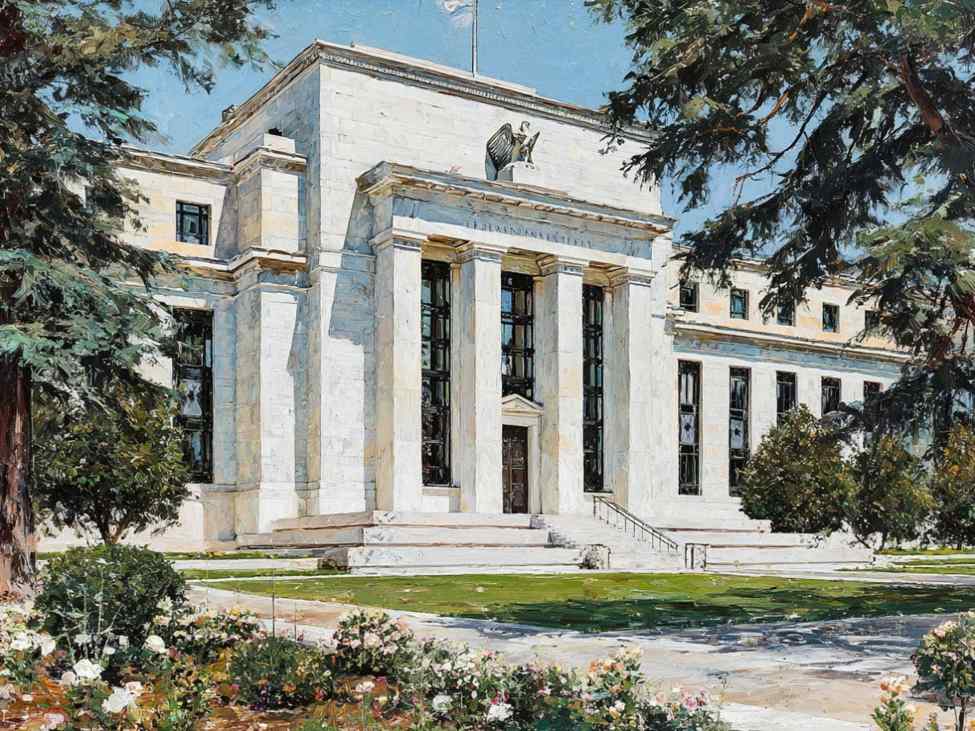
My primary concern is inflation, which is too hot and has been above target for too longNow is not the time to let down our guardUS economy is less exposed to energy shock relative to the pastBut I would place little shock in assuming that recent inflation surge is transitoryFed must signal commitment to lowering inflationThe main focus is on getting inflation back to the 2% targetMost economic indicators suggest continued steady growthBelieves that the labour market is in balance, notwithstanding the potential disruptions of AIThere is some evidence that AI is depressing hiring but it is not driving firingWell, Schmid isn’t a voting member on the FOMC committee this year. So, his remarks will not bear as much weight. However, they are still worth taking note of as they do reflect the wider view of how the central bank is treating policy at the moment.There’s definitely a more hawkish leaning starting to develop but we’ll have to see how Warsh wants to steer the conversation in the months ahead.For now at least, traders are seeing the potential for a rate hike late in the year. Fed funds futures point to ~15 bps of rate hikes priced in by year-end and that signals a more hawkish tilt compared to recent weeks, as worries about inflation continue to permeate across broader markets. In particular, the drive higher in bond yields reflect caution and traders are certainly mirroring that when it comes to Fed pricing.
This article was written by Justin Low at investinglive.com.
💡 DMK Insight
Inflation’s persistence is a red flag for traders, signaling potential volatility ahead. With inflation remaining above target, the Fed’s cautious stance could impact interest rates and market sentiment. Traders should keep an eye on economic indicators like CPI and PCE, as these will guide Fed policy and influence asset prices. If inflation continues to surprise to the upside, expect heightened volatility in equities and bonds, particularly in sectors sensitive to interest rate changes. Additionally, the Fed’s approach could ripple through the forex market, affecting USD pairs as traders adjust their expectations for rate hikes. Here’s the thing: while some may view the inflation surge as temporary, the Fed’s language suggests a more prolonged concern. If inflation doesn’t cool off, we could see a shift in market dynamics, especially if the Fed decides to act more aggressively than anticipated. Watch for key inflation reports in the coming weeks, as they could set the tone for the markets moving forward.
📮 Takeaway
Keep an eye on upcoming CPI and PCE reports; if inflation stays high, expect increased volatility in equities and forex markets, particularly USD pairs.