Bitcoin
  Ethereum
  Tether
  XRP
XRP  BNB
BNB  USDC
USDC  Solana
  TRON
TRON  Lido Staked Ether
  Figure Heloc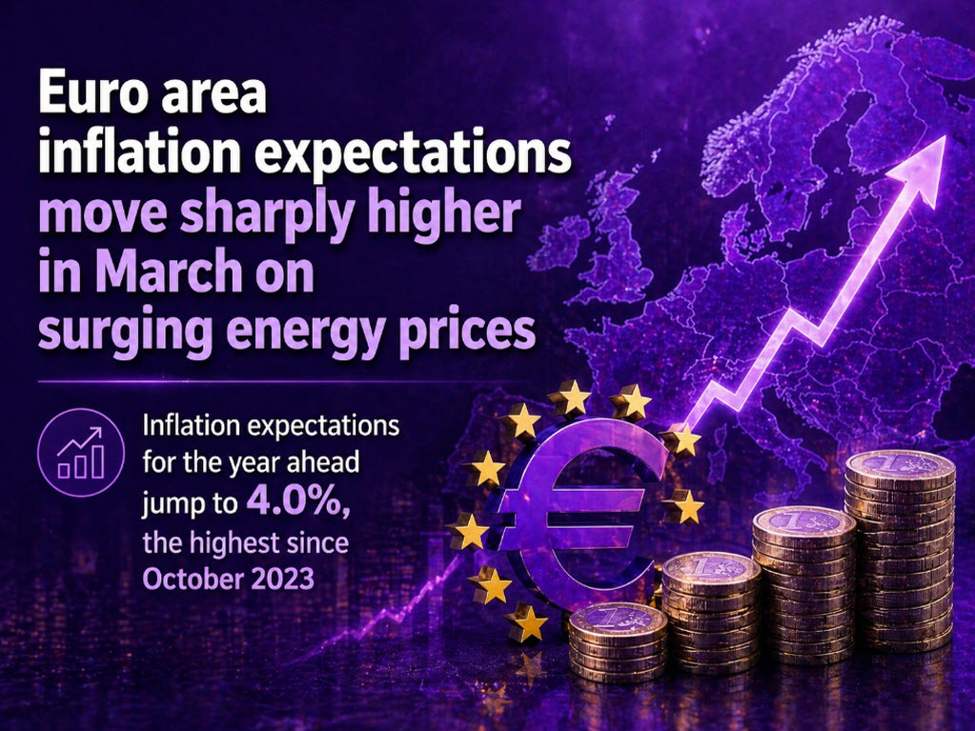
The fallout from the Middle East conflict is certainly taking a toll on households and the survey results definitely show it. As mentioned before, the prices we see on our screens reflect those of futures contracts. They are not the same as physical prices and prices at the pump, which have skyrocketed.And the longer the war drags on, the spillover impact becomes more embedded into all parts of the economy. In turn, that is when consumers will have to deal with higher prices all around. And when prices go up, they almost never come back down even if the supply shock dissipates eventually.The latest ECB consumer expectations survey for March highlights the negative outlook shared by consumers at the moment. Of note, the median estimate for inflation expectations for the year ahead has jumped to 4.0% – the highest since October 2023. That is a marked increase from the 2.5% reading in February.And across all measures, inflation expectations have increased markedly as well. The long-term measure may not be as evident but continues to keep above the 2% inflation target level from the ECB.Trouble, trouble.
This article was written by Justin Low at investinglive.com.
💡 DMK Insight
The ongoing Middle East conflict is impacting market sentiment, and here’s why that matters: rising geopolitical tensions often lead to volatility in energy prices, which can ripple through various asset classes. Traders should be aware that futures prices may not align with physical prices, especially in commodities like oil, where supply chain disruptions can create significant discrepancies. If the conflict escalates, we could see a spike in crude oil prices, which historically correlates with increased volatility in equities and currencies tied to energy exports. Look for key levels in oil futures; a break above recent highs could trigger a wave of speculative buying. Conversely, if the situation stabilizes, we might see a pullback. Keep an eye on the broader market context—economic indicators like inflation rates and consumer sentiment will also play a role in how traders react. The real story is that while the headlines may seem distant, the effects on your trading positions can be immediate and significant. Watch for any major announcements or developments in the conflict, as they could shift market dynamics rapidly, impacting not just oil but also related sectors like transportation and manufacturing.
📮 Takeaway
Monitor crude oil futures closely; a breakout above recent highs could signal increased volatility across markets, impacting energy stocks and currencies tied to oil.