Bitcoin
  Ethereum
  Tether
  XRP
XRP  BNB
BNB  USDC
USDC  Solana
  TRON
TRON  Lido Staked Ether
  Figure Heloc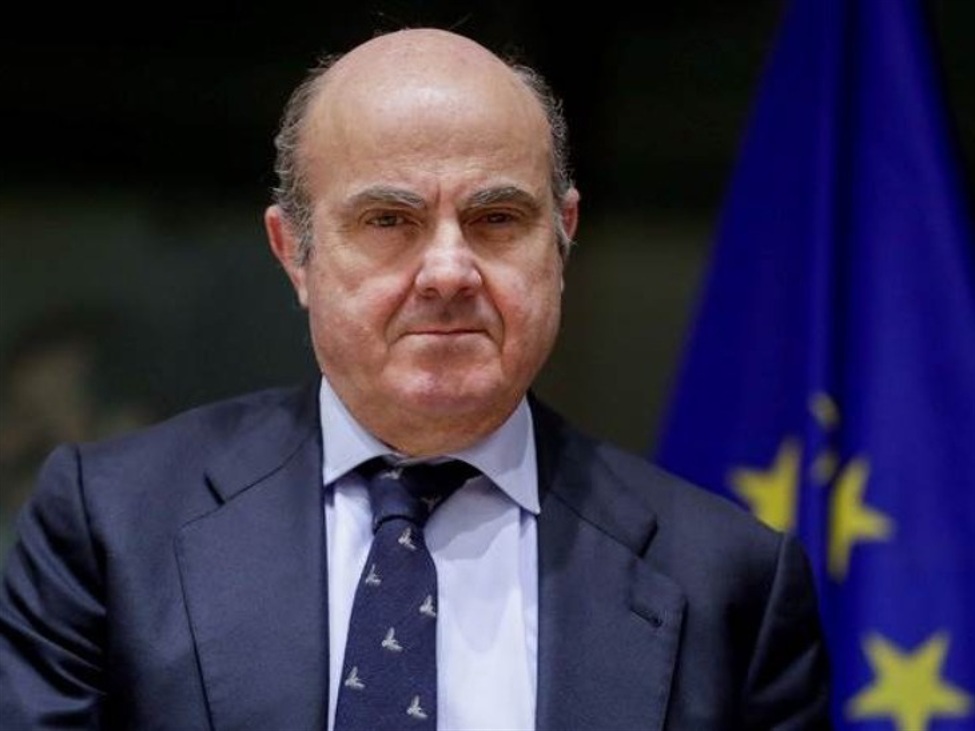
ECB Vice President Luis de Guindos suggests the central bank has to maintain a “cool head” and be cautious on interest rates adjustments amid the geopolitical uncertainty. While headline inflation has recently spiked to 2.6% due to the US-Iran war, core inflation moderated further towards the 2% target (2.3% in March). The ECB projections suggest a temporary spike this year due to the conflict but nobody knows how long it will last. The ECB is committed to a data-dependent, meeting-by-meeting approach. This “cool head” philosophy is designed to ensure that temporary energy price shocks do not translate into “second-round effects,” such as a wage-price spiral that could permanently de-anchor inflation expectations.The duration of the Middle East conflict remains the single largest “X-factor.” A prolonged crisis could keep energy and food prices elevated for longer than the baseline scenario predicts and affect inflation expectations.While the Eurozone economy has shown resilience, growth remains modest. With 2026 GDP growth projected at just 0.9%, the ECB is wary of keeping rates restrictive for too long, which could inadvertently stifle the recovery. If the central bank hikes into a growth slowdown, they could also exacerbate the negative impact on the economic activity and risk triggering a recession.By refusing to pre-commit to a specific rate path, the ECB is prioritizing flexibility. While the central bank is prepared to act if inflation proves persistent, it will not be rushed into premature decisions. Rate hikes expectations have eased recently with just a 16% probability of a hike in April and 63% in June. If the war is resolved by June, the ECB will likely keep interest rates steady until September while it gathers more data over the summer.
This article was written by Giuseppe Dellamotta at investinglive.com.
💡 DMK Insight
Inflation’s recent spike to 2.6% is a wake-up call for traders: geopolitical tensions are influencing monetary policy. The ECB’s cautious stance on interest rates reflects a balancing act between rising headline inflation and moderating core inflation, which is now at 2.3%. This divergence suggests that while the ECB might be tempted to raise rates to combat headline inflation, the underlying core trend could keep them in check. Traders should watch for any shifts in ECB rhetoric, especially if geopolitical tensions escalate further, as this could lead to volatility in both the euro and related assets like commodities. If the ECB decides to hold rates steady, it could strengthen the euro against the dollar, especially if the Fed continues its tightening cycle. Conversely, any hint of rate hikes could trigger a sell-off in equities and risk assets. Keep an eye on the upcoming ECB meetings and inflation reports; these will be crucial for gauging market sentiment and potential trading opportunities.
📮 Takeaway
Watch for ECB signals on interest rates; a steady stance could strengthen the euro, while any rate hikes might trigger volatility in equities.