 Bitcoin
  Ethereum
  Tether
  BNB
BNB  XRP
XRP  USDC
USDC  Solana
  TRON
TRON  Lido Staked Ether
  Figure Heloc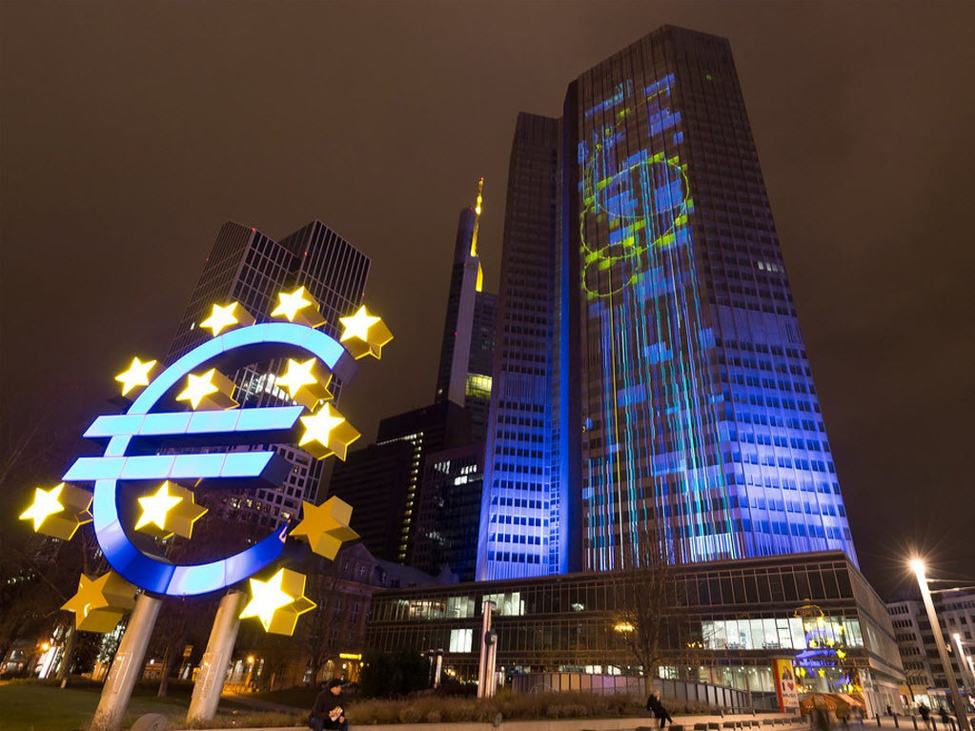
Economic recovery is now at riskInflation risks have heightened due to the Middle East conflictRisk of a stragflationary trend cannot be ruled out even if economy, labour market remain resilientThe duration of the Middle East conflict will be the decisive factorIt was a justifiable decision to wait before raising interest rates in April meetingBut that doesn’t mean one should wait too long before taking actionThat especially if the situation regarding energy prices does not improve rapidly and significantlyIf the war persists for an extended period, the risk of second-round effects will increaseECB will remain vigilant and, if necessary, act in a timely and decisive mannerThere are no major changes to medium and long-term inflation expectations yet, but there are initial signsIt would be irresponsible to commit to any decision many weeks in advance (when asked about next meeting)But unless the situation improves significantly, a rate move will be unavoidable in the near futureThey have to play things down a little after the April move but as the war rages on, they can’t afford to stay on the sidelines for too long. And markets are also making that clear, pricing in ~80% odds of a rate hike by the time we get to the next meeting in June. It would be poor form for the central bank to walk back on that and undo the tightening from markets, particularly at a rather sensitive time such as this one.That being said, the ECB is put in a very tough spot to balancing policy and prevailing economic conditions. The hit from the US-Iran conflict on households is going to be a big one. And amid resurgent inflation pressures, there is genuine concern of a stagflation hit to the euro area.
This article was written by Justin Low at investinglive.com.
💡 DMK Insight
The ongoing Middle East conflict is throwing a wrench into economic recovery, and here’s why that matters for traders: Inflation risks are climbing, which could lead to a stragflationary environment, even if the economy and labor market seem stable. Traders should keep an eye on how this geopolitical tension impacts commodity prices, particularly oil, as spikes could ripple through inflation metrics. If oil prices surge, we might see central banks forced to adjust interest rates sooner than anticipated, which could shake up forex markets, especially for currencies tied to commodity exports. Watch for any shifts in the Consumer Price Index (CPI) or Producer Price Index (PPI) data in the coming weeks, as these will be critical indicators of how inflation is evolving amid these tensions. On the flip side, if the conflict de-escalates quickly, we could see a rebound in market sentiment, potentially leading to a short-term rally in equities. But right now, the uncertainty is palpable, and traders need to be prepared for volatility. Keep an eye on key support and resistance levels in major indices and commodities as we navigate this complex landscape.
📮 Takeaway
Monitor CPI and PPI data closely; any significant shifts could signal a need for traders to adjust positions ahead of potential interest rate changes.