Bitcoin
  Ethereum
  Tether
  XRP
XRP  BNB
BNB  USDC
USDC  Solana
  TRON
TRON  Lido Staked Ether
  Figure Heloc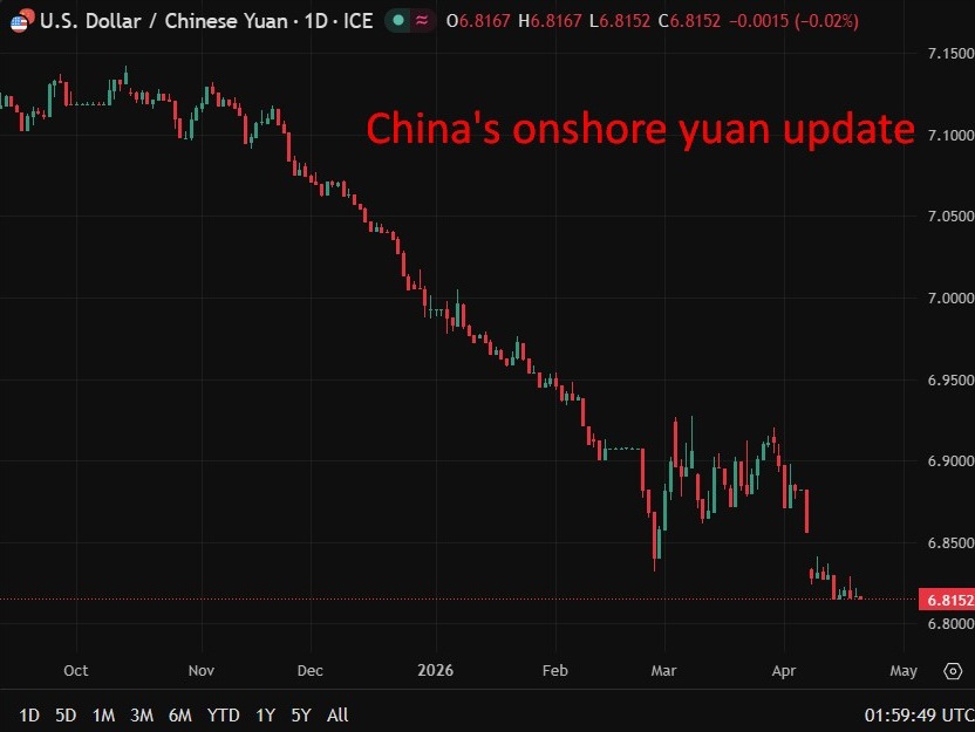
Fitch says China remains resilient to global energy shocks but weak consumer demand is limiting growth, with fiscal deficits staying elevated and risks rising if energy disruptions hit trade and manufacturing.Summary:China seen resilient to global energy shock
Domestic consumption remains weak, confidence subdued
No near-term acceleration in household demand
Fiscal deficit to remain elevated at ~7.3% of GDP
Energy shock risks spillover into trade and manufacturing
Growth outlook remains unevenChina’s economy is showing resilience to the global energy shock, but weak domestic demand remains a key constraint on the growth outlook, according to analysis from Fitch Ratings.The agency notes that while China has been relatively insulated from the worst of the energy disruption — helped by diversified supply sources and policy support — the external shock still poses risks, particularly if elevated energy prices persist. Prolonged disruption could spill over into China’s trade and manufacturing sectors, which remain sensitive to global demand conditions and input cost pressures.Despite this resilience, Fitch highlights that domestic consumption continues to lag. Consumer confidence remains subdued, limiting the prospect of a meaningful acceleration in household spending in the near term. This suggests that China’s recovery remains uneven, with external sectors and policy support doing more of the heavy lifting than domestic demand.On the fiscal side, Fitch expects China’s budget deficit to narrow slightly in 2026 but remain elevated at around 7.3% of GDP. This reflects ongoing government support measures aimed at stabilising growth, even as authorities attempt to gradually normalise fiscal settings.The combination of resilient external positioning and soft domestic demand underscores the challenges facing policymakers. While China is better placed than many economies to manage energy shocks, the lack of a strong consumption rebound continues to weigh on the broader recovery.Looking ahead, the trajectory of global energy markets will be a key variable. A prolonged period of elevated prices could erode China’s relative resilience, particularly through its impact on manufacturing competitiveness and export performance.
This article was written by Eamonn Sheridan at investinglive.com.
💡 DMK Insight
China’s weak consumer demand is a red flag for traders: it could stifle growth and impact global markets. Fitch’s assessment highlights that while China can weather energy shocks, the lack of robust domestic consumption is concerning. Elevated fiscal deficits suggest that the government may struggle to stimulate growth effectively. For traders, this could mean a slowdown in Chinese imports, affecting commodities and currencies tied to China’s economic health. Watch for how this plays out in the next few months, especially with key economic indicators like retail sales and manufacturing output on the horizon. If household demand doesn’t pick up, we might see further depreciation in the yuan, which could ripple through forex markets. On the flip side, if the government introduces measures to boost consumer confidence, it could provide a short-term lift. Keep an eye on any fiscal policy announcements or stimulus measures, as they could shift market sentiment quickly. The real story is whether China can pivot from its current trajectory before external shocks exacerbate its economic vulnerabilities.
📮 Takeaway
Monitor China’s retail sales and manufacturing data closely; weak numbers could lead to yuan depreciation and impact global commodity prices.