 Bitcoin
  Ethereum
  Tether
  XRP
XRP  BNB
BNB  USDC
USDC  Solana
  TRON
TRON  Lido Staked Ether
  Figure Heloc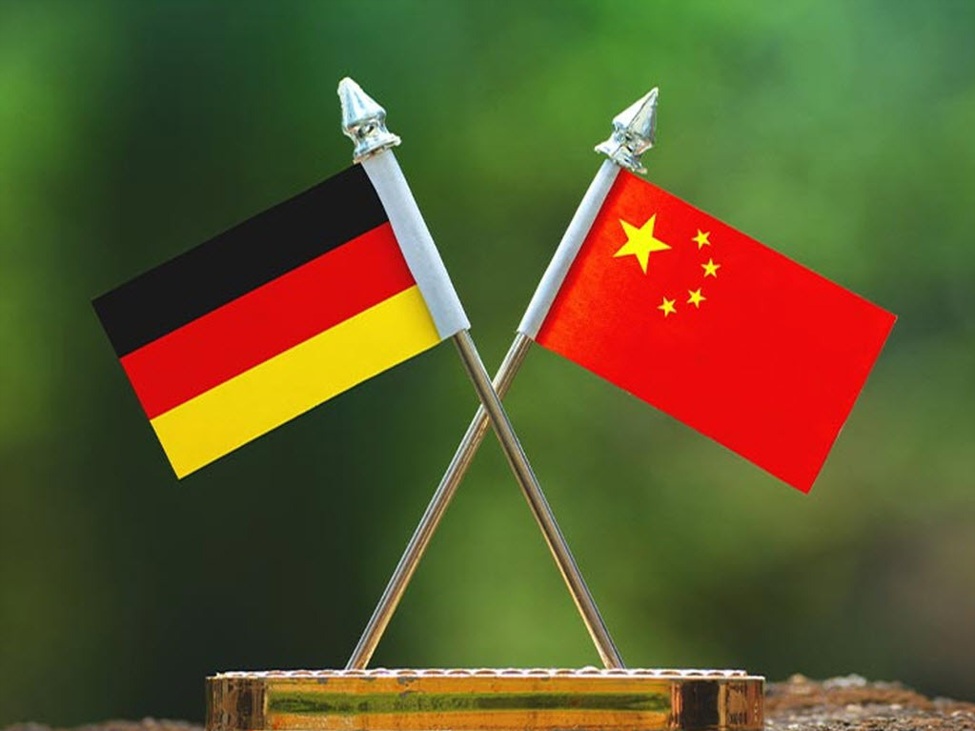
The meeting was said to take place in Beijing on Thursday, with representatives from 60 German companies being in attendance. Of note, the list of German firms included the likes of BASF, BMW Group, and Bayer. The commerce ministry then reaffirmed that both China and Germany remain “committed to a fair and stable business environment”.Once again, this just brings up the narrative of the enemy of my enemy is my friend. With both China and Europe being pushed to the corner by US on trade and tariffs, they are finding themselves to be the unlikely allies at this point in time.That has been well reflected by Germany’s trade breakdown for last year as seen here. The deepening relationship between the two sides now sees China overtaking back the US to be Germany’s top trade partner.And considering that the trade conflict with the US looks set to extend further with even the potential for things to blow up further, both Germany and China will want to keep closer ties until Trump leaves office at least. It’s a long wait with three more years, including this one, to go. However, it will be in their best interests to keep with the status quo from last year.In the long-term though, Germany needs to be careful in their dealings with China on trade. China indirectly exporting deflation to Europe will be a key consideration in that regard.And if that starts to get embedded into German supply chains and how the economy is wired, there will be bigger problems to worry about than circumventing US tariffs. It’s something that German lawmakers and policymakers will have to be mindful of and not sleepwalk into.That’s the key risk if prevailing global trade conditions persist, and is already something that French advisors are warning about.
This article was written by Justin Low at investinglive.com.
💡 DMK Insight
The upcoming meeting in Beijing involving 60 major German companies signals a significant commitment to Sino-German economic ties, which could impact global trade dynamics. For traders, this is crucial as it highlights potential shifts in supply chains and investment flows. Companies like BASF and BMW Group are key players in their sectors, and their strategies in China could influence commodity prices and automotive stocks. If these firms announce new investments or partnerships, we might see immediate reactions in related markets, particularly in industrial commodities and European equities. Keep an eye on how this meeting unfolds, as any positive developments could strengthen the Euro against the Yuan, while negative news might lead to volatility in both markets. Also, consider the broader context: if China continues to strengthen ties with Germany, it could signal a shift in global economic alliances, affecting currencies and commodities. Watch for any announcements post-meeting that could provide actionable insights into market movements.
📮 Takeaway
Monitor the outcomes of the Beijing meeting closely; any announcements from major firms could shift commodity prices and impact Euro-Yuan exchange rates.