 Bitcoin
  Ethereum
  Tether
  XRP
XRP  BNB
BNB  USDC
USDC  Solana
  TRON
TRON  Lido Staked Ether
  Figure Heloc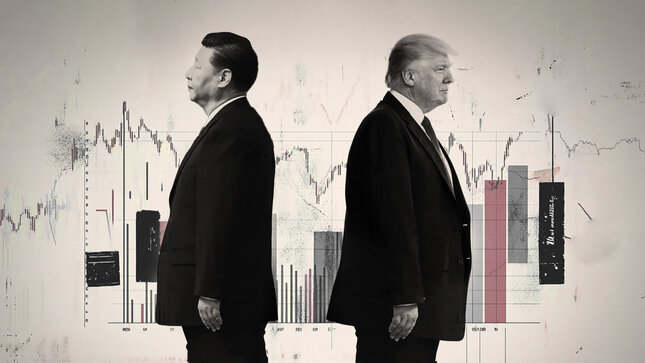
MUFG’s Michael Wan flags a significant shift as China formally invokes its 2021 Blocking Statute for the first time, targeting recent US sanctions on five Chinese refineries linked to Iranian Oil.
💡 DMK Insight
China’s invocation of the Blocking Statute is a game changer for oil markets and geopolitical dynamics. This move signals a robust response to US sanctions, potentially escalating tensions and impacting global oil supply chains. Traders should keep an eye on how this affects crude oil prices, especially if Iranian oil exports increase as a result. The market could react sharply, particularly if tensions escalate further, leading to volatility in oil-related assets. Watch for key levels in crude oil futures; a breach above recent highs could trigger a bullish sentiment, while a failure to hold could lead to a sell-off. Additionally, this situation may ripple through forex markets, especially affecting USD/CNY and oil-linked currencies like the Russian Ruble. But here’s the flip side: if the US responds with further sanctions, we could see a counterproductive cycle that disrupts supply even more. Traders need to monitor news closely for any developments on this front, as the implications could be significant in the coming weeks.
📮 Takeaway
Watch crude oil futures closely; a breakout above recent highs could signal a bullish trend amid rising geopolitical tensions.