Bitcoin
  Ethereum
  Tether
  XRP
XRP  BNB
BNB  USDC
USDC  Solana
  TRON
TRON  Lido Staked Ether
  Figure Heloc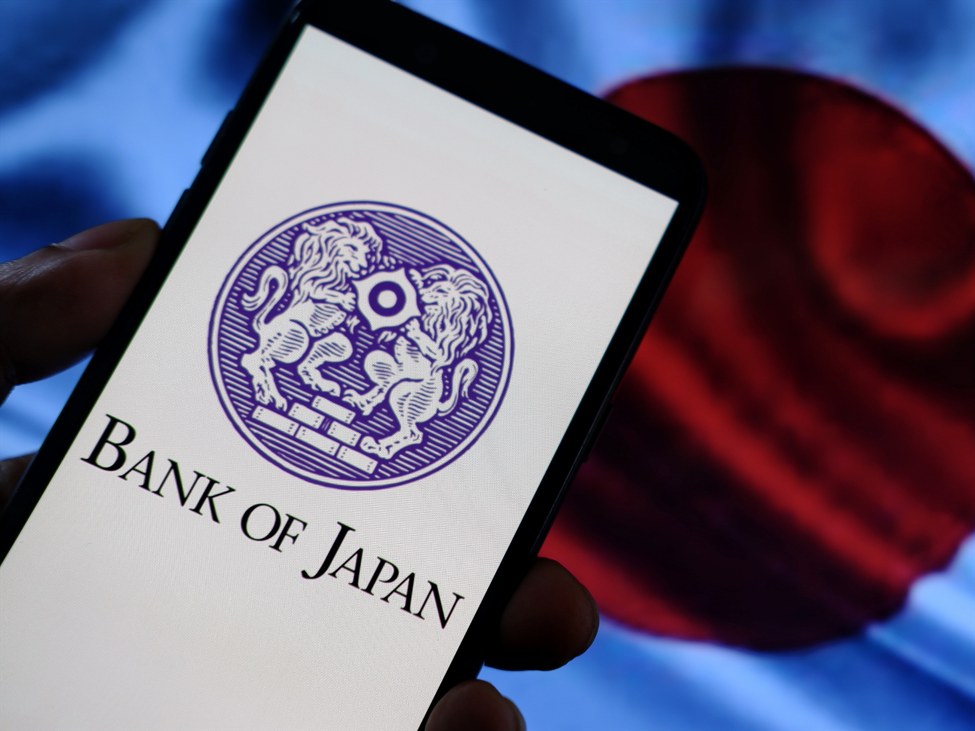
The Bank of Japan is widely expected to keep the policy rate steady at 0.75% tomorrow. The central bank will also release the quarterly outlook report where inflation is expected to be revised higher, while growth lower due to the US-Iran war. There were some speculations a couple of weeks ago that the BoJ could have hiked already in April, but the macro conditions were never really there. In fact, despite the third consecutive year of wage growth above 5%, inflation hasn’t shown any sign of re-acceleration. On the contrary, it’s been trending downwards since last year.The strong decline in headline inflation in recent months has been attributed to government subsidies for electricity and gas but the Core-Core CPI, which excludes food and energy prices, has been slowing steadily as well. It’s still above the BoJ’s 2% target (currently at 2.4%), but not really screaming for urgent hikes.BoJ Governor Ueda recently said that the US-Iran war could increase inflation but also weigh on growth. Moreover, he added that it’s an extremely difficult challenge to deal with negative supply shocks through monetary policy which impacts primarily demand. This shows that the BoJ is not eager to adjust interest rates at all.Nonetheless, we can expect the central bank to keep its tightening bias but not pre-commit to anything at this point in time. There are some expectations that the BoJ could lay the groundwork for a rate hike in June. It’s more likely they adopt a “wait and see” approach to see how the US-Iran stalemate and the economic data evolves before the next meeting.The market is pricing in a 50% probability of a rate hike in June and a total of 45 bps of tightening in 2026. If we get a clear signal of a June hike, we will likely see a short-term rally in the Japanese yen across the board. On the other hand, a neutral BoJ will likely continue to weigh on the yen.The market reactions will be much stronger in case the BoJ delivers a surprise rate hike tomorrow or closes the door on a June hike.
This article was written by Giuseppe Dellamotta at investinglive.com.
💡 DMK Insight
The Bank of Japan’s decision to maintain a steady policy rate at 0.75% could signal a cautious approach amid rising inflation and geopolitical tensions. With inflation likely to be revised higher, traders should keep an eye on how this affects the yen’s strength against major currencies. If the outlook report indicates a significant inflation uptick, it could lead to volatility in forex pairs like USD/JPY. Additionally, the downward revision in growth forecasts due to the US-Iran war might prompt investors to reassess risk exposure in Japanese assets. Watch for any comments from the BOJ that might hint at future policy shifts, especially if inflation pressures continue to mount. The market’s reaction to the report could set the tone for the yen in the coming weeks, particularly if it breaks key support or resistance levels. Here’s the thing: while the mainstream narrative focuses on inflation, the potential growth slowdown could be a hidden risk that traders need to factor into their strategies. Keep an eye on the quarterly outlook for any surprises that could shake up the market.
📮 Takeaway
Watch for the BOJ’s quarterly outlook report; any significant inflation revisions could impact USD/JPY and trigger volatility in the forex market.