Bitcoin
  Ethereum
  Tether
  XRP
XRP  BNB
BNB  USDC
USDC  Solana
  TRON
TRON  Lido Staked Ether
  Figure Heloc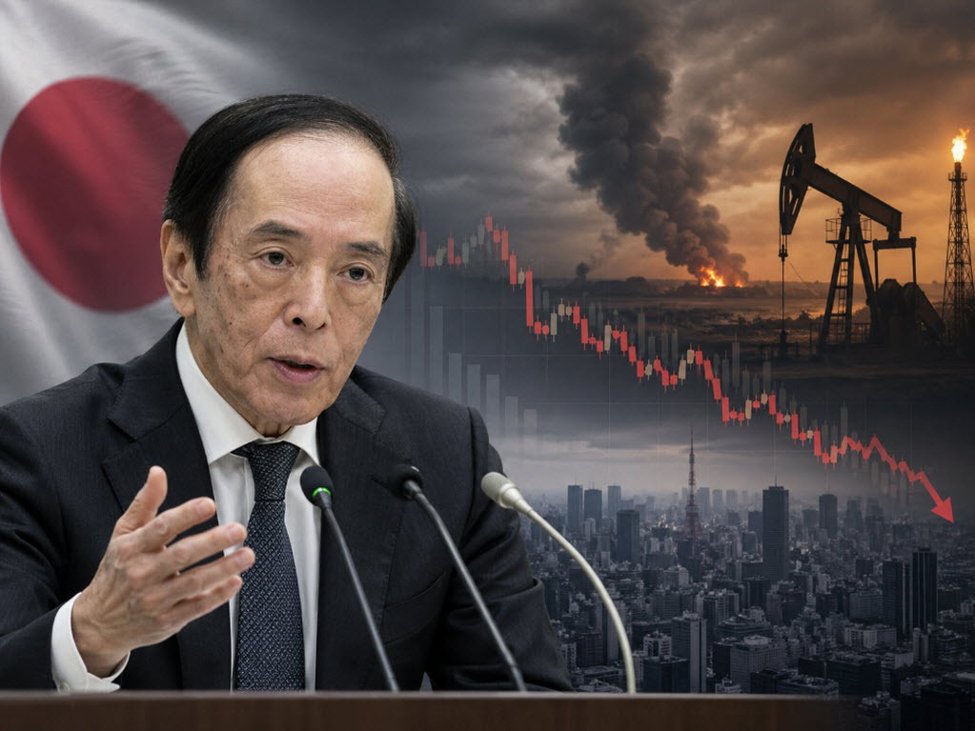
Forecasts an economic slowdown for the coming fiscal year as Middle East tensions weighBut overall, economic outlook remains stable although conditional on supply chain situationFor now, Japanese economy shows moderate recovery signs despite some weaknessThat outlook assumes no major supply chain disruption thoughBOJ will keep raising interest rates while adjusting level of monetary supportThat will be according to changes in economic, price, and financial conditionsBoard member Takata recommended adding a reference that inflation target has been achievedRising oil prices may have greater impact on inflationBut policymakers need to be alert to the risk of additional economic slowdown due to supply shockBOJ has kept main scenario unchangedHowever, the odds are now lower for the outlook to be realisedWill act appropriately to avoid lagging behind the curveBut seeks more time in assessing Middle East conflict and the impact on economy, pricesUnderlying inflation remains slightly below the 2% targetThe comments follow from the BOJ policy decision earlier, in which the central bank left the short-term interest rate unchanged at 0.75%. However, three policymakers – namely Takata, Tamura, and Nakagawa – dissented against the decision in voting to raise interest rates to 1.00%. As such, that saw a 6-3 vote split among the BOJ board on the decision.Ueda’s remarks are keeping in line with their decision but doesn’t signal too much urgency at the balance. The fear for the BOJ is that they are now needing to respond to cost-push inflation and that may derail economic conditions. That especially since the government is also needing to balance out the fiscal side of things.And the main concern now is that markets are already pricing in this degree of tightening. So, the BOJ has to deliver at some point or risk the Japanese yen imploding further. And that will open up a whole different can of worms.It’s a tough task. And they won’t be the only ones having trouble navigating the current storm. From yesterday: Major central banks are up against a very tough task in navigating monetary policy next
This article was written by Justin Low at investinglive.com.
💡 DMK Insight
The forecast of an economic slowdown due to Middle East tensions is a red flag for traders: While the Japanese economy shows moderate recovery, the reliance on stable supply chains is a gamble. If tensions escalate, we could see volatility spike, impacting not just Japanese assets but also global markets. Traders should watch the Bank of Japan’s (BOJ) interest rate adjustments closely, as these will influence the yen’s strength against other currencies. If the BOJ continues to raise rates, it could support the yen in the short term, but any supply chain disruptions could quickly reverse that trend. Keep an eye on key levels for the USD/JPY pair; a break above or below recent ranges could signal where the market is headed next. The real story is how geopolitical risks can ripple through the forex market, affecting everything from commodity prices to equities. Don’t underestimate the impact of these external factors on your trading strategies.
📮 Takeaway
Monitor the USD/JPY pair closely; a breakout could signal significant market shifts amid geopolitical tensions and BOJ rate changes.